The DOJ is suing Virginia over its policy allowing undocumented students to access in-state tuition, claiming it conflicts with federal immigration law which prohibits benefits for unauthorized immigrants that are not also available to U.S. citizens, leading to legal disputes across multiple states.
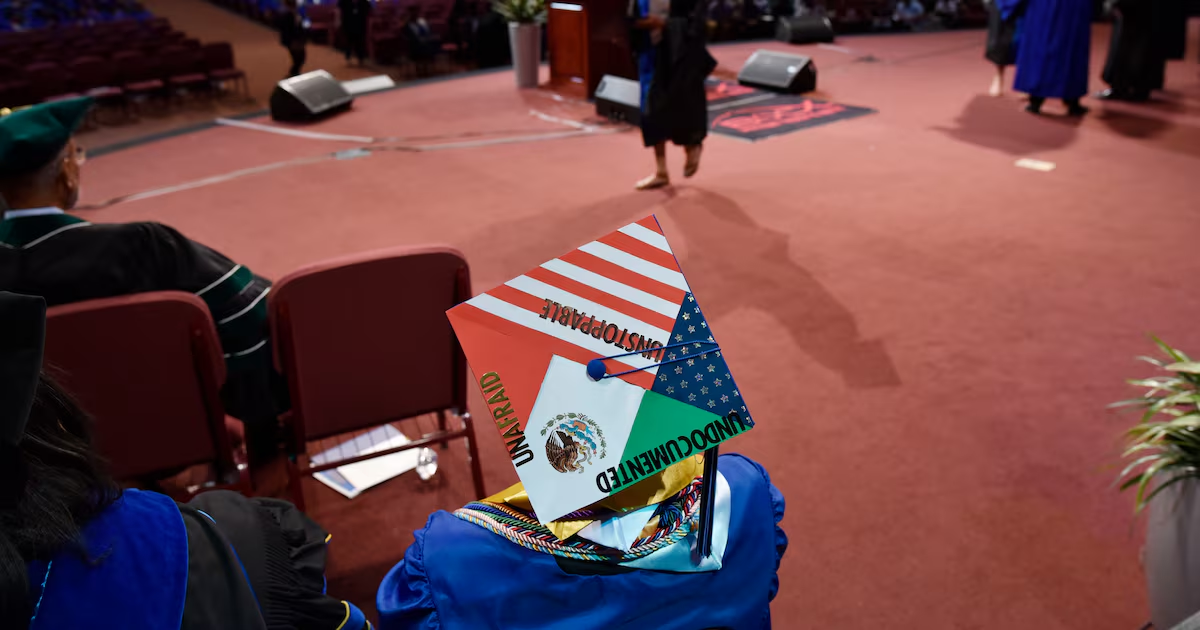
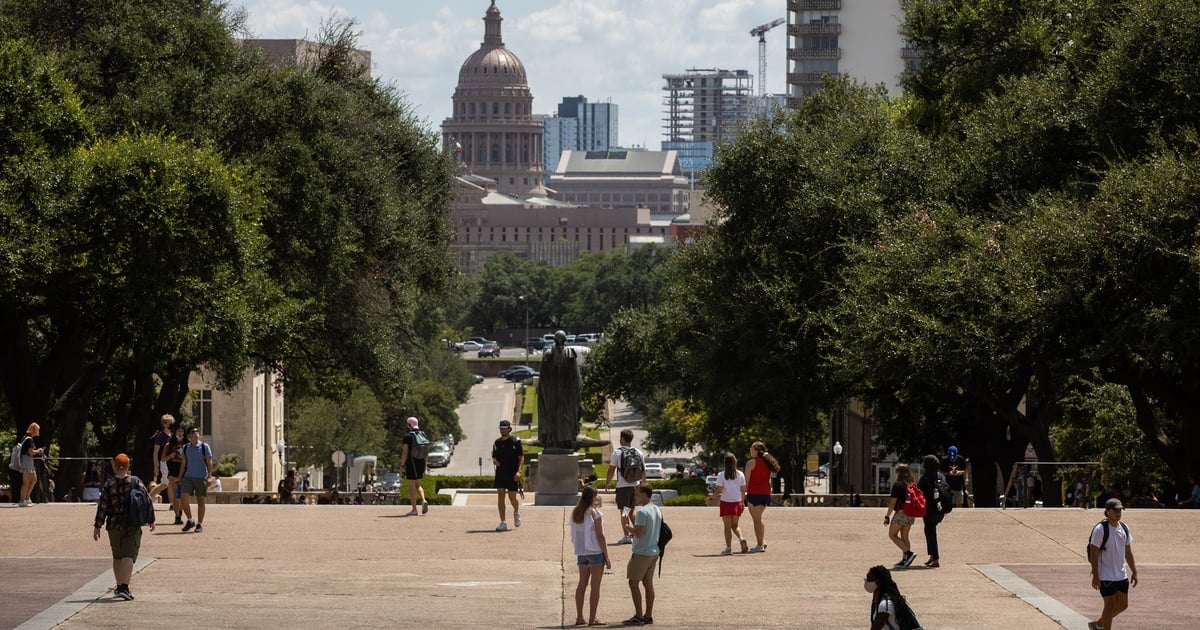
The Trump administration challenged state laws offering in-state tuition to undocumented immigrants, leading to legal battles and the end of such benefits in Texas, which previously allowed undocumented students like Berenice to access affordable college tuition, now facing higher costs.
The Trump administration is actively challenging and rolling back laws in several states that allow undocumented immigrants to pay in-state college tuition, citing concerns about fairness and legality, amidst broader efforts to discourage illegal immigration and reshape immigration policies.
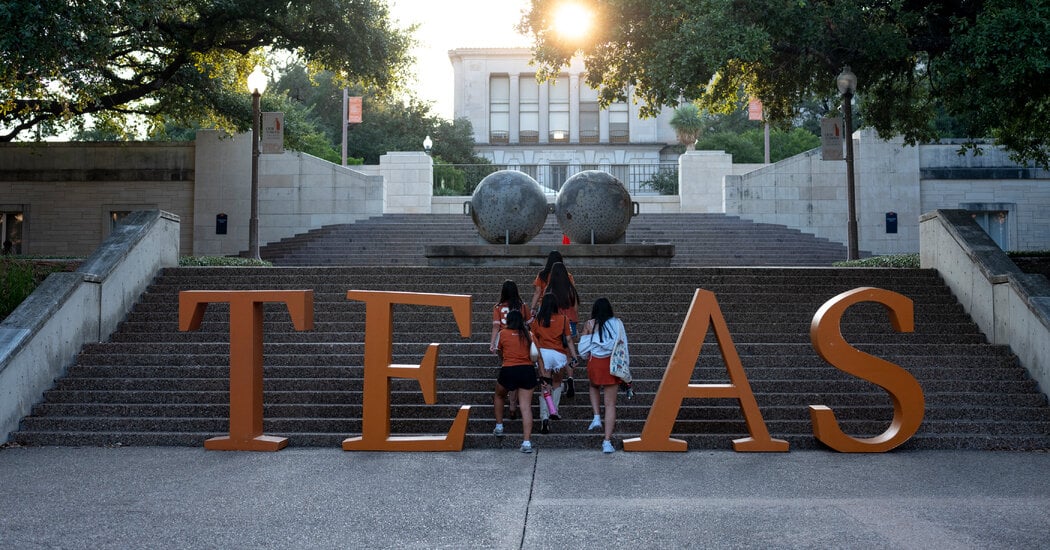
Texas has ended in-state tuition for undocumented students following a federal lawsuit that argued the law was unconstitutional, with a judge blocking its enforcement. The law, enacted in 2001, allowed undocumented students to pay in-state rates if they had lived in Texas for three years before high school graduation. The federal Department of Justice contended that this practice discriminated against U.S. citizens and violated federal law, leading to the legal challenge and the law's suspension. The move has sparked debate over the economic and educational impact on students and the state's workforce.
Texas has ended its in-state tuition policy for undocumented students following a lawsuit from the federal government, which claims the policy is unconstitutional and violates federal immigration law. The move reverses a law from 2001 that allowed such students to pay in-state rates, impacting thousands of undocumented immigrants in Texas and potentially influencing similar policies in other states.
Texas has ended its 24-year-old law allowing undocumented students to qualify for in-state tuition following a federal lawsuit and court ruling, with the state arguing that the policy violates federal law. The move has sparked debate over the impact on students and the state's higher education system.
The University of California's governing board has delayed a decision on whether to allow undocumented students to apply for jobs on its campuses, citing "significant risk" for the institution and students, including possible criminal prosecution. The proposed legal pathway for the student work plan was deemed "not viable right now" by the system's president, who warned of potential risks for the university system and the students it serves. The policy could benefit as many as 4,000 undocumented students who would have been allowed to work under DACA, and the decision has sparked disappointment and criticism from some regents and student leaders.
The University of California has decided to postpone a plan to allow undocumented students to hold campus jobs due to legal concerns and pressure from the Biden administration. This decision leaves around 4,000 undocumented students across the UC system unable to work on campus, impacting their ability to graduate or pursue advanced studies. The university will explore alternative ways to support these students, while activists and legal scholars argue that hiring them wouldn't violate federal law.
The University of California is considering employing undocumented students who lack work permits, which could challenge a decades-old U.S. legal norm. The UC Regents voted to create a working group that will explore hiring such workers and advise the board on a decision, which it expects to make by the end of November. The move could change thousands of students' lives and invoke a bevy of court challenges. A group of students and progressive legal scholars have argued that the Immigration Reform and Control Act does not apply to states.