A federal judge temporarily blocked a Texas law that imposed restrictions on minors' use of app stores, citing concerns that it was unconstitutionally vague and overbroad, and potentially violated free speech rights, while the law's supporters remain confident it will be upheld.
Starting January 1, 2026, Apple will require new iPhone users in Texas to verify their age, with users under 18 needing to join a Family Sharing group and parental consent for app downloads and in-app purchases, in compliance with Texas' age verification law. Apple is updating its APIs to support these requirements, while also expressing concerns over privacy implications. Similar laws are expected in Utah and Louisiana, and Google is preparing to support developers accordingly.
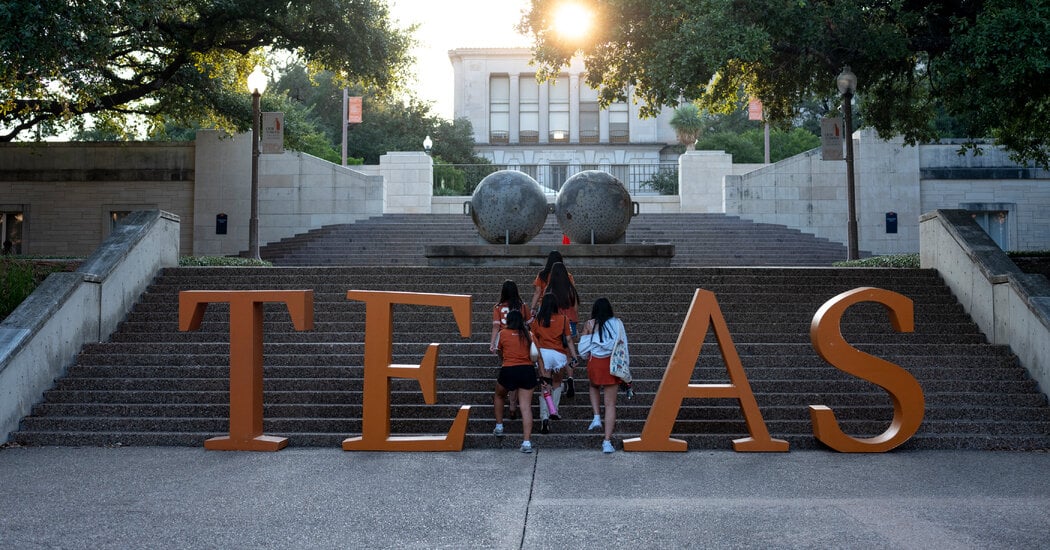
The Trump administration challenged state laws offering in-state tuition to undocumented immigrants, leading to legal battles and the end of such benefits in Texas, which previously allowed undocumented students like Berenice to access affordable college tuition, now facing higher costs.
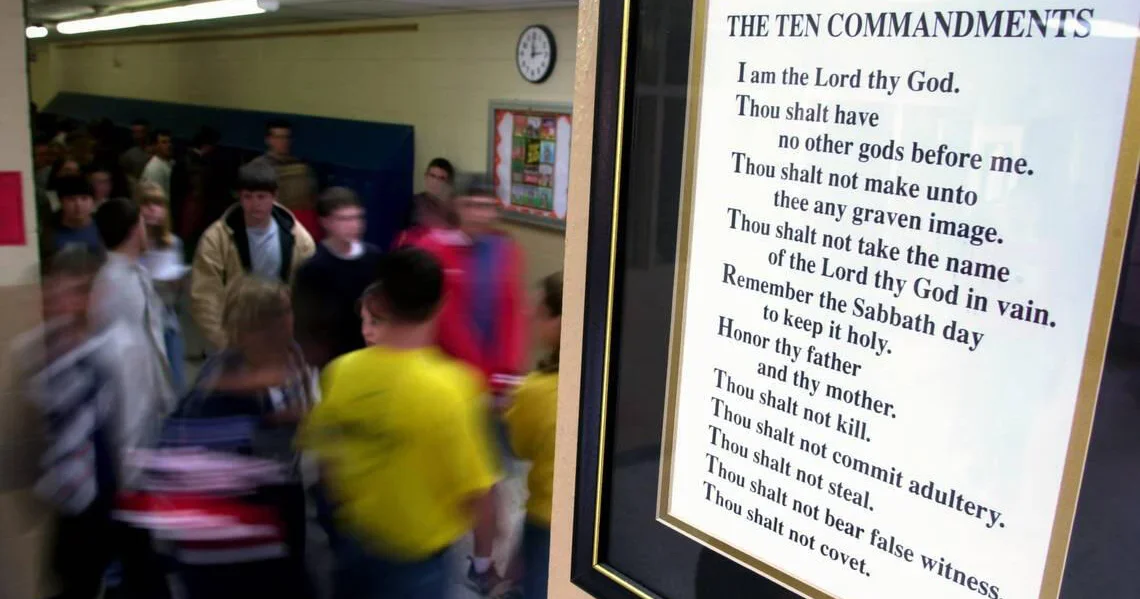
A Texas federal court temporarily blocked a law requiring public schools to display the Ten Commandments, citing potential violations of the First Amendment and concerns over religious coercion, with the state planning to appeal the decision.
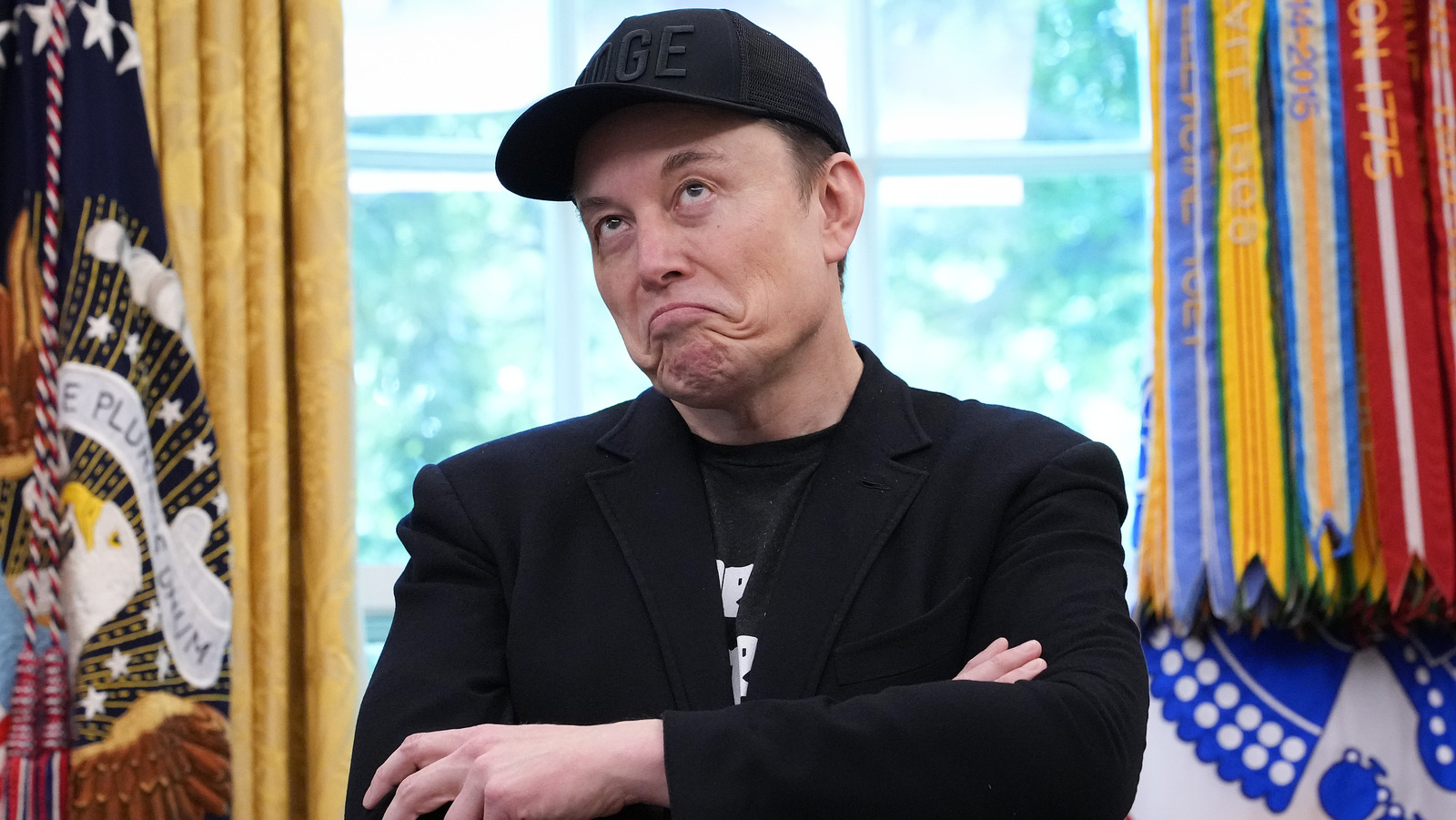
Tesla has delayed its annual shareholder meeting until November, citing strategic reasons such as improving business performance and managing shareholder concerns amid declining stock value and governance issues. The delay, unusual for a major company, appears to be a move to avoid immediate shareholder agitation and to give Musk time to address company and personal controversies. This situation highlights Tesla's current governance challenges and Musk's shifting focus away from traditional automotive business.
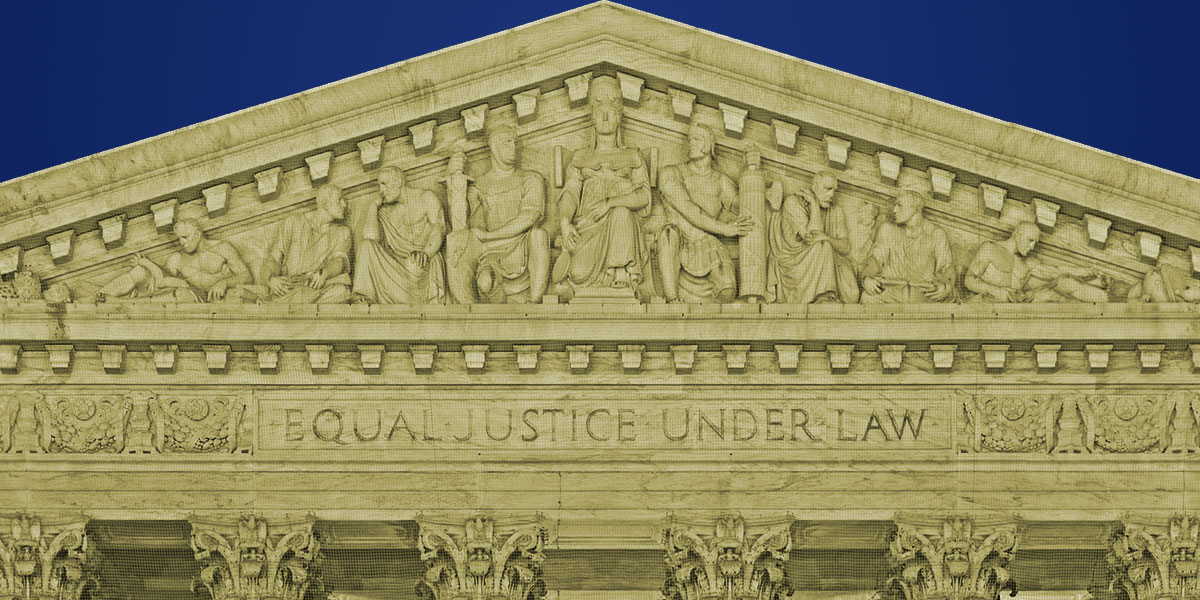
The Supreme Court upheld Texas' law requiring online age verification for access to certain sexual materials, ruling it constitutional and lowering the level of First Amendment scrutiny. This decision raises concerns about privacy, security, and adult access to lawful content, potentially leading to broader restrictions and challenges to online free speech. The ruling signifies a shift in how internet restrictions are evaluated, emphasizing the need to protect privacy and free expression online.
The Supreme Court upheld a Texas law requiring age verification on pornographic websites to protect minors, ruling it does not violate the First Amendment, with a 6-3 decision. The law mandates websites to verify users' age through government IDs, sparking debate over privacy and free speech rights. The ruling aligns with previous decisions allowing restrictions to minors but raises concerns about privacy and free expression for adults.
The US Supreme Court has upheld a Texas law requiring age verification for access to pornography sites, citing state authority to protect minors, despite arguments from adult content providers that it infringes on free speech and privacy rights.
The U.S. Supreme Court upheld a Texas law requiring age verification for access to sexually explicit websites, ruling 6-3 that it only incidentally burdens adult free speech while primarily aiming to protect minors, despite challenges claiming it violates First Amendment rights.
The Supreme Court upheld a Texas law requiring age verification for access to adult websites, ruling it does not violate free speech rights and aims to protect minors from explicit content.
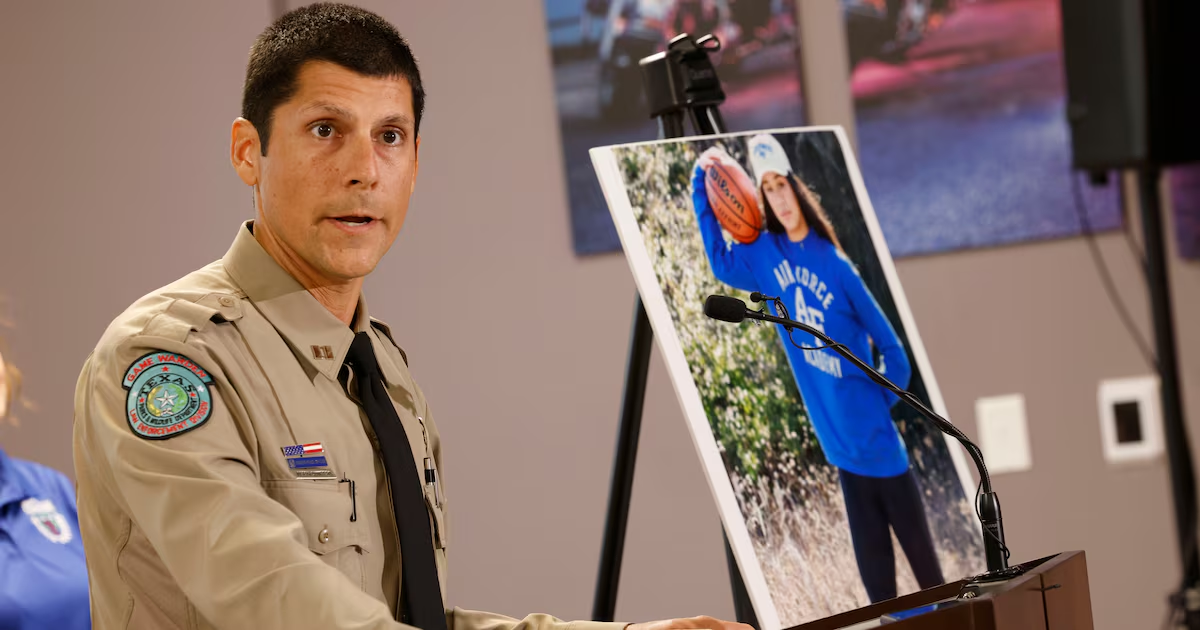
A woman operating a jet ski at high speed near Grapevine Lake fatally struck a kayaker, Ava Moore, over Memorial Day weekend. The jet ski driver, Daikerlyn Gonzalez Gonzalez, fled the scene but was later arrested along with her accomplice, Maikel Alexander Coello Perozo. Gonzalez Gonzalez faces a felony manslaughter charge, and the case has garnered significant attention, with discussions about potential charges including the death penalty. The incident highlights the importance of water safety and legal accountability.
Texas Attorney General Ken Paxton has filed a lawsuit against Dr. Margaret Daley Carpenter, a New York physician, for illegally providing abortion-inducing drugs to Texas residents via telemedicine, violating state laws that require a valid Texas medical license for such practices. The lawsuit seeks to prevent further violations and impose significant civil penalties, highlighting the state's strict regulations on abortion and telehealth services.
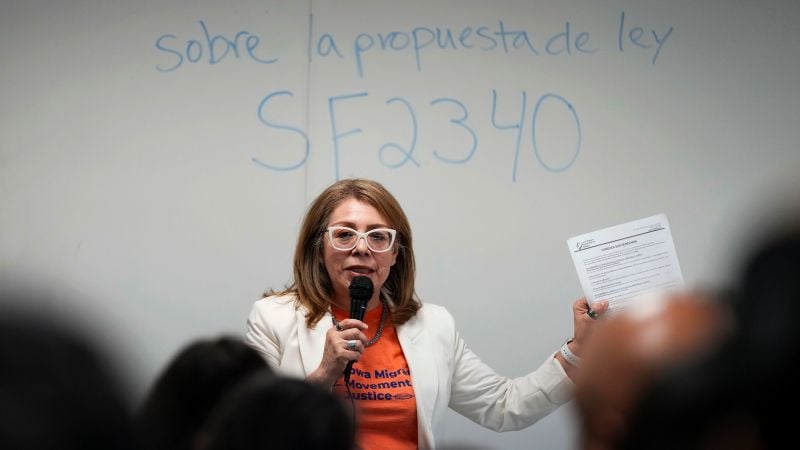
Iowa recently passed a law mirroring portions of the controversial Texas immigration law, causing concern and confusion in immigrant communities. The law allows local police to arrest some undocumented immigrants and gives state judges the power to order deportations. Similar measures have been considered in at least nine other states this year. Critics argue that these measures are discriminatory and unconstitutional, while advocates are preparing to fight them. Immigrant communities are feeling fear and chaos, and are being advised to know their rights and make safety plans in preparation for potential legal battles.
Texas A&M University reassigned DEI employees to other departments and gave the department head a raise before the state law banning DEI on college campuses went into effect, sparking concerns that schools are attempting to embed the practice despite the law. Critics argue that the university's actions are a way to skirt the ban and continue promoting DEI principles. Texas universities have been laying off DEI employees in response to the law, but some lawmakers are concerned that schools are finding ways to continue promoting DEI at taxpayers' expense. Texas A&M University maintains that it is following the new laws and has eliminated DEI-related job duties across the university.
Kansas City Chiefs receiver Rashee Rice has reportedly retained legal counsel following a crash involving a car registered to him, which police believe was racing another car before a six-car collision. The driver of the vehicle registered to Rice left the scene, potentially leading to significant consequences under Texas law. Rice's decision to retain counsel suggests his concern over the situation, especially if he was driving the car at the time of the crash.