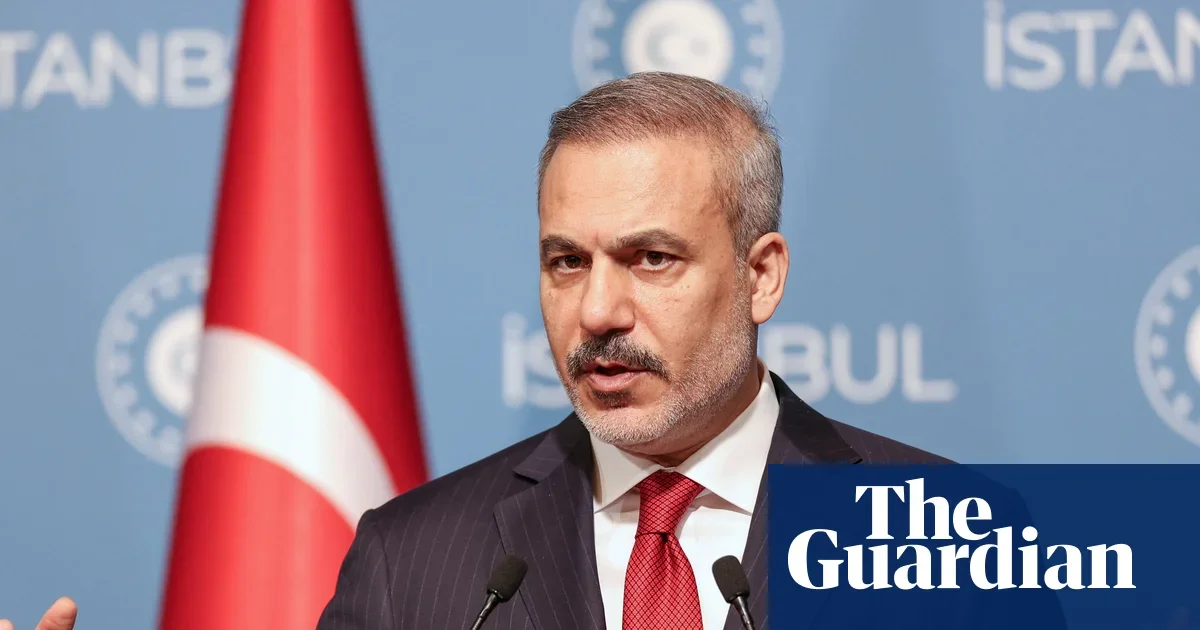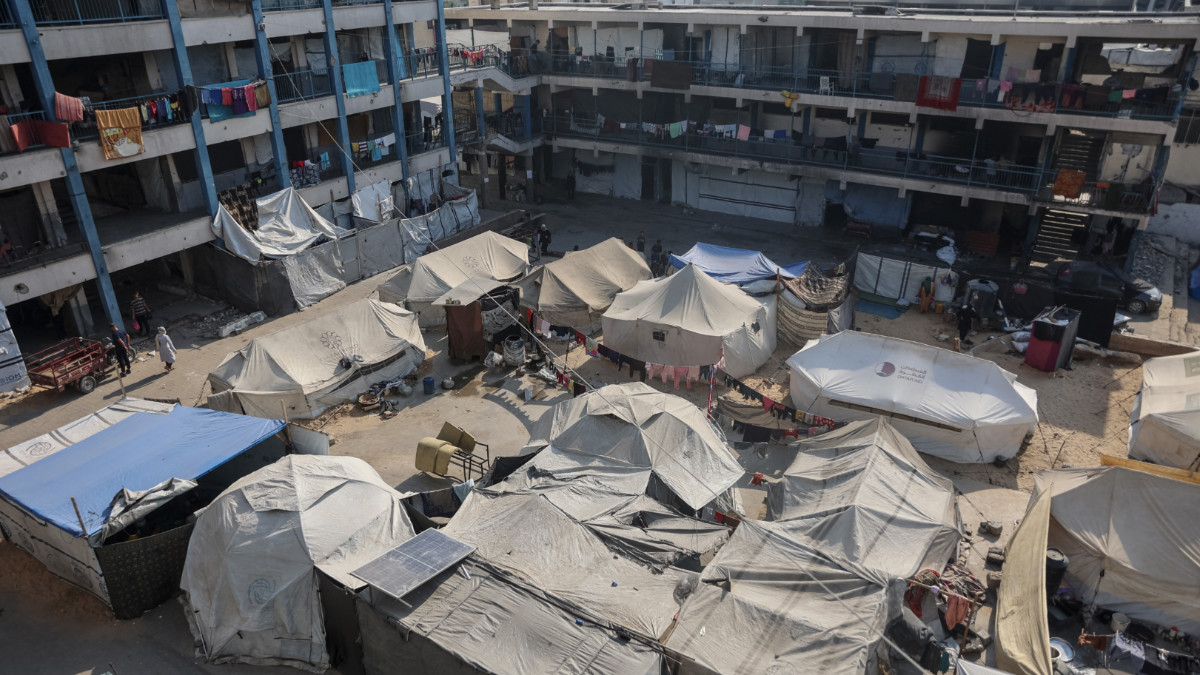
Egypt and Turkey are cautious about language in a US-drafted UN resolution on Gaza, fearing it could lead to forced disarmament of Hamas. Egypt prefers a focus on weapons decommissioning and negotiations, while Turkey opposes the force acting as an occupation enforcer. The resolution involves an international stabilisation force, with mixed support and concerns over legitimacy and oversight, amid ongoing tensions and negotiations.
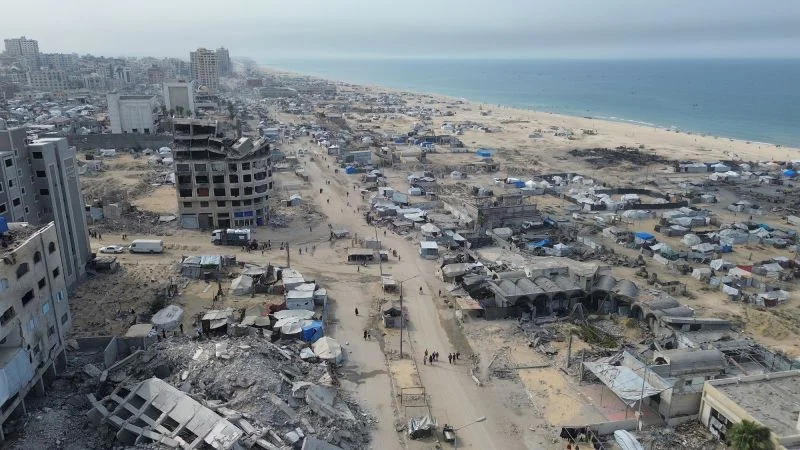
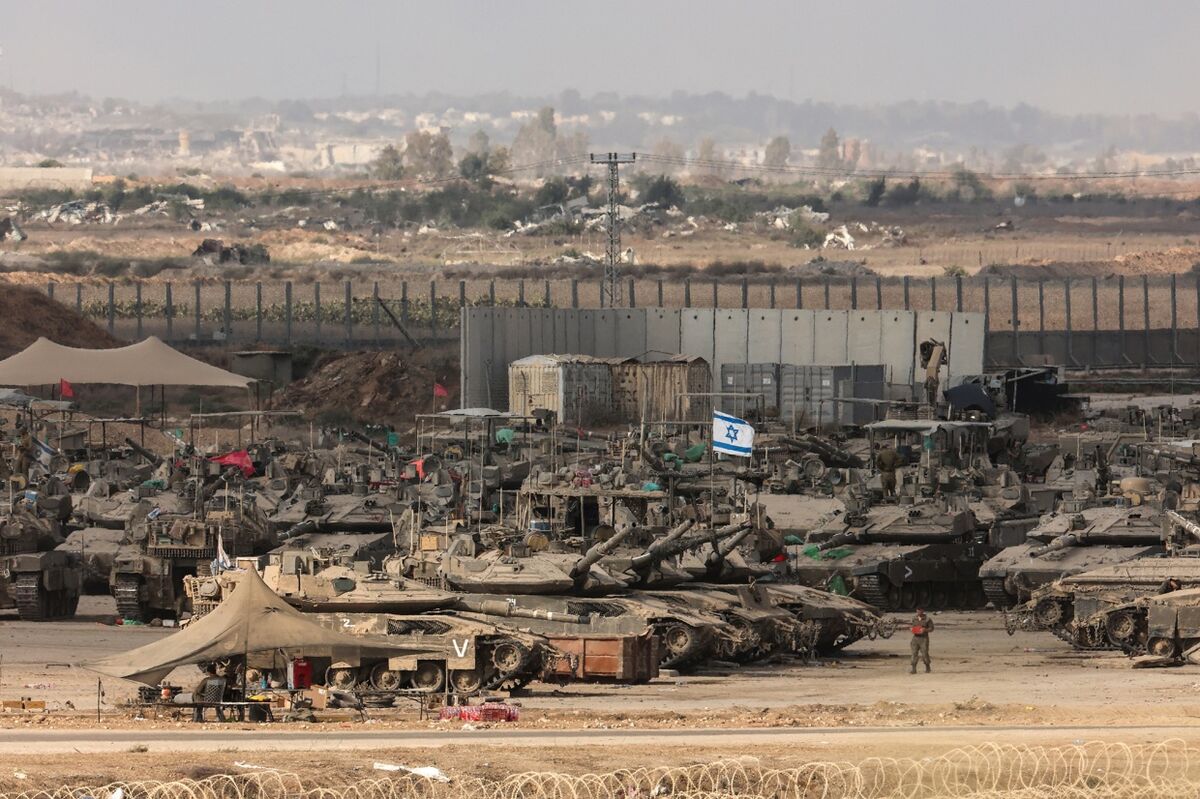
The Trump administration is working on a UN Security Council resolution to deploy a multinational force to Gaza aimed at demilitarizing the enclave and training a new Palestinian police force, with US coordination outside Gaza and potential participation from various nations, including Turkey, depending on the UN mandate and resolution details.
A UN Security Council resolution to establish an international stabilisation force in Gaza is expected within two weeks, facing potential delays over mandate disputes, US leadership, and Israeli troop withdrawal, amid ongoing violence and international discussions on the force's composition and role.
Germany plans to support a France-led UN resolution advocating for a two-state solution to the Israeli-Palestinian conflict, including the creation of a Palestinian state and a refugee right of return, while not recognizing Palestinian statehood at this time, amid regional tensions and recent violence.
Iran announced it is activating new advanced centrifuges for uranium enrichment following criticism from the UN's International Atomic Energy Agency (IAEA) over its lack of cooperation. This move comes after the IAEA passed a resolution urging Iran to improve its cooperation, which Iran claims is politically motivated. Despite Iran's insistence that its nuclear program is for peaceful purposes, concerns remain about its potential to develop nuclear weapons. The situation follows Iran's gradual withdrawal from the 2015 nuclear deal after the US reimposed sanctions in 2018.
Argentina was the only country to vote against a UN resolution aimed at combating online violence against women and girls, citing concerns over ambiguous terms like "hate speech" and "misinformation" that could restrict freedom of expression. President Javier Milei, a critic of the UN, argues that the resolution aligns with an ideological agenda. This vote follows Argentina's recent opposition to another UN resolution on indigenous rights. Milei's administration has implemented controversial social and economic policies, including changes affecting abortion access and LGBTQ rights.
Serbia's harsh reaction to the UN resolution commemorating the 1995 Srebrenica genocide stems from its perception of the resolution as part of a broader Western political offensive against Serbia. The Serbian government fears the resolution could be misused to implicate the Serbian nation and the Republika Srpska in the genocide, despite the resolution's text not attributing collective responsibility. The issue is further complicated by Serbia's strained relations with the EU and the US, its stance on the Ukraine war, and ongoing regional tensions involving Bosnia and Kosovo.
The UN General Assembly's vote to recognize July 11 as the "International Day of Reflection and Commemoration of the Genocide in Srebrenica" has sparked controversy, with the Biden administration's support seen as exacerbating tensions in Bosnia. The resolution, which passed with 84 votes in favor, has been criticized by Bosnian Serbs and their allies, including Russia and China, for ignoring Serb victims and potentially destabilizing the region. The situation raises concerns about possible secession by Republika Srpska and the involvement of major powers like Russia and China, echoing historical conflicts in the Balkans.
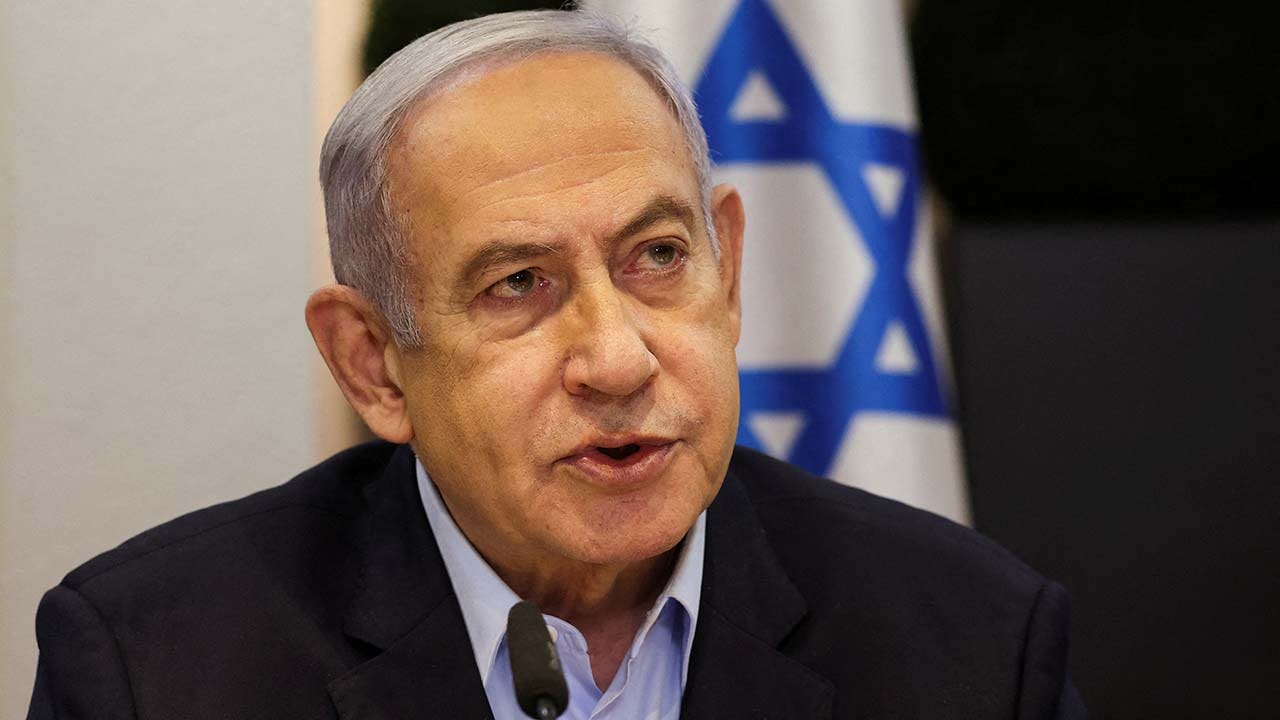
Israeli Prime Minister Benjamin Netanyahu will undergo hernia surgery under full anesthesia on Sunday night after being diagnosed during a routine checkup. The operation will be performed at a hospital, and Netanyahu will be unconscious during the procedure. Deputy Prime Minister Yariv Levin will act as the prime minister during this time. Netanyahu's health has been a topic of concern, as he underwent surgery last year to have a pacemaker implanted. Tensions between the U.S. and Israel have been growing, with Netanyahu canceling a delegation's trip to Washington after the Biden administration did not veto a U.N. resolution calling for a cease-fire in Gaza.
The US is set to propose a UN resolution calling for an immediate ceasefire in Gaza, as the conflict between Israel and Hamas continues to escalate. This move comes after President Biden faced increasing pressure to take a more active role in addressing the situation, which has resulted in significant civilian casualties and destruction.
EU leaders have called for an immediate humanitarian pause leading to a sustainable cease-fire in Gaza, as the US plans to bring forward a UN draft resolution for a cease-fire. The EU's unified stance comes after 166 days of Israel's operations in Gaza, which have resulted in a humanitarian tragedy, including a risk of famine and the deaths of thousands of Palestinians. The US resolution calls for an immediate and sustained ceasefire lasting around six weeks to protect civilians and allow for the delivery of humanitarian aid.
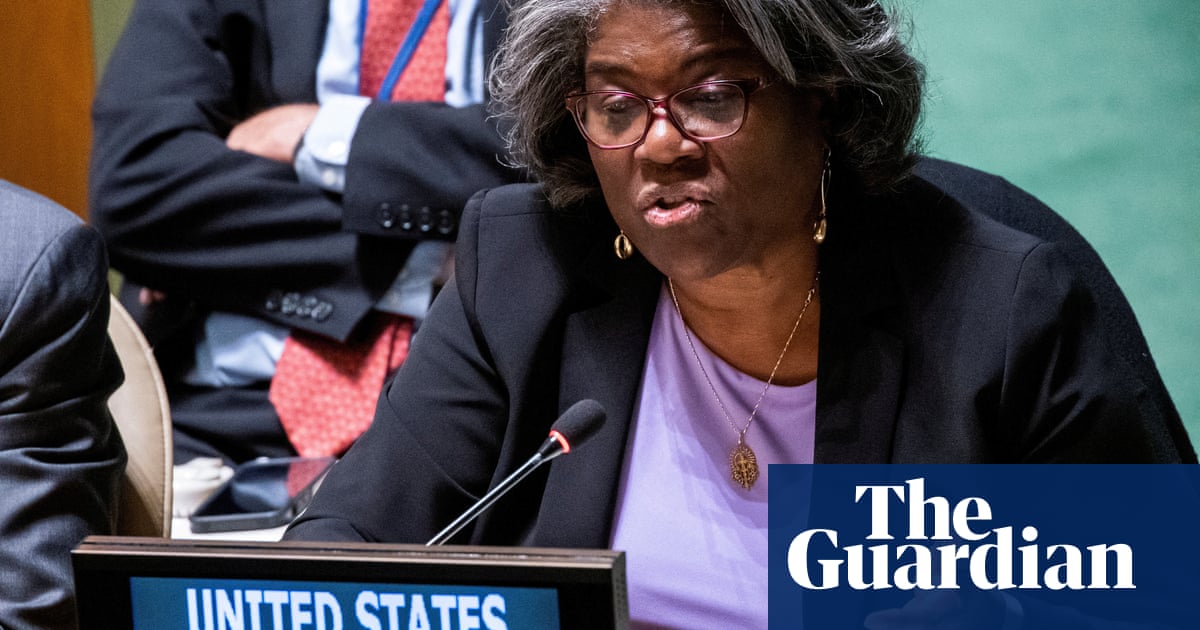
The US has announced its readiness to support an amended UN Security Council resolution aimed at increasing humanitarian aid to Gaza, following negotiations and significant changes to the original draft. The revised resolution removes the call for an "urgent suspension of hostilities" and instead appeals for immediate safe and unhindered humanitarian access, as well as creating conditions for a sustainable cessation of hostilities. The resolution also calls for the appointment of a senior humanitarian and reconstruction coordinator responsible for facilitating, coordinating, monitoring, and verifying aid shipments to Gaza. The US argues that the changes make the resolution stronger, but it remains uncertain whether other council members, particularly Russia, will accept the amendments.
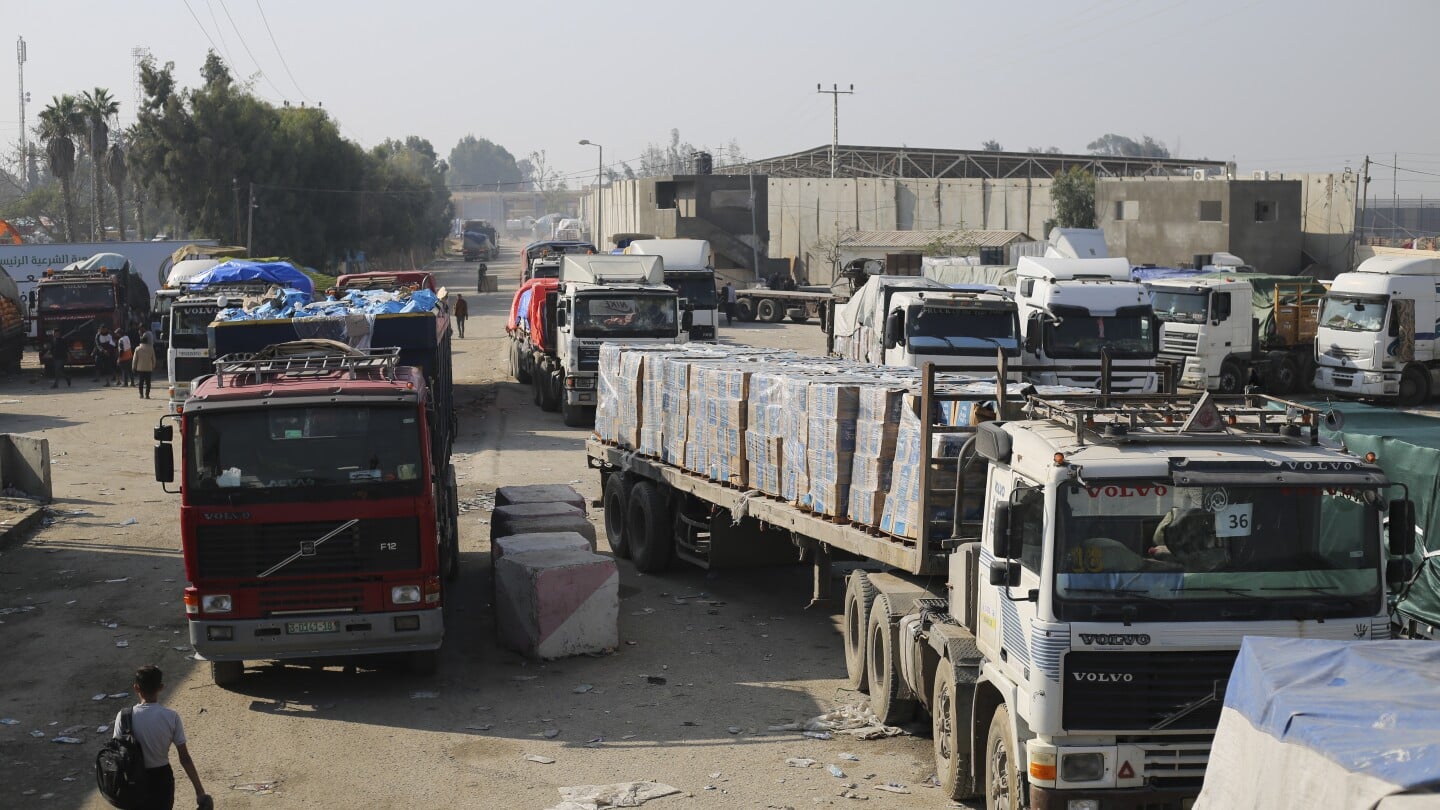
The adoption of a new UN resolution to provide aid to Gaza has been delayed due to two issues important to the United States: a reference to a cessation of hostilities and putting the UN in charge of inspecting trucks carrying humanitarian goods. The US has opposed language on a cessation of hostilities in the past, and there are concerns about bypassing Israeli inspections of aid. The resolution also calls for monitoring aid deliveries to Gaza. The US vetoed a previous resolution for an immediate humanitarian cease-fire in Gaza, and Israel has called for recognition of its right to self-defense.
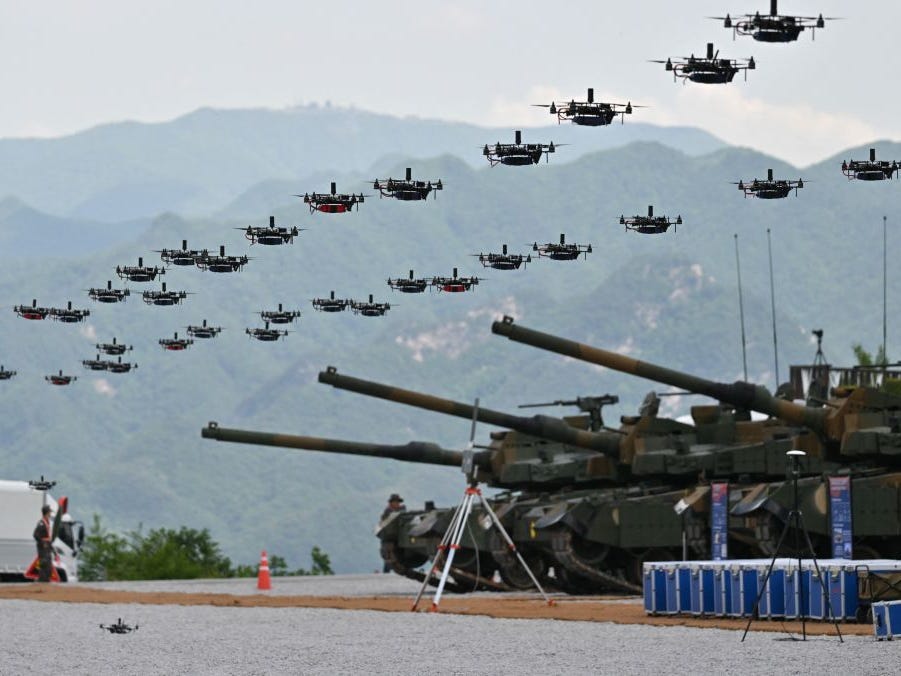
The Pentagon is moving closer to deploying AI-controlled drones that can autonomously decide to kill human targets, a development that critics argue is concerning and hands life and death decisions to machines without human input. Countries like the US, China, and Israel are developing these so-called "killer robots," while several governments are lobbying for a binding UN resolution to restrict their use. However, the US, along with Russia, Australia, and Israel, is resisting such a move and prefers a non-binding resolution. The Pentagon aims to deploy swarms of AI-enabled drones to offset China's military advantage, with officials emphasizing the need for lethal decision-making capabilities under human supervision.