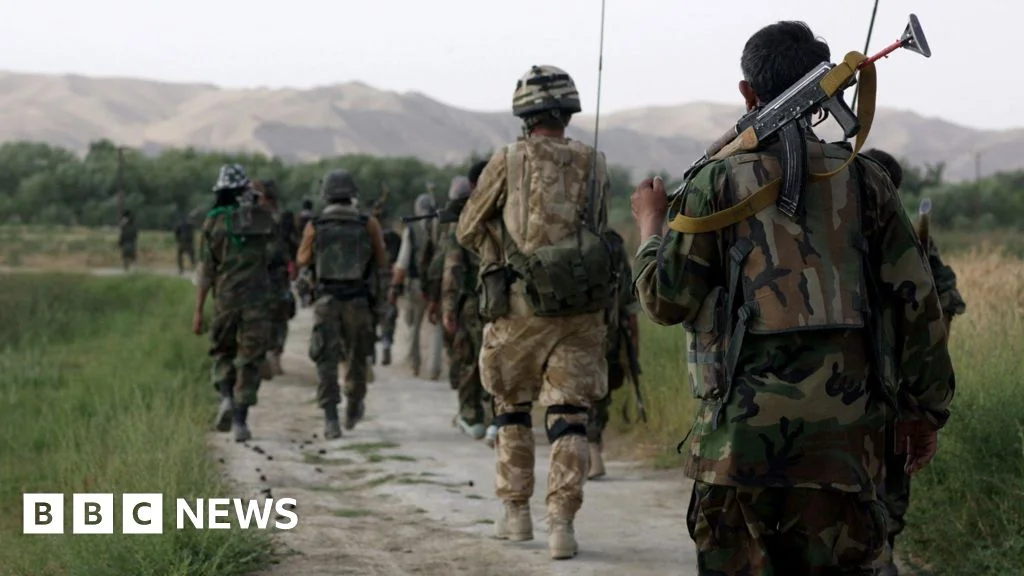
The UK Parliament's intelligence watchdog is launching an inquiry into a major data breach that exposed the identities of thousands of Afghans and British officials, which was only discovered in August 2023 and led to a super-injunction to prevent disclosure, prompting concerns over government handling and accountability.
Heavy losses of senior Russian military officers, including the recent killing of Major General Mikhail Gudkov, are undermining command and control within the Russian armed forces, potentially contributing to operational difficulties in Ukraine.
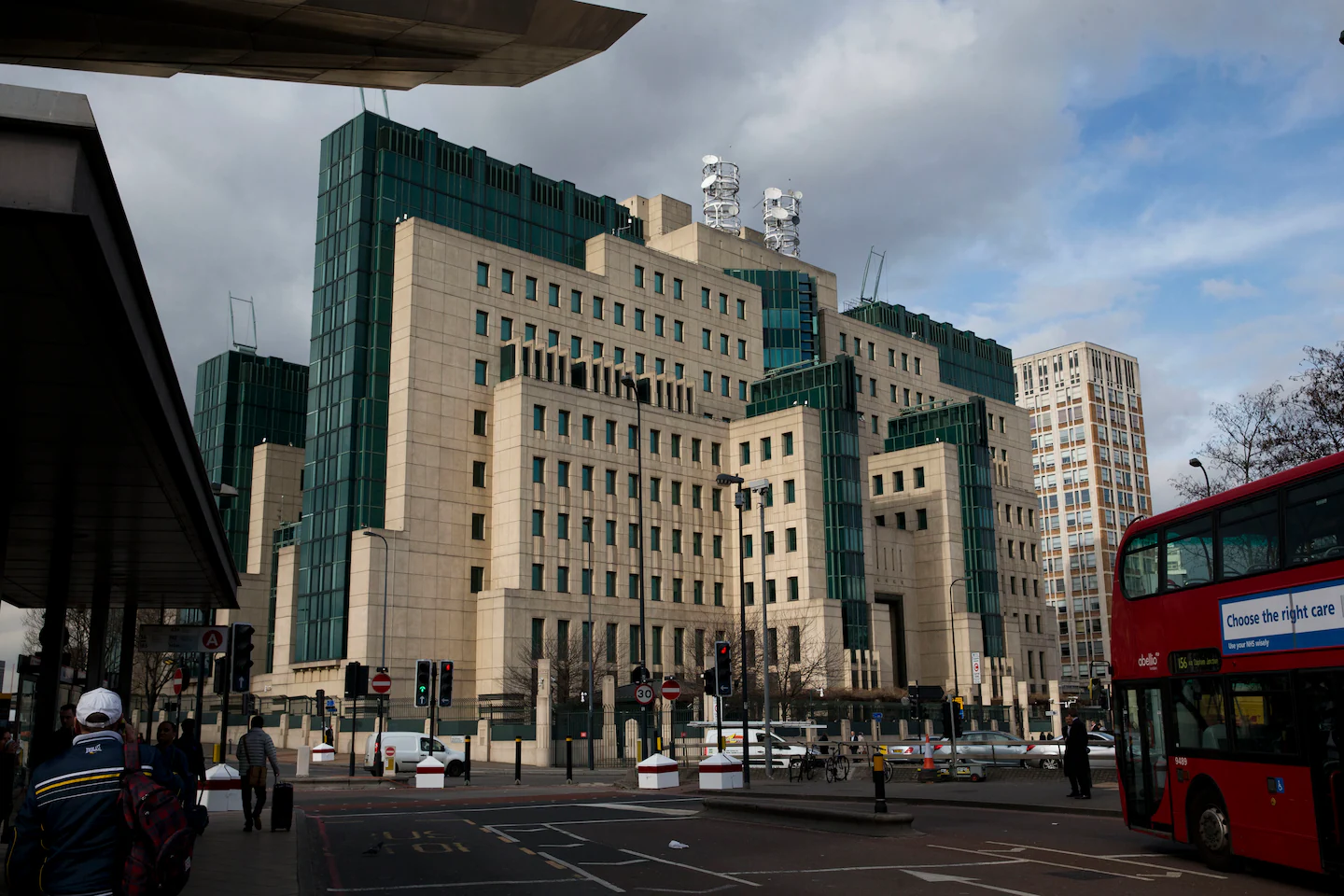
Blaise Metreweli has been appointed as the first woman to lead MI6, marking a historic milestone for the UK intelligence agency amid ongoing global conflicts and threats, with her extensive experience in technology and Middle East operations. She succeeds Richard Moore and aims to strengthen UK intelligence efforts during a period of international tension.
The head of Britain's MI6, Richard Moore, has accused Russia of conducting a 'staggeringly reckless' sabotage campaign against Ukraine's Western allies, warning that a Russian victory in Ukraine would threaten both American and European security. Moore emphasized the collaboration between British and French intelligence to manage the risks posed by Russia's aggressive actions, including disinformation and sabotage. He highlighted the potential global security implications if Russia succeeds, suggesting that it could embolden countries like China, North Korea, and Iran. Moore also addressed concerns about U.S. support under a potential Trump administration, affirming the strength of the U.S.-U.K. intelligence alliance.
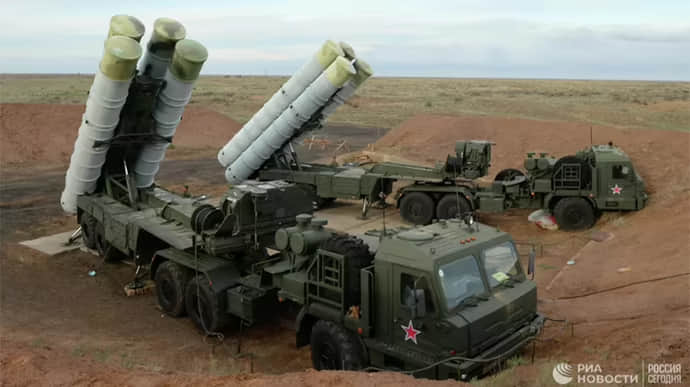
UK Defence Intelligence suggests that Russia has moved strategic air defense systems from Kaliningrad Oblast to replace those lost in the war with Ukraine. The movements were observed through exceptional Russian transport aircraft activity in November 2023. This relocation highlights the strain the war has placed on Russia's key capabilities, as Kaliningrad is seen as a strategically sensitive region due to its proximity to NATO member states.
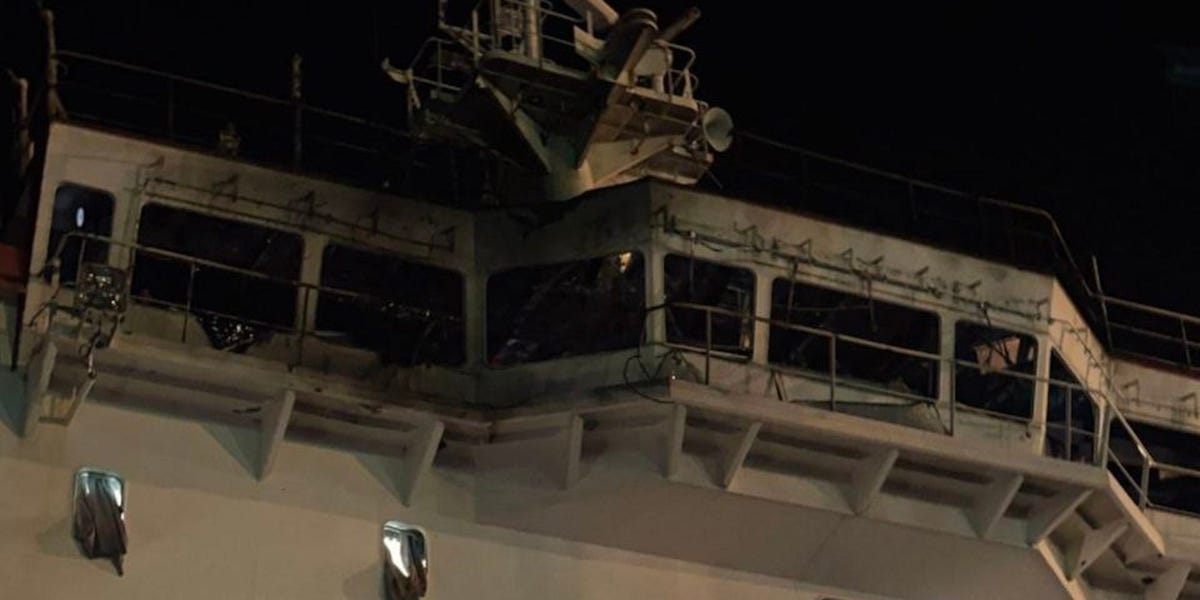
UK intelligence suggests that Russia may have struck a civilian ship in a Ukrainian port with a missile due to "poor weapons employment tactics." The missile, likely an AS-17 KRYPTON, may have locked onto the ship's radar while targeting Ukrainian military radars in the area. The attack resulted in the death of a harbor pilot and injuries to three crew members and a port worker. Russia has been targeting Ukraine's ports as part of its ongoing invasion, causing global food prices to rise.
UK intelligence warns that a further increase in military spending in Russia will force the government to make difficult decisions, such as freezing spending on education and health, which will lead to a real reduction in these sectors due to inflation. The government will need to allocate more funds for the increasing number of wounded soldiers and families of those killed in the war against Ukraine. The constant increase in military spending is likely to contribute to inflationary pressure and increase financial strain on Russian businesses. However, reducing military spending could eliminate the main driver of Russian economic activity in the face of sanctions. UK intelligence estimates that Russia has suffered significant losses in dead and seriously wounded personnel, with up to 290,000 people affected.
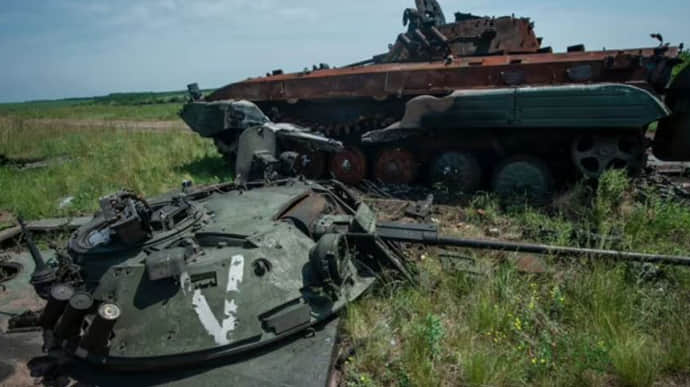
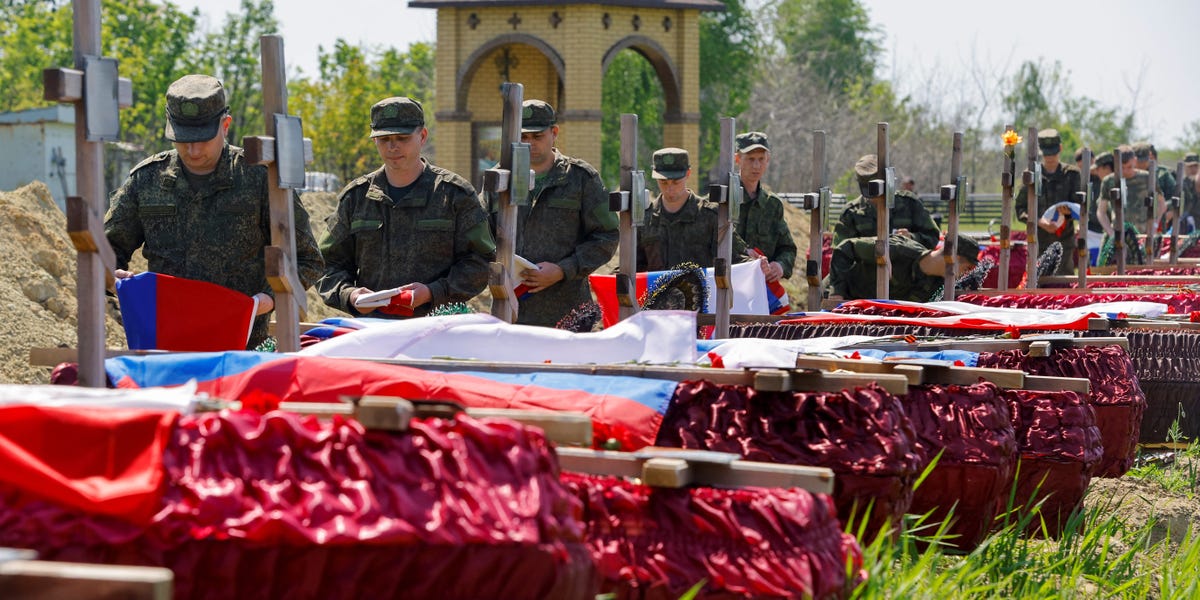
UK intelligence reports that Russia has likely suffered up to 480,000 casualties in the war against Ukraine, including 150,000-190,000 killed or permanently injured and 240,000-290,000 temporarily wounded. In a desperate attempt to replenish its manpower, Moscow is sending injured soldiers back into battle. The mounting losses are unlikely to deter Russian President Putin, and Russia's ability to defend held territory and conduct costly assaults depends on the number of personnel. Ukrainian soldiers have also suffered heavy casualties, with a shocking number of amputees due to Russia's reliance on mines and artillery.
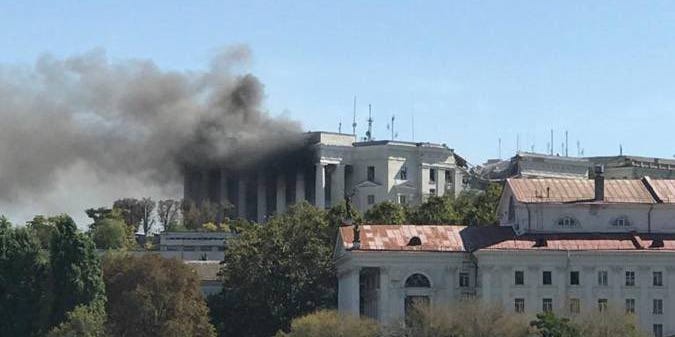
Ukrainian attacks on Russia's Black Sea Fleet have intensified, causing significant damage and potentially diminishing Moscow's ability to defend its assets, according to UK intelligence. The attacks, including missile strikes on the fleet's headquarters, have been described as more coordinated and damaging than previous actions. While the fleet remains capable of core wartime missions, its ability to conduct wider regional security patrols and enforce a blockade of Ukrainian ports is likely to be diminished. The ongoing conflict in the Black Sea is forcing Russia into a reactive posture and undermining its symbolic and strategic power projection from the occupied Crimean Peninsula.
Russia may authorize a six-day workweek without additional pay to meet the economic demands of the war effort, according to UK intelligence. State-backed media and business groups have petitioned the Economic Ministry for the change, and leading propagandist Margarita Simonyan has suggested citizens work two extra hours in munitions factories each day. The UK intelligence notes that the evolving tone of the conversation echoes a Soviet-type sense of societal compulsion and highlights the leadership's likely identification of economic performance as a decisive factor in winning the war.
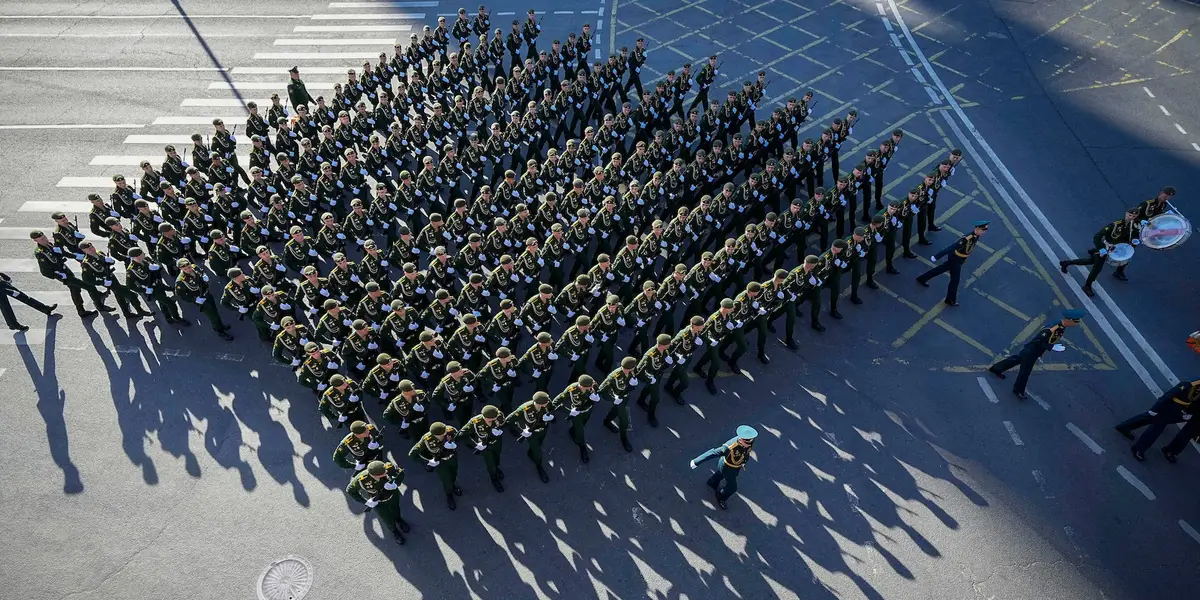
The soldiers who marched in Russia's Victory Day Parade were not actual combat troops, according to UK intelligence. The majority were auxiliary, paramilitary, and cadets from training camps. The parade featured only one old tank, no aircraft, and a few reluctant world leaders. Available deployable troops are likely already stationed in Ukraine.
Russia is building defenses hundreds of miles away from its borders with Ukraine, fearing a counteroffensive that could push into Russian territory, according to UK intelligence. Ukraine is preparing a counteroffensive, but it is unlikely to invade Russia. The defenses far from the front line might be more of a propaganda effort to harden the population's resolve by making them think the Ukrainian military could come close to their homes. Russia has also been fortifying defensive lines inside occupied Ukrainian territory, much closer to the fighting.
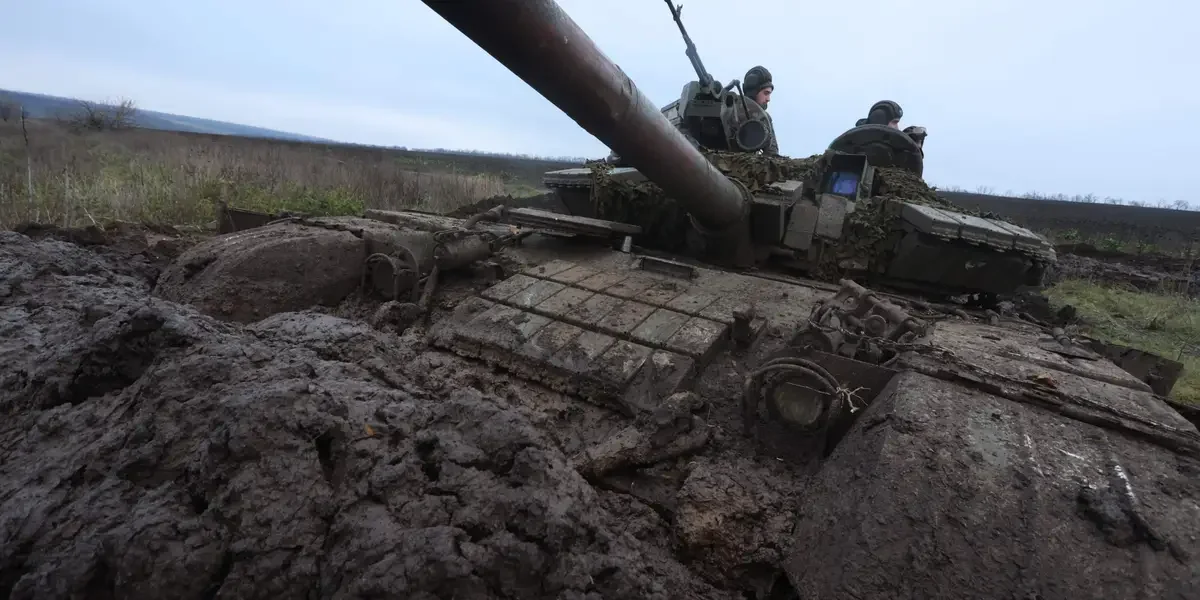
UK intelligence reports that Russian media is exaggerating the impact of mud on Ukrainian forces to raise the morale of Russian soldiers and undermine Ukraine's supporters. Both sides are facing difficulties due to severe mud conditions, but Russian outlets are spreading unverified videos and pictures to show Ukrainian tanks getting bogged down. Russian state-affiliated outlets are claiming that Russian forces have captured a German-made Leopard tank in mud and drowned it in a swamp.
Russia's plan to recruit 400,000 more volunteer soldiers is unlikely to succeed, and authorities may have to coerce people into signing up, according to UK intelligence. The UK MOD said that Russia wants it to appear like people volunteered "in order to minimise domestic dissent." The expected recruitment drive would be the second mass mobilization that Russia has undertaken since it launched its invasion of Ukraine in February 2022.
UK intelligence suggests that Russia's new offensive in Ukraine, which began last month, has likely fizzled out due to depleted combat power. Russian forces have been unable to sustain even local offensive actions. The battle for Bakhmut has raged on for months, with intense fighting and small tactical advances by the Russians at great cost. The somewhat slower pace of Russian attacks in and close to Bakhmut suggests that the Wagner Group's offensive in the area is likely nearing culmination.