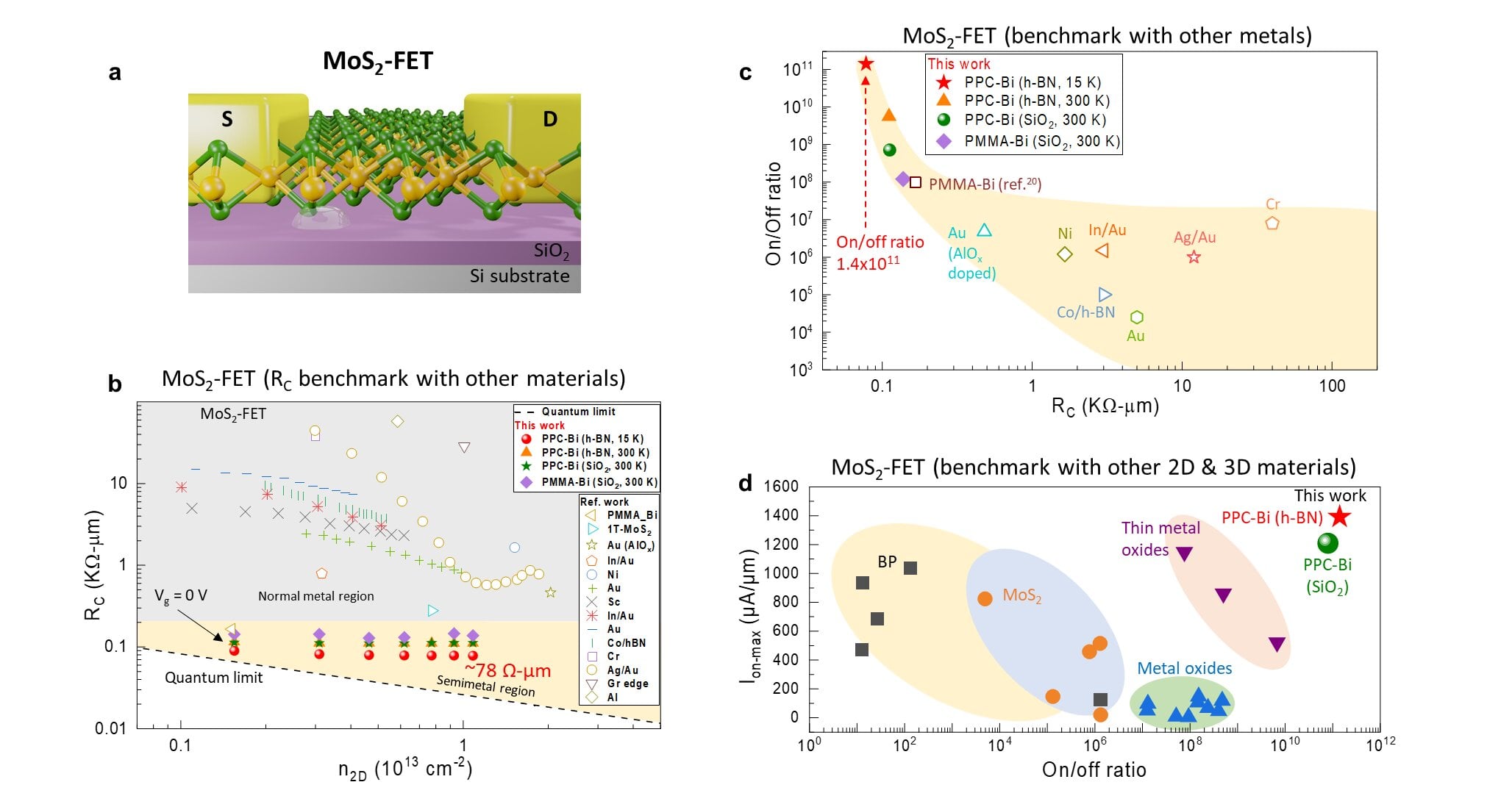
Researchers from the Institute for Basic Science in South Korea have made a breakthrough in the fabrication of field-effect transistors (FET) by successfully using polypropylene carbonate (PPC) for residue-free wet transfer. This method allows for the production of wafer-scale two-dimensional transition metal dichalcogenides (TMDs) without the introduction of residues or wrinkles. The FET device built using this technique exhibited high electrical performance, surpassing previously reported values. The researchers believe that this technology can be easily implemented using existing integrated circuit manufacturing processes, opening up possibilities for beyond-silicon-based semiconductor technologies.
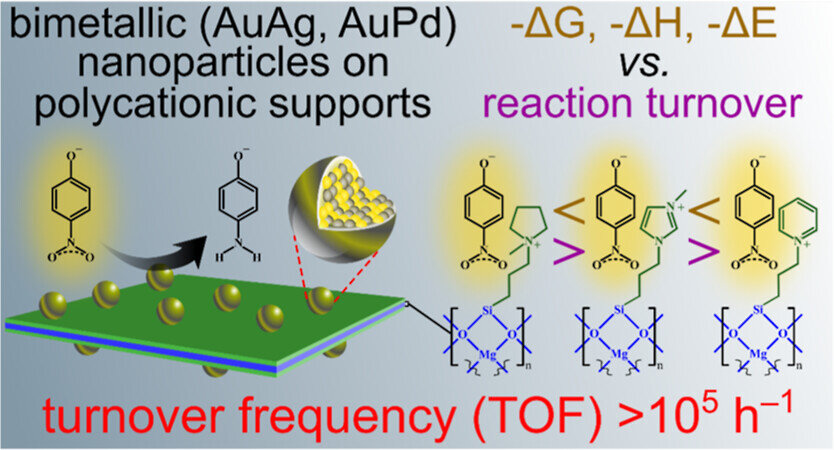
Researchers at the University of Missouri have developed nanoclays, microscopic materials made of clay, that have electrically charged surfaces and can be customized with different chemical components. These nanoclays can be used in various applications, such as biomedical imaging, environmental science, and explosive detection. The two-dimensional nature of nanoclays allows them to coat objects with thin layers, introducing different surface properties. The researchers believe that nanoclays have immense potential for creating new chemical building blocks with specific functions.
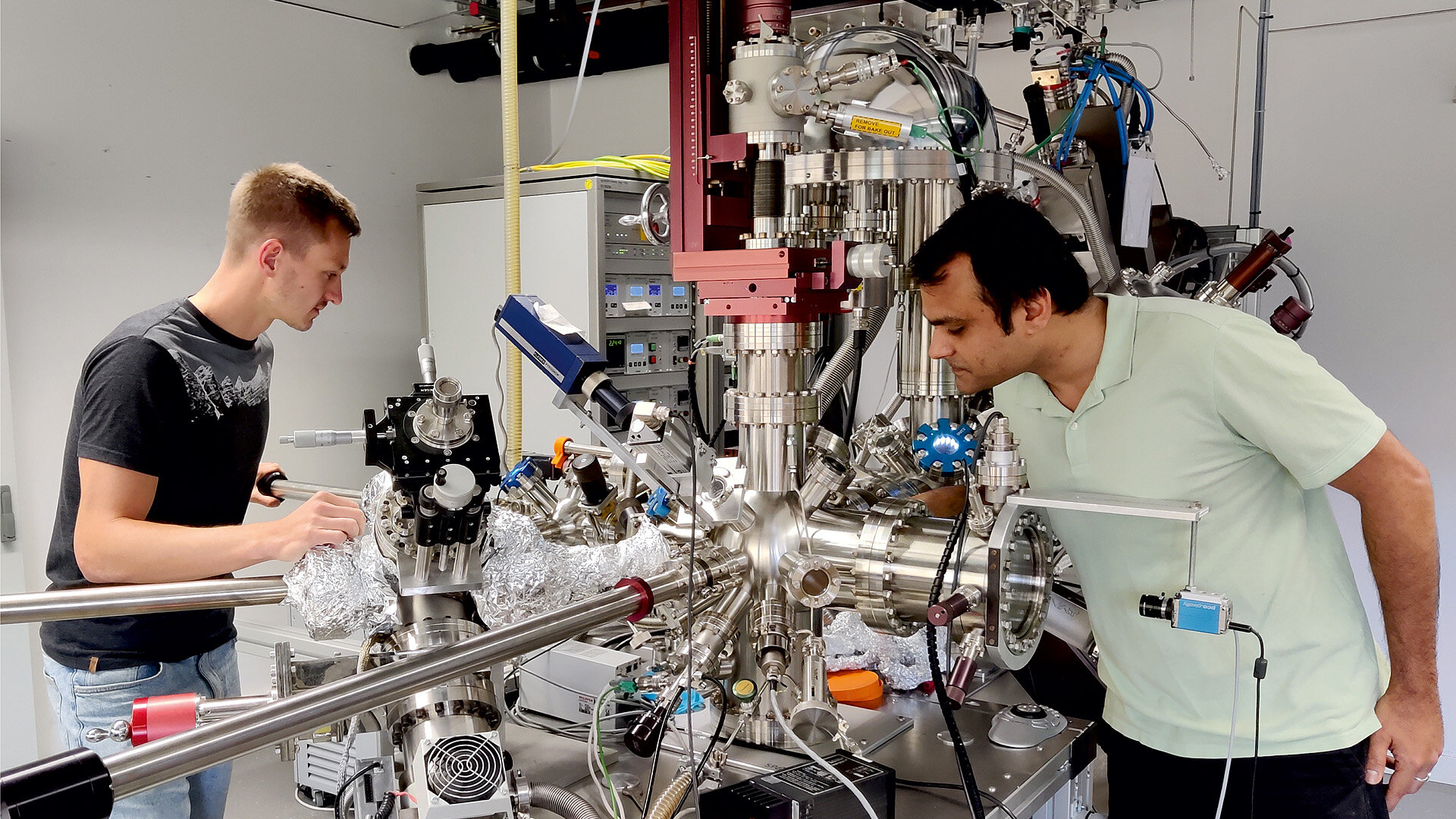
Researchers have developed a method for synthesizing and analyzing two-dimensional lead layers, providing a comprehensive understanding of their structures. The controlled coupling of functionalized graphene to these lead layers opens up possibilities for investigating and controlling correlation effects and mesoscopic phenomena in 2D materials, such as superconductivity and novel magnetic phases. The research has implications for the development of electronic systems and quantum materials for quantum computing.
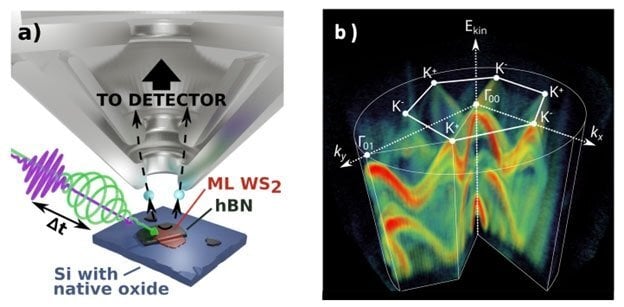
Scientists have developed a new approach to create separate images of individual quantum states in two-dimensional crystals of tungsten disulfide (WS2) using a technique called time-resolved momentum microscopy. By tracking the individual quantum states, researchers showed that the coupling mechanisms that lead to mixing of the states may not fully match current theories. This study provides crucial experimental support for some current theories of exciton coupling in TMDs, but also sheds light on important discrepancies.