The response to Donald Trump's 2024 election victory has been more subdued compared to the massive protests following his 2016 win. Experts suggest this is due to habituation and disillusionment with activism. While some activist groups are adapting their strategies, focusing on local-level training and coalition-building, the overall resistance movement is less mobilized. The upcoming "The People's March" may not match the scale of the 2017 Women's March, reflecting a shift towards targeting specific policies rather than Trumpism as a whole.
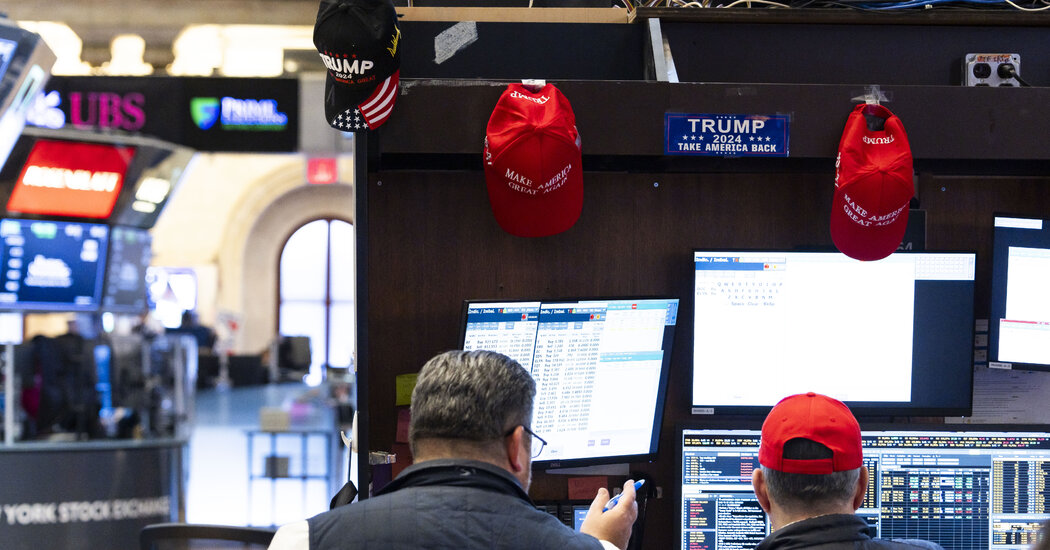
Corporate America is preparing for the possibility of a second term for Donald Trump, anticipating policies that could be favorable to the market and business interests. Companies are strategizing to align with potential economic and regulatory changes that a Trump administration might bring.
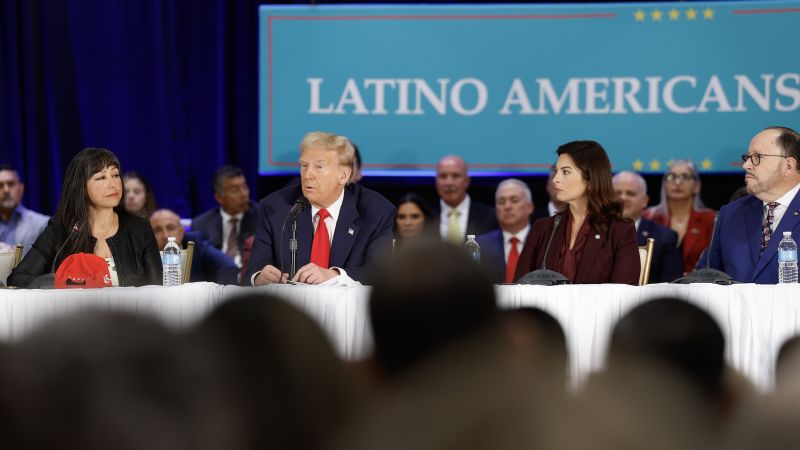
Donald Trump's 2024 presidential victory highlighted significant voter shifts, particularly among Latino and urban voters, which could reshape the American political landscape. Trump made notable gains with Latino voters, especially in Florida and Texas, and improved his standing in urban areas like Detroit and Philadelphia. These shifts pose challenges for the Democratic Party, which saw its coalition fracture, struggling to maintain support in suburbs and rural areas. The results suggest a potential realignment in U.S. politics, with implications for future elections.
In the recent elections, voters in Arizona, Missouri, and Nevada supported abortion rights measures while also voting for Donald Trump, highlighting a complex voter behavior pattern. Despite Vice President Kamala Harris's focus on reproductive rights, economic concerns like cost of living and healthcare were more influential for many voters. The VoteCast survey revealed that while abortion was a significant issue, economic anxiety played a larger role in voter decisions, with Trump appealing to those prioritizing economic issues.
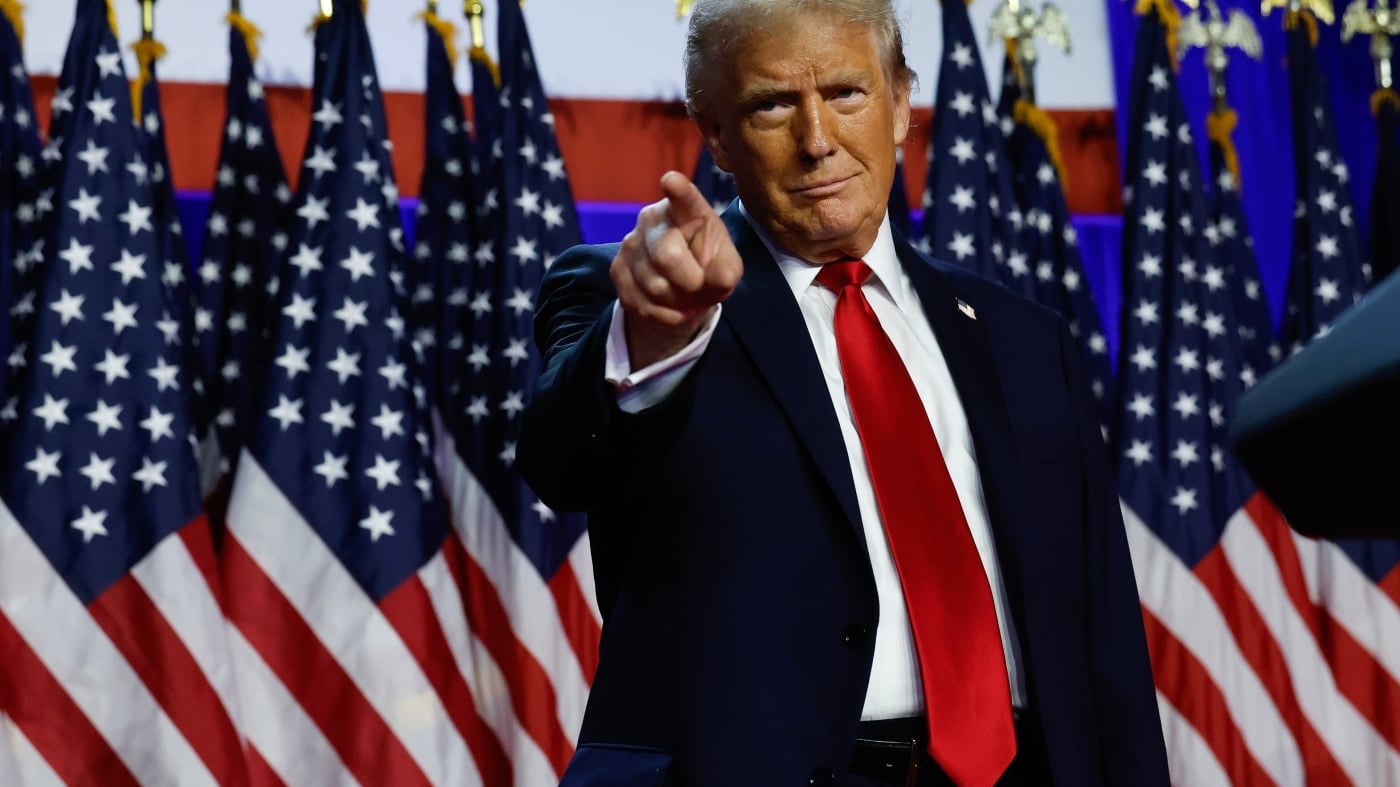
In a surprising 2024 election outcome, Donald Trump not only secured a significant Electoral College victory but is also on track to win the popular vote, marking a historic shift in voter demographics. Key factors in Trump's win included economic dissatisfaction, increased support from white voters, and a notable gender divide, with Trump gaining substantial backing from Latino and younger male voters. Despite higher female voter turnout, Kamala Harris struggled to offset Trump's gains. The election highlighted ongoing challenges for Democrats, particularly in appealing to working-class voters, as they face a period of introspection to regain lost ground.
Catholic reactions to Donald Trump's 2024 election victory are divided along ideological lines, with some praising his win as a triumph for conservative values, while others express concern over his policies on immigration, climate change, and LGBTQ rights. Catholic leaders emphasize the need for civility and collaboration, despite differing views on Trump's controversial stances and legal issues. Trump's victory, marked by support from 56% of Catholic voters, raises questions about the future of American democracy and global climate efforts.
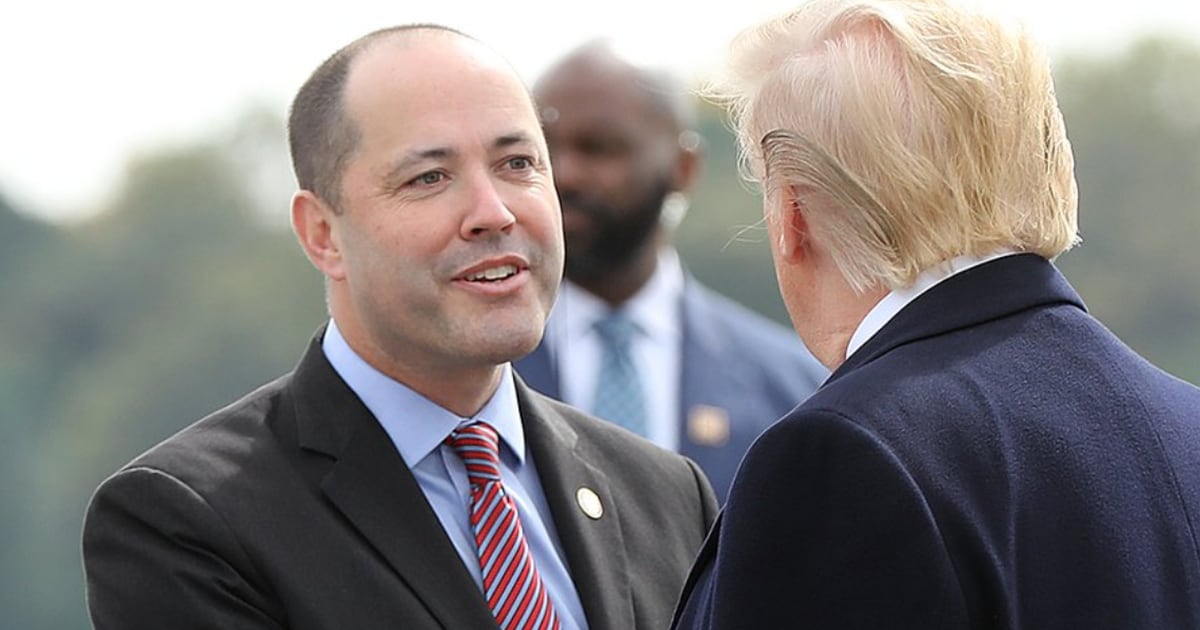
Georgia has joined a coalition of states in a legal effort to ensure former President Donald Trump remains on Colorado's 2024 presidential ballot. This move comes in response to a Colorado Supreme Court decision that barred Trump from the ballot, citing a violation of the U.S. Constitution's insurrection clause. The U.S. Supreme Court is set to hear arguments on February 8, with the outcome potentially affecting Trump's eligibility in other states as well. Georgia Attorney General Chris Carr, who has not been a staunch Trump ally, emphasized the importance of voter determination over judicial intervention in elections. The case has broader implications, as it could set a precedent for future candidate eligibility disputes.
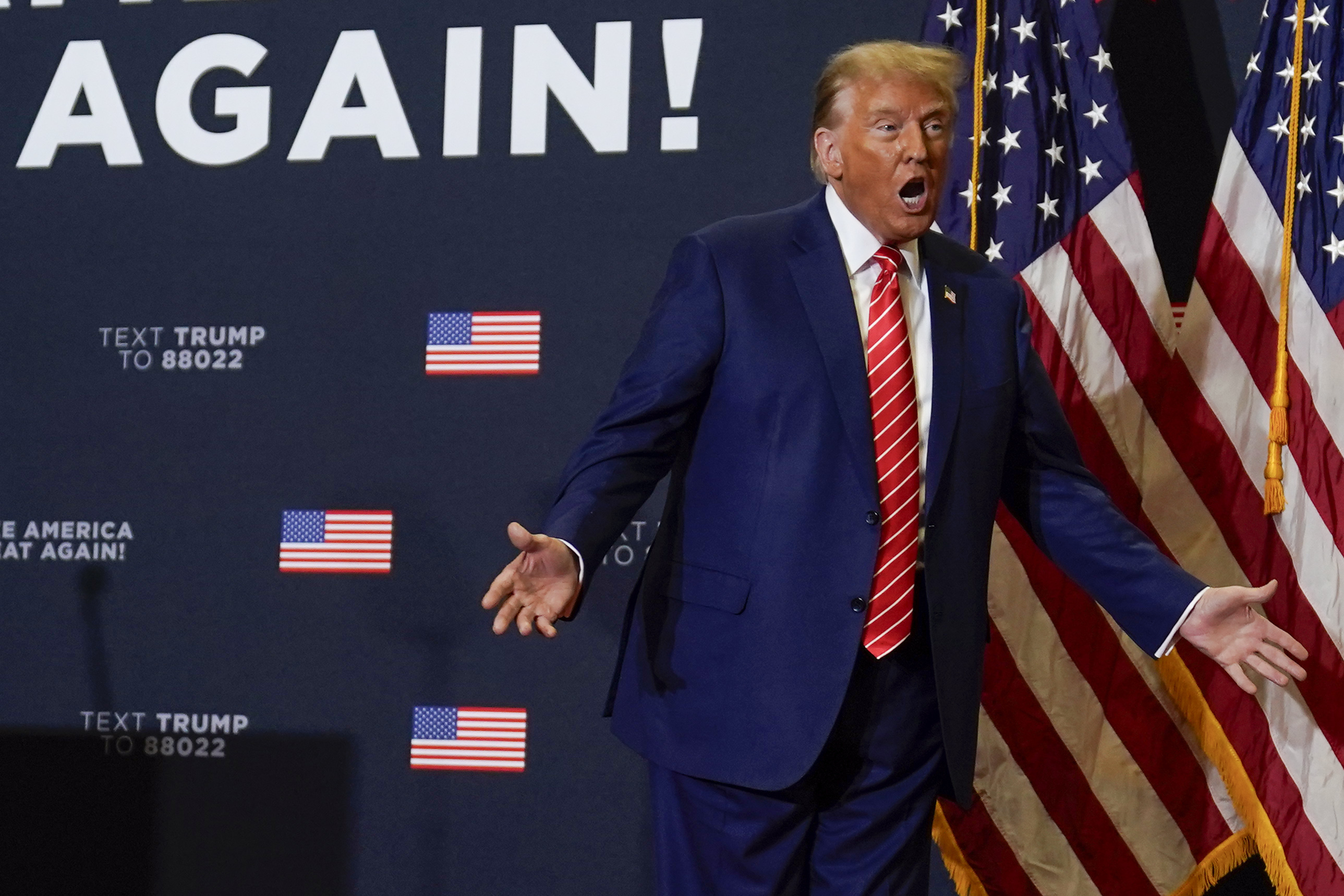
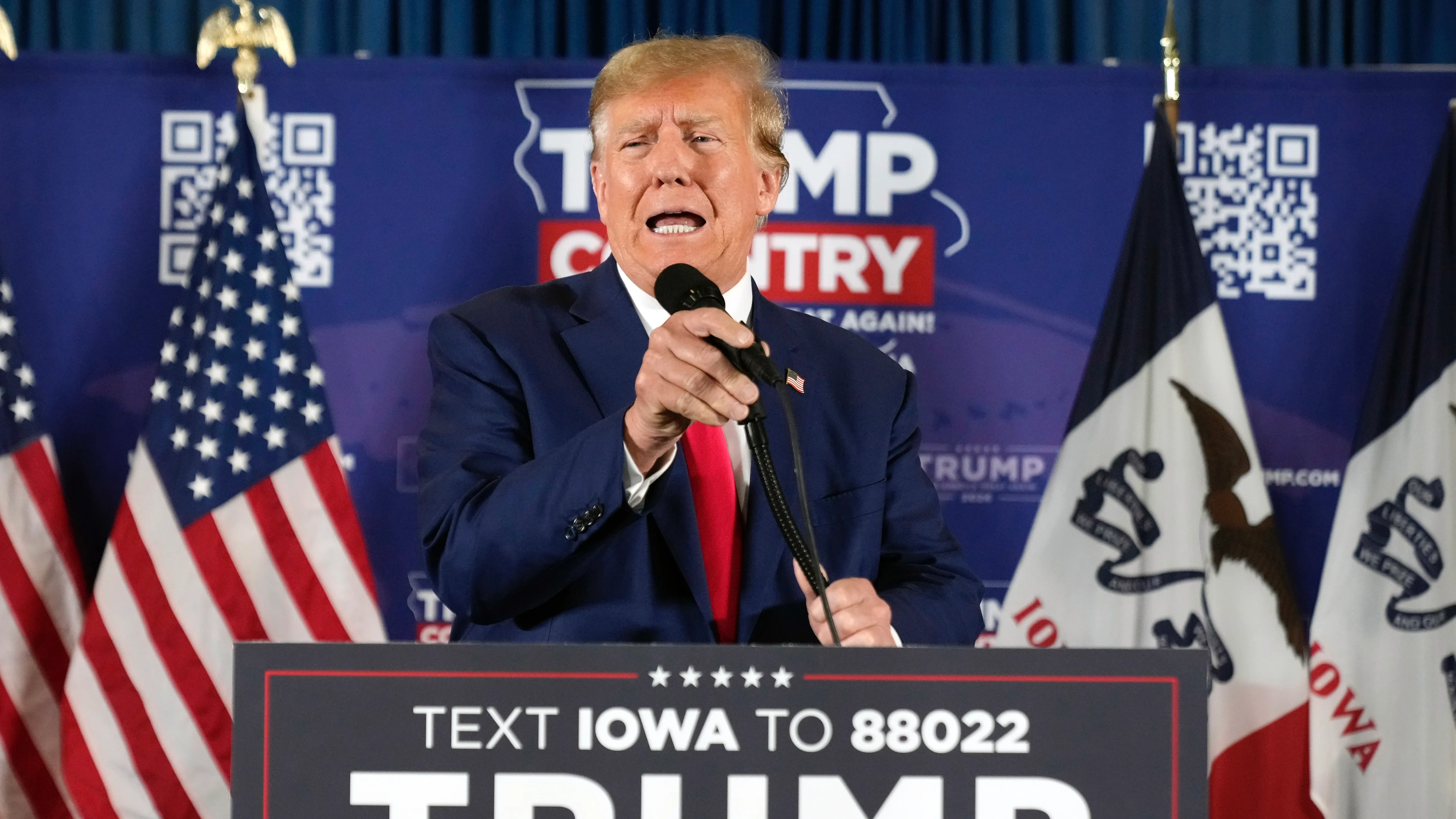
Former President Donald Trump rallied supporters in Clinton, Iowa, ahead of the January 15 caucuses, urging them to vote and not be complacent despite leading in the polls. Trump continued to criticize his GOP rivals and President Joe Biden, while also reiterating false claims about the 2020 election. His campaign is focused on mobilizing first-time caucus-goers to secure an early victory and set the tone for the general election. Trump's speech included familiar themes and he addressed a packed crowd, despite being delayed by plane issues. Some attendees expressed strong support for Trump, emphasizing the importance of participating in the caucuses.
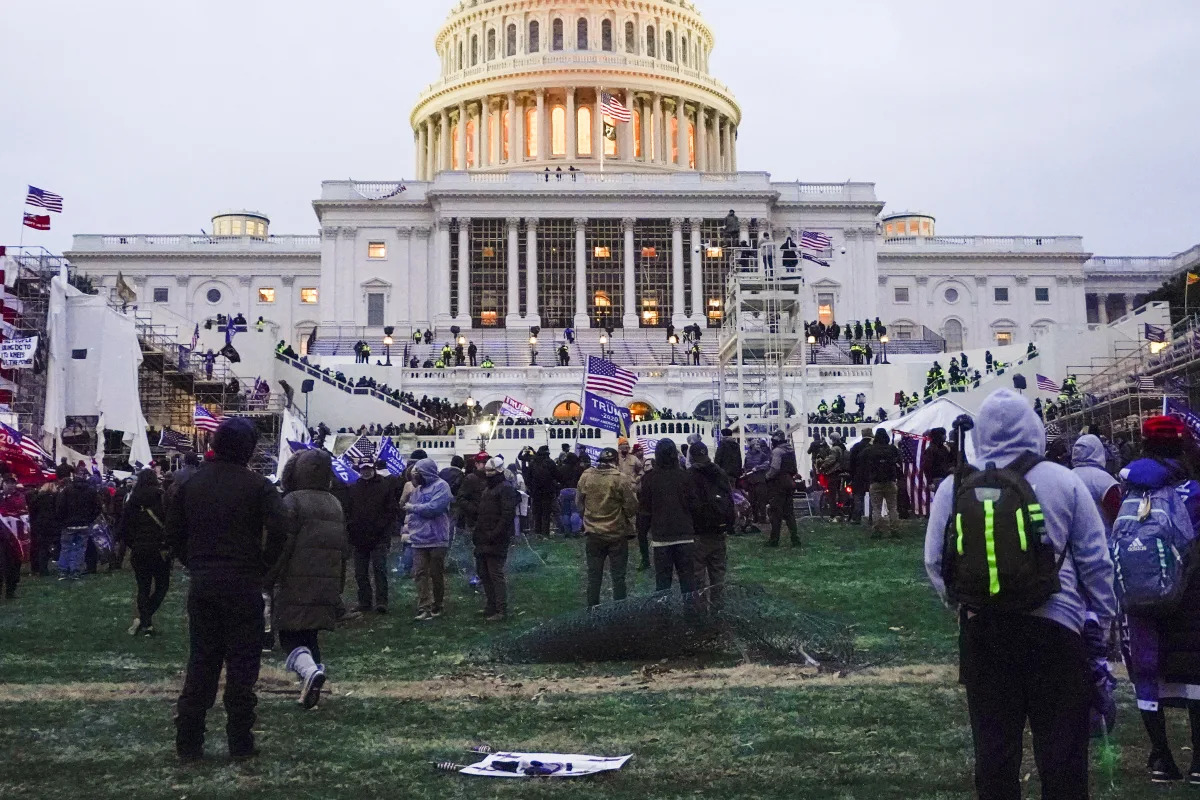
Former President Donald Trump is using the January 6 Capitol riot as a campaign rallying point, downplaying the violence and pledging clemency for those convicted. Despite over 1,265 people being charged and 460 convicted for the riot, Trump continues to claim election fraud and criticize the treatment of the rioters. Meanwhile, President Joe Biden is focusing his campaign on defending democracy, labeling Trump a threat to the nation. As the 2024 presidential race heats up, both Trump and Biden are centering their messages on the events following the 2020 election, with Trump's GOP rivals also weighing in on the January 6 incident.
Former President Donald Trump has overhauled his Iowa caucus strategy to ensure his supporters participate in the voting process. Learning from his 2016 loss to Ted Cruz, Trump's campaign now includes educational videos on caucusing, panel discussions, and incentives like signed hats. With a lighter schedule than in 2016 and amidst legal battles, Trump is focusing on a strong ground game, securing legislative endorsements, recruiting caucus captains, and emphasizing the importance of turnout at his "Commit to Caucus" events. Despite fewer visits and events compared to rivals, Trump's support in Iowa remains strong, and his campaign is working diligently to convert rally excitement into actual caucus votes.
Former President Donald Trump is intensifying his campaign efforts in Iowa, leading the polls with over 50% support ahead of the state's caucuses. Despite facing four indictments, his popularity among Republican voters remains strong. Trump's campaign has a robust ground game, aiming for a decisive victory to quickly secure the GOP nomination and focus on the general election. Florida Governor Ron DeSantis and former UN Ambassador Nikki Haley are competing for second place, with DeSantis predicting a win in Iowa and Haley gaining momentum. Both candidates are managing expectations, with DeSantis aiming for a strong showing and Haley looking to be "strong" in early states. The outcome of the Iowa caucuses is seen as critical for setting the tone for the rest of the nomination race.
As the third anniversary of the Jan. 6 Capitol riot approaches, many Republicans who initially blamed former President Donald Trump for the violence are now endorsing his bid for the presidency in 2024. Trump continues to deny the legitimacy of the 2020 election results and has even suggested pardoning convicted rioters. This shift in support among GOP leaders underscores the deep political divisions and challenges facing American democracy, with Trump facing numerous criminal charges yet still leading the Republican field for the next presidential election.
As the third anniversary of the Jan. 6 Capitol riot approaches, many Republicans who initially blamed former President Donald Trump for the violence are now endorsing his 2024 presidential bid. Trump continues to deny the legitimacy of the 2020 election results and has suggested pardoning convicted rioters, while maintaining support from extremists. This shift in Republican support underscores deep political divisions and raises concerns about the resilience of democratic norms and institutions in the U.S.
As the third anniversary of the Jan. 6 Capitol riot approaches, many Republicans who initially blamed former President Donald Trump for the violence are now endorsing his 2024 presidential bid. Trump, who still contests the 2020 election results and has suggested pardoning convicted rioters, is leading the Republican field despite facing numerous criminal charges. The situation underscores deep divisions and raises concerns about the resilience of U.S. democracy, with some GOP leaders who once criticized Trump now supporting him and even considering roles in a potential future Trump administration.
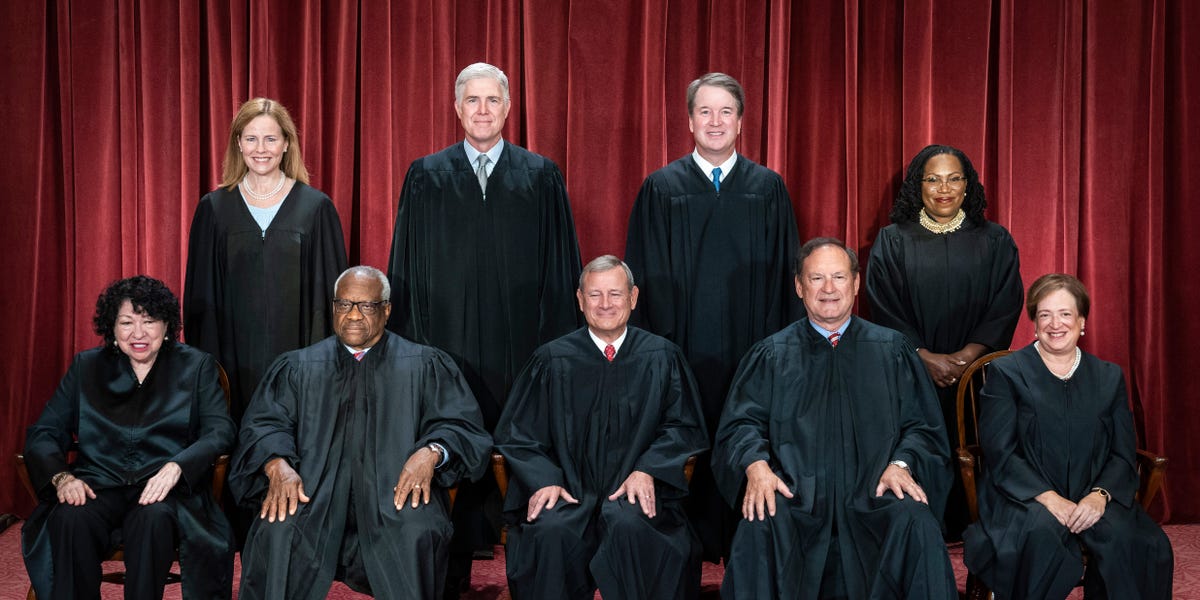
The U.S. Supreme Court is set to review a decision by the Colorado Supreme Court that bans former President Donald Trump from the state's 2024 primary ballot due to allegations of insurrection. Legal experts are uncertain how the Court will rule, with arguments revolving around the interpretation of the 14th Amendment and its application to Trump's actions on January 6, 2021. The Court's decision, which is being expedited with oral arguments scheduled for February 8, could have significant implications for Trump's eligibility in the 2024 presidential election and the broader enforcement of the 14th Amendment.