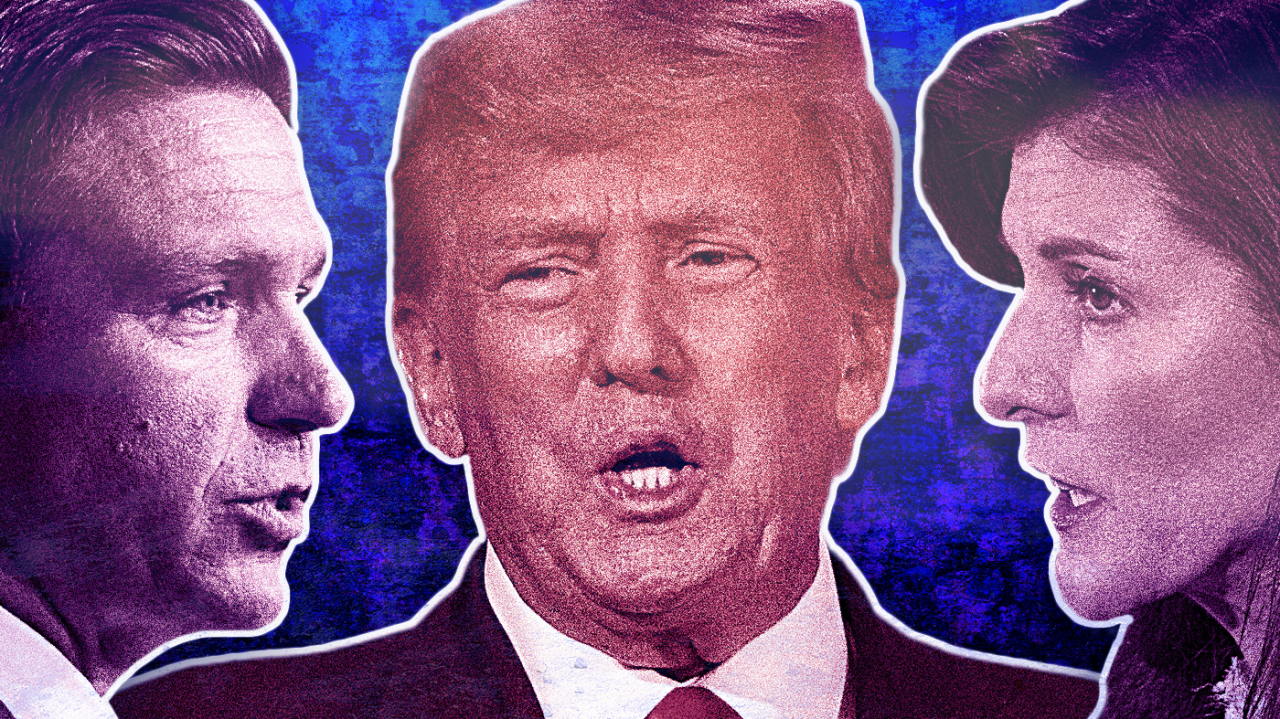
As the GOP primary season intensifies, Ron DeSantis and Nikki Haley have escalated their criticisms of Donald Trump, focusing on his inconsistencies on abortion and unfulfilled campaign promises. Both candidates are attempting to position themselves as the viable alternative to Trump, who maintains a significant lead in the polls. DeSantis criticized Trump's failure to end birthright citizenship and his stance on abortion, while Haley highlighted the chaos associated with Trump and the need for a less divisive candidate. Despite their efforts, some GOP strategists believe these direct attacks may be too little, too late, as Trump's support within the party remains strong.
As the Iowa caucuses approach, former President Donald Trump remains the leading Republican candidate despite facing 91 felony counts across four criminal cases. Trump has intensified his attacks on Nikki Haley, who has gained momentum and financial support, potentially threatening his lead. Both Haley and Florida Governor Ron DeSantis are vying for second place, often attacking each other in a race that has seen massive spending on advertisements and campaign efforts. Trump's legal troubles have only bolstered his support among Republicans, and his campaign strategy aims for early decisive victories to secure the nomination.
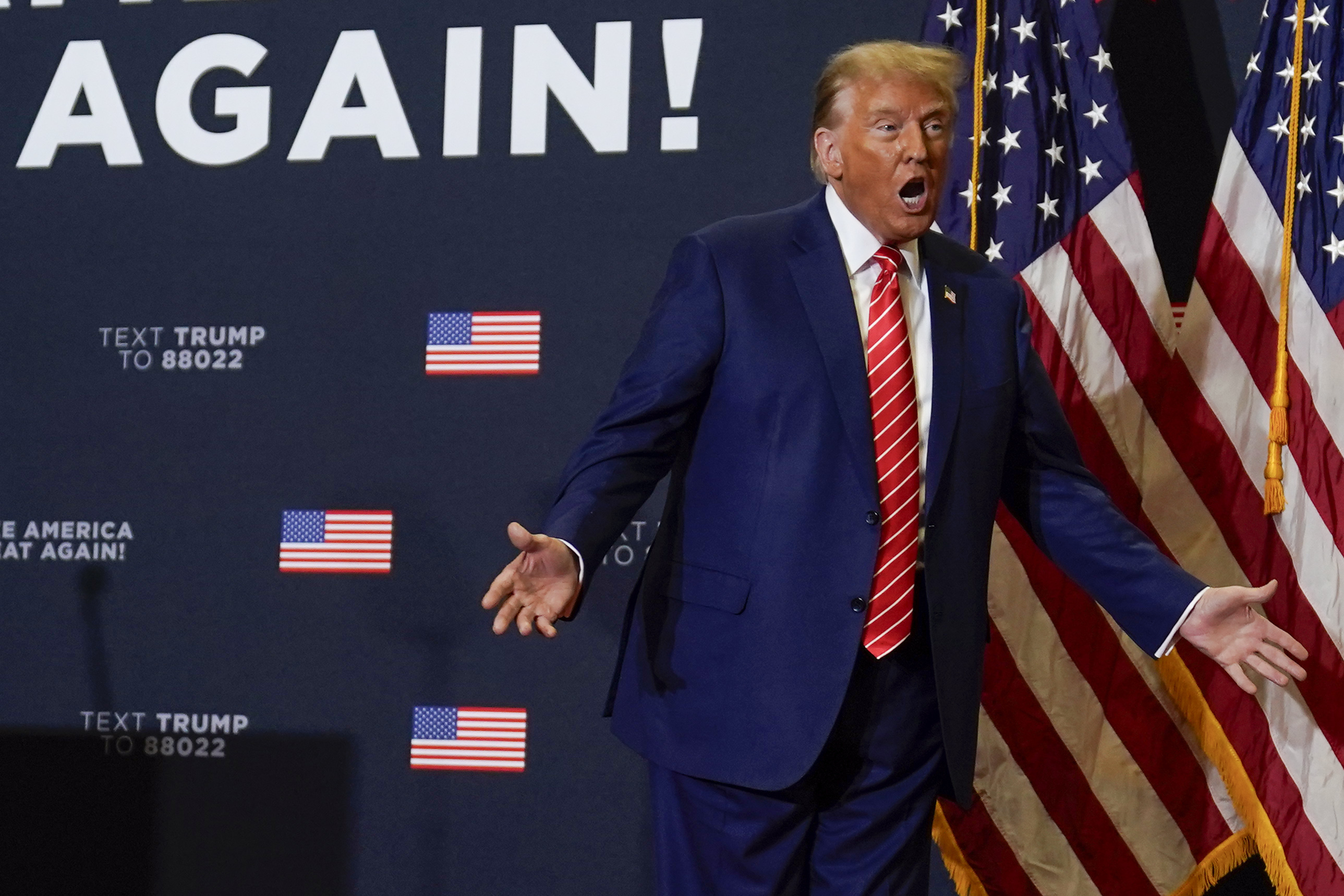
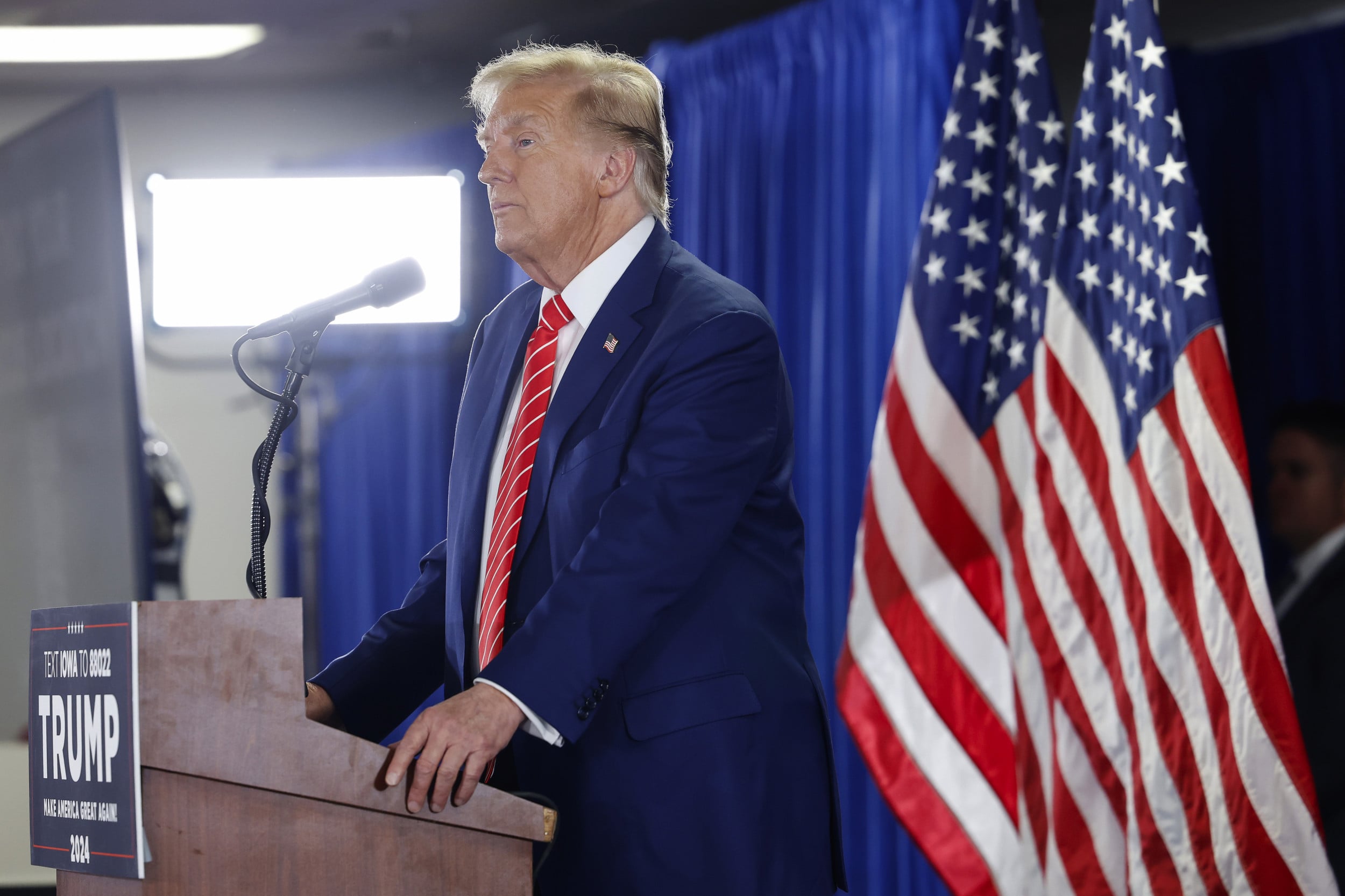
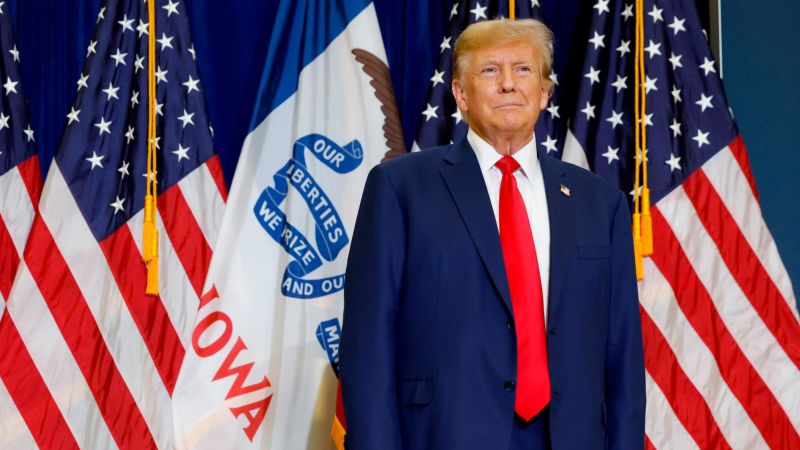
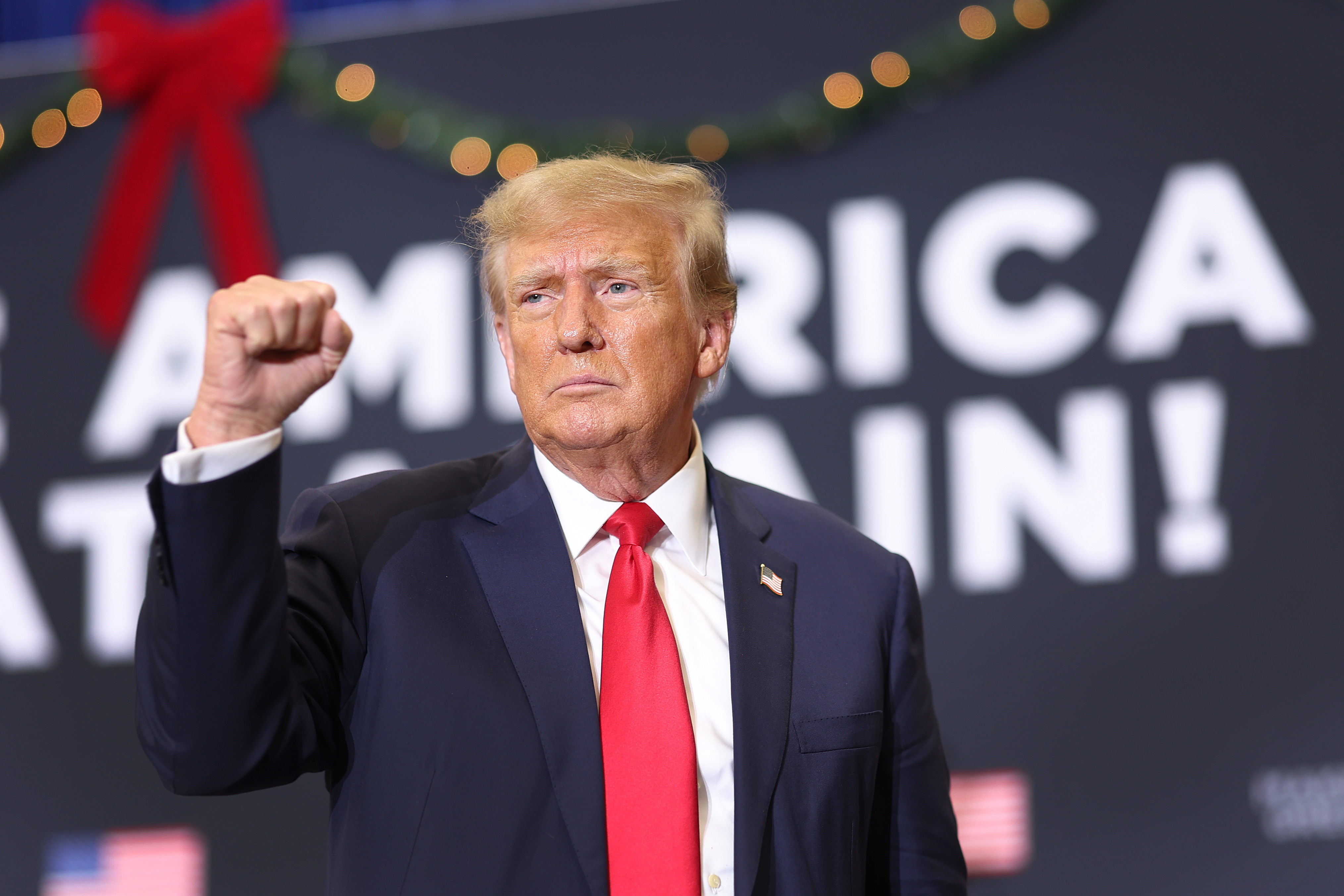
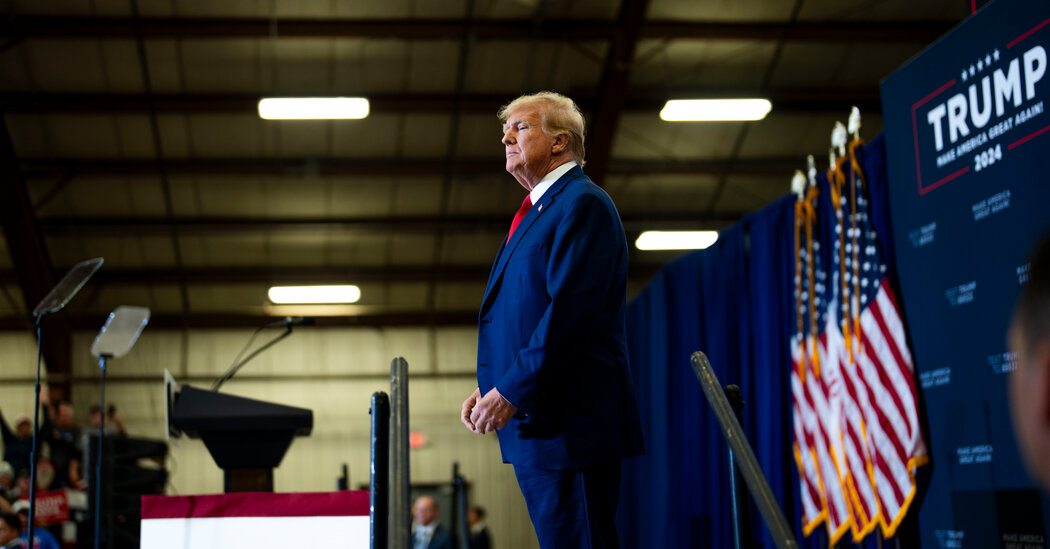
Former President Donald Trump rallied supporters in Clinton, Iowa, ahead of the January 15 caucuses, urging them to vote and not be complacent despite leading in the polls. Trump continued to criticize his GOP rivals and President Joe Biden, while also reiterating false claims about the 2020 election. His campaign is focused on mobilizing first-time caucus-goers to secure an early victory and set the tone for the general election. Trump's speech included familiar themes and he addressed a packed crowd, despite being delayed by plane issues. Some attendees expressed strong support for Trump, emphasizing the importance of participating in the caucuses.
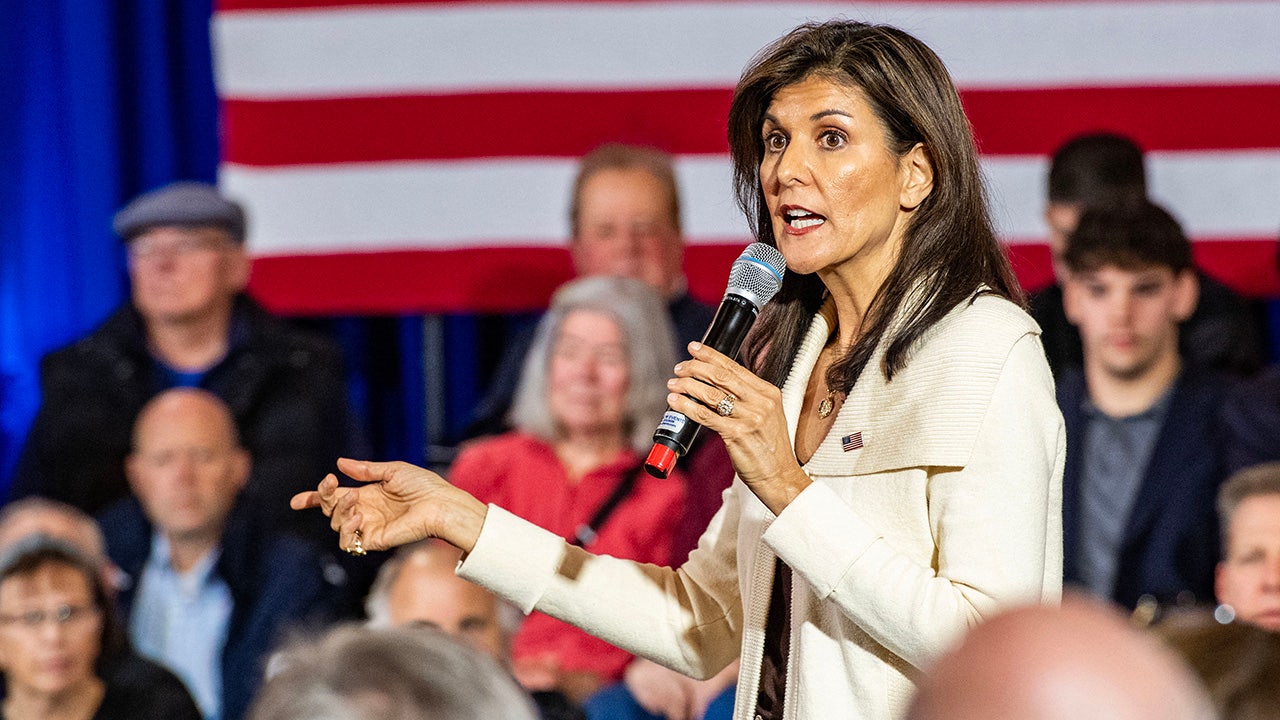
Republican presidential candidate Nikki Haley is under increased scrutiny as her campaign gains momentum, particularly after making a controversial comment about changing "personalities" between the Iowa caucuses and New Hampshire primary. Her remark has been criticized by fellow GOP contenders, including Florida Governor Ron DeSantis and Texas Representative Chip Roy. Despite the backlash and her recent gaffes, Haley's campaign maintains that her vision is resonating with voters, as she competes for second place in Iowa's polls against DeSantis, while former President Trump leads. Haley has been the target of attack ads and has had to clarify previous statements, but she remains defiant, suggesting that the attacks are a sign of her opponents' desperation.
At an Iowa rally, former President Donald Trump suggested that the Civil War could have been "negotiated" to avoid conflict, sparking criticism from various figures including Liz Cheney and Michelangelo Signorile. Trump's comments come as he leads the GOP primary polls in Iowa. The issue of the Civil War and its causes also touched fellow GOP candidate Nikki Haley, who faced backlash for her comments on the war's origins before affirming that it was indeed about slavery.
Former President Donald Trump intensified his criticism of GOP rival Nikki Haley as she gains traction in early primary polls, labeling her as an establishment figure and suggesting she is supported by the same donors backing President Joe Biden. Trump's campaign has shifted focus from attacking Florida Gov. Ron DeSantis to spending $4.5 million on ads against Haley. He also criticized Haley for her comments on the Civil War and primary voting states, highlighting her misstep on slavery's role in the Civil War and her remarks about Iowa voters needing correction by New Hampshire.
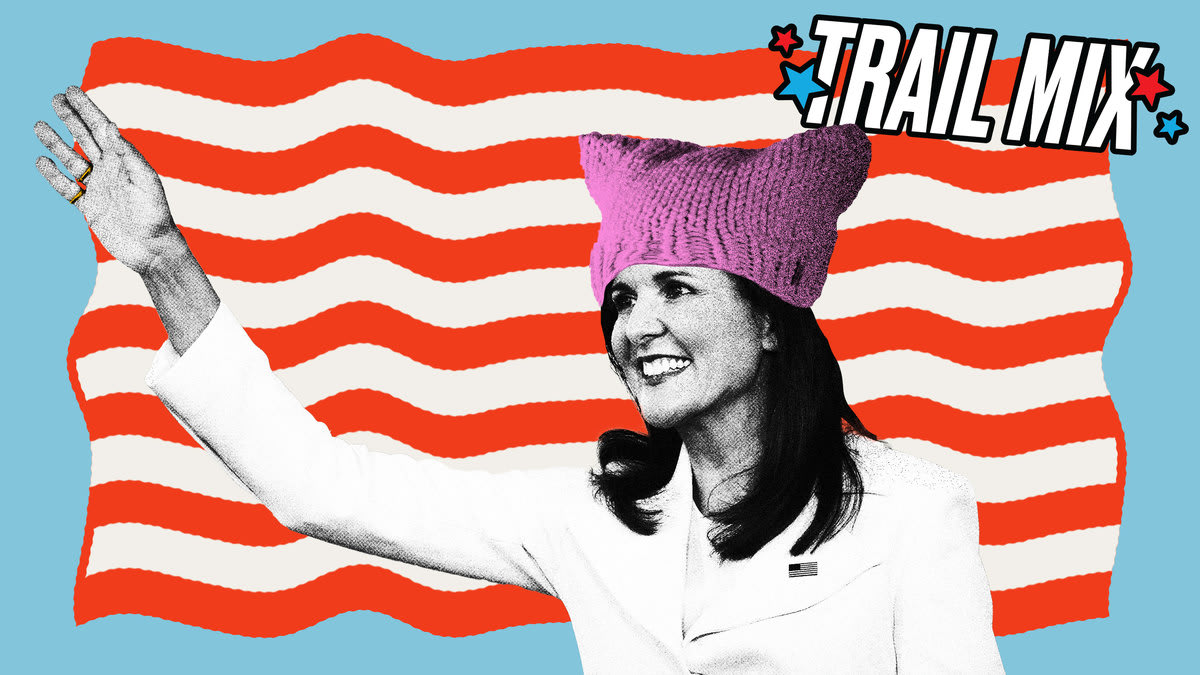
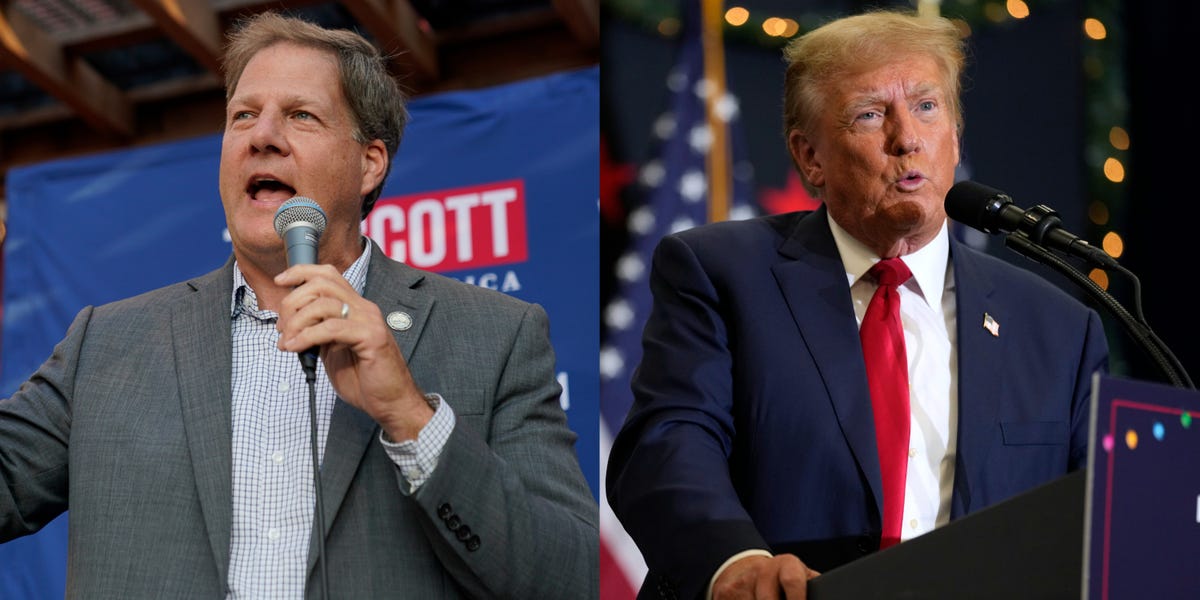
Nikki Haley's campaign for the 2024 presidential nomination is exposing Donald Trump's vulnerability with a key demographic: suburban women voters, particularly those who are college-educated. While Trump leads overall among GOP primary voters in New Hampshire, Haley is ahead among Republican women. This demographic could be crucial not only in the primaries but also in the general election against President Joe Biden. Haley's nuanced stance on abortion and her appeal as a potential first female president are seen as advantageous. Meanwhile, Senator John Fetterman warns against efforts to remove Trump from ballots, and New Hampshire Governor Chris Sununu endorses Haley, suggesting a narrowing of the non-Trump GOP field. The article also touches on economic concerns among voters and campaign strategies leading up to the 2024 election.
Donald Trump's campaign has launched an attack ad against Nikki Haley in New Hampshire, signaling a strategic move to maintain his lead in the GOP primary despite his significant polling advantage. The ad highlights Trump's proactive campaign approach, contrasting with his previous runs, and suggests that even a small victory for Haley could be perceived as a loss for Trump due to the high expectations he has set. The campaign's actions reflect a professional and calculated effort to secure Trump's nomination, while also preparing for a potential general election battle.
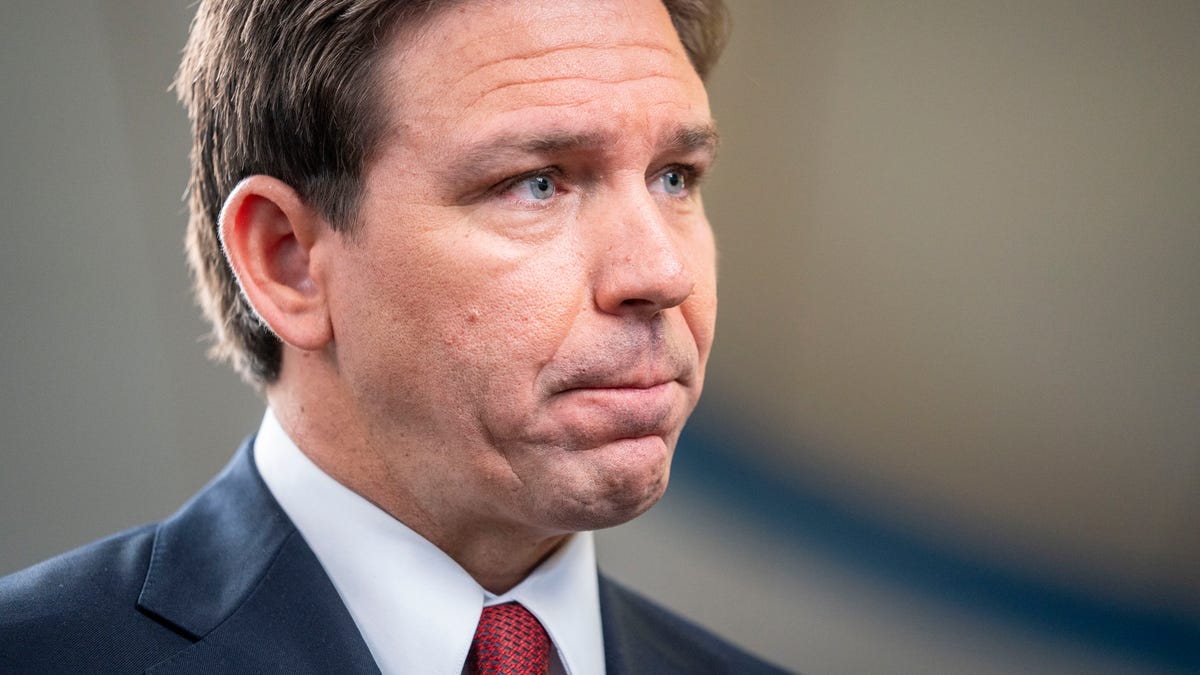
At an Iowa town hall, GOP presidential candidate Ron DeSantis aimed to differentiate himself from Donald Trump and Nikki Haley, emphasizing that he's running for "your issues." He addressed the recent Iowa school shooting by highlighting his work on school security in Florida and supported instant background checks for gun purchases. DeSantis criticized Trump for not being genuinely pro-life and discussed the challenges of homeownership and the American dream. He stated that the January 6 rioters were not patriots and expressed his support for military service. Despite the competition from Haley, DeSantis downplayed polling, stressing the importance of the voting process and looking forward to the upcoming debate in Iowa.
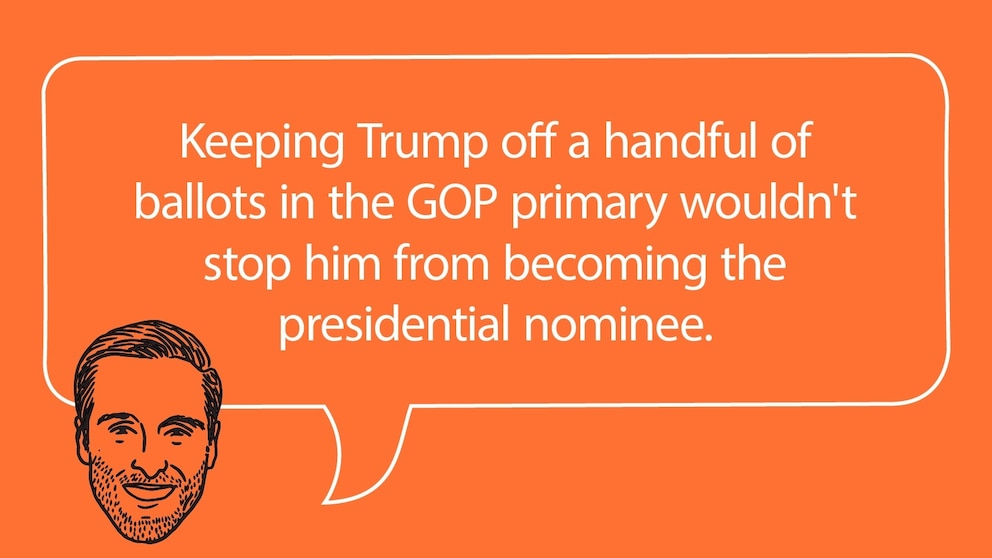
Efforts to disqualify former President Donald Trump from appearing on primary ballots due to his alleged involvement in the January 6 insurrection are ongoing, with the Colorado Supreme Court and Maine's secretary of state ruling against his eligibility under the 14th Amendment's "insurrection clause." These decisions are currently appealed and pending further review, with the U.S. Supreme Court's potential involvement being a critical factor. The situation has led to a complex legal and political debate, with the possibility of Trump being excluded from some state ballots in the GOP primary, though most attempts to use the 14th Amendment against him have failed so far. The Supreme Court's decision could have significant implications for the presidential race, and the issue has further solidified Trump's support among Republicans, who largely view the legal challenges as politically motivated.
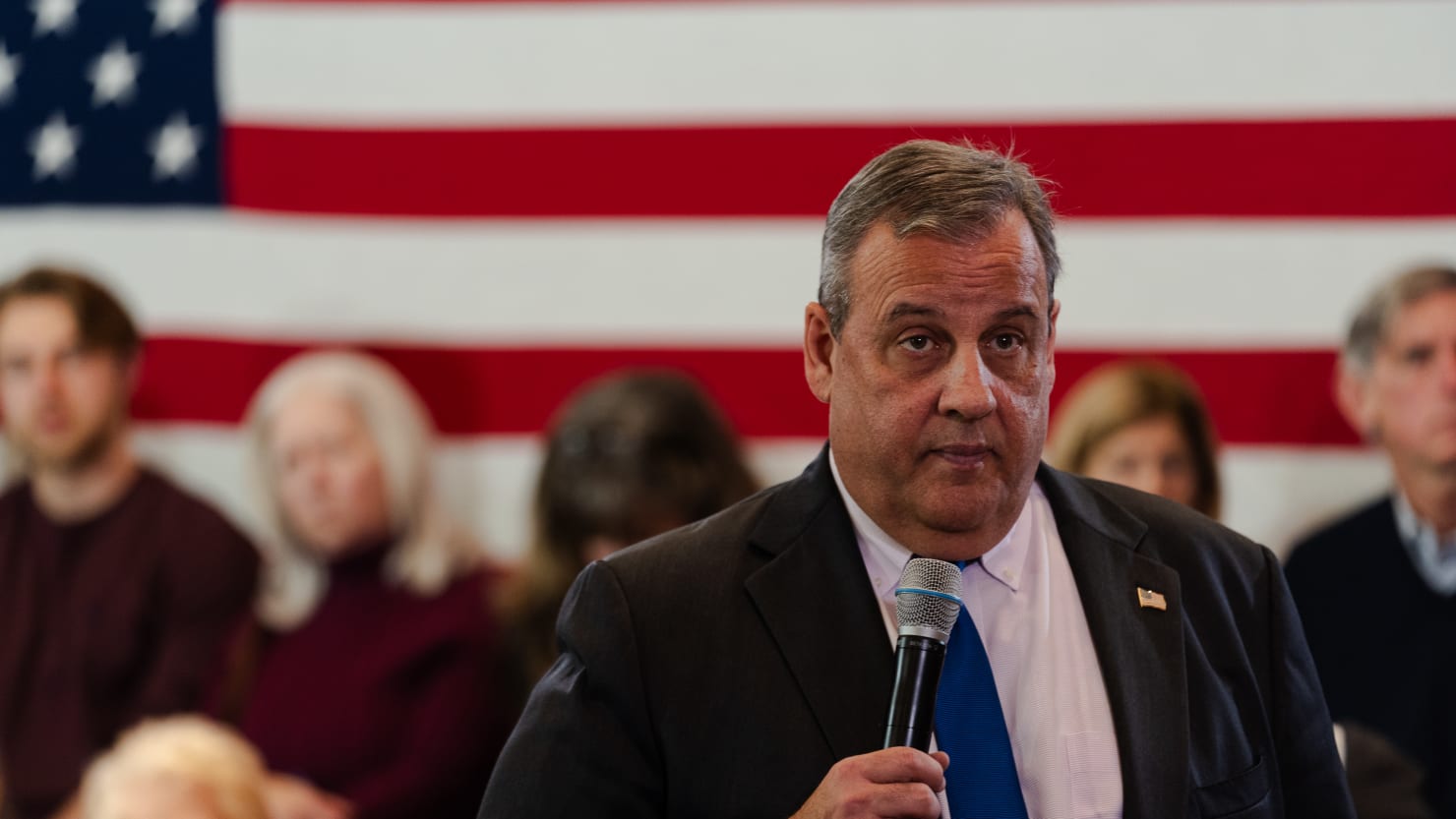
During a heated interview with conservative radio host Hugh Hewitt, former New Jersey Governor and Republican presidential candidate Chris Christie expressed frustration, calling it the least substantive interview he's ever had. Hewitt pressed Christie to drop out of the GOP primary to help other candidates against Donald Trump, suggesting a boost for Nikki Haley. Christie, who has criticized Haley and regrets endorsing Trump in 2016, refused to endorse Trump again and dismissed the idea that his campaign is harming Haley's chances. The interview was marked by repeated clashes, with Christie maintaining his stance to stay in the race and Hewitt advocating for his withdrawal.
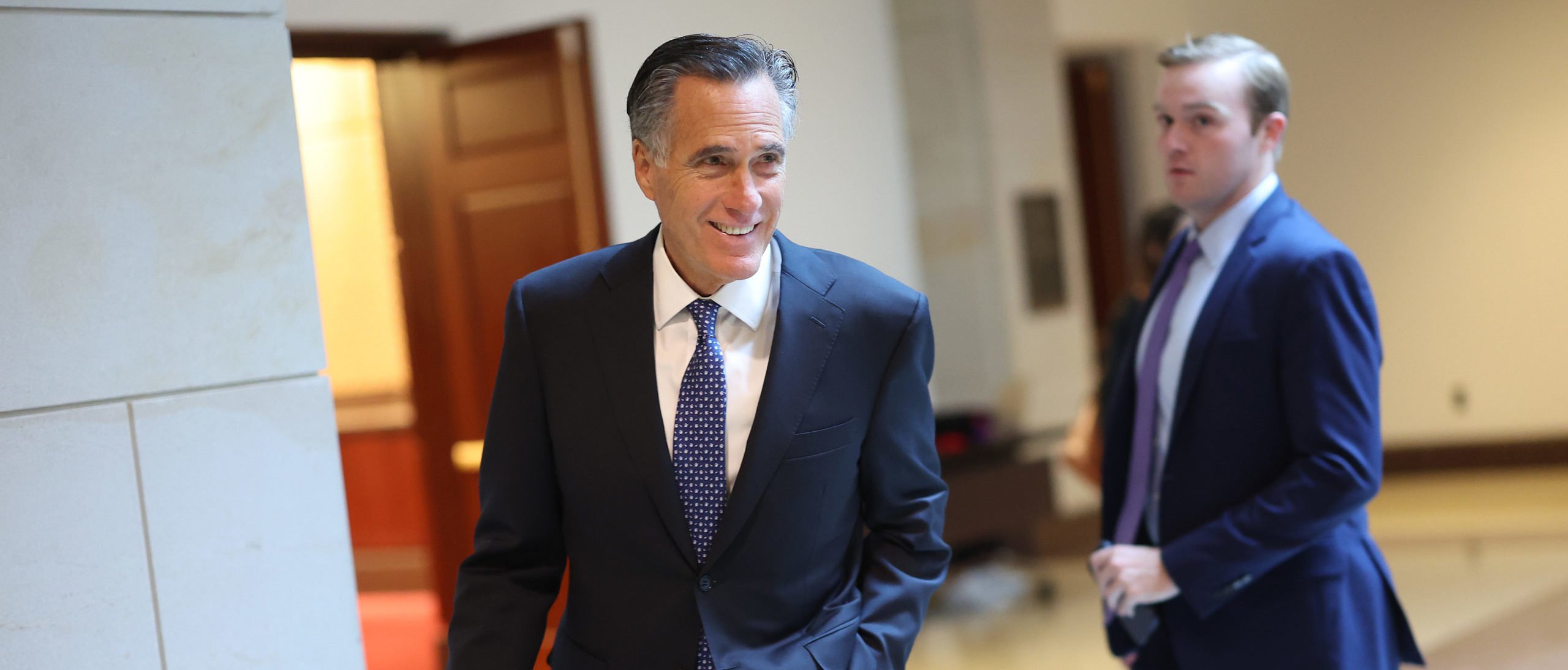
The race for retiring Senator Mitt Romney's seat in Utah has intensified with U.S. Representative John Curtis and Brent Orrin Hatch, son of the late Senator Orrin Hatch, entering the Republican primary. Curtis, who initially declined to run, has now committed to a campaign focused on opposing the Biden administration's spending, achieving energy independence, border security, and resisting federal control over Utah's land. Hatch, a political outsider with experience in Washington as a law clerk and White House counsel, aims to address inflation, budget management, and border security. They join other Republican candidates in a contest that is considered solidly Republican for the 2024 election.
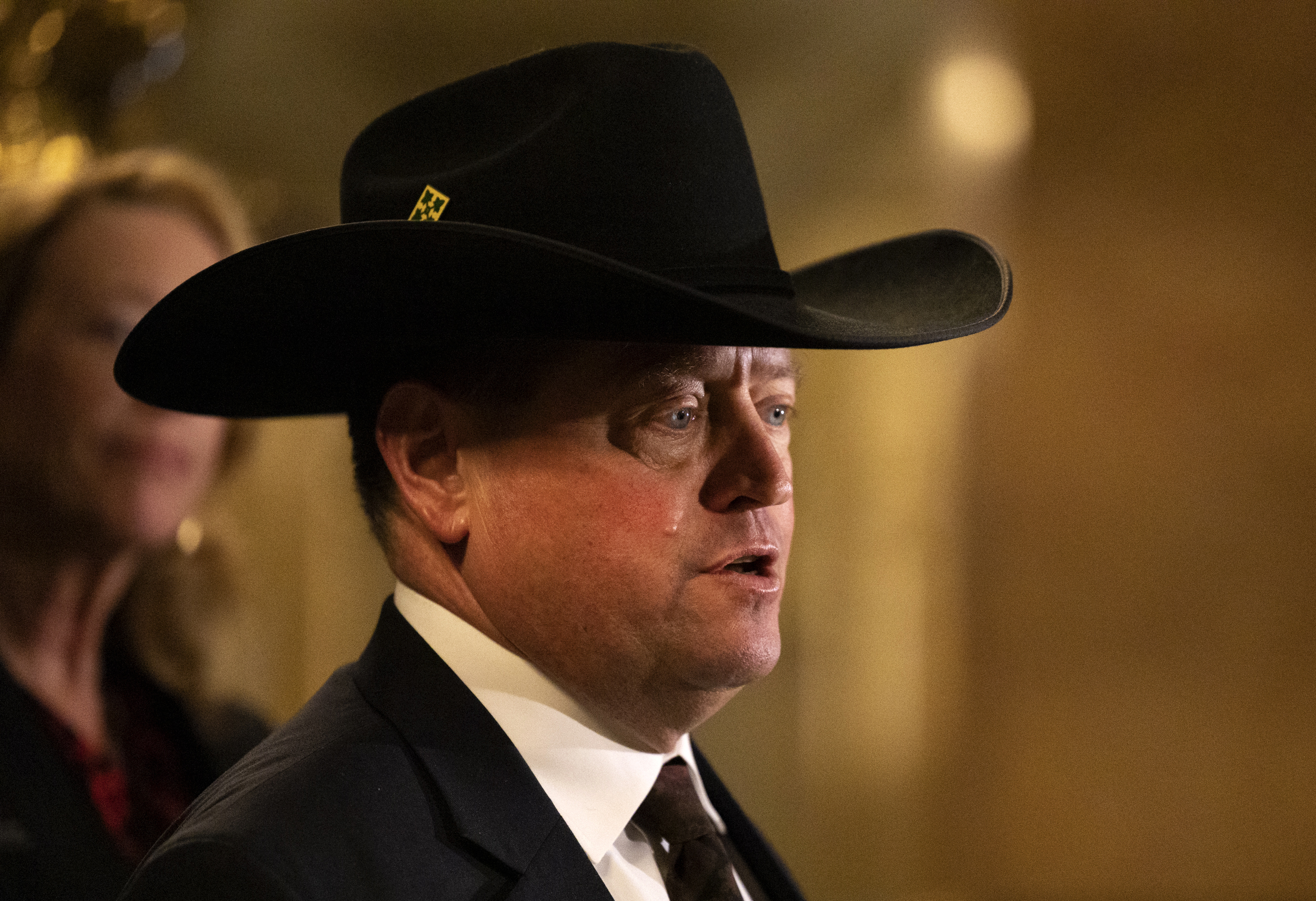
Mike Lynch, the minority leader in the Colorado House, has entered the Republican primary for Colorado's 4th Congressional District, joining a crowded field that includes U.S. Rep. Lauren Boebert, who recently decided to run for this seat instead of her current 3rd District. The 4th District is opening up due to Rep. Ken Buck's decision not to seek reelection. Lynch aims to focus on water issues, border security, and crime if elected and supports the inquiry into impeaching President Joe Biden. The primary's large number of candidates could potentially split the vote, which may benefit Boebert, known for her high name recognition. The primary elections are scheduled for June 25.
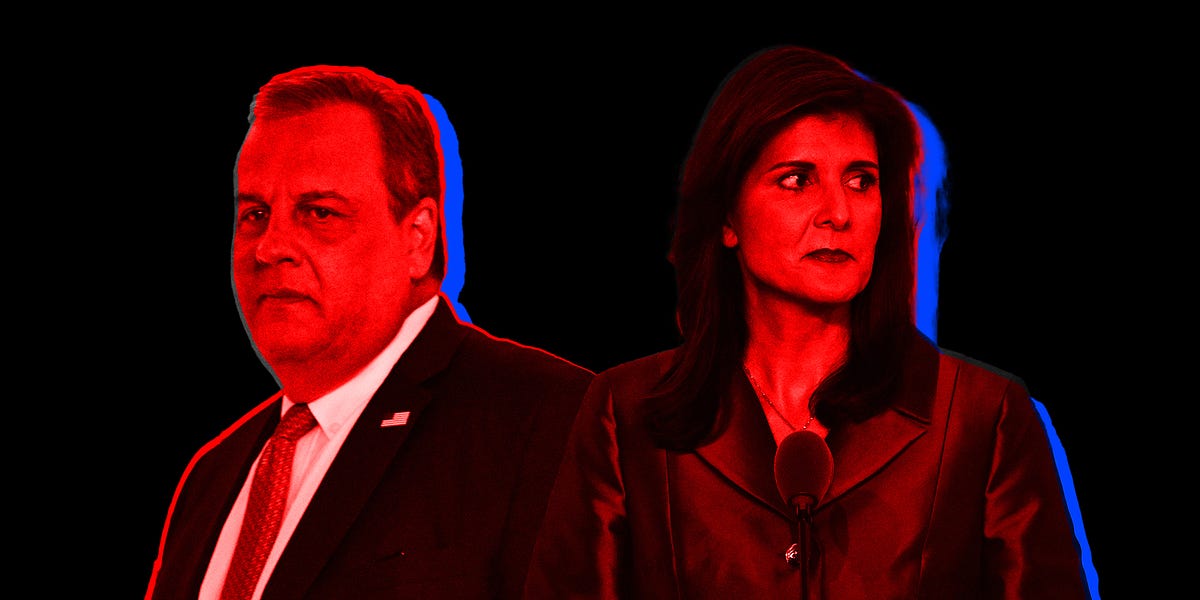
Chris Sununu, New Hampshire's governor, is urging Chris Christie to exit the Republican presidential race to clear the path for Nikki Haley to challenge Donald Trump. Christie criticizes Haley for avoiding tough truths, such as her evasive response to a question about the Civil War's cause. Sununu argues that Haley's ability to attract Trump-sympathetic voters without alienating them gives her a better chance against Trump in the primaries. Polls show Haley's favorability among likely Republican voters is higher than Christie's, particularly among MAGA supporters. Christie remains firm in his position, emphasizing the need for honesty in leadership, while Sununu's stance suggests a willingness to compromise on truth for political unity and success within the GOP.
New Hampshire Governor Chris Sununu criticized efforts to disqualify former President Donald Trump from the 2024 GOP primary ballots, suggesting it would enable Trump to further utilize his "victim card" strategy. Sununu, a Trump critic, deemed the disqualification attempts, like the one in Maine, as politically motivated and counterproductive. He anticipates the U.S. Supreme Court will overturn such challenges, ensuring Trump's presence on ballots nationwide. The Maine Secretary of State had previously ruled Trump ineligible based on the 14th Amendment due to his actions related to the Capitol riot, a decision that is being legally contested.