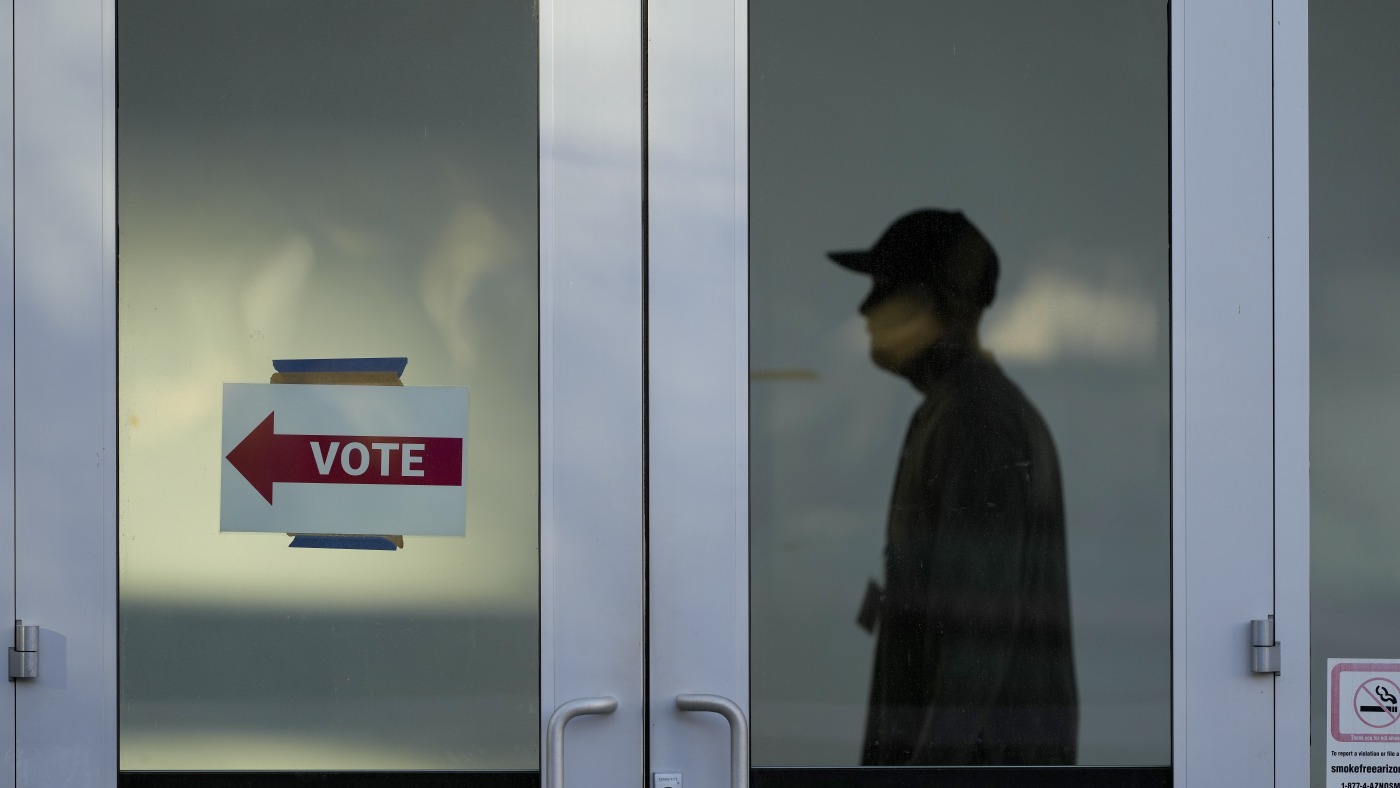
In the recent elections, voters in Arizona, Missouri, and Nevada supported abortion rights measures while also voting for Donald Trump, highlighting a complex voter behavior pattern. Despite Vice President Kamala Harris's focus on reproductive rights, economic concerns like cost of living and healthcare were more influential for many voters. The VoteCast survey revealed that while abortion was a significant issue, economic anxiety played a larger role in voter decisions, with Trump appealing to those prioritizing economic issues.
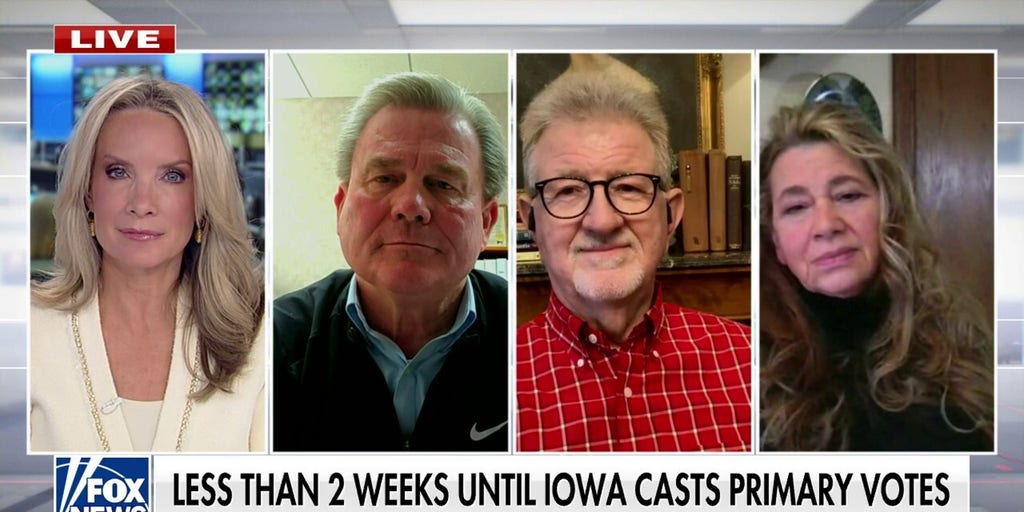
Iowa voters are prioritizing issues such as immigration, military strength, and the economy as key topics ahead of the upcoming caucuses. These concerns are shaping the political conversation and influencing the preferences of the electorate as they prepare to participate in the early and influential voting process that can set the tone for the national election cycle.
An AP-NORC poll indicates that more Americans are prioritizing foreign policy as a key issue for the U.S. government in 2024, with concerns about international involvement, particularly in the Israeli-Hamas conflict and the Russia-Ukraine situation, on the rise. Economic issues remain paramount, with 76% of respondents wanting the government to focus on the economy, despite low unemployment and defying recession predictions. Immigration concerns have also increased across party lines. The poll reflects a growing public sentiment for the government to address both domestic and international challenges, with a notable bipartisan shift towards foreign policy and immigration as key areas of focus.