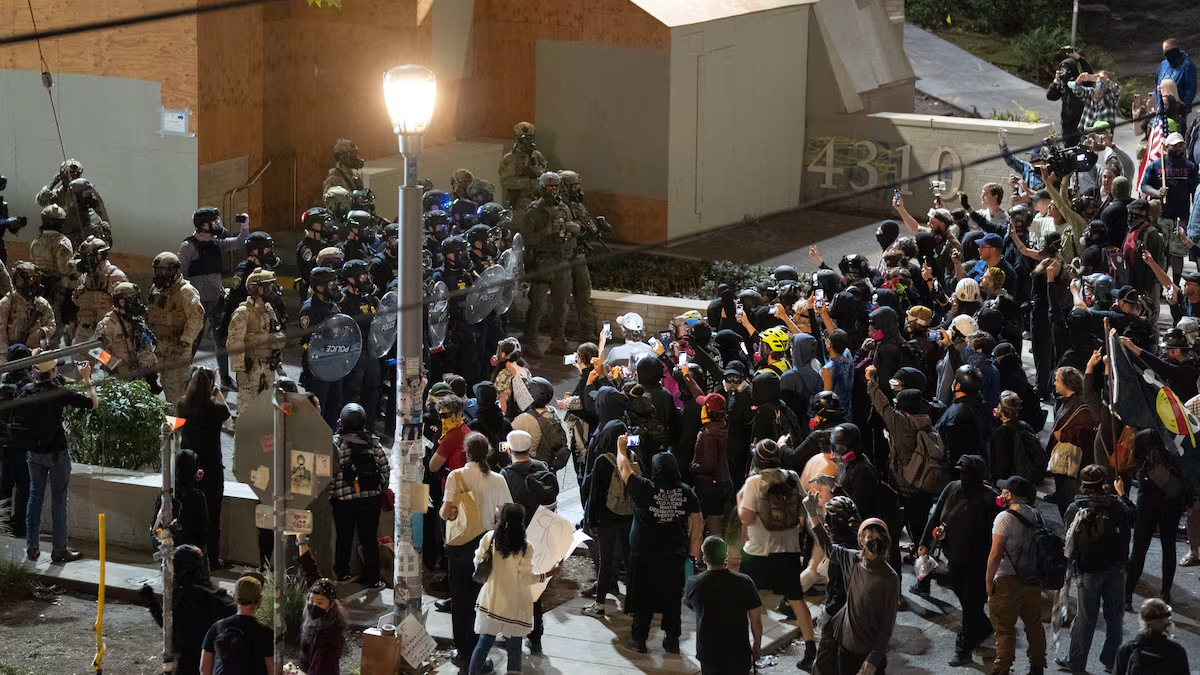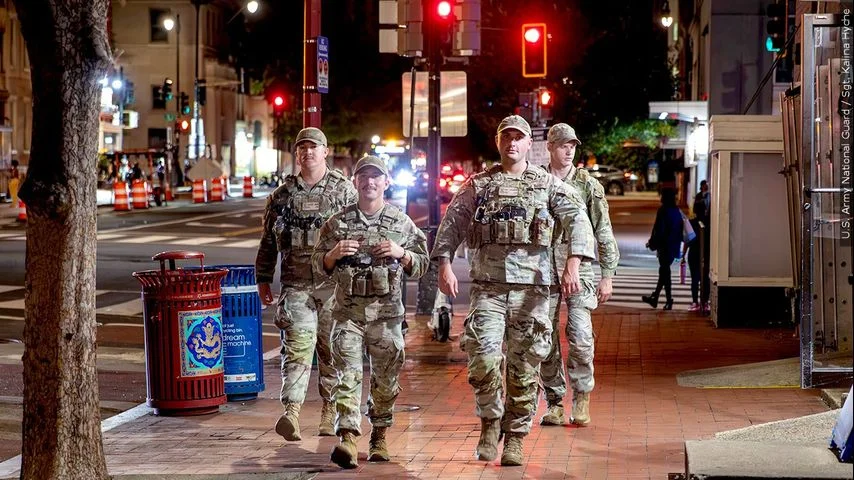
A federal appeals court has temporarily halted the deployment of Oregon National Guard troops to Portland while it considers whether to rehear the case, delaying any potential deployment until at least October 28 amid ongoing legal disputes over the president's authority to send troops to manage protests.
A court hearing in Portland is reviewing the legality of the federal government's plan to deploy 200 National Guard soldiers to protect federal property amid ongoing protests, with a decision expected soon that could block or permit the deployment.
The Trump administration issued a 12-hour deadline to Oregon Governor Tina Kotek to mobilize 200 National Guard members in Portland amid protests, with the federal government ultimately nationalizing the troops for 60 days, citing threats to federal facilities and labeling protesters as domestic terrorists, despite Kotek's opposition and concerns over costs and local control.
The Trump administration has a plan to deploy 1,000 National Guard troops to support law enforcement in Baton Rouge and New Orleans, contingent on a formal request from Louisiana's governor, with roles including drug enforcement and communication support.
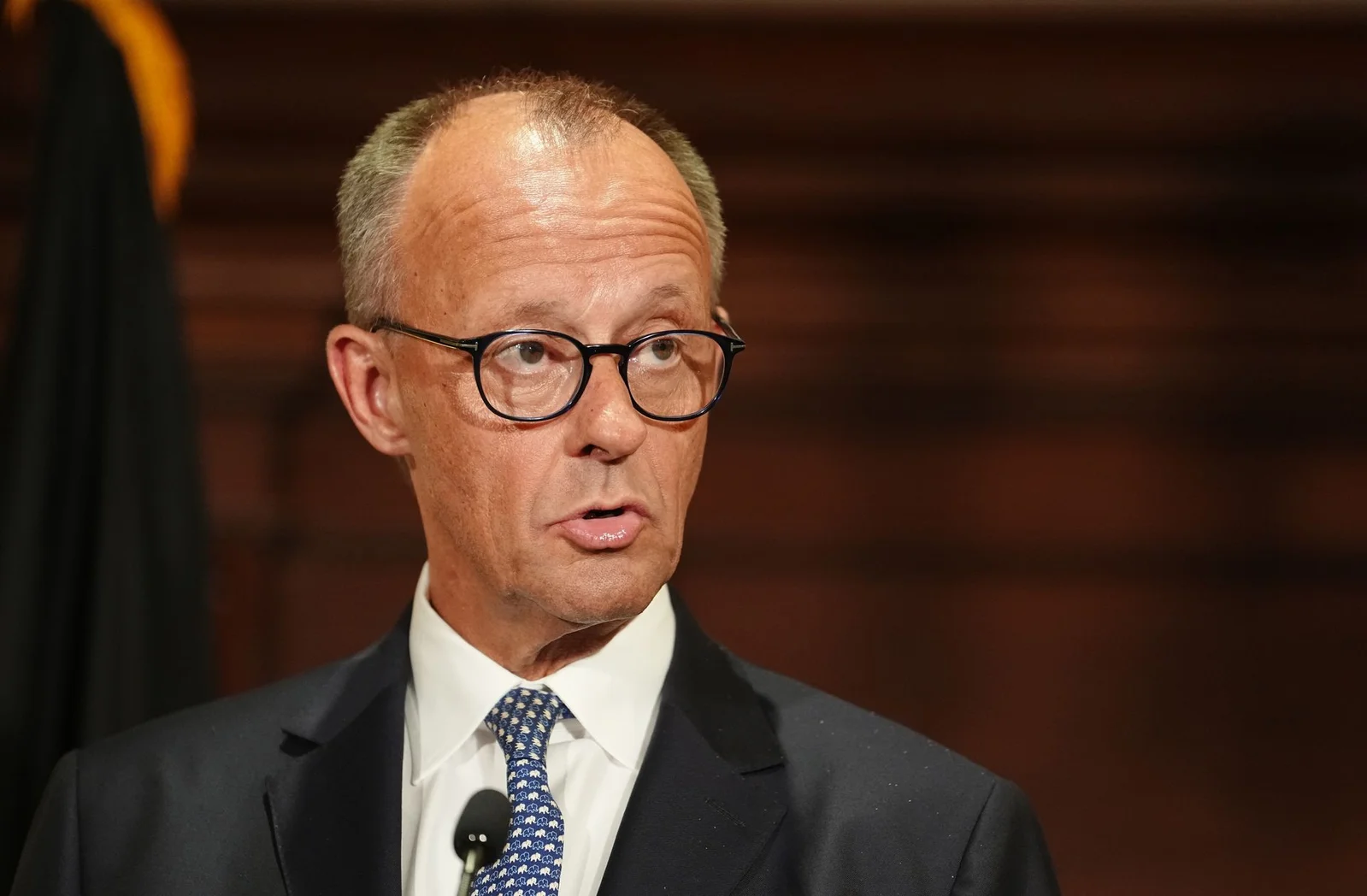
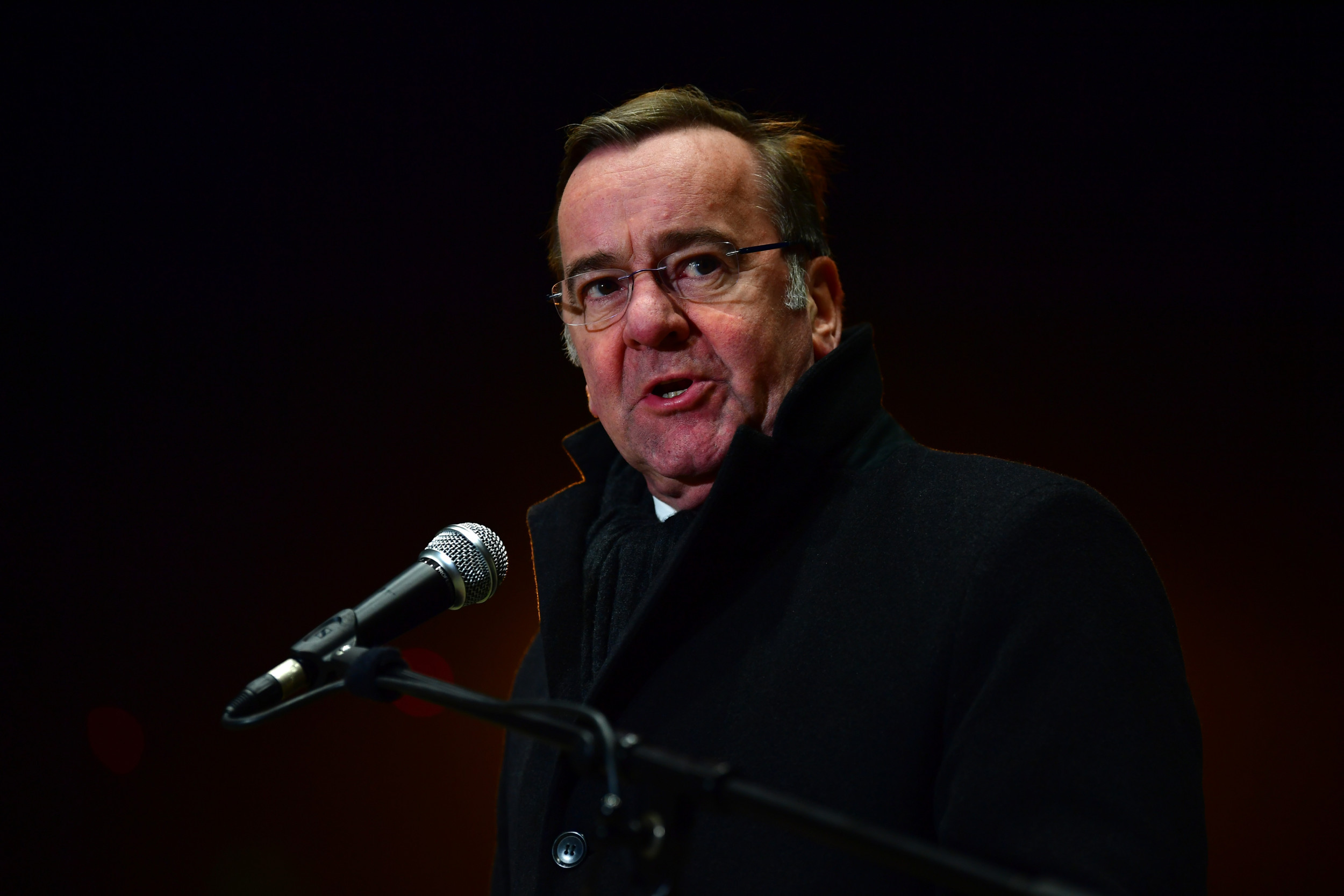
German Chancellor Friedrich Merz rejected comments by Ursula von der Leyen about Europe planning troop deployments to Ukraine, emphasizing that no concrete plans exist and such decisions require a ceasefire or peace deal, with Germany's involvement needing parliamentary approval. The debate highlights ongoing discussions among European leaders about security guarantees for Ukraine amid tensions with Russia and differing views on military support and NATO involvement.
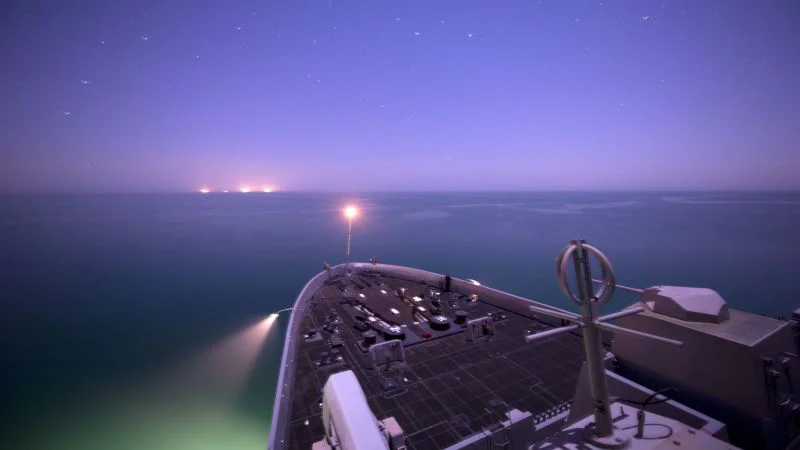
The US military is deploying over 4,000 troops and additional assets around Latin America and the Caribbean to demonstrate force and prepare for potential actions against drug cartels, primarily as a show of strength with broad military options available, amid ongoing regional security concerns.
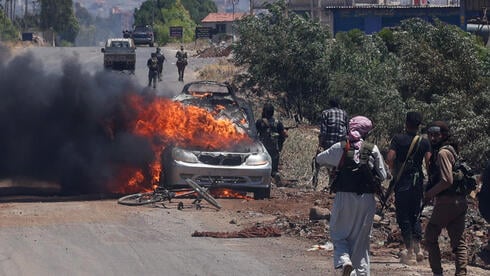
Fighting in Sweida, Syria, has resulted in over 600 deaths and a humanitarian crisis, with hospitals overwhelmed and bodies left in the streets. The Syrian government has announced plans to deploy troops to restore order amid escalating violence between Druze and Bedouin factions, prompting a shift in regional policy, while international bodies call for investigations into violations.
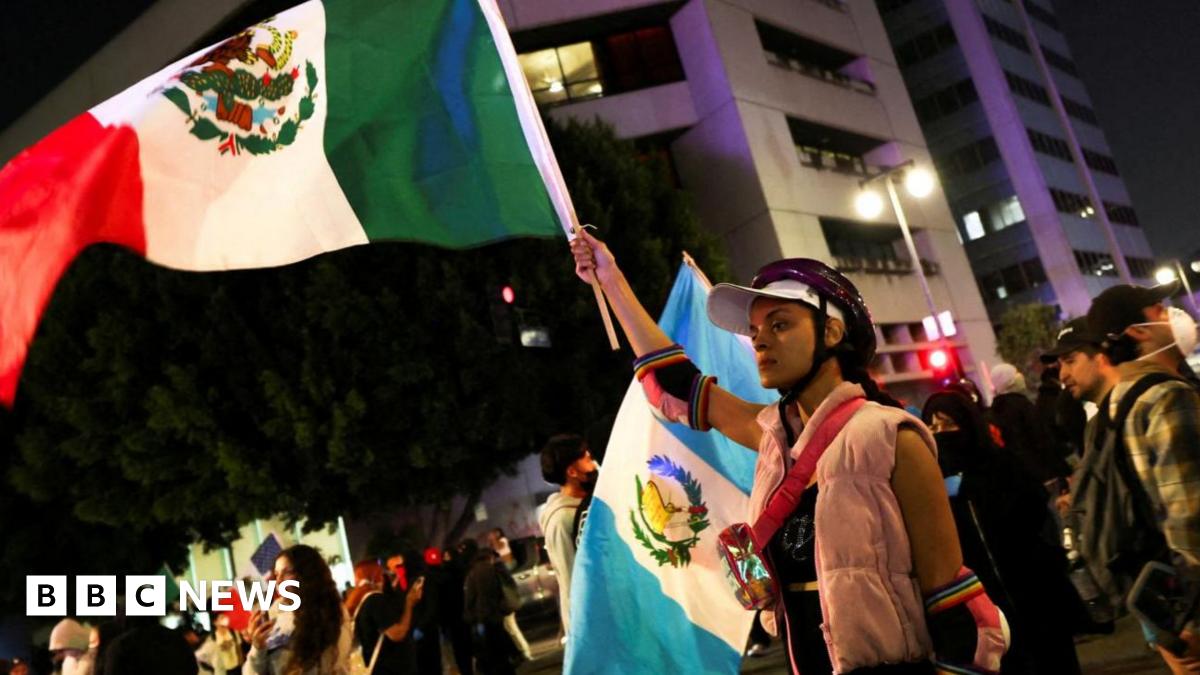
Amid ongoing protests in Los Angeles, President Trump and California Governor Gavin Newsom exchanged heated words on social media, with Trump calling for troop deployment and suggesting Newsom's incompetence, while Newsom accused Trump of authoritarian tendencies and acting like a dictator. The situation escalated with threats of arrests and accusations of inciting riots.
Tokyo is in discussions with Manila about potentially deploying troops to the Philippines, marking a significant development in their military cooperation. This move comes amid growing concerns over China's assertiveness in the region, particularly in the South China Sea. If realized, this deployment would represent a notable shift in Japan's post-World War II security policy, which has traditionally been focused on self-defense.
French President Macron reaffirms the possibility of sending troops into Ukraine, ahead of talks with Germany to bridge their differences on the matter. Macron insists that the international community has placed too many limits in their vocabulary regarding the war and stresses the importance of showing political will to support Ukraine. His stance risks further dividing NATO allies, with Germany and other leaders opposing the idea of troop deployment. Macron is set to meet with German Chancellor Scholz and Polish Prime Minister Tusk in hopes of easing tensions over Ukraine.
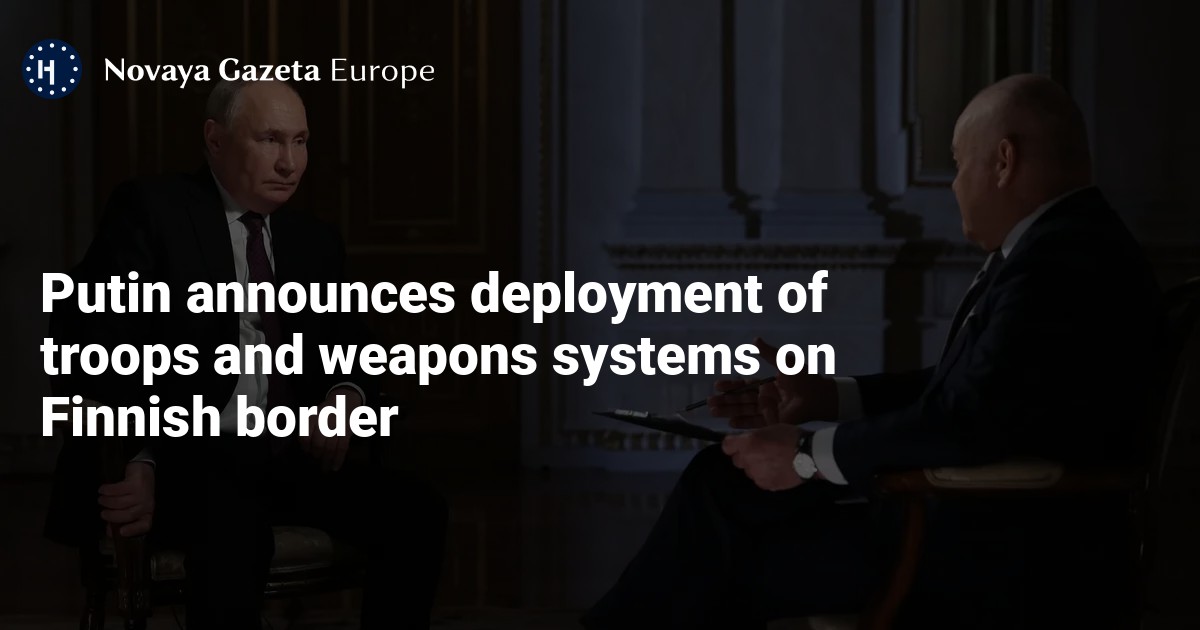
Russian President Vladimir Putin announced the deployment of troops and weapons systems on the Finnish border in response to Finland's decision to join NATO, despite previously having an "ideal relationship" with the country. This move comes after Russia began equipping military bases near the Finnish border, with analysts suggesting that the equipment was initially intended for the war in Ukraine. Finnish officials have stated that the equipment poses no threat to Finland's security.
Germany's decision to deploy troops to Lithuania in an effort to protect NATO territory puts pressure on other NATO nations, such as the UK and Canada, to follow suit. The move is seen as a step towards deterrence in the region, but experts argue that a stronger commitment from allies is needed to effectively defend against the threat posed by Russia. NATO has increased its military presence in the eastern part of the alliance territory since Russia's invasion of Ukraine in 2022, and currently, there are eight multinational battlegroups led by the UK, Canada, Germany, and the US. Germany was also previously called on to provide its Leopard 2 tanks to Ukraine to assist in its war against Russia.
Germany and Lithuania have announced a historic agreement that will see the deployment of approximately 4,800 permanently stationed German troops in Lithuania, marking Germany's first permanent foreign deployment since World War II. The move is seen as a significant step in defense relations and aims to enhance NATO deterrence and collective defense in the face of Russia's aggression. The deployment is expected to be fully operational by 2027, with Lithuania committing to providing necessary infrastructure.
A leaked video clip shows Alexander Avdonin, head of military recruitment in Russia's Republic of Sakha, stating that soldiers are dying in large numbers in Ukraine. Avdonin expressed concern about the region's low recruitment numbers and warned that he and other officials could face repercussions if they didn't send more troops. The Kremlin has struggled to revitalize its mobilization campaign, and about 120,000 Russian soldiers have died since the invasion of Ukraine began in February 2022.
The Pentagon is sending an additional 300 troops to the Middle East to support forces already in the region amid near-daily attacks on U.S. military bases in Iraq and Syria. The troops will provide support in explosive ordnance disposal, communications, and other areas. The deployment is part of regional deterrence efforts and to bolster U.S. force protection capabilities. This comes after the recent deployment of 900 troops and missile defense systems due to increased attacks. The attacks, carried out by Iranian proxy groups, are unrelated to the Israel-Hamas conflict, according to Pentagon officials.