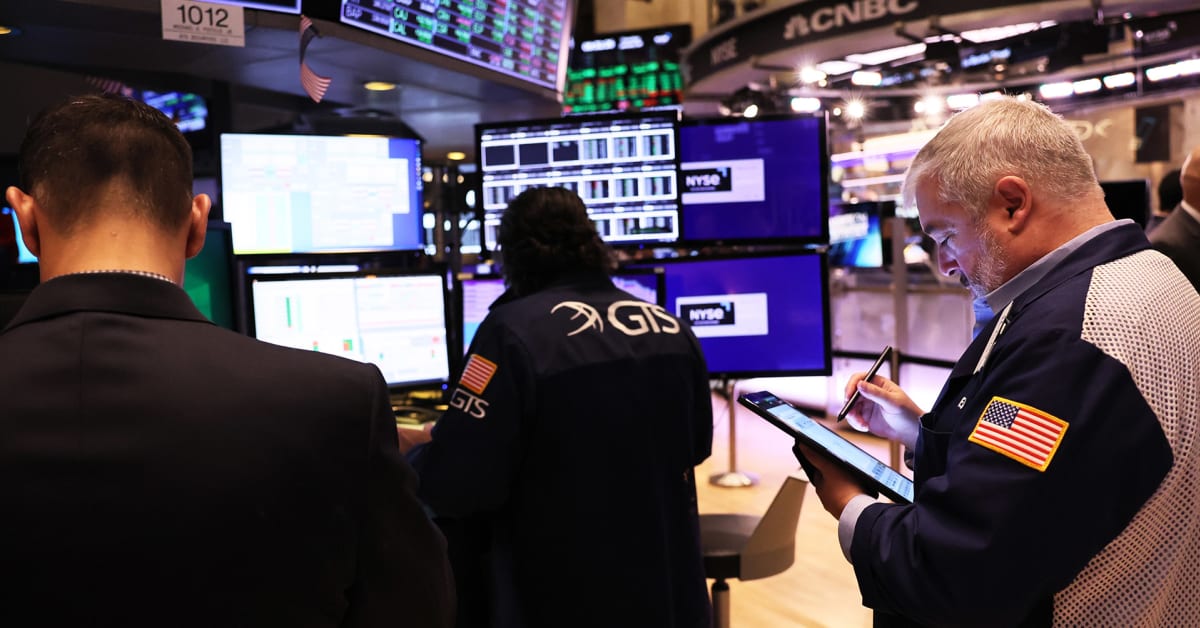
U.S. stocks edged lower on Thursday following a record close for the Nasdaq, as Treasury yields rose and the dollar steadied. The decline was driven by a pullback in major tech stocks and higher Treasury yields after faster-than-expected producer price inflation data. The S&P 500, Nasdaq, and Dow all saw declines, while the European Central Bank announced a rate cut. The Treasury's 30-year bond auction saw weaker demand, contributing to rising yields. Meanwhile, Adobe shares fell due to a muted revenue outlook despite strong earnings.

U.S. Treasury yields rose slightly as investors processed recent inflation data and awaited further economic reports, including the producer price index and jobless claims. The 10-year Treasury yield increased by nearly 3 basis points to 4.3%, while the 2-year yield rose over 2 basis points to 4.184%. The recent consumer price index showed a 2.7% annual inflation rate, aligning with expectations. With the Federal Reserve's policy meeting approaching, there's a strong anticipation of a quarter-point rate cut, as traders are nearly certain of this move.
Treasury yields fell as the personal consumption expenditures price index, a key inflation measure, met expectations, with the 10-year yield dropping to 4.27%. The data suggests no immediate change in the Federal Reserve's monetary policy, with a gradual approach to rate cuts anticipated. Initial jobless claims also fell, indicating a tight labor market. Traders are largely expecting a rate cut in December, while President-elect Trump's Treasury secretary pick, Scott Bessent, is seen as a stabilizing choice for markets.
The 10-year Treasury yield decreased slightly as investors evaluated mixed economic data and the U.S. economic outlook. While PMI surveys showed improvement, consumer sentiment fell short of expectations. Initial jobless claims were lower than anticipated, indicating a stable labor market, but other data, like rising continuing claims and a slowing Philadelphia Fed manufacturing index, suggested economic weakness. Investors also considered Federal Reserve officials' comments on potential interest rate cuts, with differing views on the pace of future reductions.
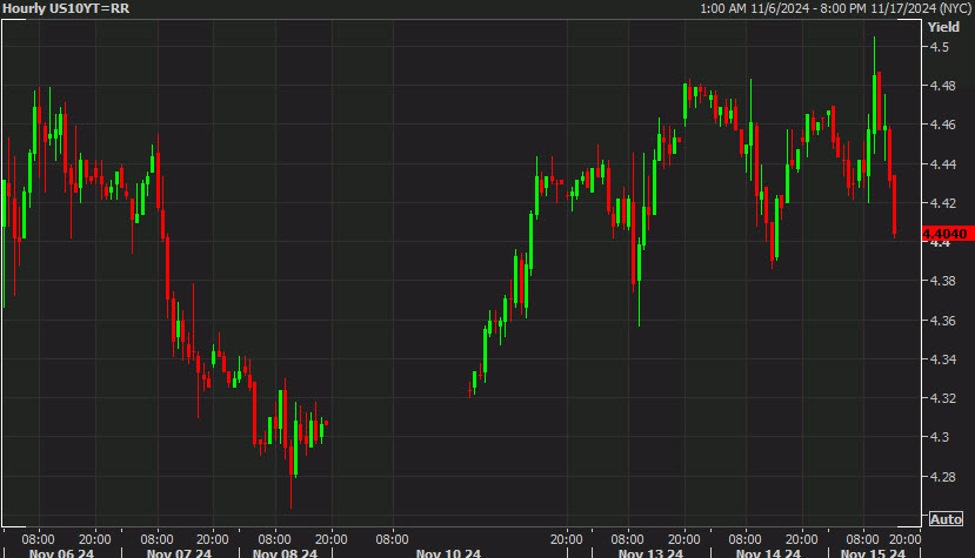
US Treasury yields have experienced a turnaround, with 10-year yields dropping to 4.40% after reaching a high of 4.50%. This shift follows Federal Reserve Chair Jerome Powell's comments indicating no rush to cut rates, contrasting with the previous 50 bps cut that raised inflation concerns. The bond market is reacting to these signals, balancing recession risks and inflation, while US equities continue to decline. The situation suggests a potential flight to safety if equity selling persists.
The 10-year Treasury yield dropped by 5 basis points to 4.38% following a consumer price index report that met expectations, indicating a 0.2% monthly and 2.6% annual inflation increase. Investors are also anticipating upcoming producer price index data and a speech by Fed Chair Jerome Powell for insights into future monetary policy. Despite recent market sensitivity due to the election and rate cuts, the focus remains on economic indicators like retail sales and industrial production.
The recent surge in equity markets following Donald Trump's election win contrasts with rising 10-year US Treasury yields, which have reached 4.4% despite the Federal Reserve's rate cuts. This suggests market concerns about medium-term inflation and growth, especially with Trump's proposed tax cuts and tariffs. While credit spreads remain tight, indicating manageable corporate borrowing costs, the sustainability of corporate profits and household income under prolonged high interest rates is uncertain. The potential for rising prices and the Fed's response could impact equity valuations, as seen during Joe Biden's tenure.
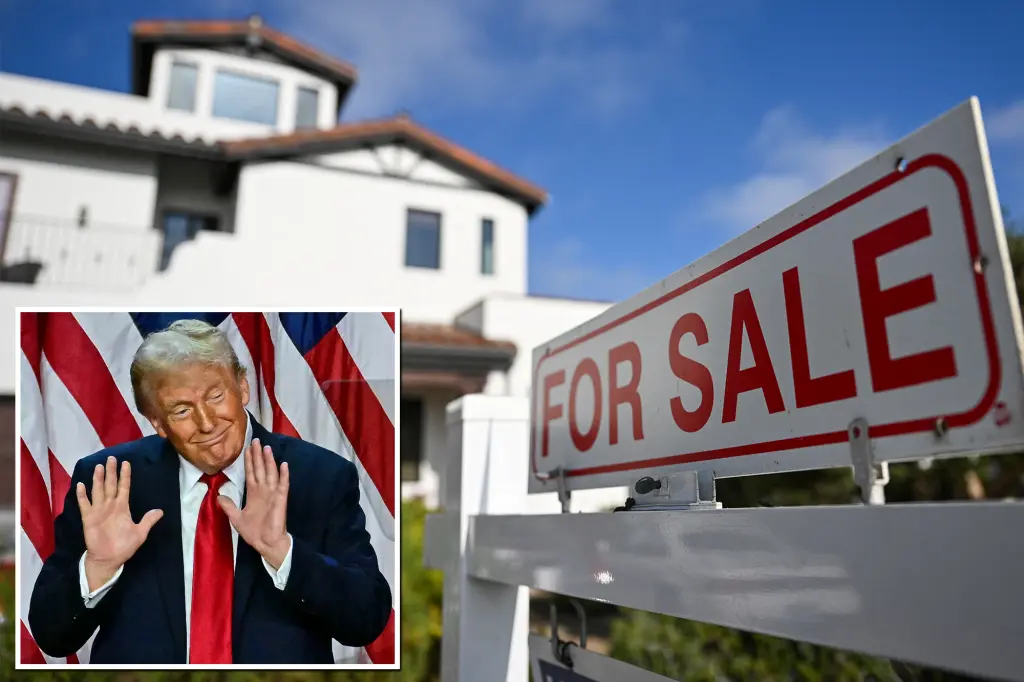
Mortgage rates are expected to remain high following Donald Trump's election win, despite Federal Reserve interest rate cuts. This is because mortgage rates are more closely tied to 10-year treasury bond yields, which have risen due to strong economic growth expectations. Trump's proposed economic policies, such as tax cuts and infrastructure spending, could further drive inflation and bond yields, keeping mortgage rates elevated. However, some experts believe rates may eventually decrease as market volatility settles post-election.
The 10-year Treasury yield rose by 7 basis points to 4.6% as investors focused on the U.S. presidential election between Kamala Harris and Donald Trump. A Republican sweep could lead to higher bond yields due to potential tax cuts and tariffs, while a Harris win might see yields fall. The Federal Reserve is expected to cut interest rates soon, adding to market dynamics.
As Wall Street anticipates the results of the U.S. election, major indices like the S&P 500, Nasdaq, and Dow Jones show significant year-to-date gains, with each nearing their 52-week highs. Trump Media & Technology Group reported a $19.2 million loss in Q3, causing volatility in its stock. Treasury yields remain stable, while Bitcoin has surged 65% in 2024, trading at around $69,700. Key earnings reports from companies like CVS Health, Toyota, and Qualcomm are expected to influence market movements in the next session.
U.S. Treasury yields saw a significant increase, with the 10- and 30-year rates experiencing their largest weekly rise since October after a strong U.S. jobs report indicated the addition of 216,000 new jobs in December, surpassing expectations. This robust employment data, coupled with a slight dip in service sector growth according to the ISM survey, has influenced market expectations, with traders now pricing in a slower timeline for Federal Reserve rate cuts. Despite this, the possibility of rate reductions remains on the horizon, with the first cut anticipated by some analysts as early as May.
A significant factor that previously drove mortgage rates higher is now contributing to their decline. Despite a period of elevated rates, the spread between average 30-year fixed mortgage rates and benchmark Treasury yields has been narrowing for eight consecutive weeks, reaching its lowest point since March. This change comes alongside an increase in existing home sales for the first time in half a year and a consistent rise in home prices for five months.
The U.S. dollar reached a two-week high, tracking a rise in U.S. Treasury yields, as investors reassessed expectations for interest rate cuts in 2024. The dollar's strength came despite a contraction in the U.S. manufacturing sector and a decrease in job openings in November. Investors are awaiting the Federal Reserve's December meeting minutes for further direction. Meanwhile, the euro fell against the dollar, and Bitcoin's value dropped after a recent surge. Market sentiment was also affected by geopolitical tensions following the killing of a Hamas deputy leader in Beirut.
The 10-year Treasury yield briefly surpassed the 4% threshold before settling at 3.911%, reflecting investor uncertainty about the Federal Reserve's rate cut timeline. Despite a year-end decline in yields and a subsequent stock rally, 2023 has seen a shift in expectations as the Fed signaled potential rate cuts in 2024, but recent minutes suggest a short-term restrictive stance. Economic reports indicate a mixed picture, with stable job listings and a manufacturing index suggesting expanding demand. Markets are pricing in a significant chance of a rate cut by March, according to the CME Group's FedWatch tool.
U.S. Treasury yields have seen a significant increase while the stock market has taken a downturn as expectations for rate cuts by the Federal Reserve have diminished. This shift in investor sentiment reflects a reassessment of the economic landscape and the potential for continued monetary policy tightening to combat inflation.