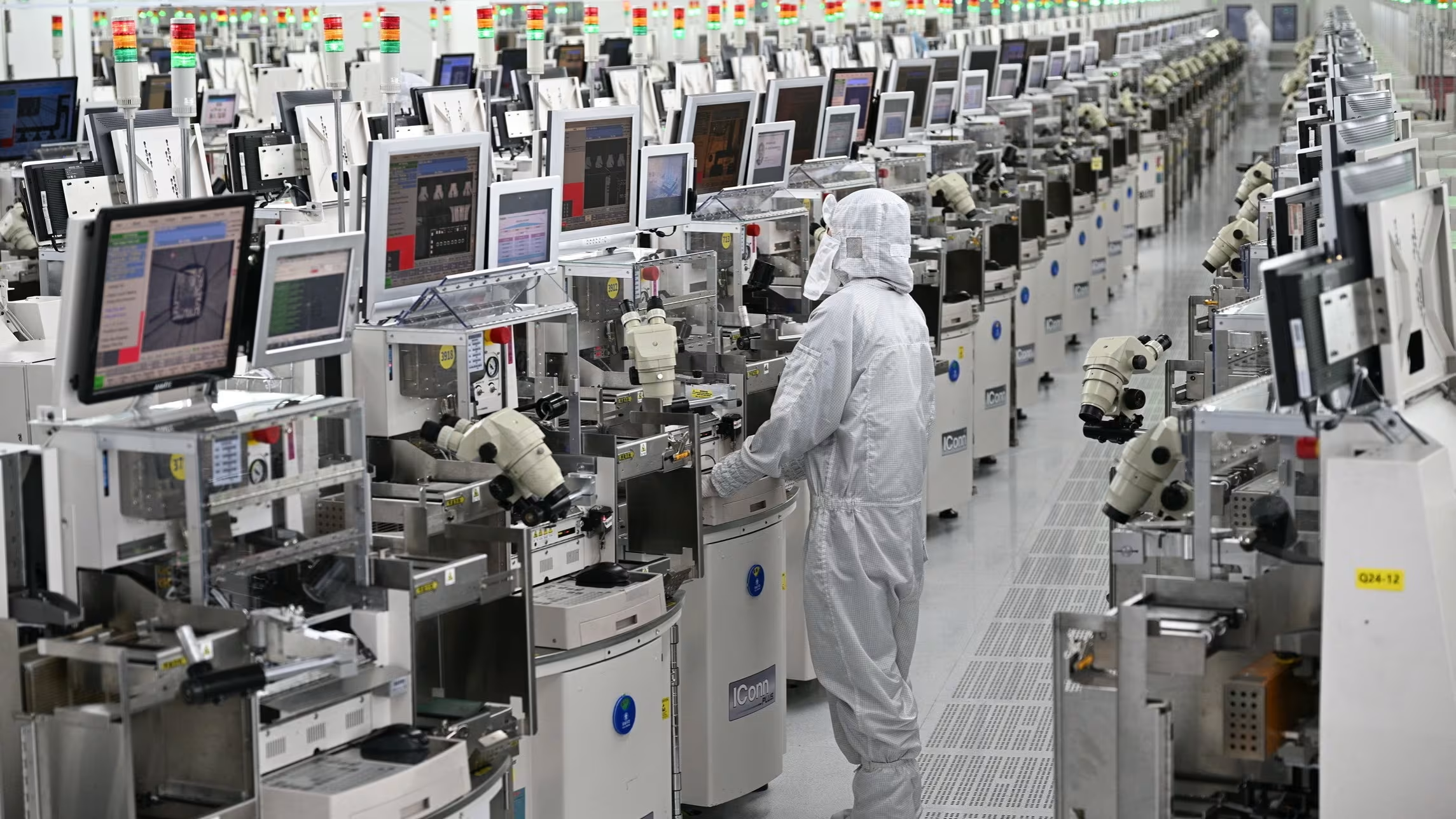
US Delays Tariffs on Chinese Chips Amid Trump-Xi Truce
The Trump administration has accused China of engaging in unfair trade practices related to the semiconductor industry, amid ongoing tensions and a broader trade war between the two countries.

All articles tagged with #trade practices
The Trump administration has accused China of engaging in unfair trade practices related to the semiconductor industry, amid ongoing tensions and a broader trade war between the two countries.
President Trump announced a 50% tariff on EU imports to address a large trade deficit, prompting European unity in opposition and accusations of unjust economic attack, while also acknowledging some unfair trade practices by the EU.
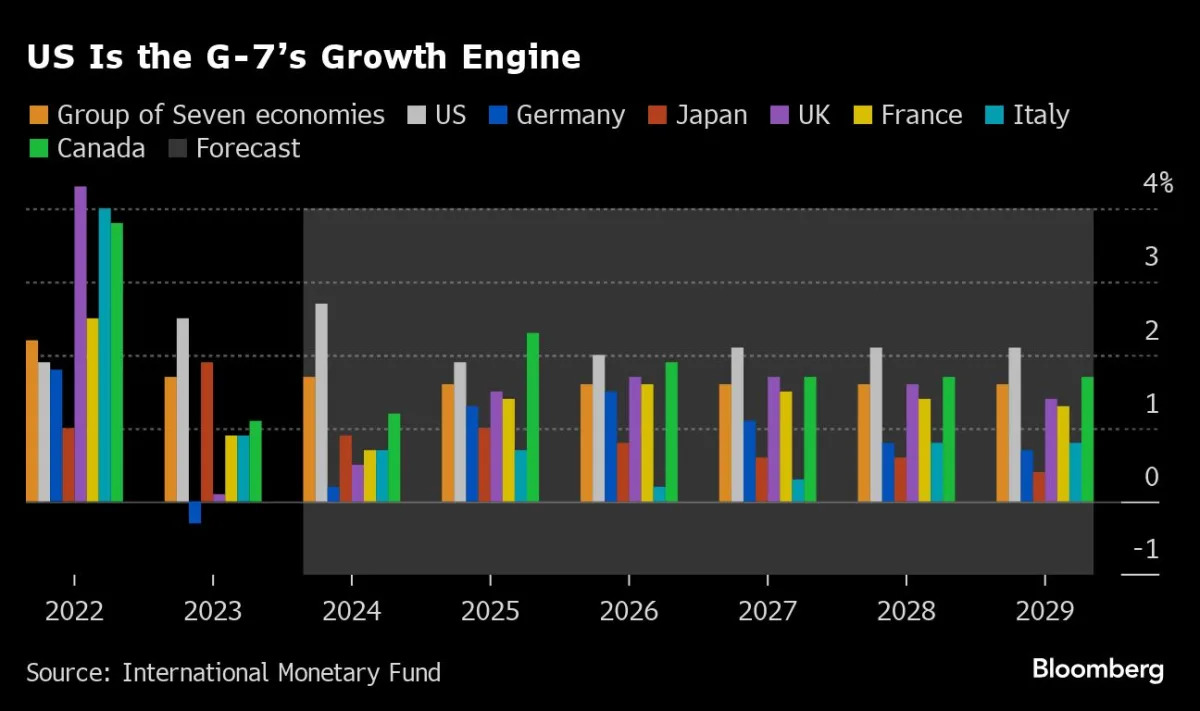
G-7 finance chiefs are drafting a communique to address concerns over China's significant role in global trade, aiming to counter "harmful practices" and enhance economic resilience. The draft includes stronger language than previous statements, reflecting growing unease about Chinese industrial overcapacity and its impact on member economies. The US plans to reimpose tariffs on Chinese goods, signaling a more assertive trade stance. The G-7 also acknowledges ongoing economic challenges, including inflation and uneven growth, and emphasizes the need for fiscal sustainability and structural reforms.
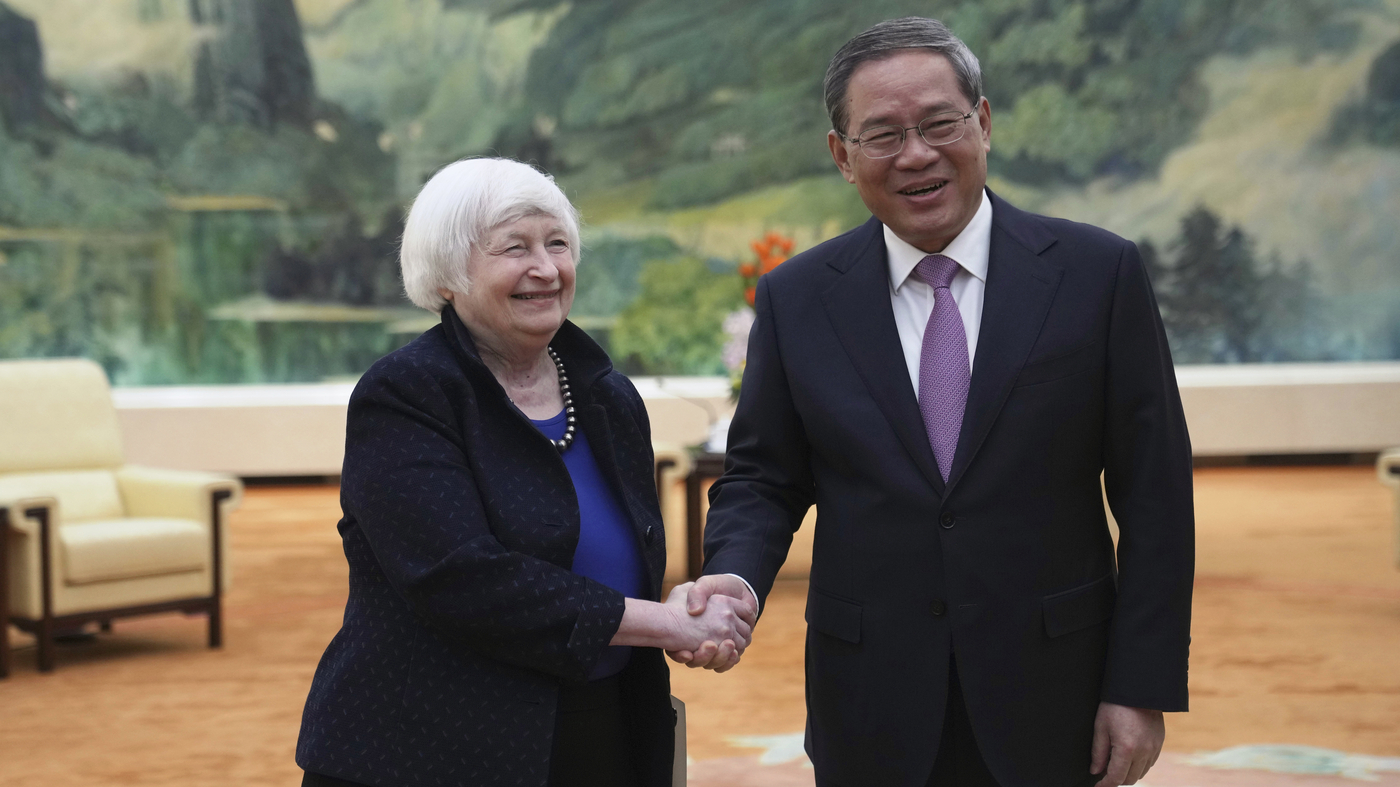
US Treasury Secretary Janet Yellen met with Chinese Premier Li Qiang in Beijing, expressing a message of mutual cooperation despite differences and stating that the US-China relationship is on a more stable footing. The meeting follows an agreement for "intensive exchanges" on balanced economic growth and combating money laundering. Yellen emphasized the need for responsible management of the complex relationship between the world's two largest economies and plans to engage with Beijing's mayor and Peking University during her visit.

US Treasury Secretary Janet Yellen met with Chinese Premier Li Qiang in Beijing, expressing a message of mutual cooperation despite differences and stating that the bilateral relationship has been put on a more stable footing. The US and China have agreed to hold intensive exchanges on balanced economic growth and combatting money laundering. Yellen's visit coincides with Russian Foreign Minister Sergey Lavrov's planned visit to China, with discussions on the US-China relationship regarding Russia. Yellen also emphasized the critical role of local governments in China's economy during a meeting with Beijing Mayor Yin Yong.
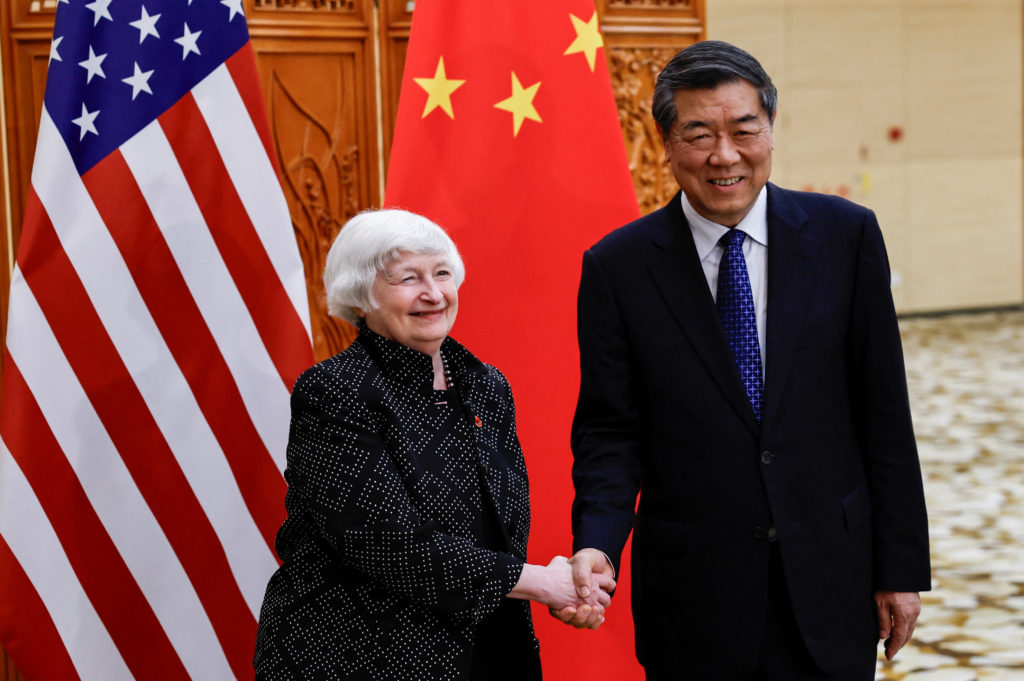
U.S. Treasury Secretary Janet Yellen announced that the U.S. and China will engage in "intensive exchanges" to address American concerns about Beijing's economic model and trade practices, particularly regarding manufacturing overcapacity and subsidies for green technologies. The talks aim to create a structured dialogue to find a way forward that avoids conflict and will also cover issues such as balanced economic growth and combating money laundering. Yellen also mentioned the possibility of tariffs in response to China's heavily subsidized manufacturing of green energy products, as the U.S. seeks to boost its domestic manufacturing capabilities and maintain national security.
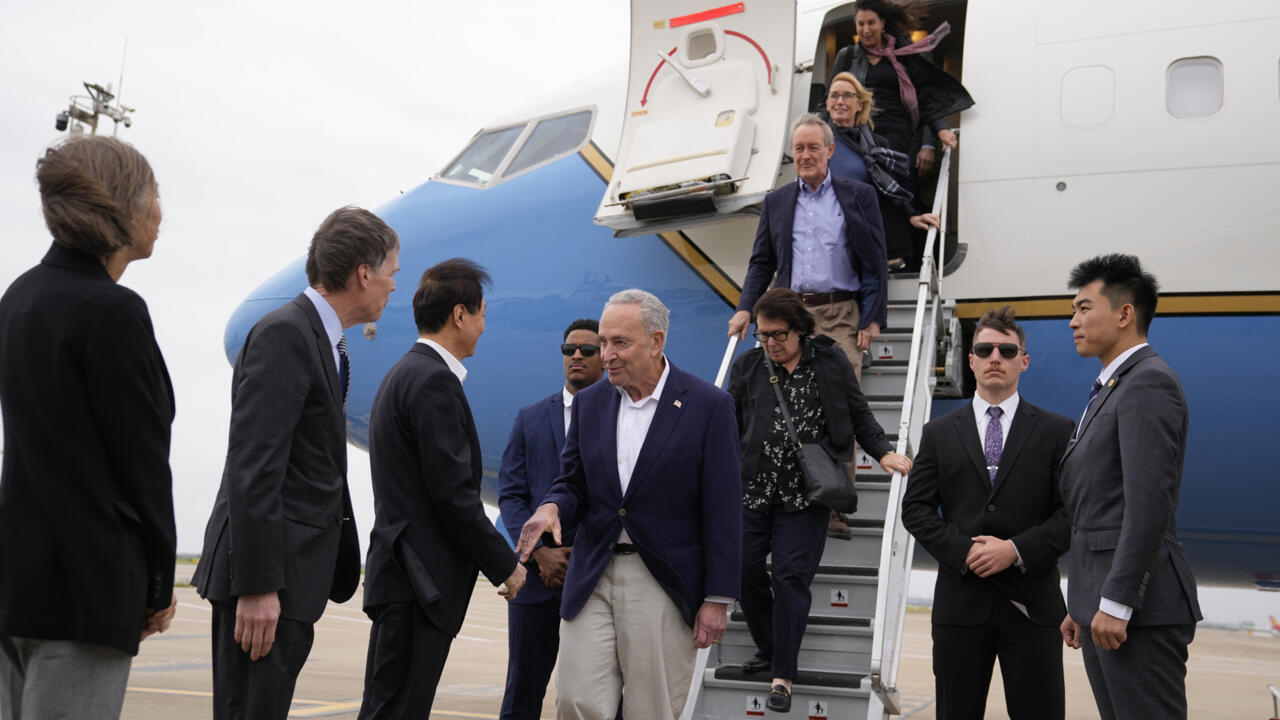
US Senate Majority Leader Chuck Schumer accused Chinese firms of "fuelling" the fentanyl crisis in the United States during his visit to China. He emphasized that it was not the Chinese government but Chinese companies that were contributing to the drug addiction crisis. Schumer also expressed concerns about Beijing's alleged unfair trade practices and called for reciprocity in allowing American companies to compete freely in China. The bipartisan delegation, including Schumer and Republican Senator Mike Crapo, aims to have productive discussions with Chinese officials and may seek a meeting with President Xi Jinping. The visit comes as both countries seek to ease tensions and address various security and economic issues.
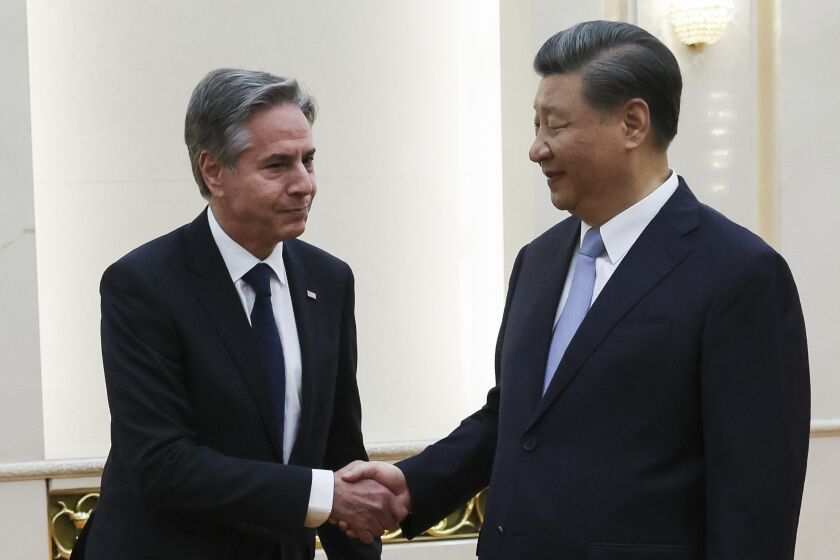
US Secretary of State Antony Blinken's recent visit to Beijing to repair the frayed relationship between the US and China was modestly successful, with both sides agreeing to "build a floor" under the relationship. However, the two countries still have deep-seated differences, including different premises on how they view the world. Major disagreements, such as China's belief in its right to take over Taiwan and its economic ambitions to become a high-tech colossus, are probably insoluble in the foreseeable future. Blinken's request for military contacts to prevent accidental conflicts fell on deaf ears because the Chinese fear it's a trap.