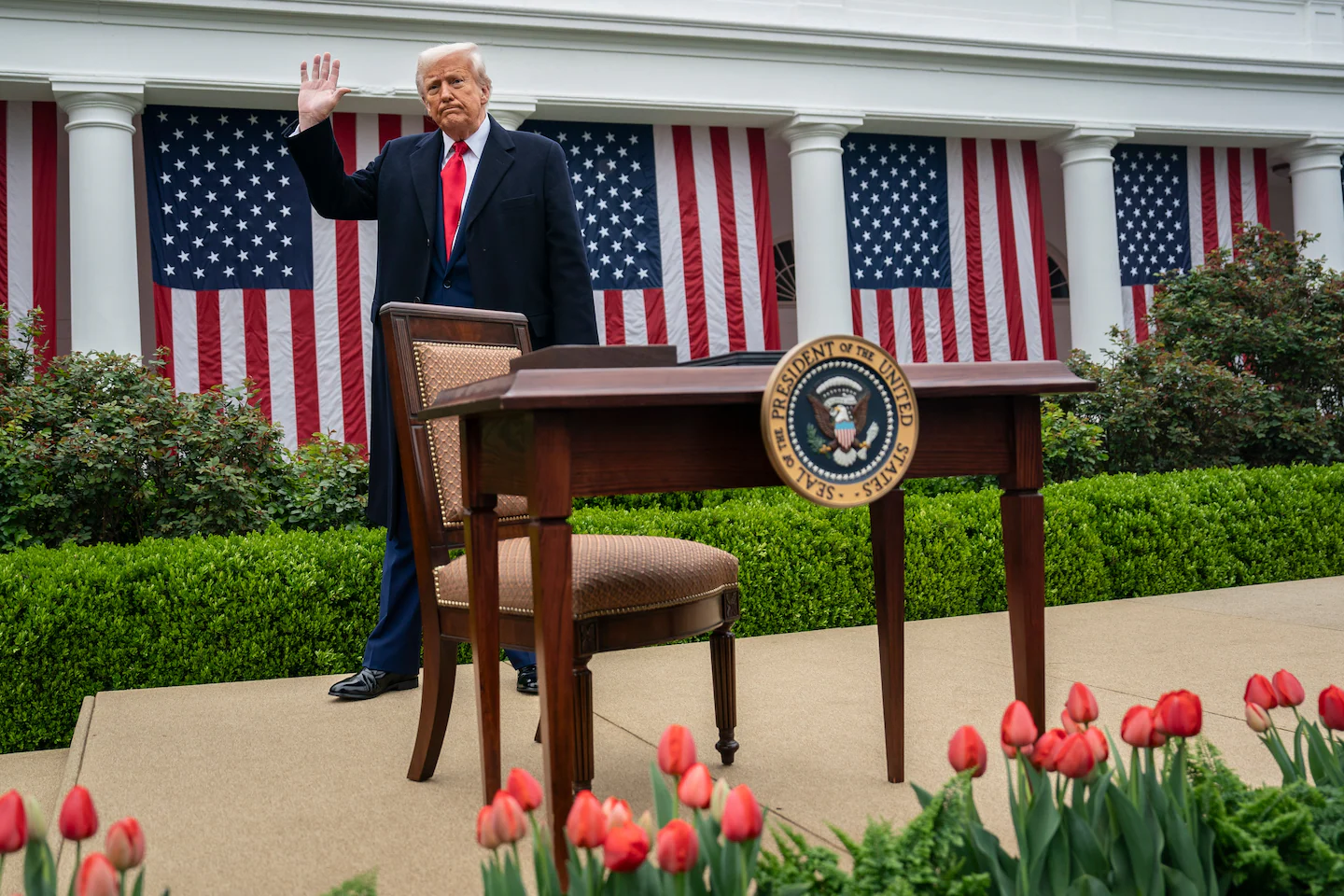
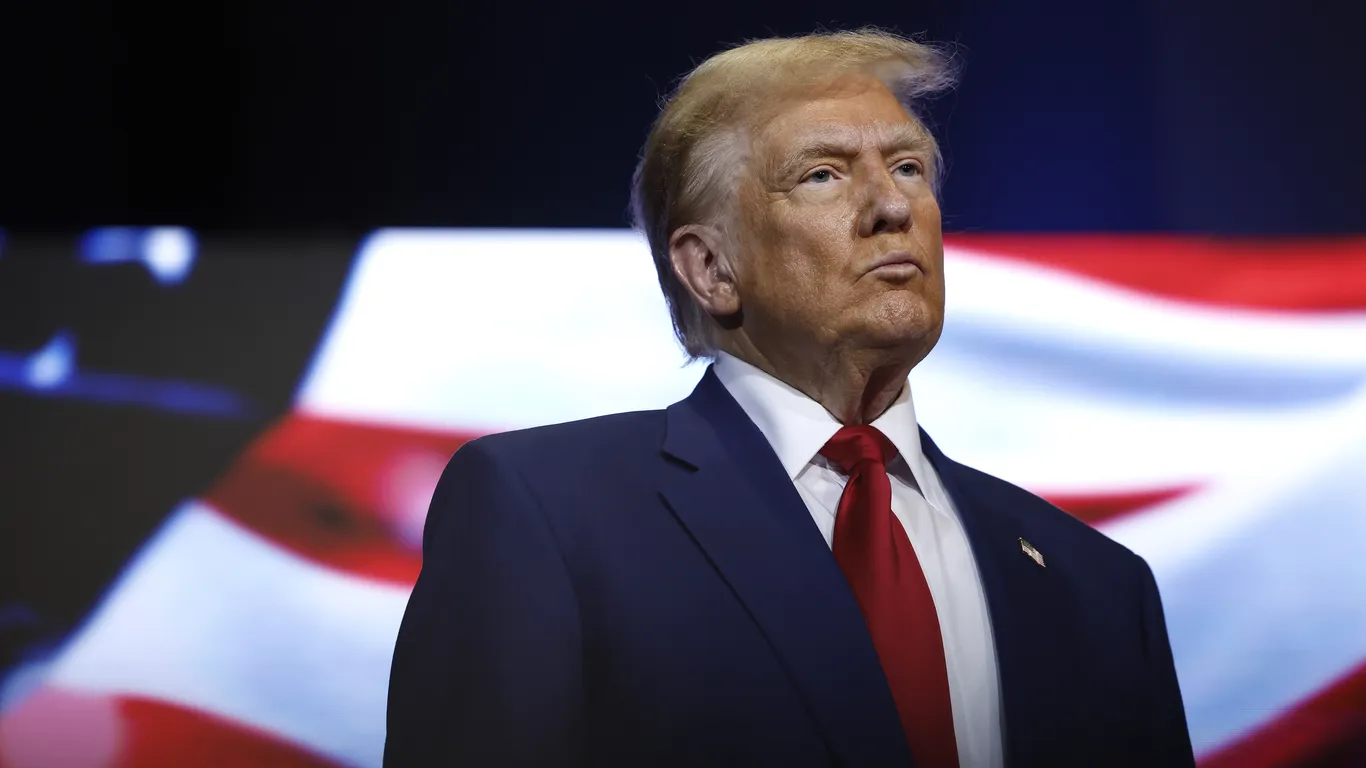
The Supreme Court is set to review the legality of President Trump's tariffs, which he claims will address the fentanyl crisis, boost manufacturing, and protect jobs, though they have raised concerns among investors and economists.
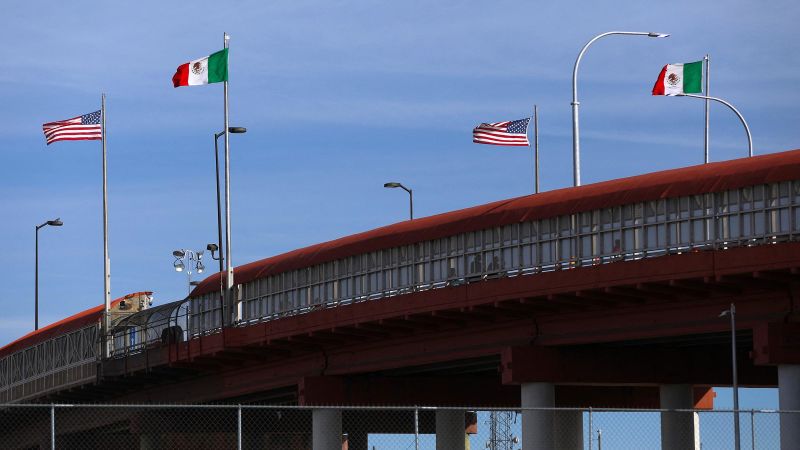
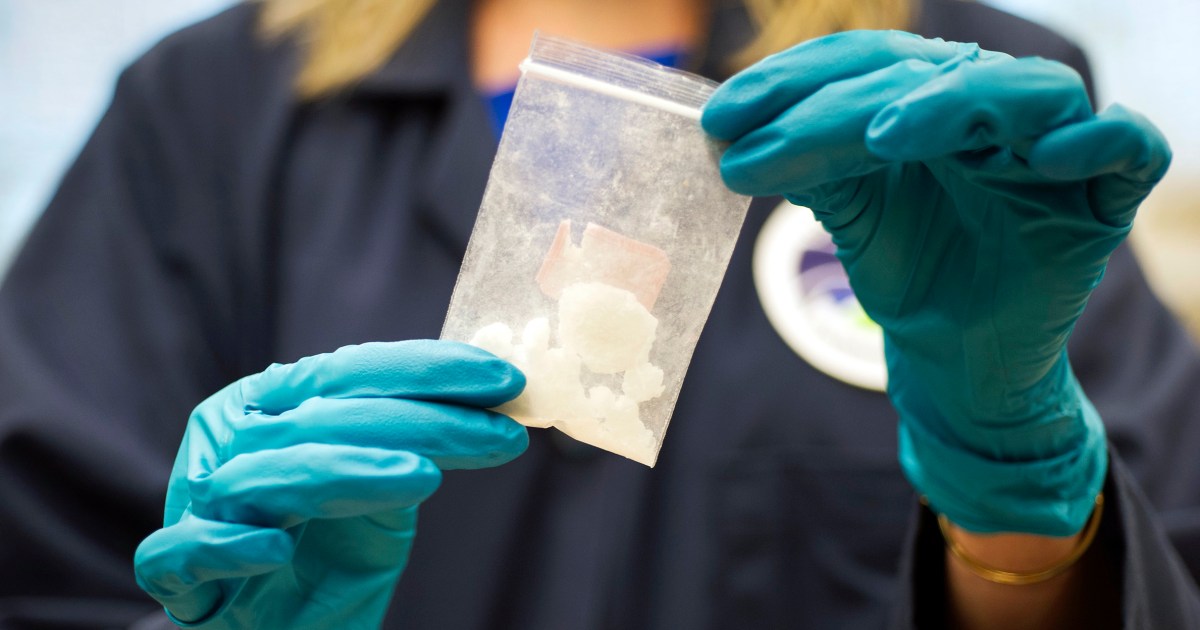
Mexico is seeking an agreement with President-elect Donald Trump to limit the number of non-Mexican deportees it receives from the US, similar to a deal with the Biden administration. Mexican President Claudia Sheinbaum emphasized Mexico's primary role in receiving its own citizens and is coordinating with border state governors to prepare for potential mass deportations. Sheinbaum denied agreeing to close the border, contrary to Trump's claims. The discussions follow a significant fentanyl bust in Mexico and highlight ongoing border and migration challenges.
Chad Chronister, President-elect Trump's nominee for the DEA, has withdrawn his candidacy following criticism from conservatives over his enforcement of COVID lockdowns as a Tampa-area sheriff. Chronister cited his commitment to ongoing initiatives in Hillsborough County as a reason for his withdrawal. His nomination was initially praised for his efforts against the fentanyl crisis, a major issue for the incoming administration. The Trump team has not commented on the withdrawal.
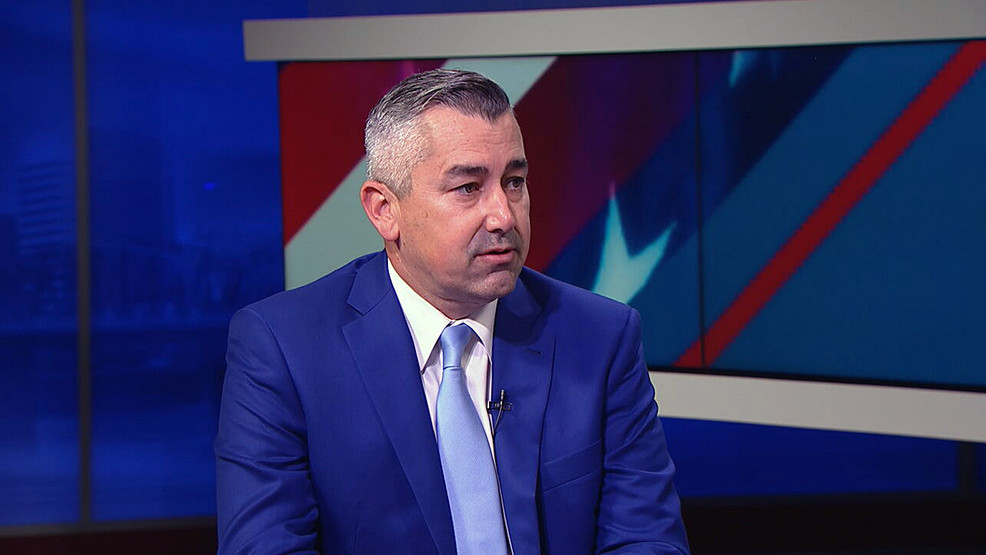
Nathan Vasquez, the newly elected Multnomah County District Attorney, aims to address the fentanyl crisis and end open-air drug dealing as his top priorities upon taking office. Vasquez, who ran a tough-on-crime campaign, unseated incumbent Mike Schmidt in the primary election. Schmidt, known for his progressive policies, conceded and committed to a smooth transition. Vasquez emphasized his focus on crime victims and community collaboration to achieve his goals.
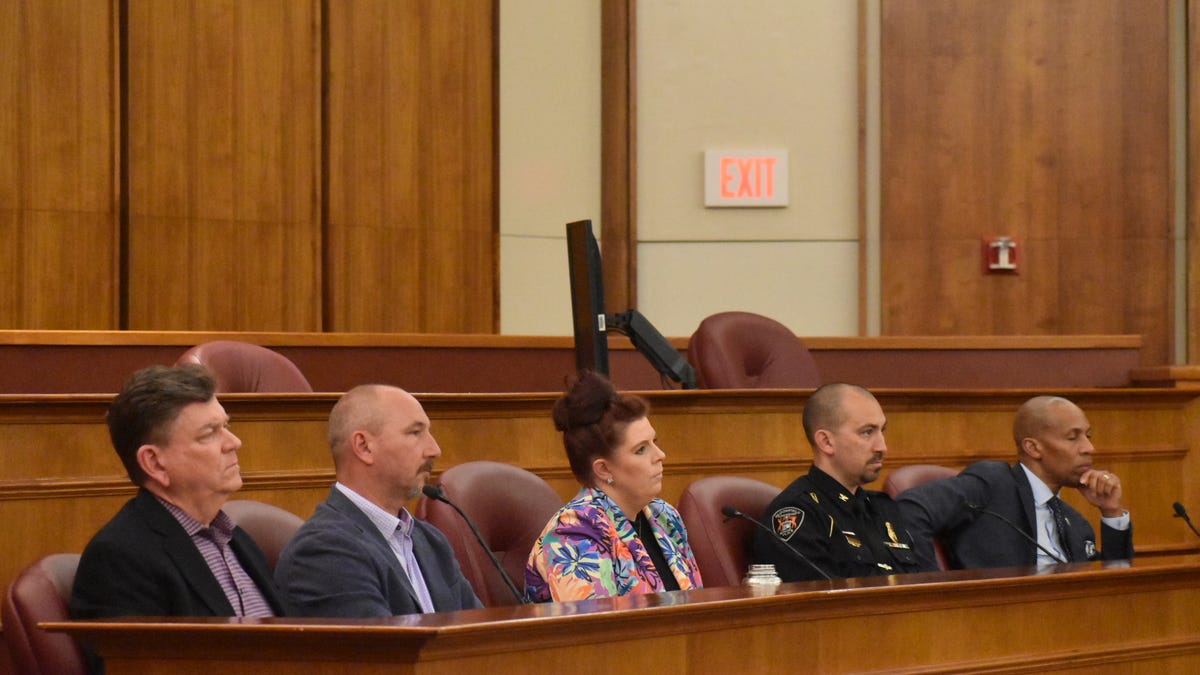
A town hall event in Oakland County addressed the fentanyl crisis, with law enforcement, education, prevention, and treatment experts discussing ways to combat the increase in overdose deaths linked to the drug. Fentanyl, a synthetic opioid, has been involved in a significant number of overdose deaths in Michigan, prompting calls for more education and prevention resources for families, law enforcement, and schools. The event highlighted the need for greater mental health resources in schools and emphasized the importance of real people sharing their stories to raise awareness and connect individuals with treatment services.
A special House committee report reveals that China is subsidizing the production of fentanyl precursors and synthetic drugs for export, fueling the fentanyl crisis in the U.S. The report also highlights China's obstruction of investigations into illicit manufacturers and recommends using trade and economic power to seek greater enforcement from Chinese authorities. The committee calls for financial sanctions on violators, forming a task force to combat drug trafficking, and clarifying the president's power to sanction those involved in drug trafficking.
A House panel report accuses the Chinese Communist Party of subsidizing the manufacturing and export of fentanyl materials, playing a significant role in the U.S. fentanyl crisis. The report recommends establishing a joint task force to counter opioids, bolstering sanctions authorities, and mobilizing trade and customs enforcement measures to restrict fentanyl trafficking. The U.S. and China have engaged in high-level talks about the fentanyl crisis, aiming to resume counternarcotics cooperation after a suspension by China following a 2022 trip by then-House Speaker Nancy Pelosi to Taiwan.
More than 2,000 unhoused people died in Los Angeles in 2023, with deaths increasing every year, revealing a humanitarian emergency as the housing crisis and drug addiction epidemic collide. The data, obtained from the LA county medical examiner, is likely an undercount, and the crisis is greater than captured. The deaths highlight challenges facing unhoused people, including fentanyl-related deaths, high rates of violence, untreated illnesses, and lack of affordable housing. The data also shows disparities in deaths among different racial groups and the impact of severe weather events on those living outside. Individual stories illustrate the struggles and tragedies faced by unhoused individuals, shedding light on the urgent need for comprehensive solutions to address homelessness and its associated crises.
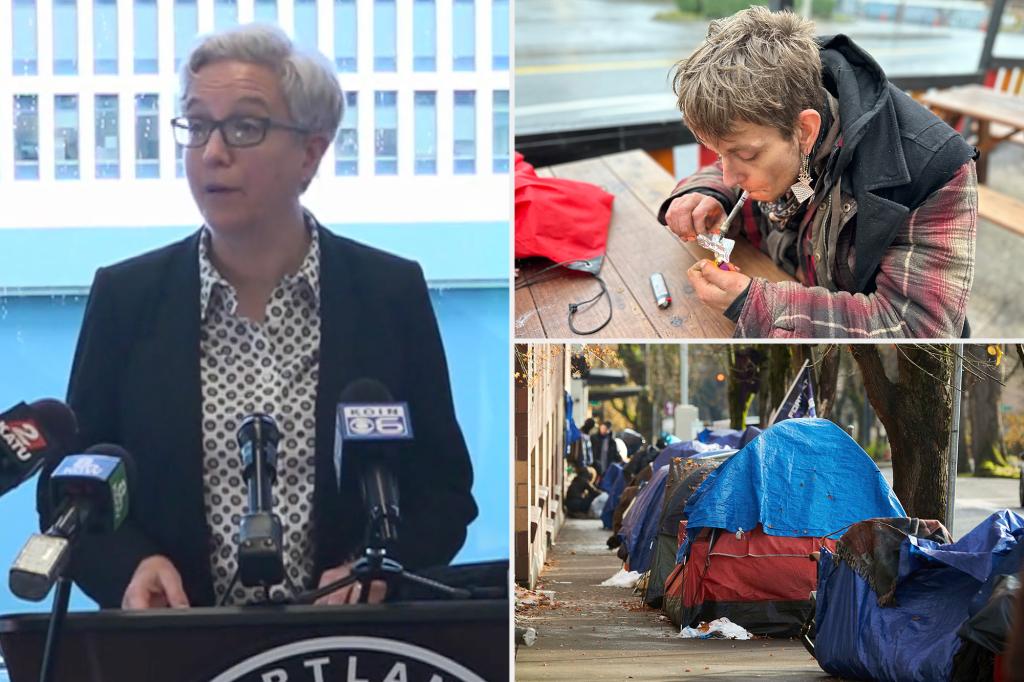
Despite the declaration of a state of emergency in Portland over its fentanyl crisis, the situation on the ground paints a different picture. Public drug-taking continues to be prevalent, with little visible response from law enforcement or city officials. Critics attribute the crisis to policies such as the decriminalization of all drugs, which they say have led to a surge in drug-related deaths and allowed public drug-taking to proliferate. Business owners in downtown Portland express frustration over the lack of action and support, while emergency room doctor and Multnomah County Commissioner Dr. Sharon Meieran calls for substantive measures to address the crisis.
Portland neighbors are frustrated by the lack of action from city and county officials in response to the fentanyl crisis, with open drug use and safety concerns plaguing neighborhoods. Despite a 90-day emergency declaration, there have been no updates on specific actions taken. Residents near the Portland Art Museum have witnessed a rapid deterioration of their neighborhood, prompting calls for more effective measures to address the crisis, including expanded "Clean and Safe" services. County officials are seeking measurable outcomes and specific goals for the emergency response, with updates expected in the coming week.
Oregon's drug and homeless crises have worsened since the state decriminalized drug possession in 2021, with fentanyl now the leading cause of fatal overdoses. The surge in fentanyl use has led to a state of emergency declaration in downtown Portland, prompting lawmakers to consider re-criminalizing drug possession. Advocates argue that the decriminalization law is addressing drug use with a health approach, while critics point to the rise in addiction, overdoses, and crime as evidence of its failure. The debate over drug policy and addiction treatment continues as Oregon grapples with the deadly impact of fentanyl on its communities.
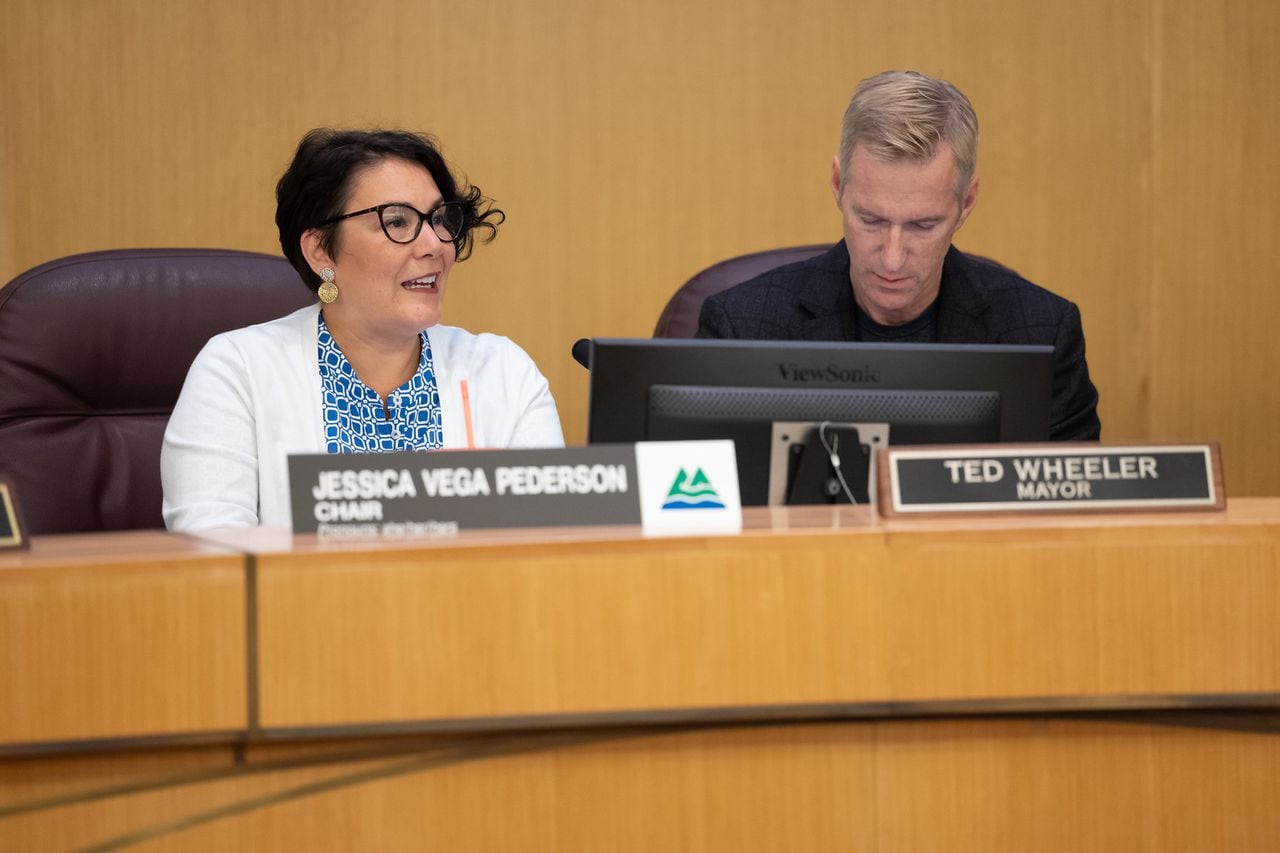
Multnomah County commissioners express frustration and division over the recent state of emergency declaration to address the fentanyl crisis in downtown Portland, criticizing the narrow geographic focus and calling for more aggressive action from their own government.
Oregon has declared a state of emergency over Portland's fentanyl crisis, just three years after decriminalizing drug use. The emergency command center will focus on drug overdose response and prevention, pooling resources across city, county, and state jurisdictions. The move comes after a 533% increase in synthetic opioid overdose deaths in Multnomah County. The state is grappling with the impact of its 2020 drug decriminalization law, which emphasized addiction treatment but has seen fentanyl proliferate on Portland streets. Efforts include cracking down on drug pushers, distributing Narcan, and potentially rolling back parts of the decriminalization law.
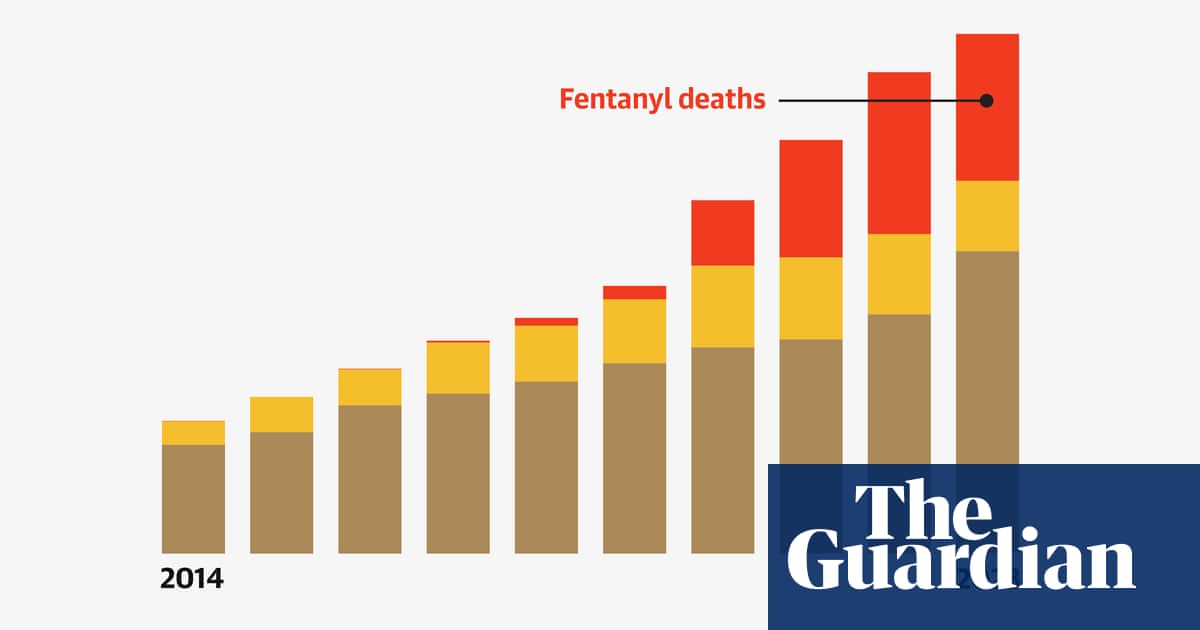
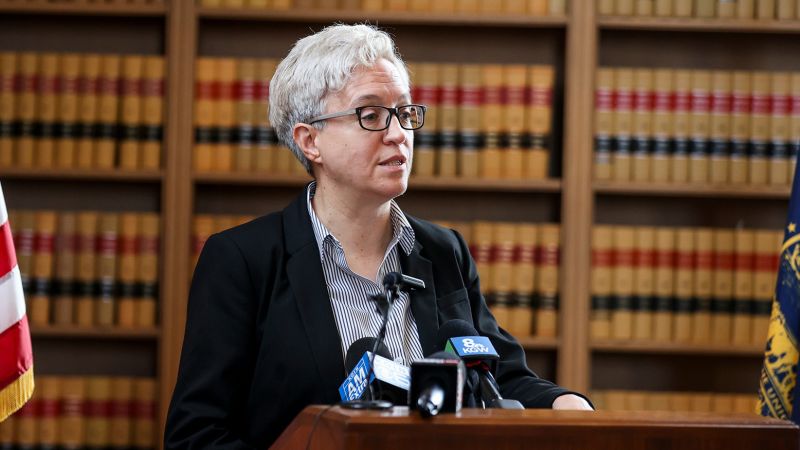
Oregon leaders, including Gov. Tina Kotek, declared a 90-day state of emergency in downtown Portland to address the deadly fentanyl crisis, citing a significant increase in opioid overdose deaths. The emergency order will allocate resources for public health campaigns, increased outreach for treatment and recovery services, and collaboration between law enforcement agencies to hold drug sellers accountable. The move comes in response to a surge in fentanyl-related deaths and overdoses, with the state experiencing a drastic increase in opioid overdose deaths from 280 in 2019 to 956 in 2022.
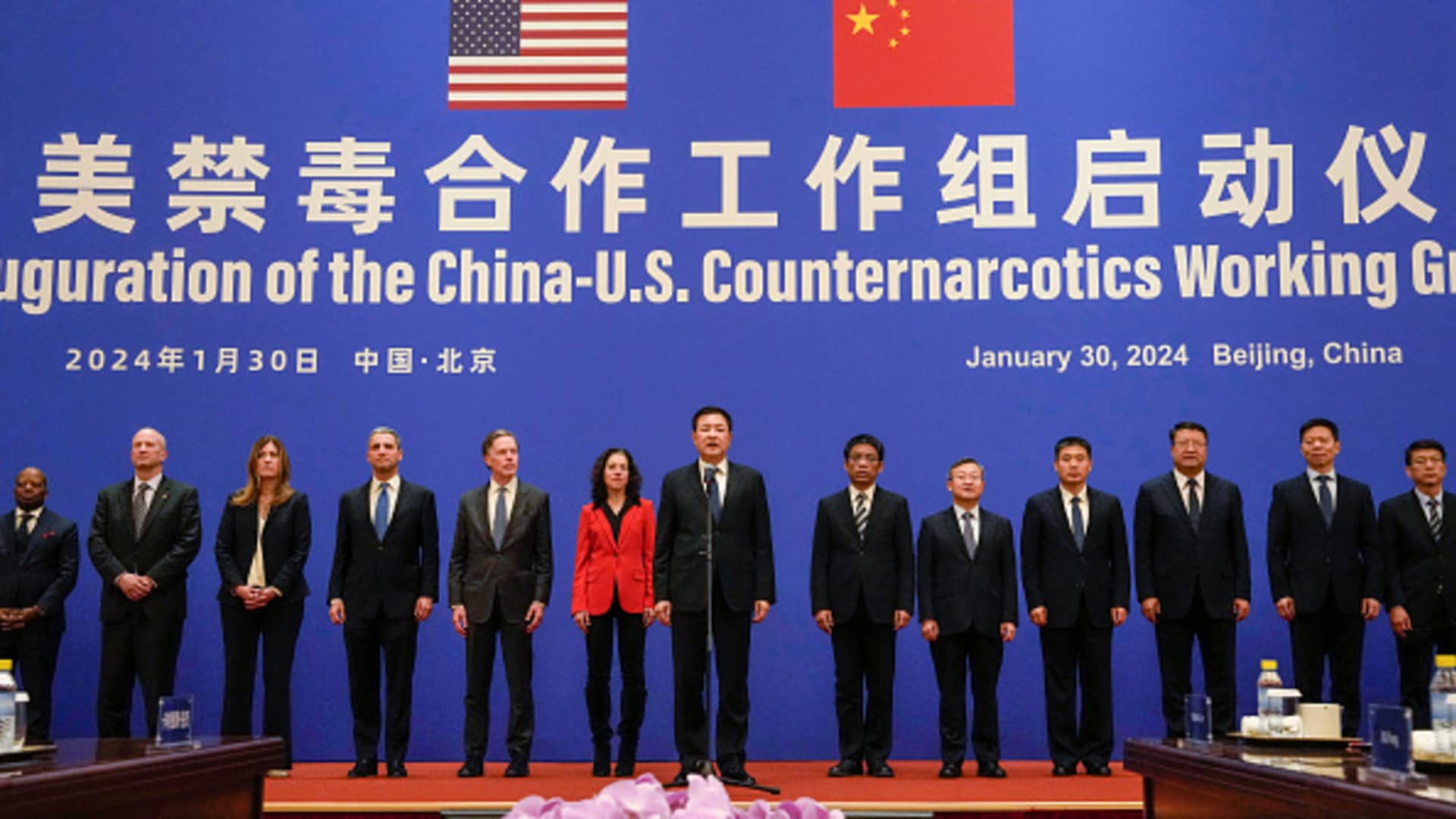
The U.S. and China have initiated "productive" talks in Beijing regarding the fentanyl crisis, aiming to reduce the illicit supply of the synthetic opioid responsible for numerous overdose deaths in the U.S. The establishment of the U.S.-China Counternarcotics Working Group signals a cooperative effort between the two countries, despite their strained bilateral relationship. While progress has been made, there is recognition that more needs to be done to address both the demand and supply aspects of the fentanyl issue.