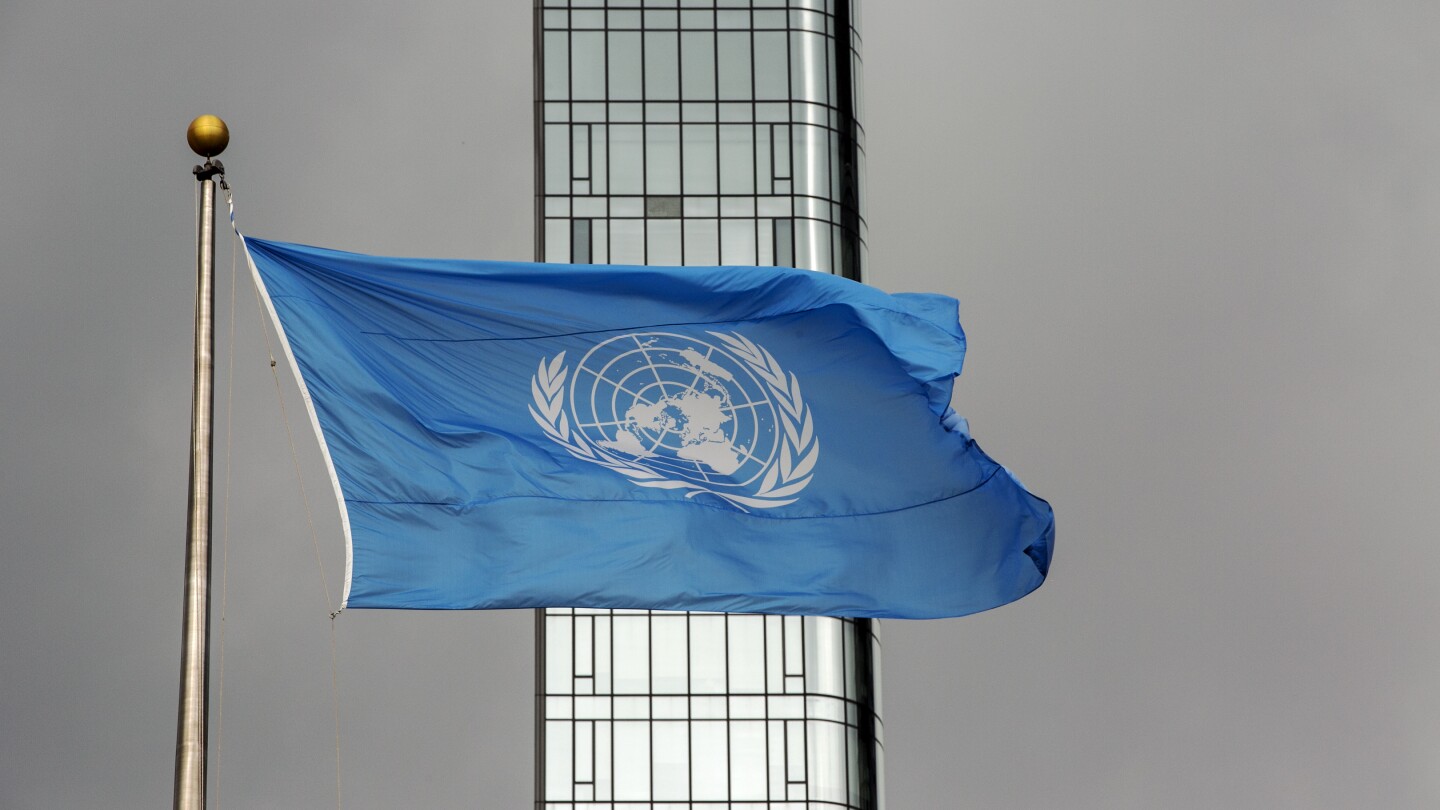
AI has been added to the list of major global challenges at the UN, with efforts underway to establish international governance through new bodies and forums, aiming to regulate AI's development and mitigate risks like misinformation and existential threats, though concerns remain about the effectiveness of these measures.
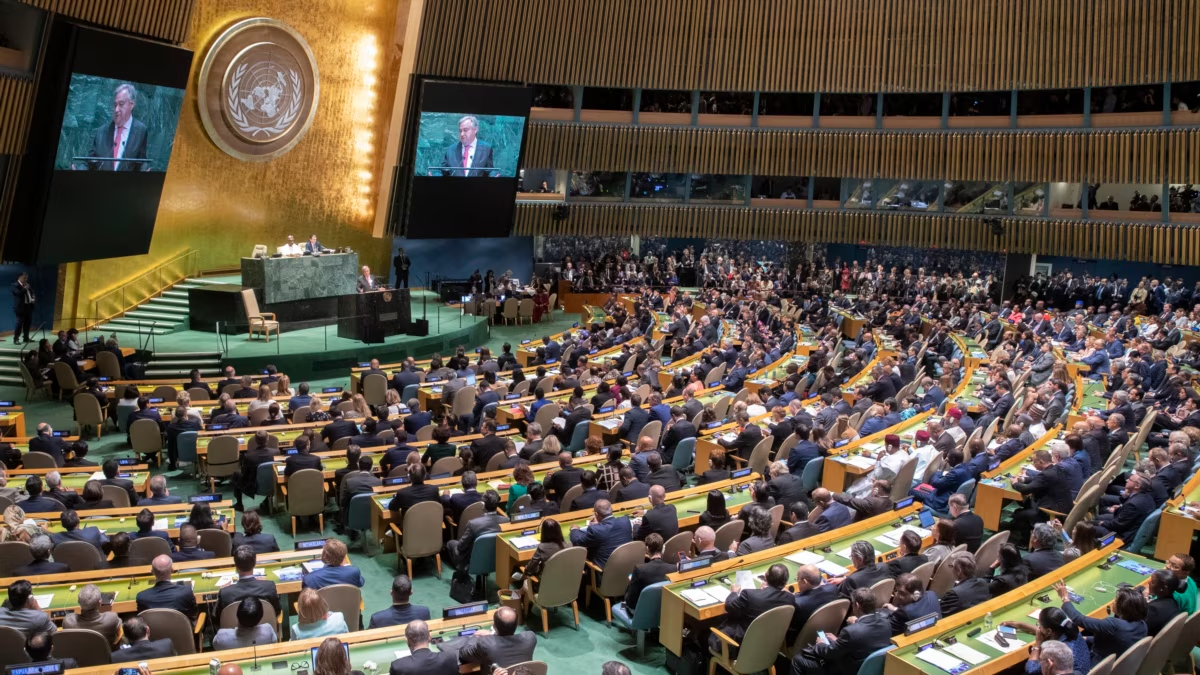
The UN General Assembly opened in NYC on its 80th anniversary, with Guterres emphasizing the need for international cooperation and peace, while Trump delivered a controversial speech boasting about his achievements, criticizing the UN, and discussing issues like migration, energy, and global stability.
US Treasury Secretary Janet Yellen met with Chinese Premier Li Qiang in Beijing, expressing a message of mutual cooperation despite differences and stating that the bilateral relationship has been put on a more stable footing. The US and China have agreed to hold intensive exchanges on balanced economic growth and combatting money laundering. Yellen's visit coincides with Russian Foreign Minister Sergey Lavrov's planned visit to China, with discussions on the US-China relationship regarding Russia. Yellen also emphasized the critical role of local governments in China's economy during a meeting with Beijing Mayor Yin Yong.
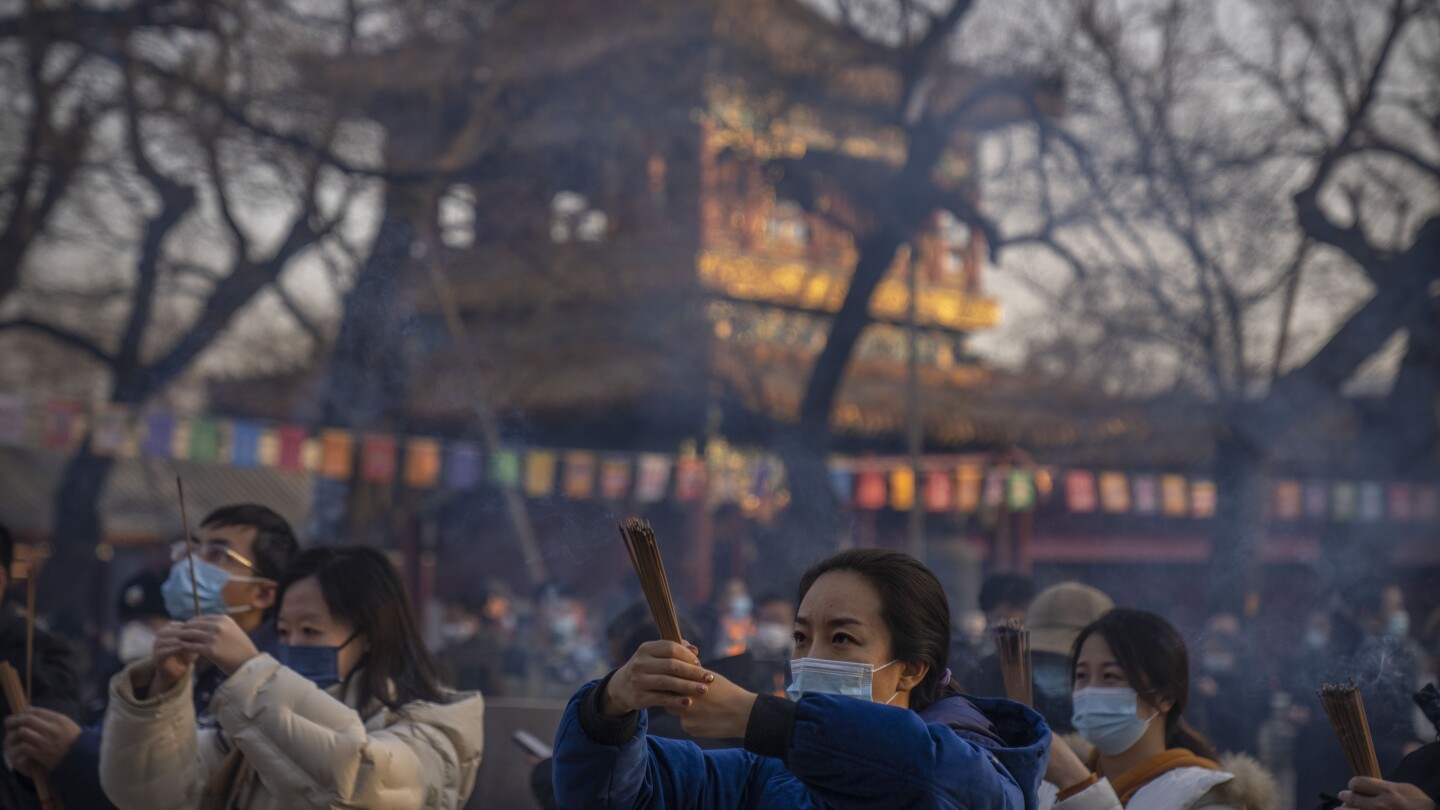
China's hopes for a robust economic recovery in 2023 were dashed as the year comes to a close, with challenges including strained ties with the West due to conflicts in Gaza and Ukraine, a falling birthrate and aging population, rivalry with the United States over technology and territorial disputes, and the need to balance the ruling Communist Party's tightening grip on society with economic growth. Despite a brief period of optimism as COVID-19 restrictions eased, China's economic rebound was short-lived, with a slowdown in the economy, a real estate crisis, and a rise in unemployment. The country's prospects for 2024 remain uncertain as it seeks to restore its global stature and navigate the changing world order.
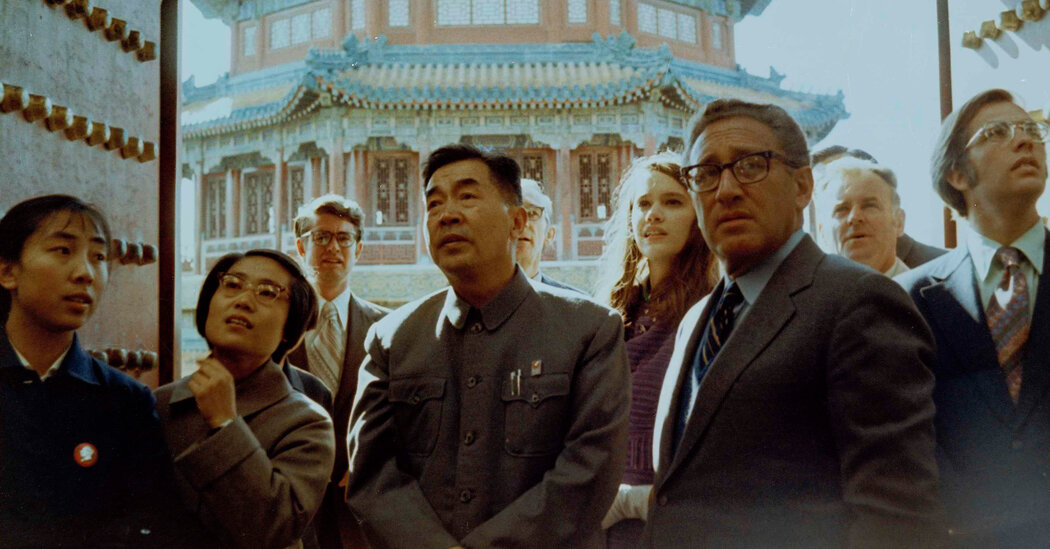
In this opinion piece, David Daokui Li, a professor of economics at Tsinghua University, reflects on the impact of Henry Kissinger's approach to China. Li acknowledges his initial misunderstanding of Kissinger's visit to China in 1972 and highlights the positive changes that followed, including China's era of reform and opening. Li argues that Kissinger's understanding of China's perspective and his belief in treating China as an equal partner in resolving global challenges are still relevant today. He cautions against viewing China as a great threat and advocates for cooperation rather than a hawkish approach in US-China relations. Li concludes by emphasizing the need for American statesmen to learn from Kissinger's views on China.
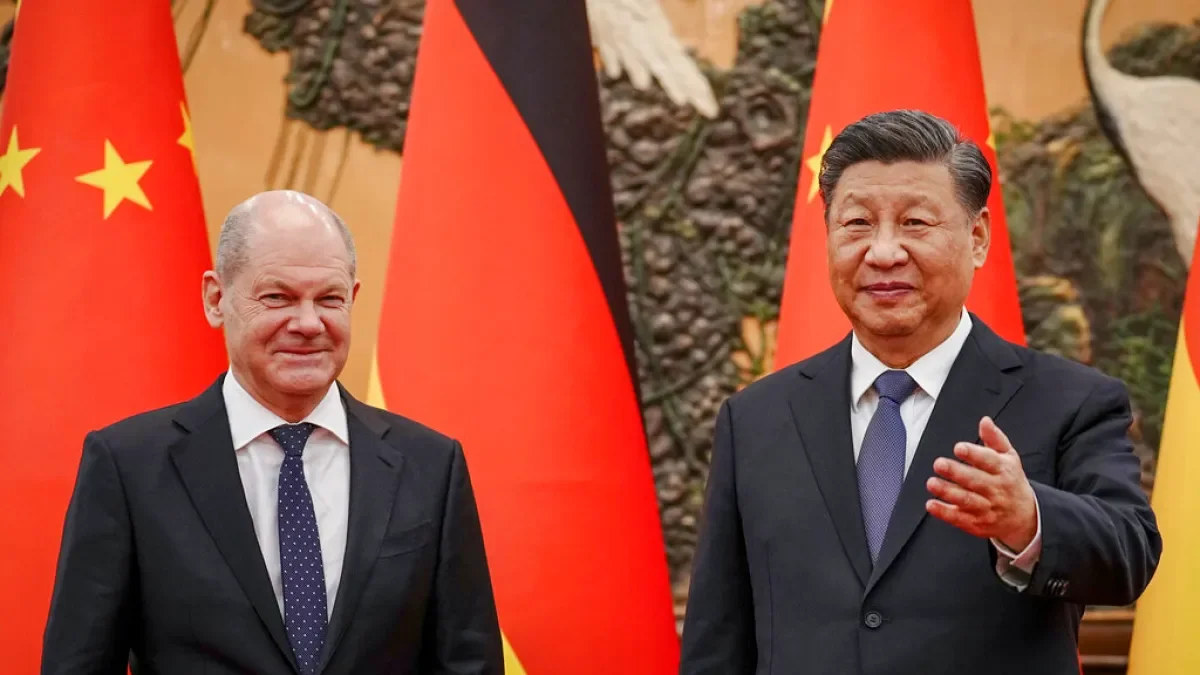
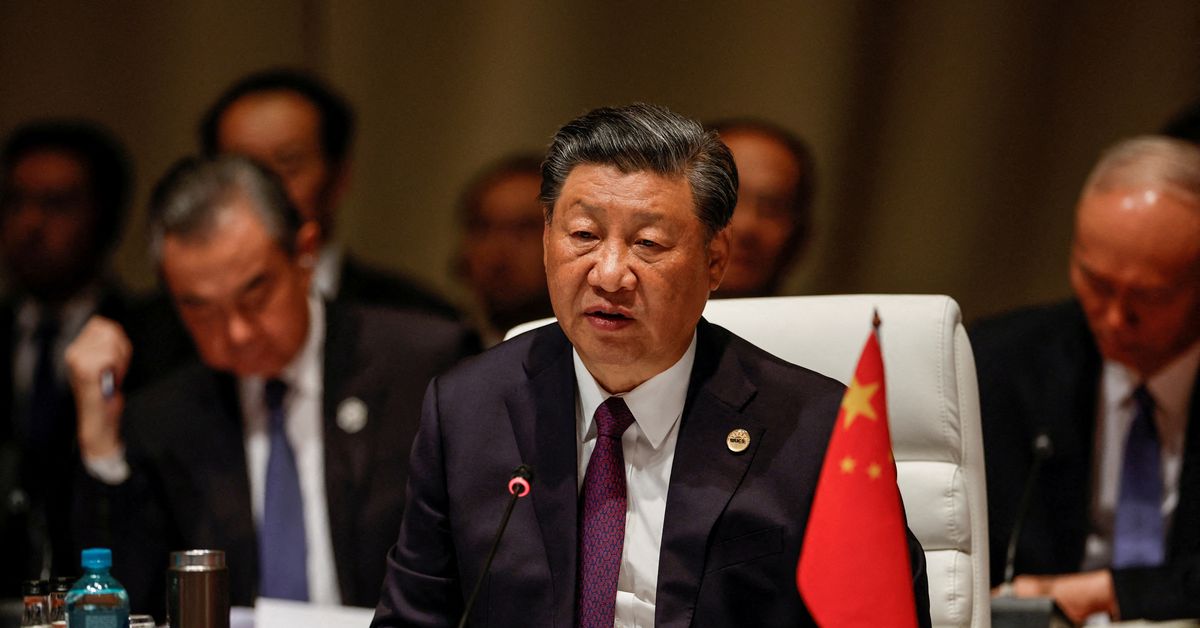
Chinese President Xi Jinping and German Chancellor Olaf Scholz held a video call, discussing the improving relations between the two countries and the need to uphold marketization and fairness in trade. Xi mentioned new policies to encourage foreign investment in China. Tensions between China and the EU are growing over issues such as unfair trade practices and China's relationship with Russia. Germany, as Europe's largest economy, has maintained a more friendly relationship with China. They also discussed the worsening international situation, including the conflicts in Gaza and Ukraine, emphasizing the need to safeguard the international order and address global challenges.
Chinese President Xi Jinping and German Chancellor Olaf Scholz discussed the strengthening cooperation between China and Germany in a video chat, highlighting the steady development of trade, high investment enthusiasm, and improved stability in bilateral relations. Xi urged Germany to uphold marketization and fairness principles, work with China to maintain fair market competition and free trade, and ensure the stability of global industrial and supply chains. Both leaders emphasized the importance of addressing global challenges and promoting a balanced and sustainable security architecture.
President Biden met with China's Foreign Minister Wang Yi, emphasizing the need for responsible management of competition and open communication between the US and China. He also expressed condolences on the passing of former Premier Li Keqiang.
Chinese President Xi Jinping expressed China's willingness to cooperate with the United States and manage their differences in order to respond to global challenges. Xi emphasized the importance of establishing the "right" way of getting along between the two countries. This statement comes ahead of a visit by Chinese Foreign Minister Wang Yi to Washington, which is expected to pave the way for a meeting between President Joe Biden and Xi Jinping at the November APEC summit. The United States aims to prevent the intense competition and disagreements between the two countries from escalating into conflict, and Chinese observers believe that concrete efforts and sincerity from Washington are necessary to address Beijing's concerns.
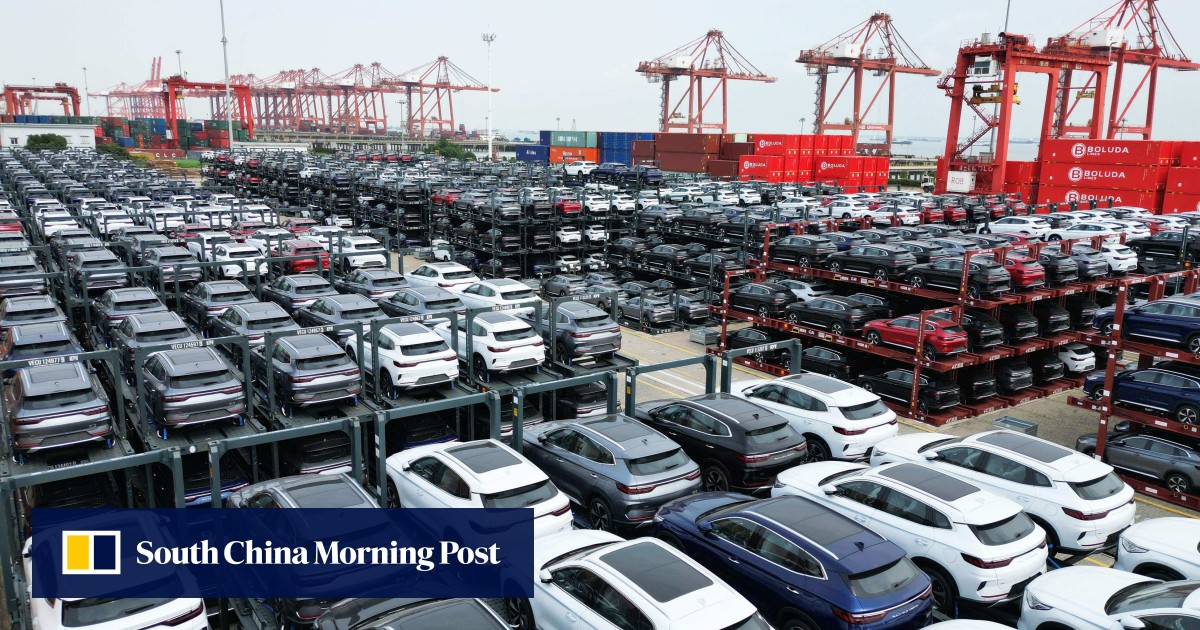
China and Germany have pledged to strengthen economic cooperation and open up financial markets in order to spur economic growth and address global challenges. The two countries agreed to enhance policy coordination, defend global financial security and trade rules, and ensure smooth supply chains. The talks come as both nations grapple with economic downturn risks and as Germany reassesses its relationship with China. China expressed willingness to deepen cooperation with Europe and Germany, particularly in the areas of electric vehicles and Huawei's 5G technology. Despite disagreements, both sides emphasized the importance of maintaining cooperation and understanding for the future of bilateral ties.
United Nations Secretary-General Antonio Guterres delivered a stark and urgent message to world leaders at the annual meeting, warning of growing conflicts, deepening divides, and the worsening climate crisis. Guterres emphasized the need for strong global institutions, particularly the United Nations, to address the challenges facing humanity. He called for major reforms and urged world leaders to attend a "Summit of the Future" and negotiate a "Pact for the Future" to tackle these issues. Guterres acknowledged the difficulty of reaching agreement but emphasized the necessity of urgent action, stating that the alternative to reform is further fragmentation. However, there are concerns about the effectiveness of the United Nations and whether it can adapt to the complexities of the 21st century.
UN Secretary-General António Guterres has drafted a policy brief titled "A New Agenda for Peace," which outlines the future of multilateral security cooperation. The report addresses a wide range of topics, including peacekeeping missions, women's rights, climate change, and cyber-security. It emphasizes the need for inter-governmental engagement and diplomacy to address global challenges, while also highlighting the importance of conflict prevention, peacebuilding, and national infrastructures for peace. The report calls for greater attention to gender equality and the impact of climate change on peace and security. It suggests that the UN should adapt to facilitating international cooperation rather than leading it, and urges member states to take responsibility for establishing new frameworks to address urgent challenges.
President Vladimir Putin addressed the Shanghai Cooperation Organization (SCO) meeting, claiming that the Russian people were "united as never before" following a short-lived armed rebellion. The SCO, founded by Russia and China, welcomed Iran as a new member, bringing the total membership to nine nations. Putin praised the SCO's role in international affairs and thanked member nations for their support during the rebellion. The summit also addressed global challenges such as disruptions in food, fuel, and fertilizer supplies. Indian Prime Minister Narendra Modi warned against countries using terrorism as a state policy, while Pakistan's Prime Minister Sharif defended his country's role in fighting terrorism. The SCO meeting provided Putin an opportunity to demonstrate control after the rebellion and showcase Russia's influence in the region.
President Vladimir Putin addressed the Shanghai Cooperation Organization (SCO) meeting, claiming that the Russian people were "united as never before" following a short-lived armed rebellion. The SCO, founded by Russia and China, welcomed Iran as a new member, bringing the total membership to nine nations. Putin praised the SCO's role in international affairs and thanked member nations for their support during the rebellion. The summit also addressed global challenges such as disruptions in food, fuel, and fertilizer supplies. Indian Prime Minister Narendra Modi warned against countries using terrorism as a state policy, while Pakistan's Prime Minister Sharif defended his country's role in fighting terrorism. The SCO meeting provided Putin an opportunity to demonstrate control after the rebellion and showcase Russia's influence in the region.
Treasury Secretary Janet Yellen is set to visit Beijing this week for meetings with senior Chinese officials, aiming to ease tensions between the two countries. Yellen will discuss the importance of responsible management of the US-China relationship, direct communication about concerns, and collaboration on global challenges.