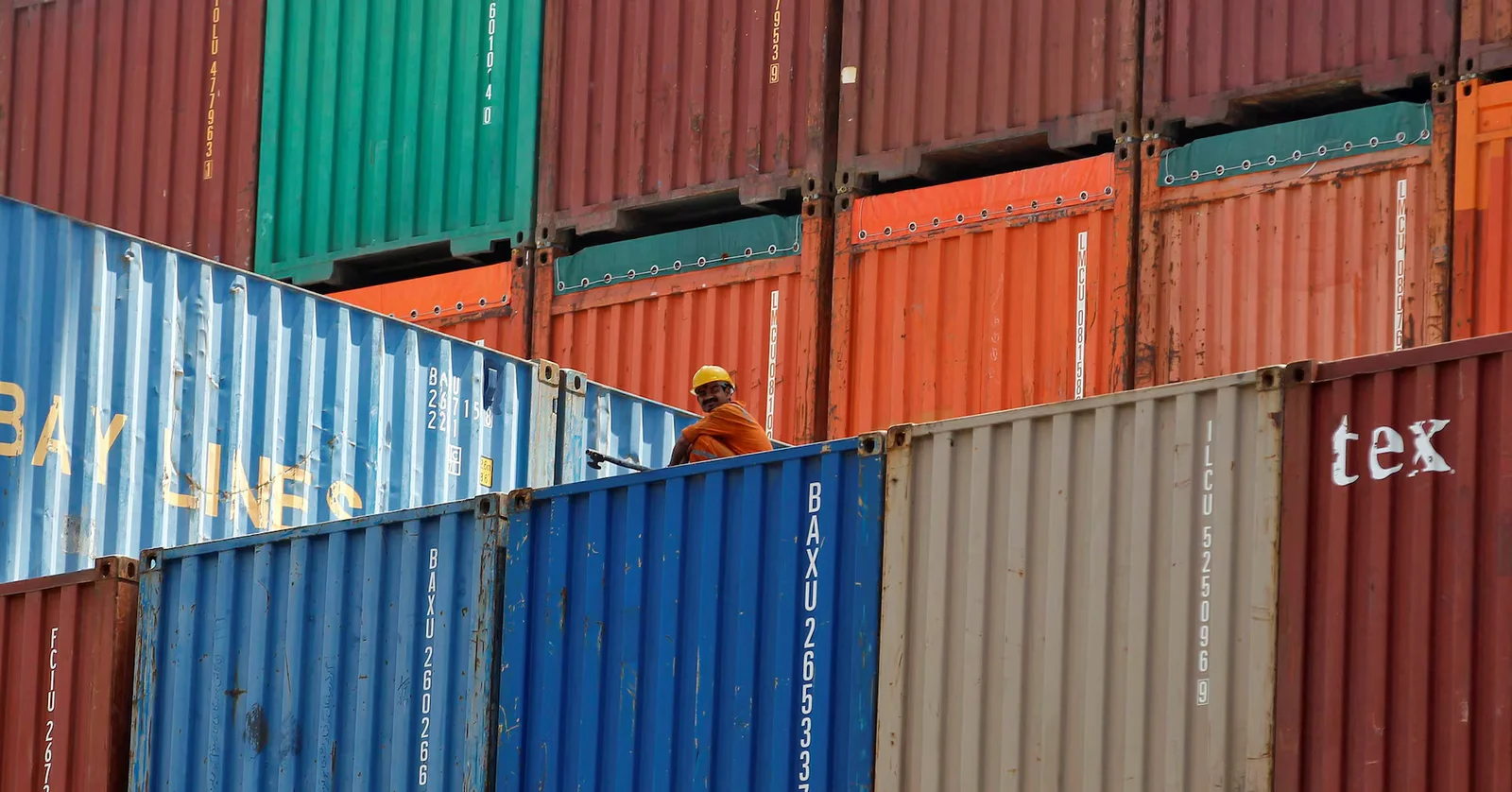
The US has imposed a 25% tariff on Indian goods, citing India's continued Russian oil imports, escalating tensions and risking significant disruption to Indian exports worth nearly $87 billion, amid stalled trade talks and shifting geopolitical alliances.
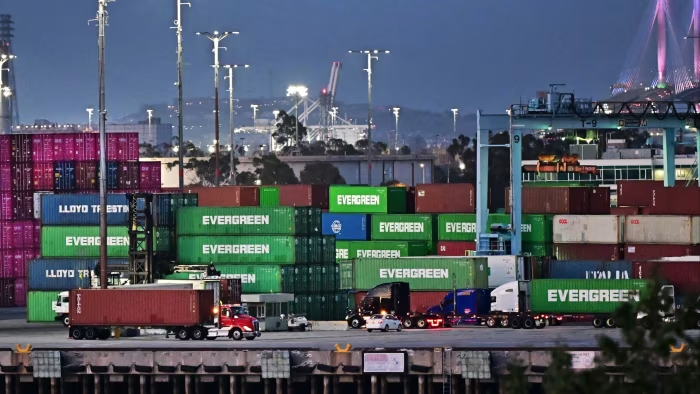
The article examines the impact of Donald Trump's tariffs on Georgia's economy, highlighting disruptions in shipping, the wine and film industries, and broader economic uncertainty, which are causing mixed effects and strategic adjustments among local businesses.
US goods imports fell by nearly 20% in April, the largest decline on record, due to tariffs imposed by President Trump, which disrupted trade and caused companies to delay shipments, leading to a slowdown in consumer spending and a potential boost in domestic manufacturing in the second quarter.
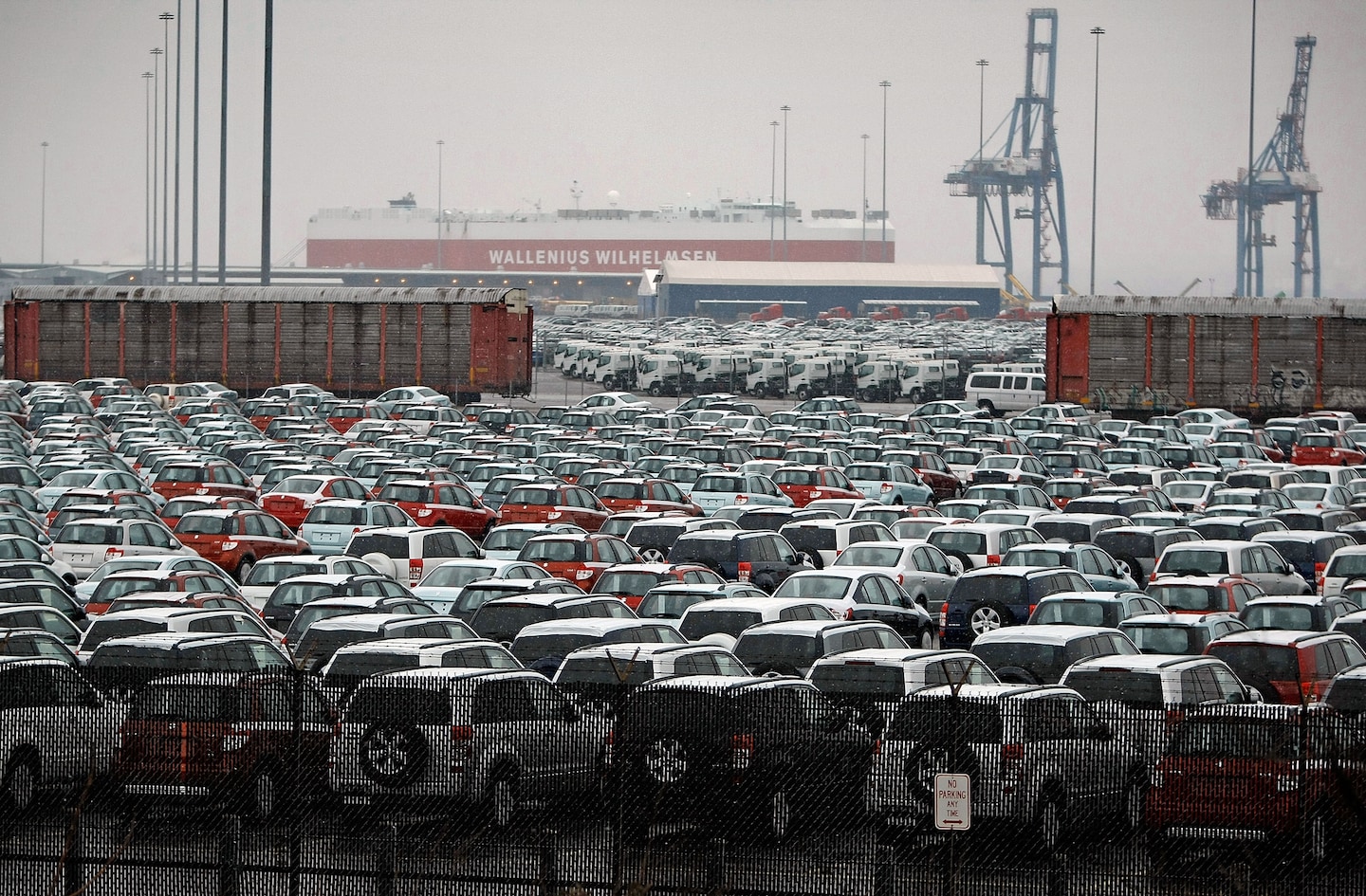
The collapse of the Francis Scott Key Bridge in Baltimore has disrupted the Port of Baltimore, impacting the supply chain for cars, coal, and tofu. The suspension of vessel traffic at the port threatens to further complicate already-stressed supply chains, affecting the movement of autos, construction machinery, and coal. The port's closure will require rerouting cargo to other ports, potentially causing logistical challenges and disruptions to global trade.
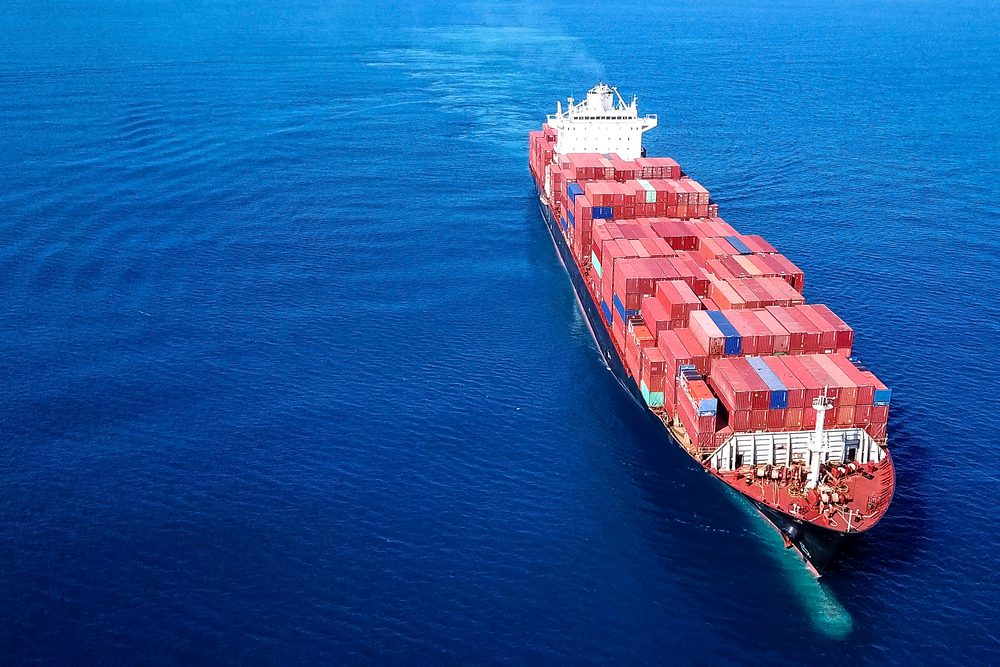
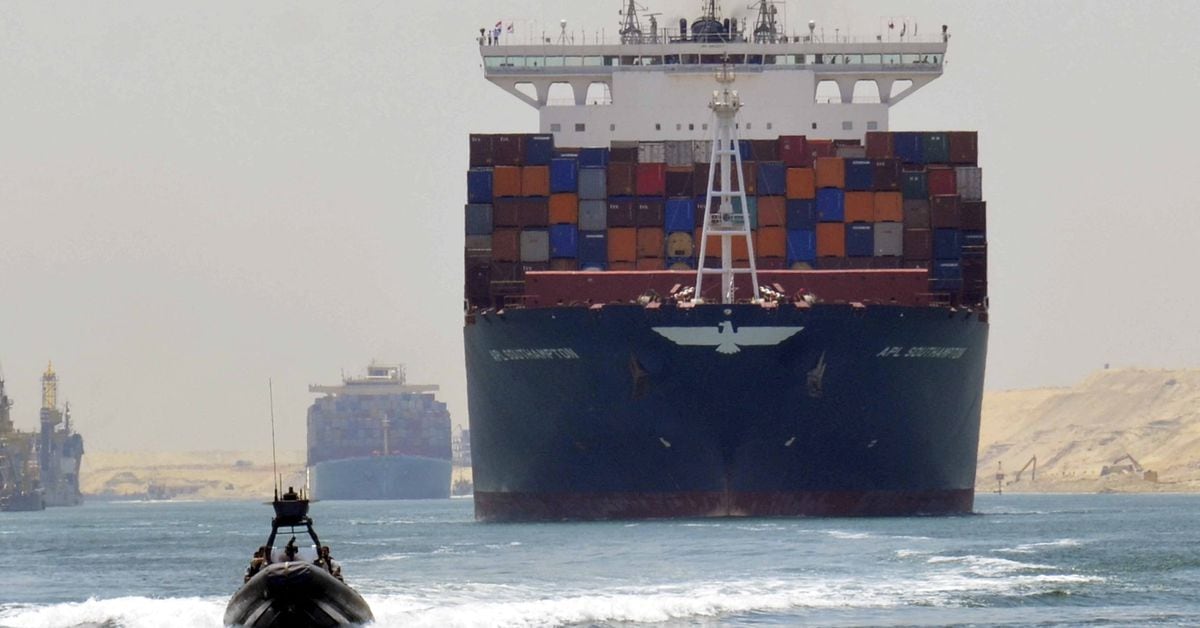
Attacks by Iranian-backed Houthi militants in the Red Sea have disrupted shipping in the Suez Canal, impacting around 15% of global sea trade and potentially derailing plans to cut interest rates in Europe. While the disruptions have not yet significantly affected the European economy, prolonged trade disruption could lead to increased inflation and impact firms and the economy. The situation may prompt companies to consider alternative, more secure supply routes, but these options are likely to come with higher costs.
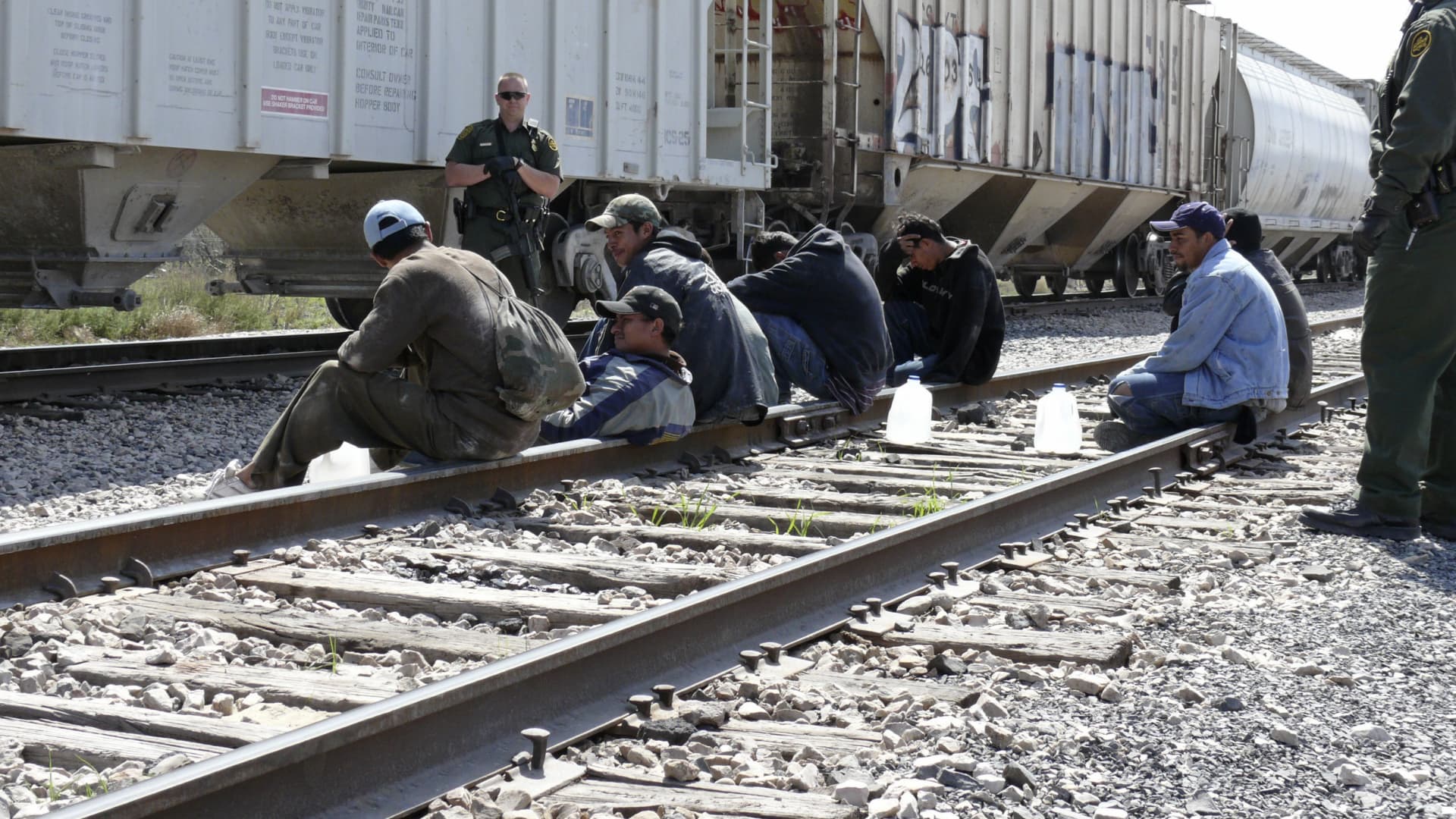
Major railroads Union-Pacific and BNSF are calling for the reopening of key Texas border crossings in El Paso and Eagle Pass, as the closure due to the surge of migrants has halted almost half a billion dollars in trade. Union Pacific estimates that $200 million worth of trade moves in and out of these crossings daily, and the closures have affected 45% of their cross-border business. The closures have sparked concerns from industries such as grain and chemicals, as well as the U.S. Chamber of Commerce, who argue that halting legal commerce will not secure the border. Both railroads refute claims that migrants are crossing into the U.S. on trains, stating that they have security measures in place. The closure of these crossings has caused significant economic harm and delays in operations on both sides of the border.
Shipping companies are uncertain about the details and effectiveness of a new international navy coalition led by the United States to combat attacks in the Red Sea. The initiative, launched in response to increased attacks by Iran-backed Houthi militants on vessels in the region, aims to protect commercial shipping and maintain the crucial trade route linking Europe, North America, and Asia. However, the lack of information about the coalition's size, deployment time, rules of engagement, and protection scheme has led many shipping companies to continue avoiding the area or canceling contracts. The attacks have disrupted trade through the Suez Canal, causing container shipping costs to rise as companies seek alternative routes. The success of the coalition's efforts remains uncertain, and the shipping industry is waiting for concrete action to ensure the safety of their operations.
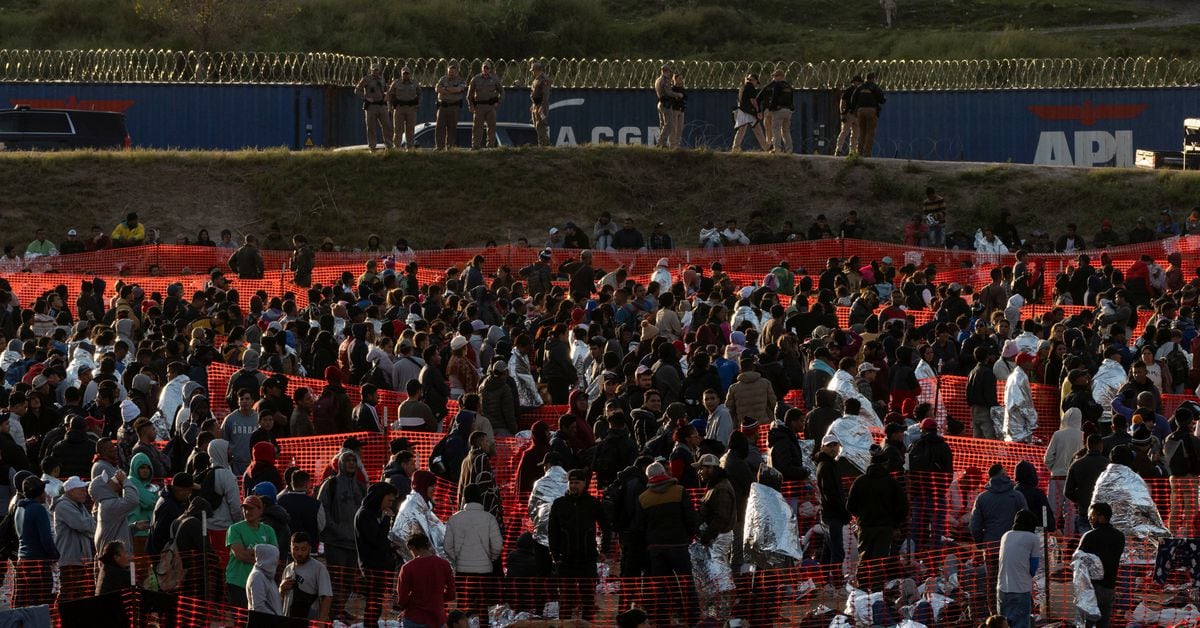
Railroad companies and business groups are urging the U.S. government to reopen trade routes on the Texas-Mexico border after two crossings were closed due to a surge in migrant crossings. The U.S. Border Patrol apprehended around 10,800 migrants at the southwest border on Monday, with 40% being families or unaccompanied children. The closure of rail bridges in Eagle Pass and El Paso has raised concerns about significant economic harm and supply chain disruptions. The closures account for about 45% of Union Pacific's cross-border shipments, with an estimated overall economic impact of over $200 million per day. The closure of crossings is also expected to result in huge losses for agricultural trade.
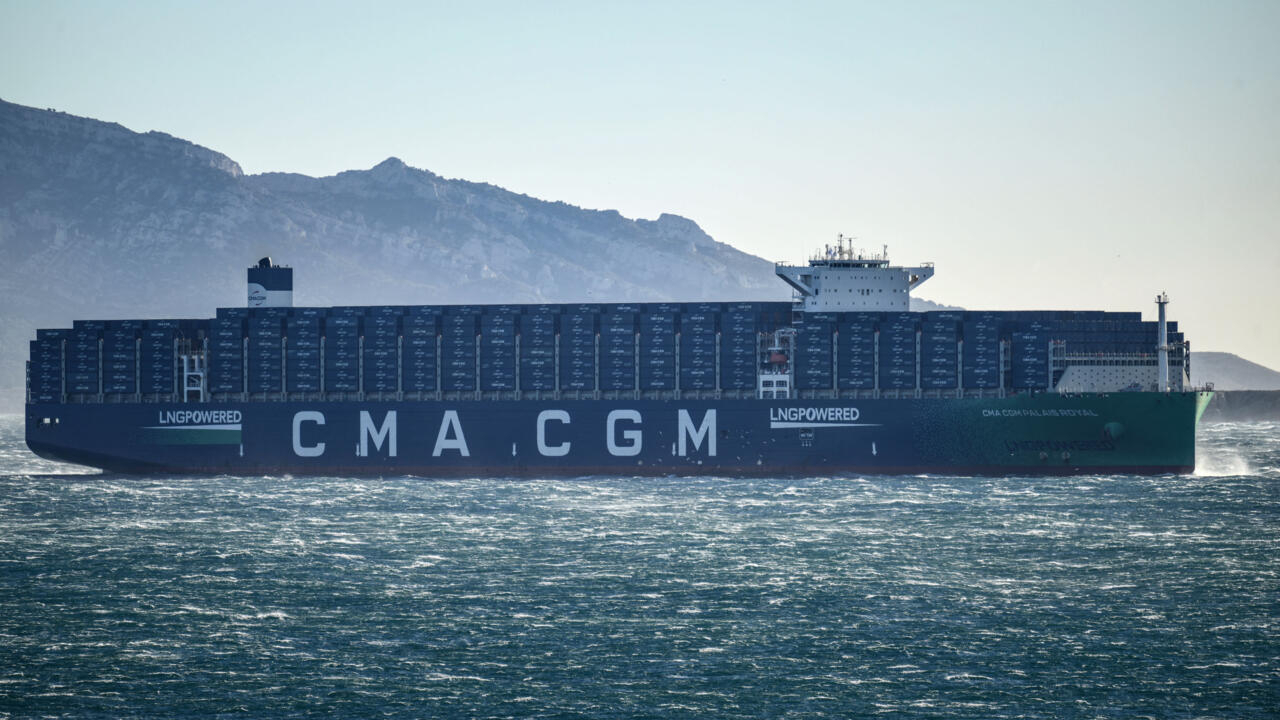
Mediterranean Shipping Company (MSC) and CMA CGM have joined Maersk and Hapag-Lloyd in suspending passage through the Red Sea strait due to attacks by Yemeni Houthi rebels. The rebels, who control much of Yemen, are targeting vessels near the Bab al-Mandab strait to pressure Israel over the Gaza conflict. This move raises concerns about trade disruption, as 40% of the world's international trade passes through the strait. The tensions have also led to military responses, with the US and UK shooting down drones launched from Houthi-controlled areas.
Economists are concerned about the potential major disruption to the global economy if the Israel-Hamas conflict escalates further. The conflict poses risks such as driving up energy prices and disrupting key trade routes. The Middle East is a crucial supplier of energy and a key shipping passageway for global trade. Any expansion of the war could lead to a long-term threat to global energy and trade infrastructure. The conflict has already led to increased economic uncertainty and could exacerbate existing economic challenges. Emerging market economies, particularly net energy importers, are vulnerable to sustained higher energy prices. The scale of devastation in Gaza will require significant reconstruction efforts, likely financed by Gulf powerhouses.
The International Longshoremen and Warehouse Union (ILWU) in Canada has called off its strike after a day of on-again, off-again strikes. The strike notice was initially announced, then withdrawn, and later reinstated. The strike has caused turmoil in logistics and trade, with delays in supply chains and disruptions to global trade. The Canadian government is evaluating options to resolve the labor turmoil, while logistics managers and trade experts express concerns about the impact on the supply chain. The strike has led to delays in rail trade, congestion at ports, and increased costs for consumers. The ILWU and the British Columbia Maritime Employers Association have been in negotiations over wage increases and job protection.
Rail trade between Canada and the U.S. has plummeted nearly 50% due to an ongoing strike at Canadian West Coast ports. Sectors such as forest products, oil and petroleum, non-metallic minerals, and chemicals have been heavily impacted. The strike has raised concerns about supply chain disruptions and congestion at U.S. ports. The longer the strike persists, the greater the impact on the North American economy. Negotiations between the International Longshoremen and Warehouse Union of Canada and the British Columbia Maritime Employers Association have been tense, with no resolution in sight. The strike has led to vessel diversions and delays in rail containers, adding additional costs and time to the supply chain.