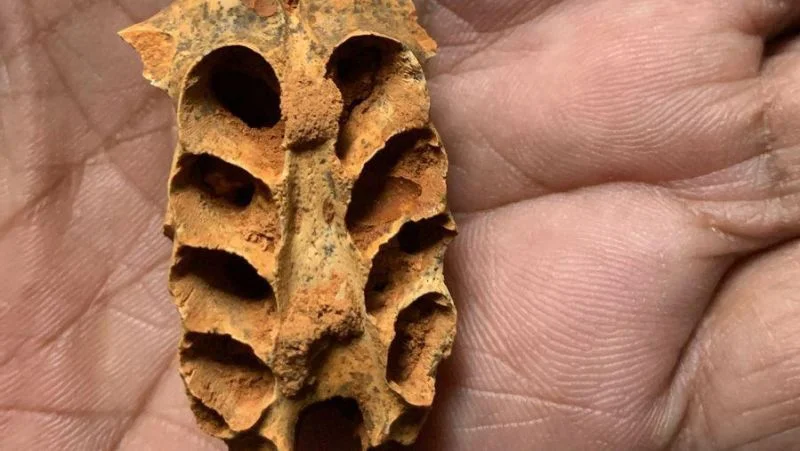
Researchers discovered 20,000-year-old fossilized bee nests inside bones in a Caribbean cave, revealing an unusual nesting behavior where bees used bones and built nests in caves, expanding understanding of bee ecology and adaptation in ancient environments.
Large underground tunnels in South America, initially thought to be human-made, are now believed to be the work of extinct giant ground sloths, based on footprints and tunnel characteristics, revealing new insights into Pleistocene ecosystems and animal behavior.
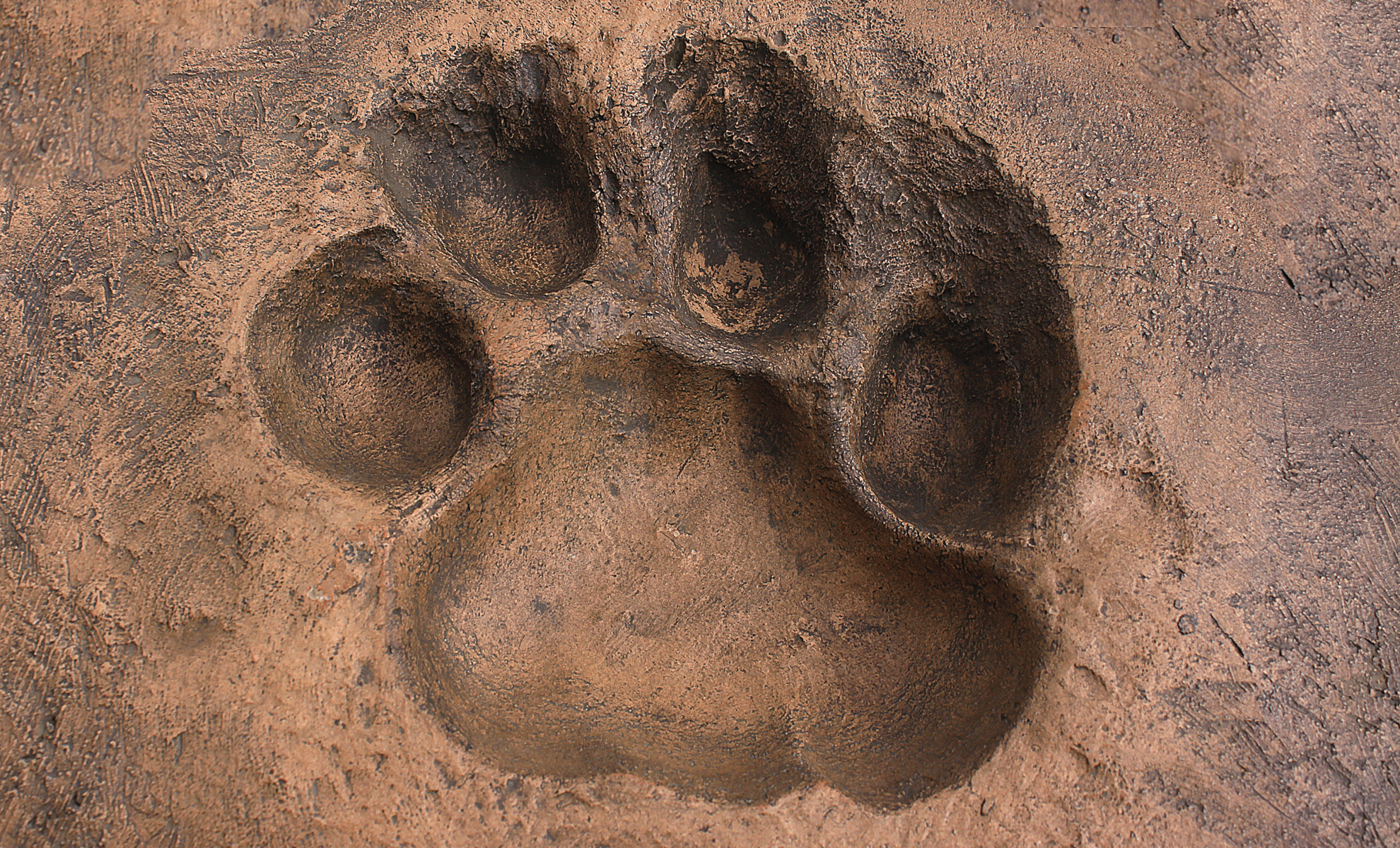
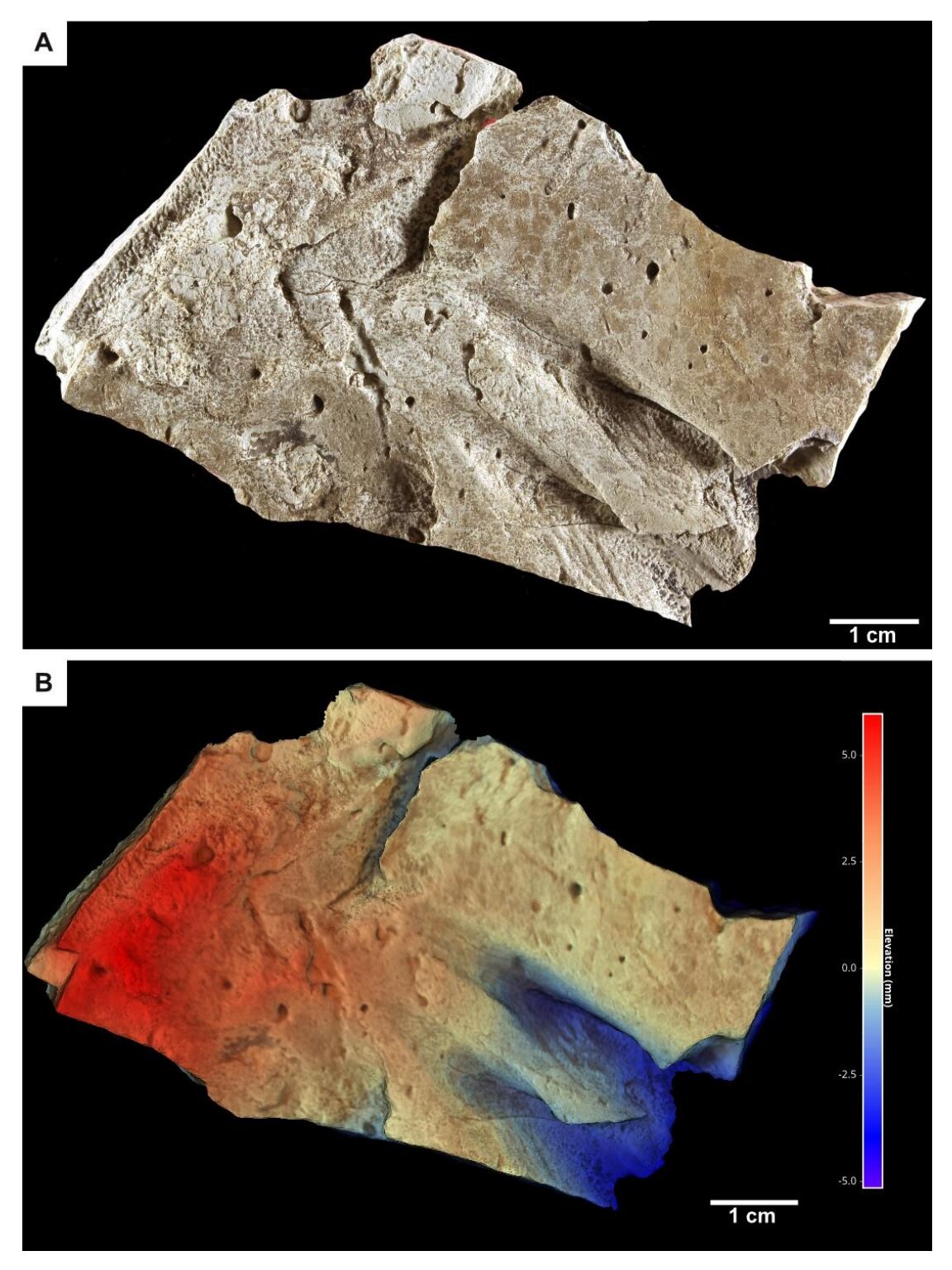
Scientists discovered 29-million-year-old fossilized footprints of a cat-like predator in Oregon's volcanic ash, providing rare behavioral insights into ancient life and demonstrating how volcanic eruptions can preserve delicate traces of prehistoric animals, with modern digital techniques enhancing study and preservation.
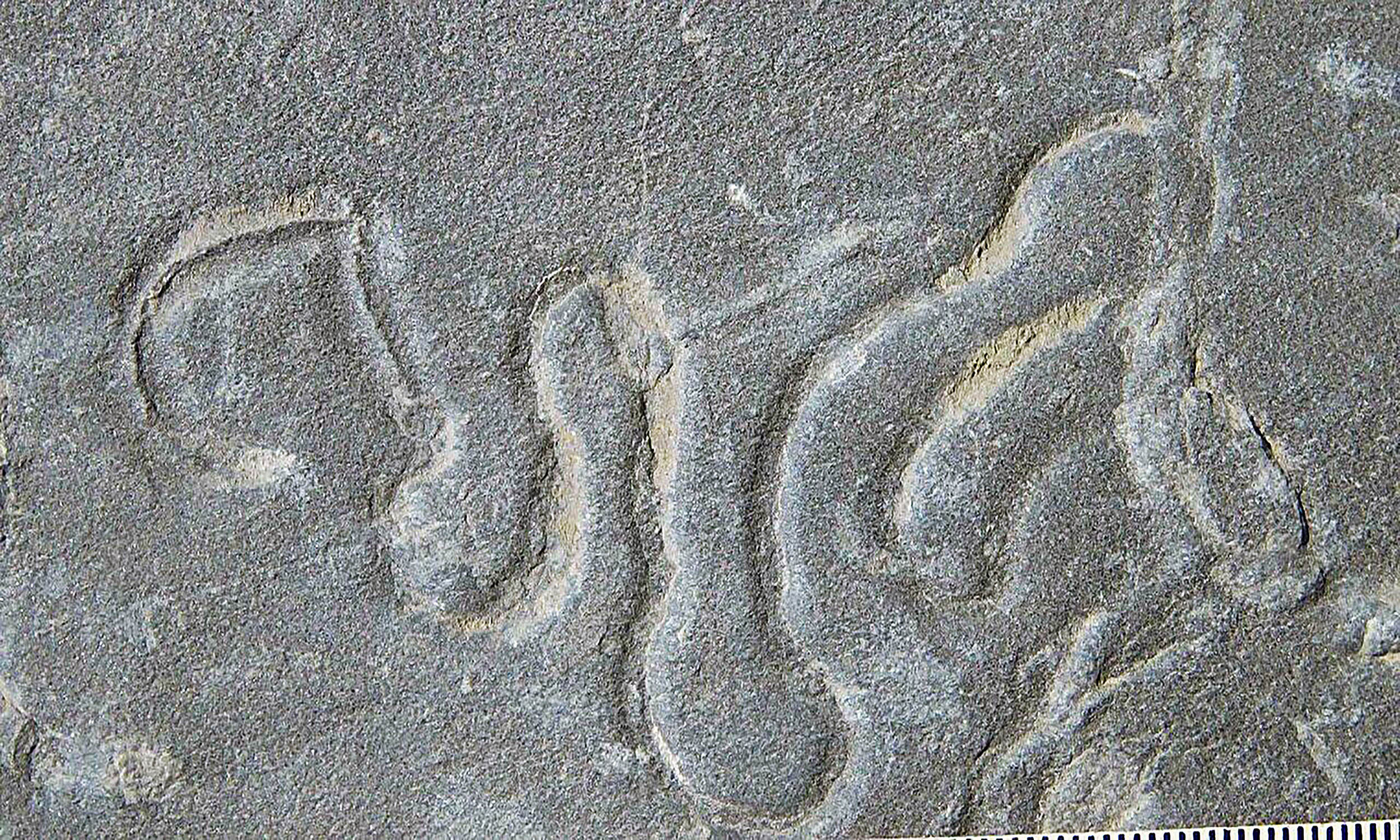
New research analyzing 170 trace fossils suggests that complex animal movements and body traits emerged gradually during the Ediacaran Period, about 10 million years before the Cambrian Explosion, challenging the idea of a sudden evolutionary burst and indicating a slow buildup of biological complexity.
New research suggests the Cambrian explosion, a major event in Earth's biological history, actually began around 545 million years ago, with evidence of complex, mobile organisms appearing much earlier than previously thought, reshaping our understanding of early animal evolution.
A recent study suggests the Cambrian Explosion, traditionally dated to around 530 million years ago, may have actually begun as early as 545 million years ago, based on analysis of ancient trace fossils indicating more complex and mobile early organisms than previously believed.
Rare trace fossils discovered in 130-million-year-old rocks provide the earliest evidence of deep-sea fishes, pushing back their colonization of the abyssal plain by 80 million years. These fossils, found in the northwest Apennines, Italy, represent the earliest deep-sea vertebrates and shed light on the colonization of the deep sea by vertebrates. The fossils reveal the activity of fishes on a dinosaur-age sea floor thousands of meters deep, providing insights into the adaptations and behaviors of these pioneers of the abyss. The discovery challenges previous understanding of the factors that triggered the colonization of the deep sea and offers fundamental clues about the beginnings of vertebrate evolution in this habitat.