A study links titanium dioxide, a common additive in over 11,000 U.S. foods, to potential health risks including disruption of gut hormones, blood sugar regulation issues, and possible DNA damage, raising concerns about its continued use despite bans in the EU and ongoing FDA review.
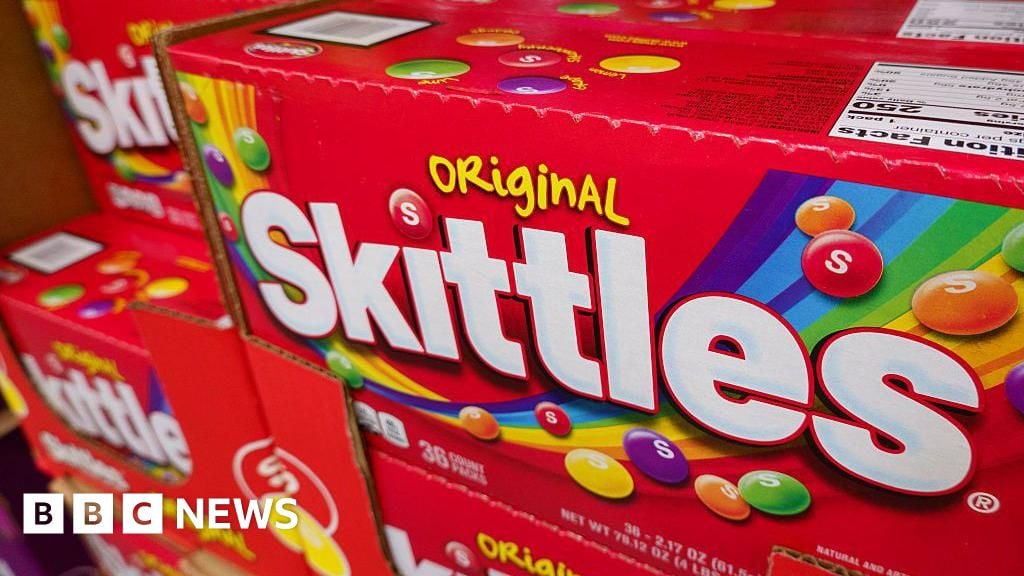
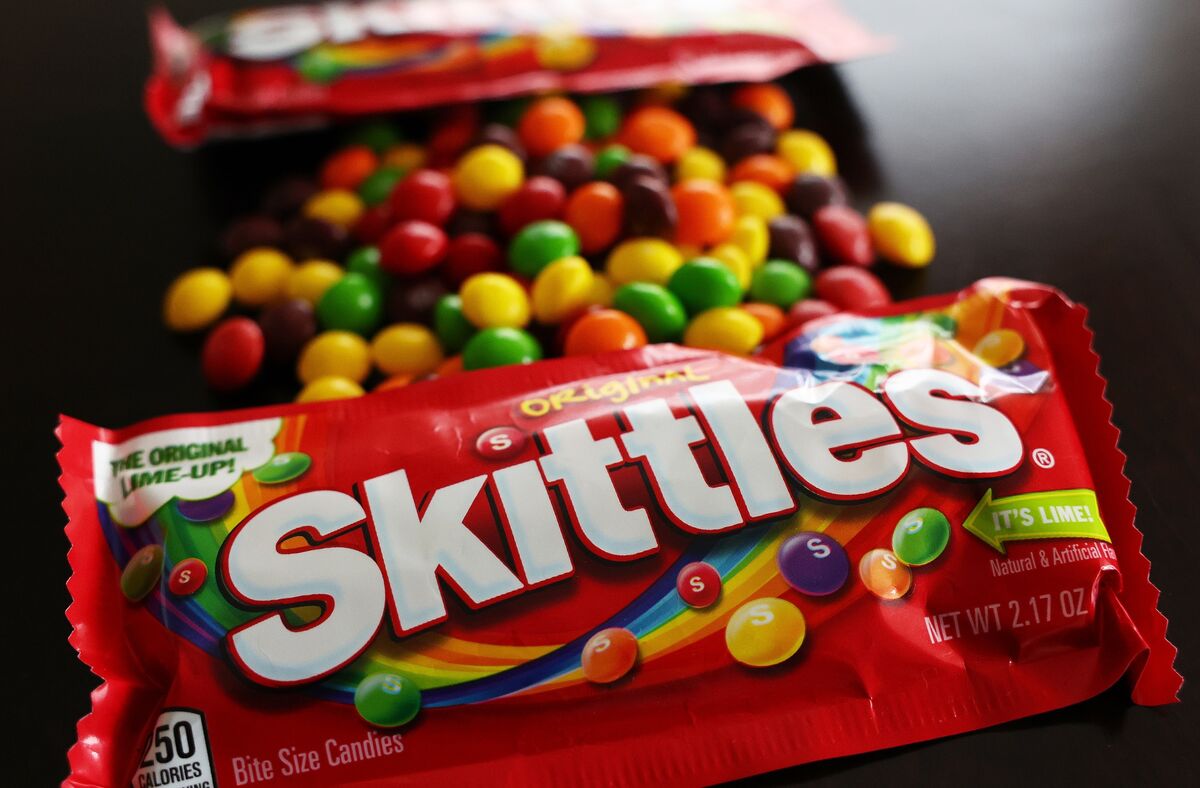
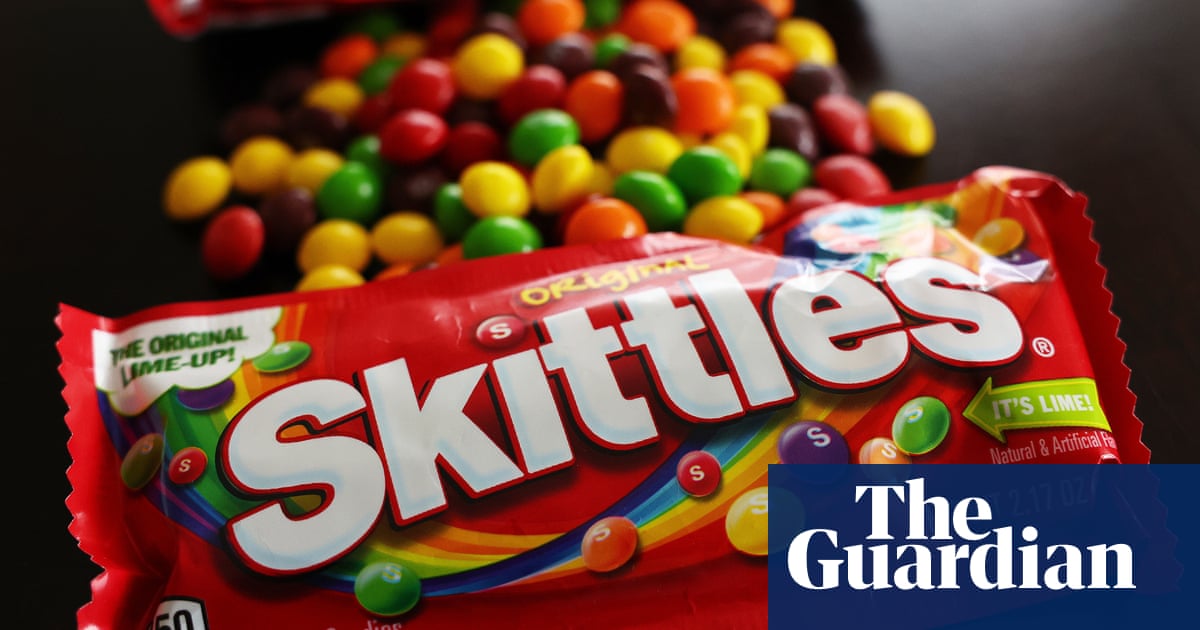
Mars has stopped using titanium dioxide in its US Skittles, following consumer criticism and health concerns, aligning with its broader move away from artificial colors, although the company did not specify if this change affects Skittles outside the US.
Skittles has removed titanium dioxide, a controversial whitening additive, from all its products following regulatory and health concerns, although it remains permitted in the US. The ingredient has been banned in the EU and is under review by US health authorities, with other food companies also using it. Mars Inc. is updating its formulations and website accordingly.
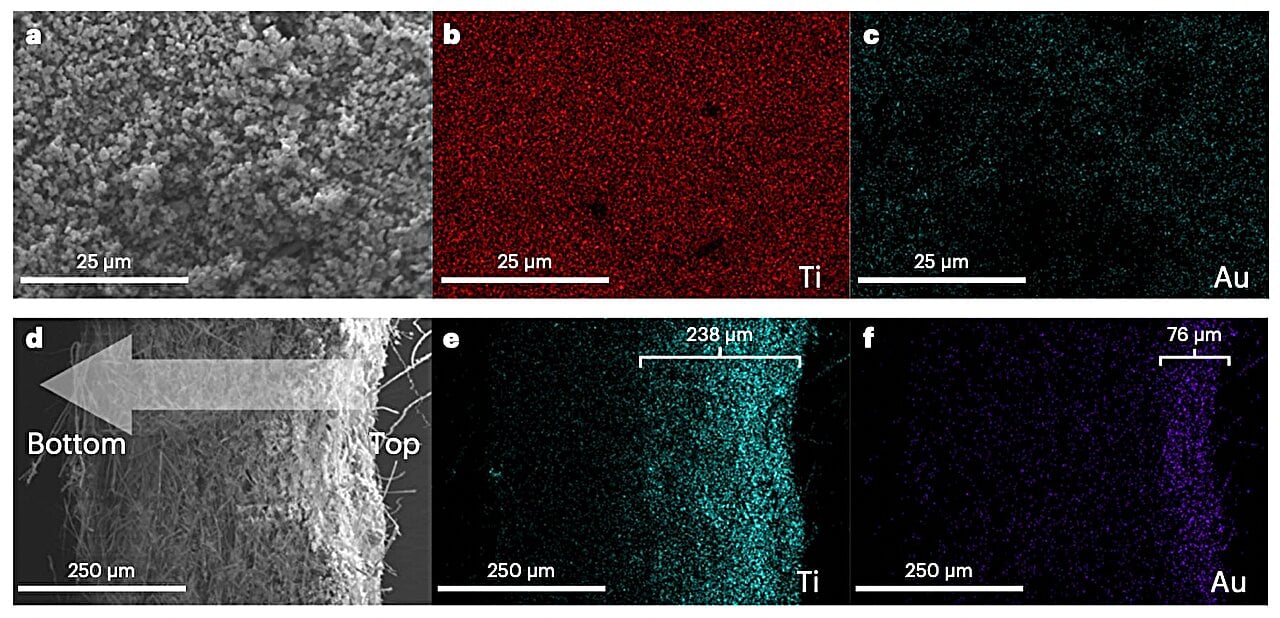
Researchers have developed a new photocatalyst based on titanium dioxide loaded with gold nanoclusters that could advance the oxidative coupling of methane. The photocatalyst showed high methane conversion rates and C2 selectivity without requiring extreme reaction conditions. The catalyst, called Au60s/TiO2, outperformed previously reported catalysts in terms of stability, methane conversion rate, and yield of C2. The easy fabrication of the photocatalyst could facilitate large-scale production and deployment, potentially enabling the valuable utilization of Earth's abundant methane reserves.
Public health advocates have petitioned the US Food and Drug Administration (FDA) to ban the use of titanium dioxide, a common color enhancer found in thousands of US foods, including M&Ms, Skittles, and Chips Ahoy! cookies. Recent scientific studies have linked the compound to serious health issues and found that it accumulates in the body and organs. The European Food Safety Authority has already banned its use in food. The FDA approved titanium dioxide for food use in 1966 and last reviewed it in 1973, but the petition mechanism is one of the few ways the FDA can be compelled to review updated science.
Researchers from the Chinese Academy of Sciences have improved visible light absorption in Ce/TiO2 by doping cerium in the TiO2 lattice, resulting in a high photocurrent density and better separation efficiency of photogenerated electrons and holes. The study presents a practical strategy for developing efficient visible light-activated rare earth-doped photocatalysts. Ce doping into the TiO2 lattice improved the separation efficiency of photogenerated electrons and holes, resulting in high photocurrent density and incident photon current efficiency (IPCE).