Scientists led by Victor Pasko have uncovered the precise atmospheric chain reaction that triggers lightning, revealing how electric fields in thunderclouds accelerate electrons, produce X-rays, and initiate lightning through a cascade of high-energy photons and electrons, explaining phenomena like terrestrial gamma-ray flashes and their often dim optical and radio signatures.
Scientists have developed a new mathematical model that explains how lightning forms in thunderclouds, revealing that powerful electric fields accelerate electrons which produce X-rays and trigger lightning, potentially leading to new X-ray sources and better understanding of atmospheric phenomena.
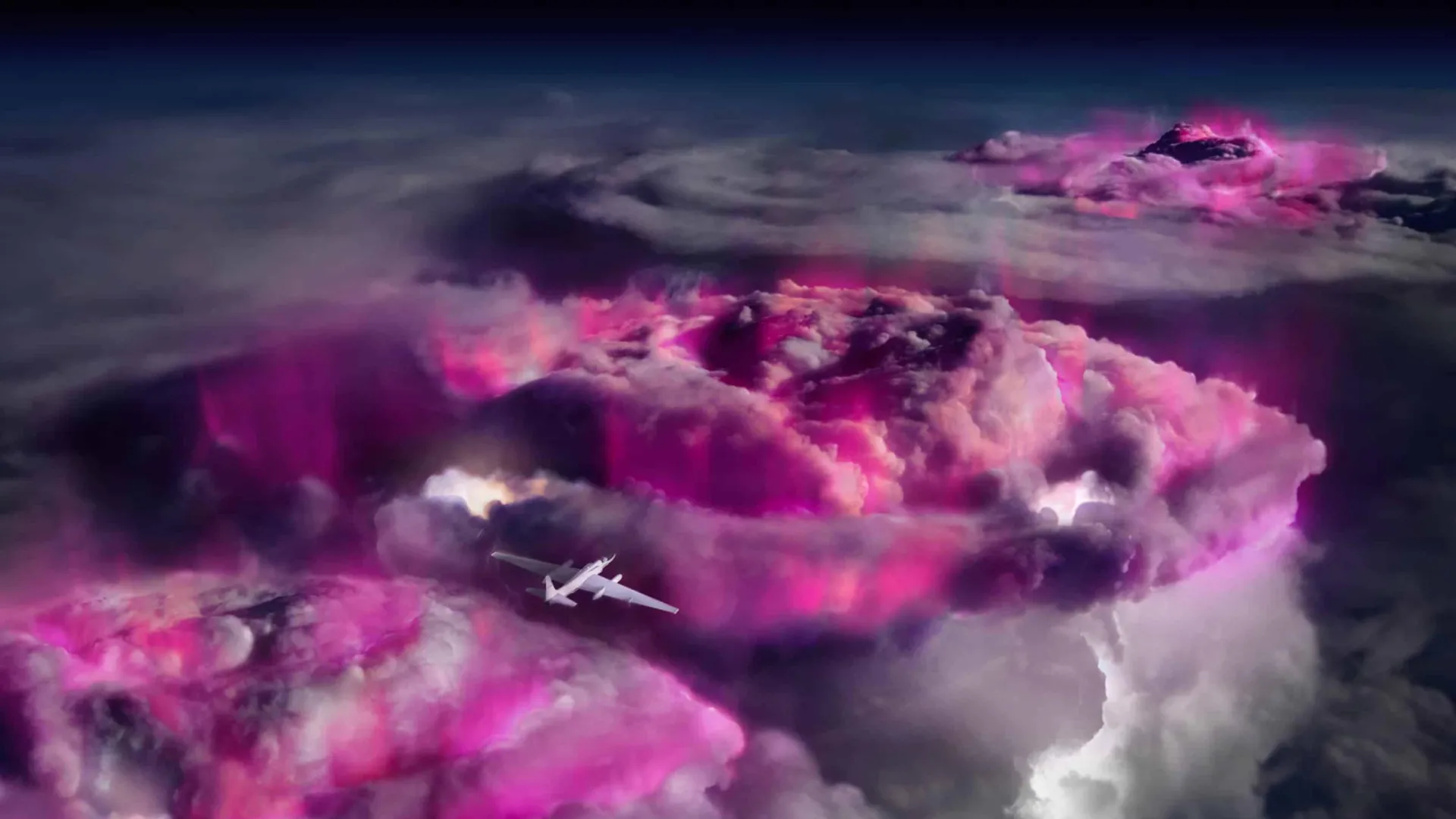
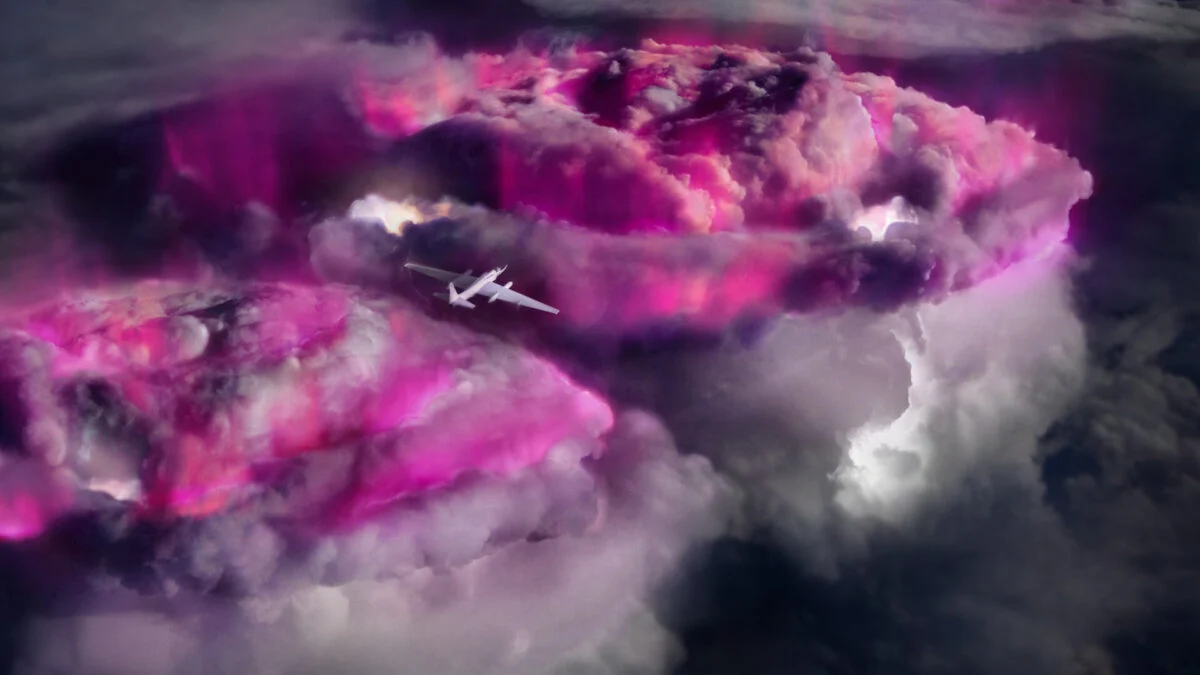
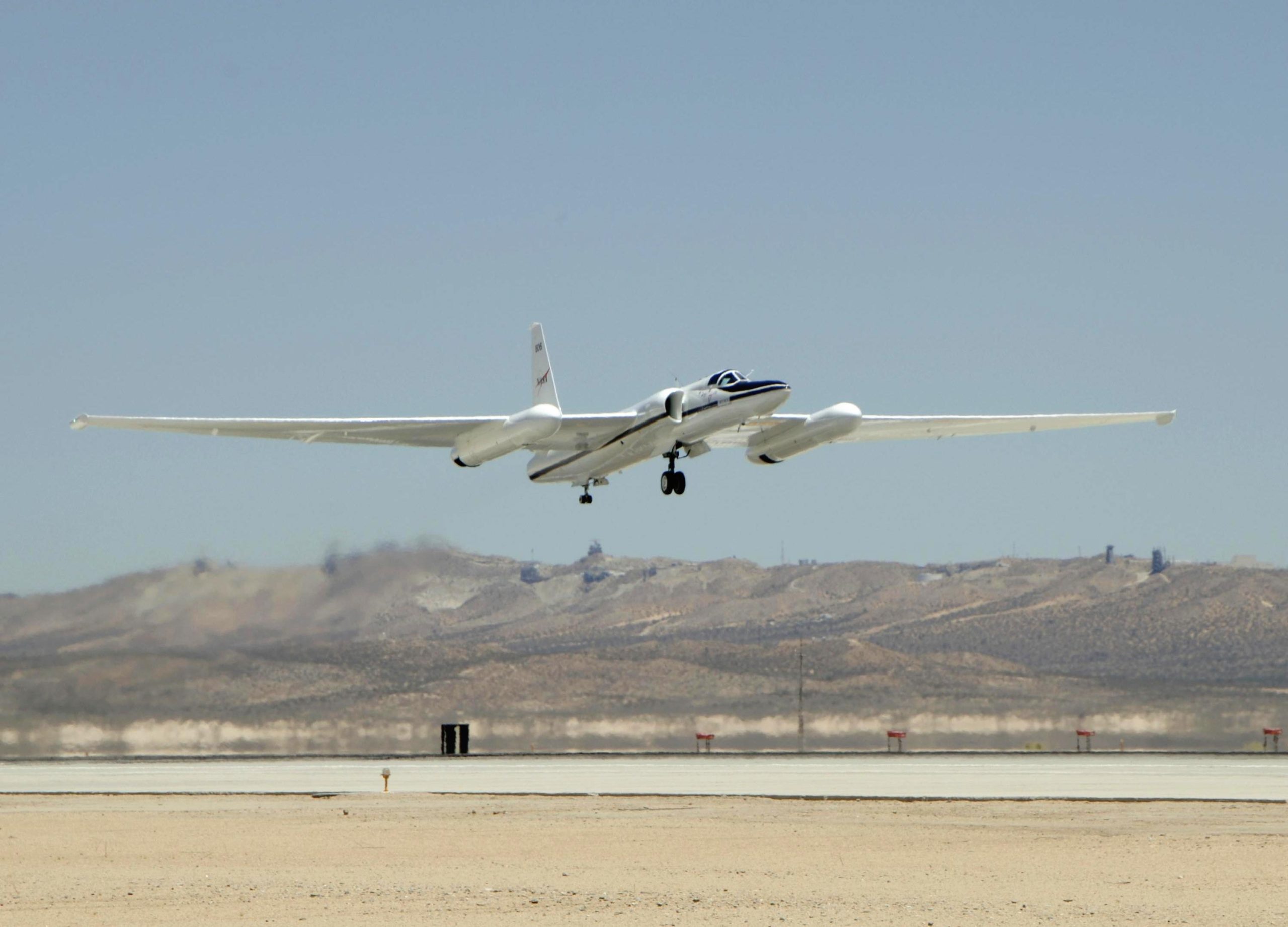
NASA's ER-2 aircraft, as part of the ALOFT project, flew near thunderclouds in July 2023 to study the relationship between lightning and atmospheric energy fields. Operating at a unique altitude of 60,000 feet, the aircraft collected detailed data on high-energy radiation emissions from thunderstorms, aiming to deepen our understanding of gamma-ray flashes and advance space-based lightning mapping technologies. The research involved instruments and researchers from the University of Bergen, NASA's Marshall Space Flight Center, Goddard Space Flight Center, Sandia National Labs, and the U.S. Naval Research Laboratory.