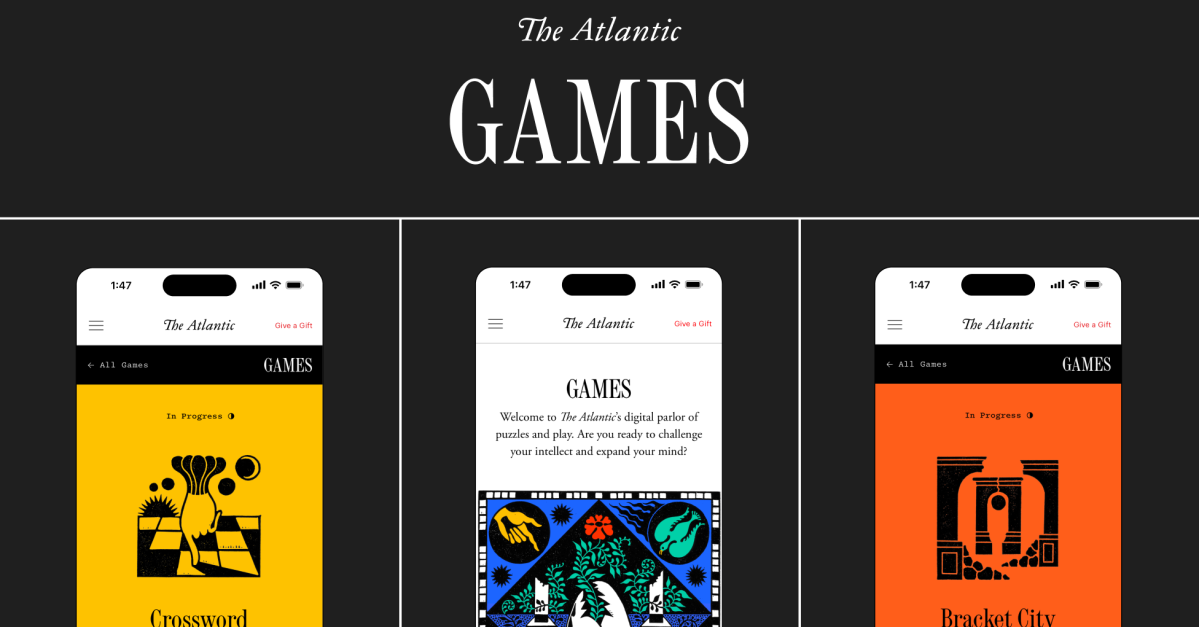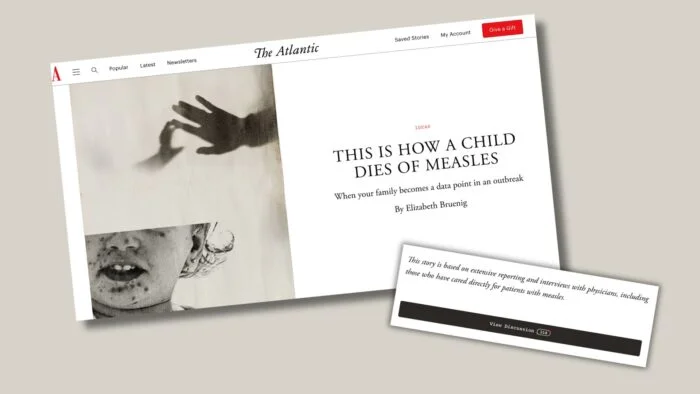
The Atlantic is launching a new digital hub for its growing collection of puzzle and game offerings, including titles like Bracket City, Caleb’s Inferno Crossword, and new games like Stacks and Fluxis, accessible on web and app, with some content behind a paywall for subscribers, as part of its effort to create more immersive and artisanal gaming experiences.
Journalists and unions from The Atlantic and Vox Media are alarmed by OpenAI's new content licensing deals with their publications, citing concerns over transparency and the potential negative impact on their work. These agreements allow OpenAI to use the publishers' archives to train its AI models, sparking debates about the ethical implications and the future of journalism.
The Atlantic has released its list of the 10 best books of 2023, featuring titles that are both thought-provoking and captivating. The selection includes novels exploring the human cost of colonialism, inventive couplets on relationships, a history of the American dream, and memoirs on mental illness and religious zealotry. Notable books on the list include "Our Share of Night" by Mariana Enríquez, "Beyond the Door of No Return" by David Diop, "Ordinary Notes" by Christina Sharpe, "How to Say Babylon" by Safiya Sinclair, and Emily Wilson's translation of "The Iliad." The Atlantic aims to recognize books that offer unique perspectives and inspire readers to imagine new possibilities.
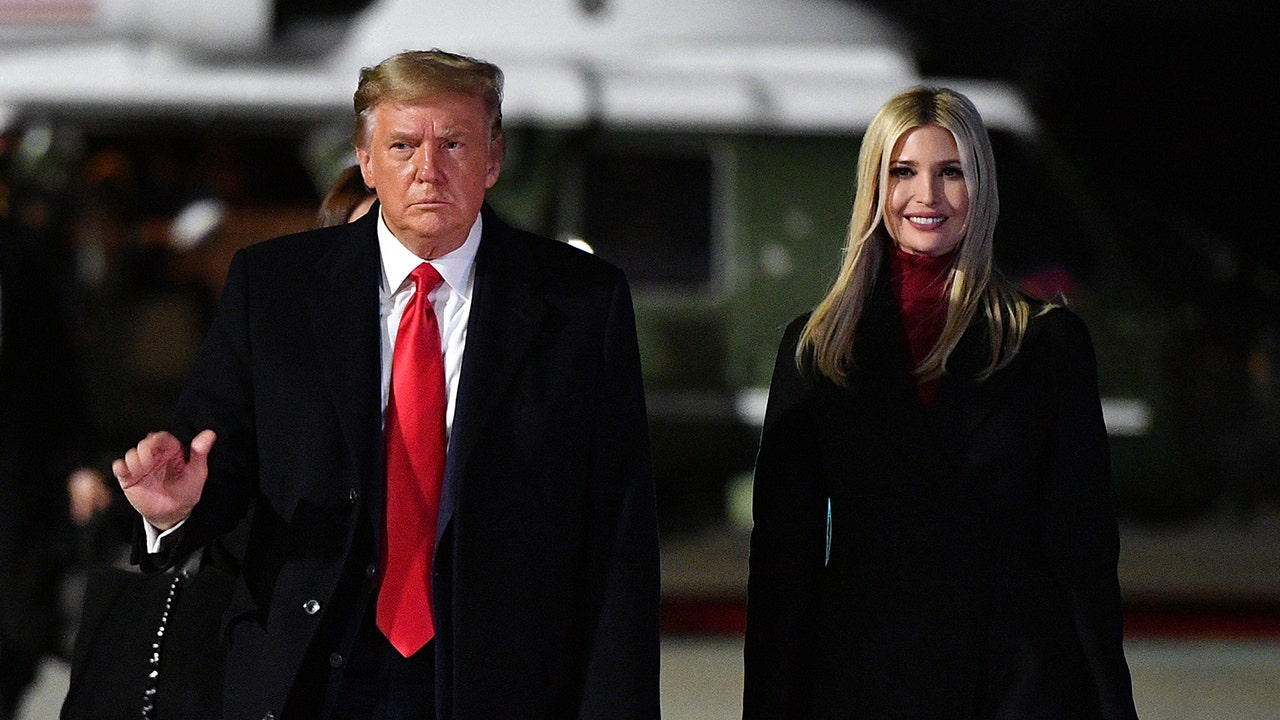
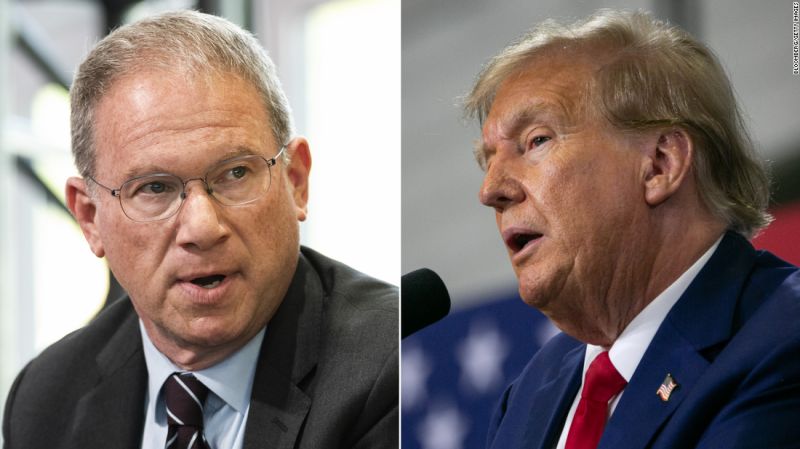
The Atlantic, along with other major media outlets such as The Washington Post and The New York Times, has launched a campaign against a potential second term for Donald Trump. The Atlantic's entire issue is dedicated to the dangers of another Trump presidency, with top staff writers expressing their concerns. While some stories about Trump are fair game, the media's relentless focus on him has led to accusations of bias and opposition party behavior. Trump's claims of a rigged election and his use of provocative language provide ammunition for his critics, while President Biden receives more favorable coverage.
Jeffrey Goldberg, editor-in-chief of The Atlantic, has warned that a second term for Donald Trump would pose a threat to the existence of America as we know it. In a special edition of the magazine titled "If Trump Wins," Goldberg and his team lay out how a second Trump term would shred norms, weaponize government, warp the rule of law, and degrade democracy. Goldberg emphasizes that his position is not partisan but about pro-democracy Americans versus authoritarians. He believes it is the duty of journalists to speak plainly about the dangerous forces at play and not to self-censor. Goldberg also warns of the potential consequences for the press, as Trump has already shown hostility towards the media and could further attempt to muzzle critics if he were to regain power.
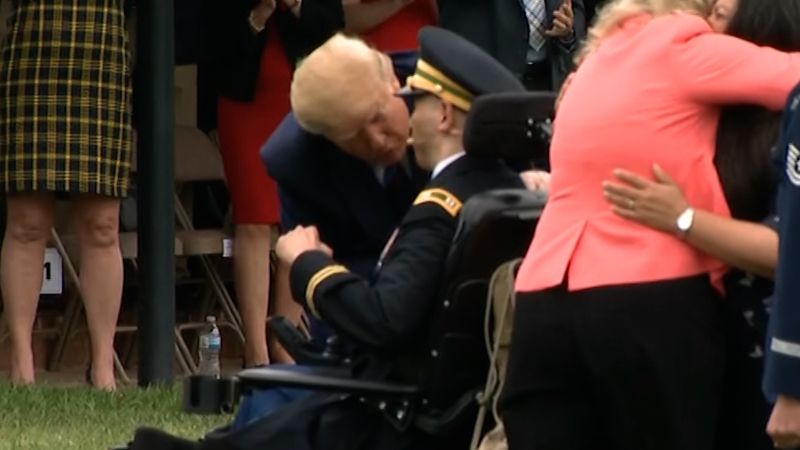
According to a profile in The Atlantic, former President Donald Trump allegedly instructed the Chairman of the Joint Chiefs of Staff, Mark Milley, to not bring wounded veterans to public events.
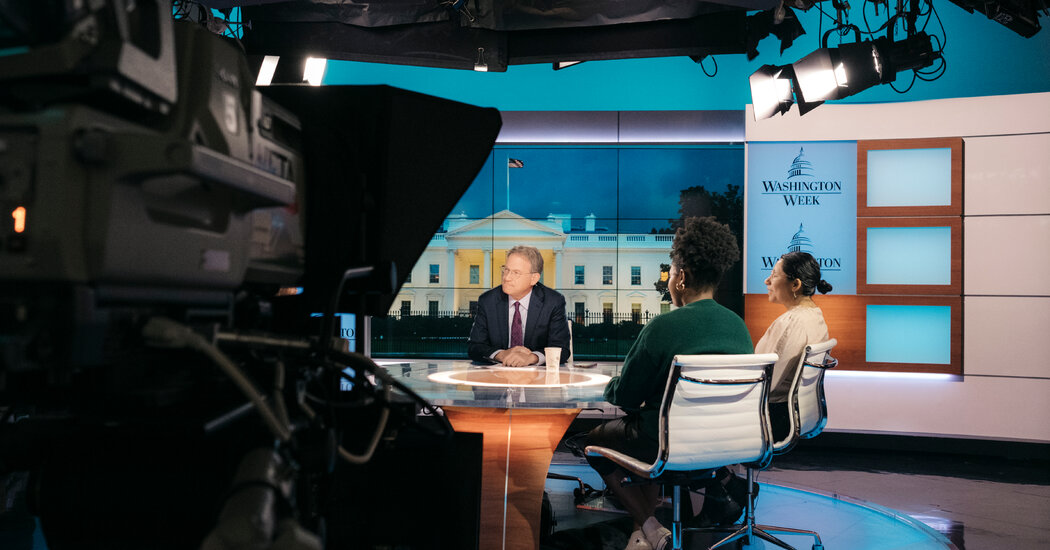
Jeffrey Goldberg, the editor in chief of The Atlantic, has been announced as the next moderator of "Washington Week," a Friday evening public affairs show on PBS NewsHour. The show will be co-produced by The Atlantic and renamed "Washington Week With The Atlantic." Goldberg believes there is still an audience for in-depth analysis of important issues and aims to attract five to ten million viewers. The show's ratings have declined in recent years, and the partnership with The Atlantic aims to revitalize it. Goldberg's decision to join the program was influenced by his respect for the late Gwen Ifill, who previously moderated the show. The Atlantic, under new ownership, has been expanding its digital subscription business and sees this partnership as an opportunity to further its reach.
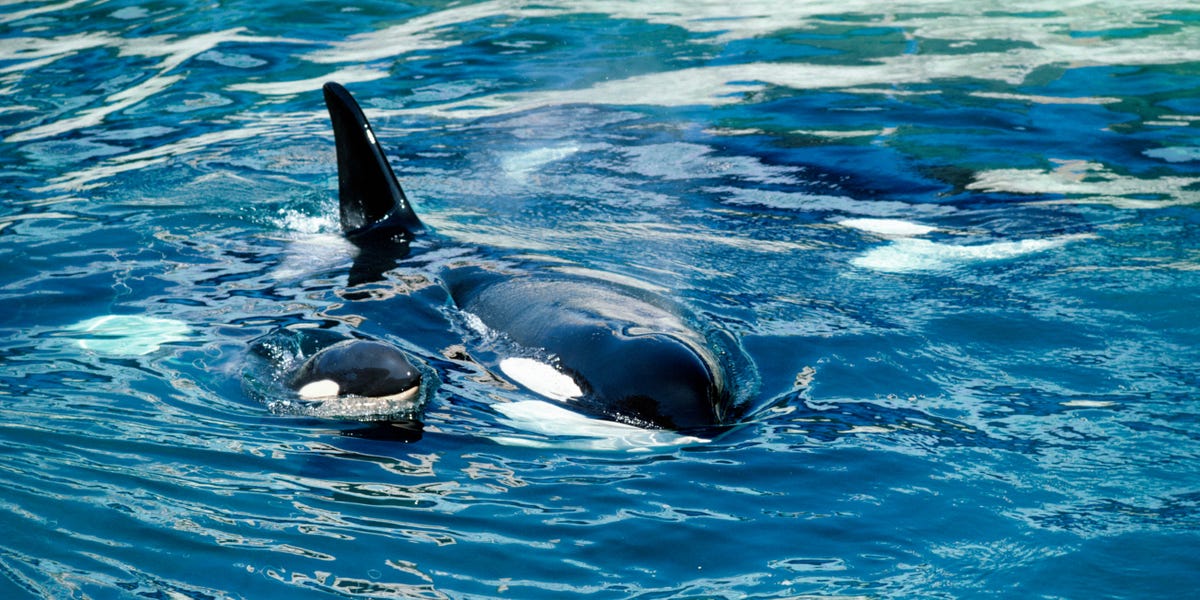
An article in The Atlantic referred to orcas as "sadistic jerks," prompting backlash from internet users who have recently embraced the black-and-white mammals as revolutionary symbols. The article argued that orcas are sometimes cruel to other animals in the natural world, but many defended the creatures, pointing out that they have never intentionally harmed a human in the wild. Some criticized the publication for taking an anti-whale stance at a time when their lives and habitats are in danger.
CNN CEO Chris Licht was fired along with his top two communications executives after The Atlantic published a critical profile on him. While some insiders say Licht was responsible for pushing the profile forward, others suggest his communications team went along with it. The firing of Licht and his team is not surprising given the arrival of a new CEO, but it is notable given the circumstances surrounding the profile.
CNN CEO Chris Licht apologized to the network's staff during an internal call on Monday, following the publication of a 15,000-word profile in The Atlantic that some staffers saw as showing poor judgment. Licht said he didn't recognize himself in the article and understands staffers' frustration, but didn't specifically address why he participated in the profile. The network's new COO, David Leavy, will take over marketing, PR, advertising sales, facilities, and other logistics, allowing Licht to focus more on programming.