Experts forecast that AI will significantly reshape the news industry by 2026, with increased audience access through AI tools, a focus on verification, automation of newsroom workflows, infrastructure investments, and empowerment of data journalists, all amid evolving trust and business models.
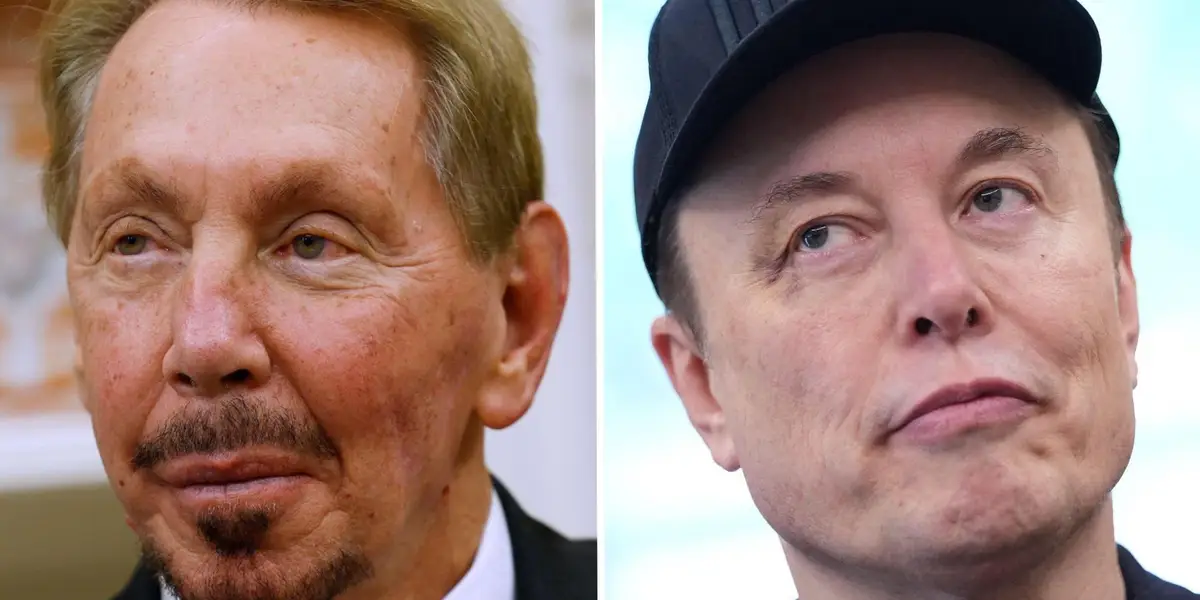
The world's richest men, Elon Musk and Larry Ellison, are making significant media acquisitions, with Musk buying Twitter and Ellison backing a bid to acquire Warner Bros Discovery and Paramount, highlighting how wealth enables control over major media assets without traditional financial constraints.
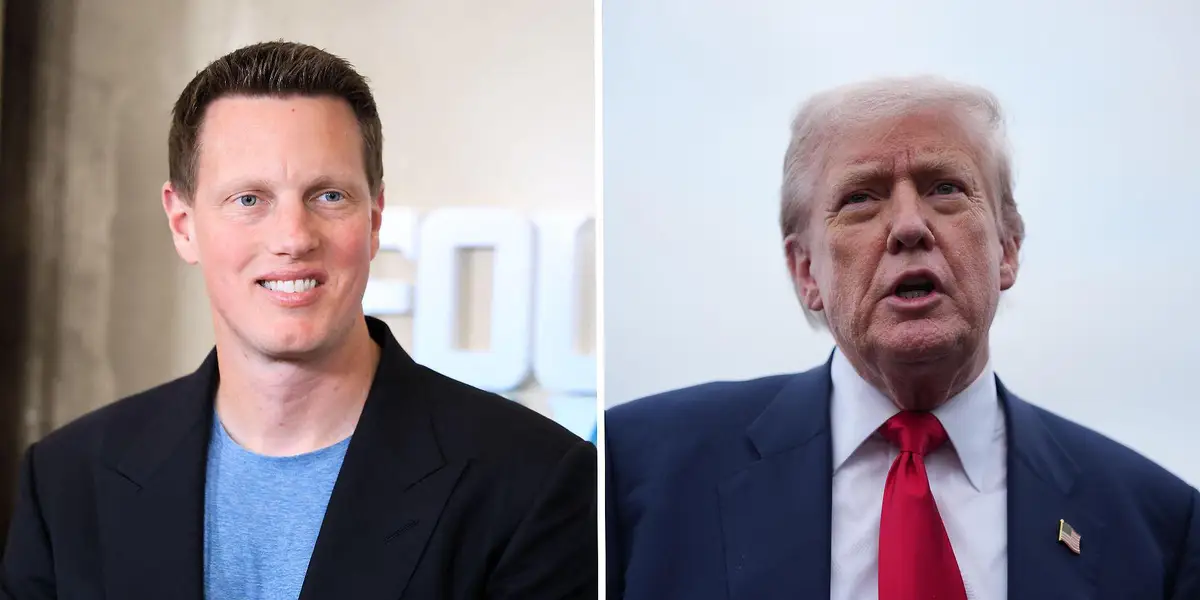
David Ellison, now head of a newly acquired Paramount, avoids discussing political issues related to Trump and the company's past dealings, emphasizing a move beyond controversy despite ongoing scrutiny from lawmakers and the public.
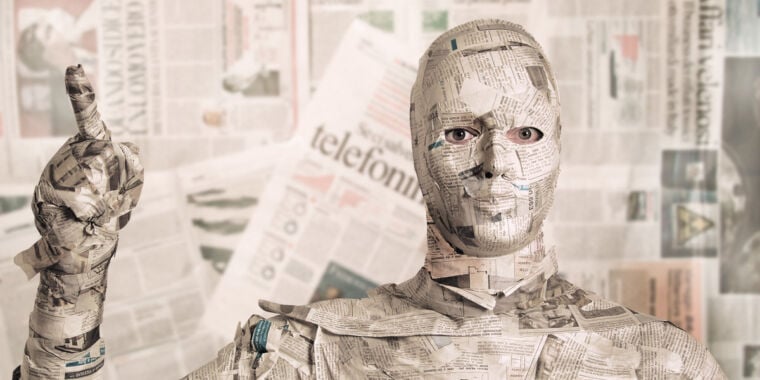
Generative AI tools like ChatGPT are significantly impacting traditional news media by reducing traffic and revenue, prompting publishers to adopt new strategies like GEO and licensing agreements, while raising concerns about content access, legal battles, and the future of journalism in an AI-driven web.
The article compares the current AI industry's copyright issues to Napster's 1999 music sharing scandal, highlighting how tech companies are lobbying to use copyrighted material without compensation, risking legal action and undermining creative professions. It emphasizes the need to uphold copyright laws and prevent AI training models from stealing intellectual property, warning of a potential 'Napster moment' for AI.
Journalists and unions from The Atlantic and Vox Media are alarmed by OpenAI's new content licensing deals with their publications, citing concerns over transparency and the potential negative impact on their work. These agreements allow OpenAI to use the publishers' archives to train its AI models, sparking debates about the ethical implications and the future of journalism.
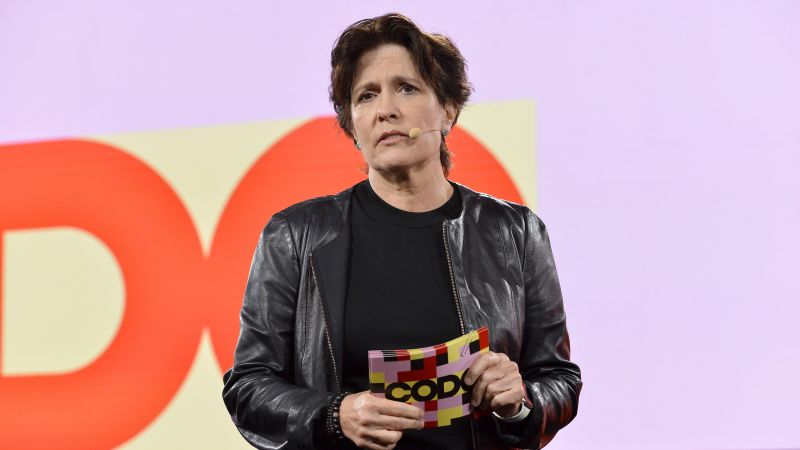
Kara Swisher, a prominent tech journalist, emphasizes the need for news organizations to reinvent themselves in the face of existential crisis, attributing the industry's struggles to a failure to adapt to digital shifts and the encroachment of tech companies into media. Swisher criticizes legacy media for not attracting top tech talent due to financial disparities and points to Big Tech's dominance in advertising and referral traffic as contributing to the media's plight. She also addresses media coverage of the 2024 race and billionaire figures, while expressing concern about the threat of emerging AI technology. Despite the challenges, Swisher sees opportunities for impactful and creative endeavors in the media industry, albeit on a smaller scale.
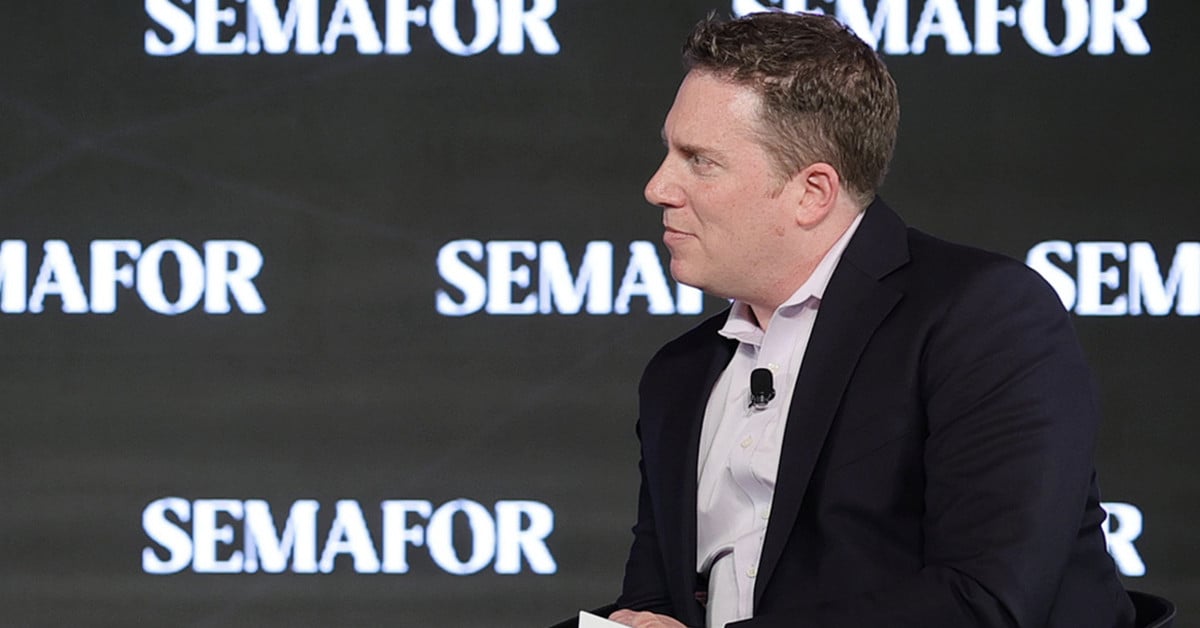
Semafor, a new-look politics site, is launching Signals, a product that curates and summarizes news coverage from around the web using an AI-powered search tool called MISO. This tool helps reporters find stories in various languages more efficiently, and the published work is still human-curated. Semafor is partnering with Microsoft on research to explore responsible AI use in journalism, and the website will eventually be redesigned around Signals, representing a new emphasis on the web.
CNN CEO Mark Thompson plans to restructure the news organization by combining its TV, streaming, and digital operations into one team to adapt to the decline in cable viewership and grow its presence on mobile devices. Thompson aims to find new ways to attract audiences to CNN on their phones, acknowledging the smartphone as a primary news consumption device. He previously achieved success in building a thriving digital subscription business at The New York Times and is now focused on addressing the challenge of creating a compelling news experience for mobile users.