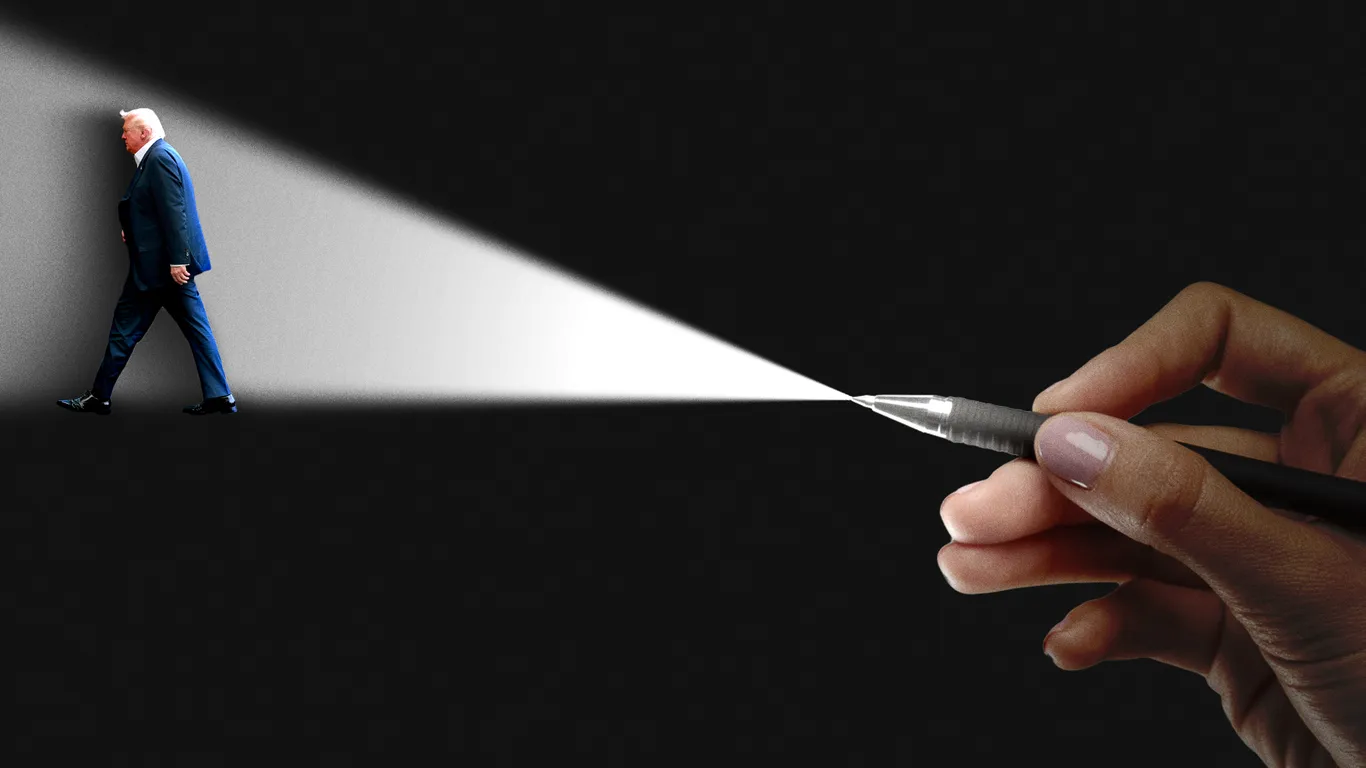
Despite efforts by President Trump to undermine traditional media, legacy outlets remain influential, with Trump himself engaging heavily with mainstream reporting, highlighting the enduring power of serious journalism in shaping public discourse even in the post-news era where influencers and social media also play significant roles.
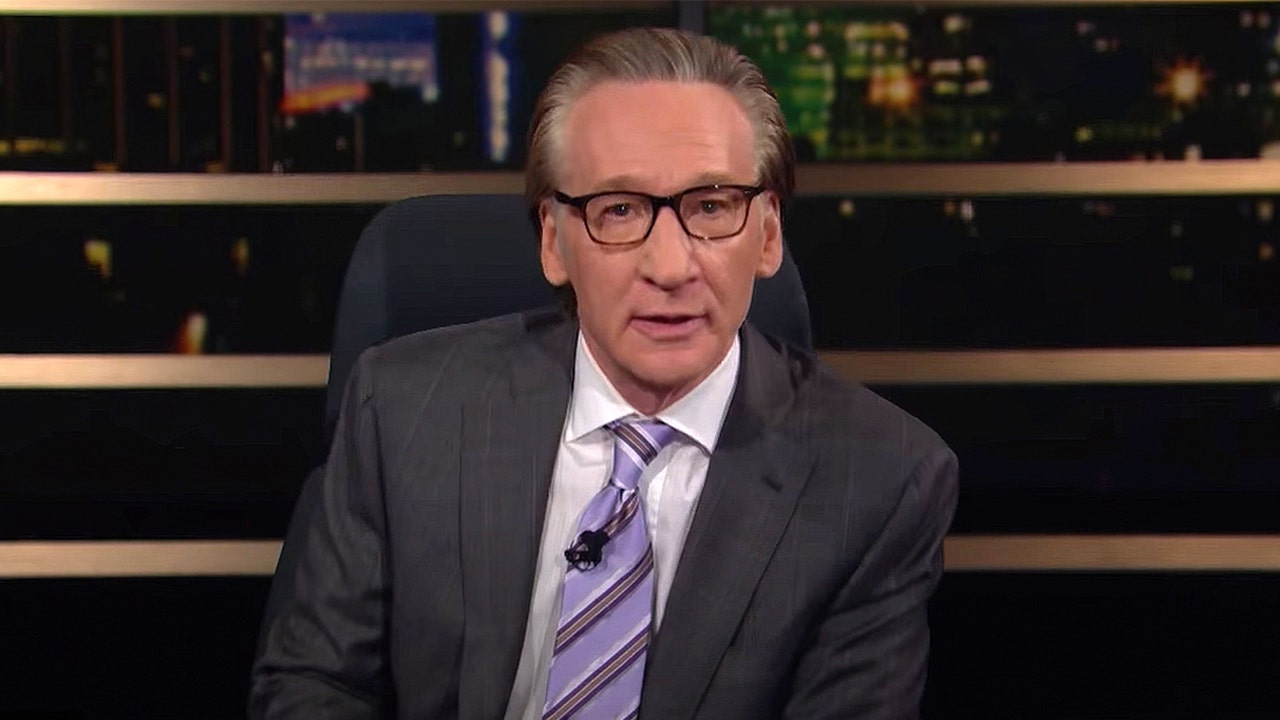
Bill Maher called for a "COVID Commission" to investigate the mishandling of the pandemic, criticizing the refusal of the "powers that be" to admit their mistakes. He highlighted the suppression of dissenting opinions and ridiculed COVID-era overreactions, such as wearing masks outdoors. Maher also criticized the lack of retractions in the mainstream media and questioned the absence of a COVID commission, pointing out the need for proper air ventilation and criticizing ongoing gain of function research and the mishandling of COVID relief funds.
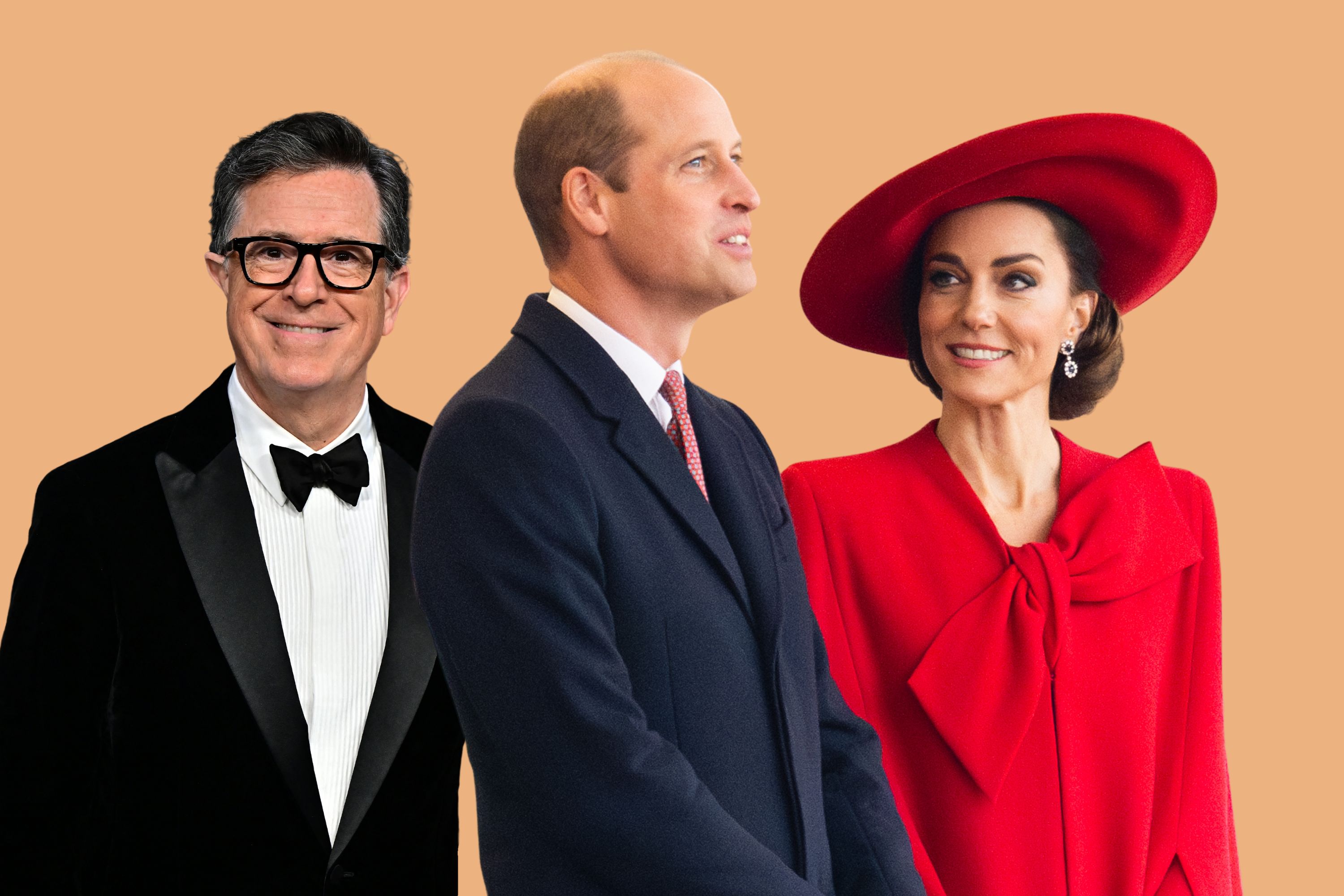
Mainstream media outlets have finally reported on long-standing affair rumors surrounding Prince William and Kate Middleton after the gossip was mentioned on a U.S. television show. The palace's denials and the absence of clear images of Kate have fueled wild conspiracy theories on social media, despite the lack of evidence. The palace's credibility has been called into question, and the couple faces a growing crisis as the rumors continue to spread.
The mainstream media is engaging in pandemic revisionism, simplifying the complexities of COVID-19 response and blaming public health advocates for missteps. Post hoc analyses and inquiries are shaping a false narrative of the pandemic, eroding solidarity and overlooking the voices of the most affected. Lessons from previous pandemics show that political and social factors shape what is remembered, and the current revisionist picture risks ignoring principles of equity in pandemic response.
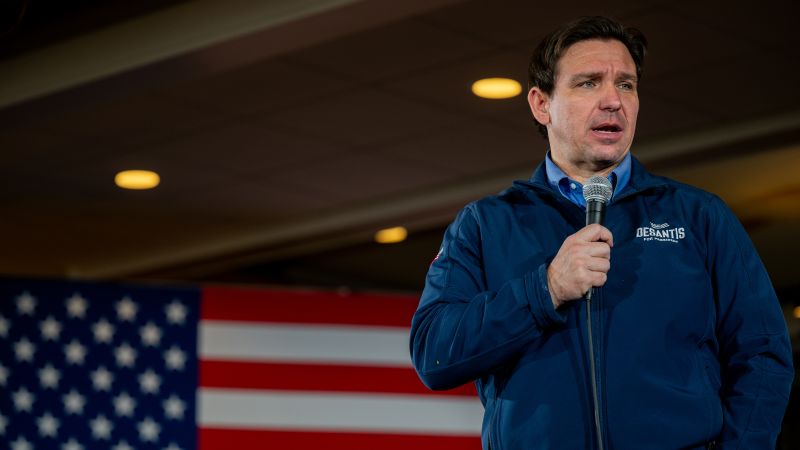
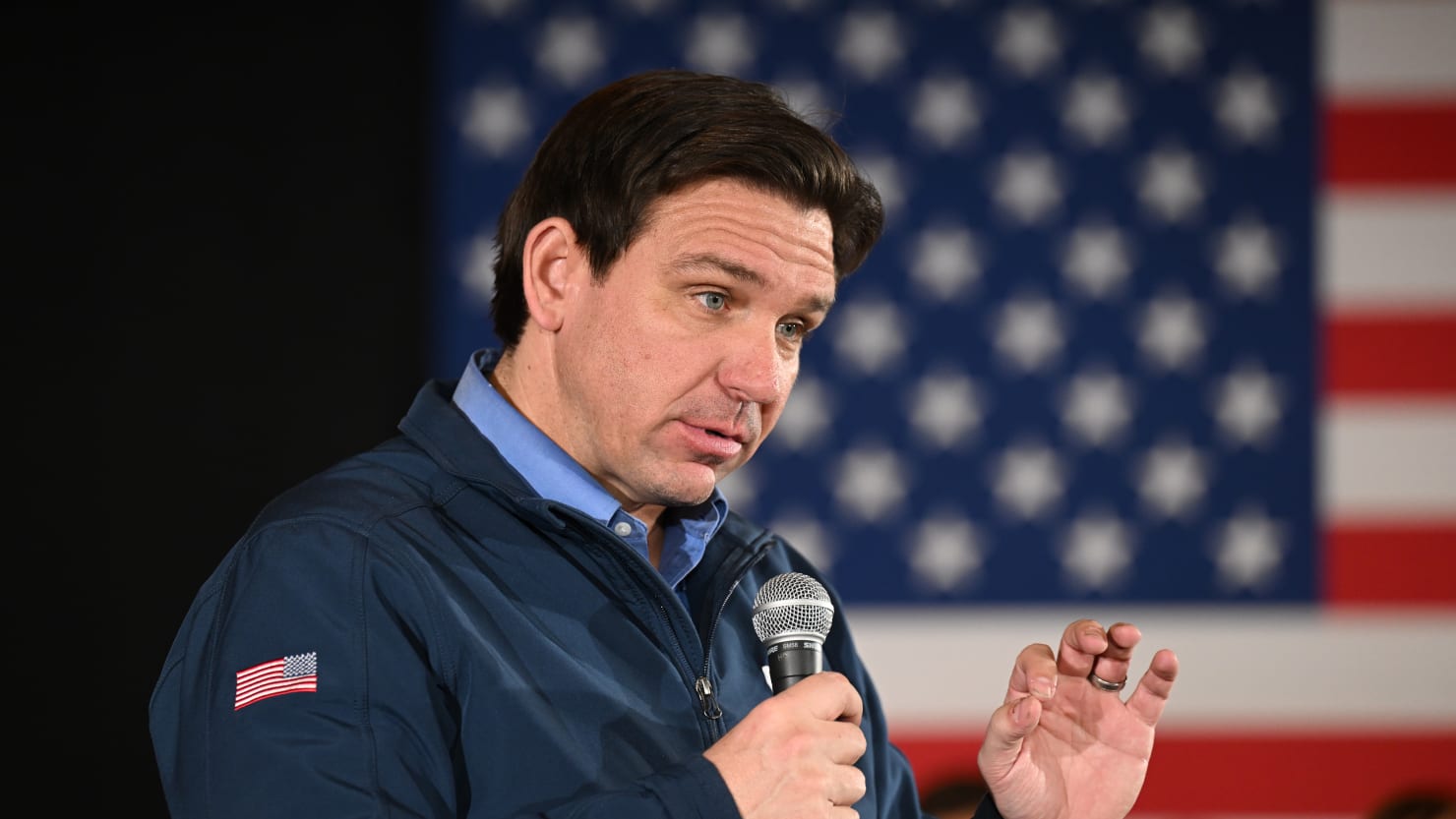
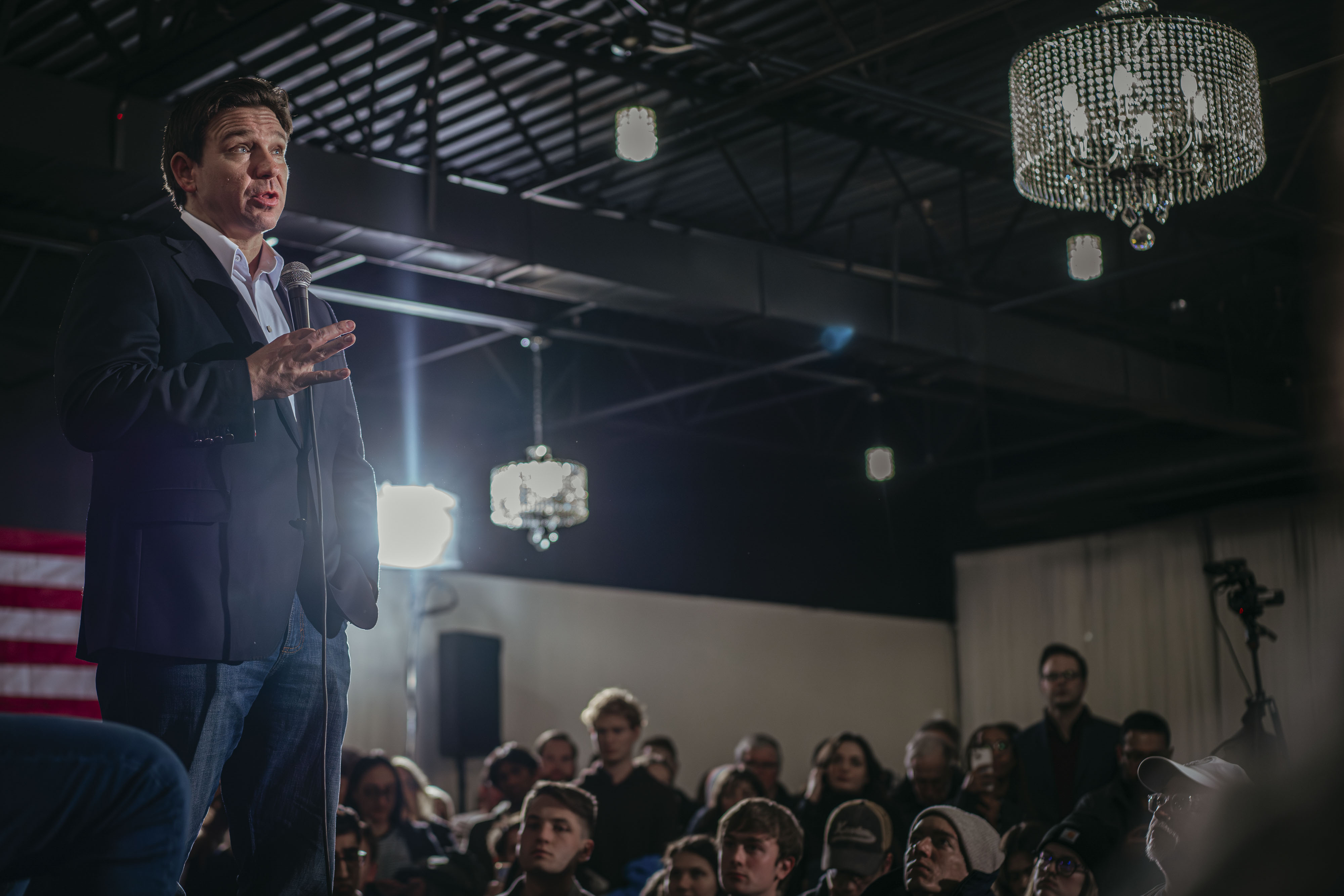
Florida Gov. Ron DeSantis has shifted his media strategy, embracing mainstream outlets and distancing himself from conservative media like Fox News, which he accuses of biased coverage. Previously dismissive of traditional press, DeSantis now seeks broader exposure, recognizing the need to engage with mainstream media to shape coverage. His late pivot comes after facing negative headlines and struggling to counter the narrative due to limited media engagement. This shift has presented a softer image of DeSantis, but some worry it may be too late to salvage his 2024 presidential hopes.
Florida Gov. Ron DeSantis admitted on a radio show that he should have engaged more with mainstream media outlets earlier in his presidential campaign, acknowledging that he should have made himself more accessible to a wider range of potential voters. DeSantis initially shunned traditional media in favor of conservative outlets but reversed course last summer after declining poll numbers. He now regrets not engaging with a broader audience from the start and has since appeared in interviews with CNN and NBC, reflecting on his campaign strategy as he trails behind Trump and Haley in New Hampshire.
Florida Governor Ron DeSantis expressed regret over his initial strategy of shunning most news outlets in favor of conservative platforms for his presidential campaign, admitting that he should have engaged with all corporate shows and media. Struggling to keep his campaign alive after placing second in Iowa, DeSantis is now focusing on making inroads in South Carolina. His relationship with the media has been strained for years, and he has recently criticized conservative outlets, including Fox News, for not being critical enough of Trump. DeSantis has since appeared on major networks and accepted every debate invitation, contrasting himself with Biden, Trump, and Haley, who he claims are running "basement campaigns" and avoiding questions from voters.
The Atlantic, along with other major media outlets such as The Washington Post and The New York Times, has launched a campaign against a potential second term for Donald Trump. The Atlantic's entire issue is dedicated to the dangers of another Trump presidency, with top staff writers expressing their concerns. While some stories about Trump are fair game, the media's relentless focus on him has led to accusations of bias and opposition party behavior. Trump's claims of a rigged election and his use of provocative language provide ammunition for his critics, while President Biden receives more favorable coverage.
Mosab Hassan Yousef, the son of a Hamas founder, claims that Hamas is more dangerous than ISIS and accuses the mainstream media of being afraid to label it a genocidal religious movement. Yousef argues that Hamas is driven by dark hatred towards the Jewish people and cannot be negotiated with. He also highlights Hamas' use of human shields and tunnels as tactics. Israel has declared war on Hamas after a recent attack, and Yousef suggests that destroying Hamas would require targeting its infrastructure, gathering intelligence, and enforcing a suffocating siege.
Social media users have criticized mainstream media for prioritizing coverage of the lost Titanic-exploring submarine over the recent Greek shipwreck, where hundreds are still unaccounted for. Many have accused news outlets of hypocrisy for their relative "silence" about a boat carrying an estimated 750 people, which sank last week. Some have pointed out the disparity in the wealth of the individuals aboard the sub and the fishing trawler that capsized off the coast of Greece.
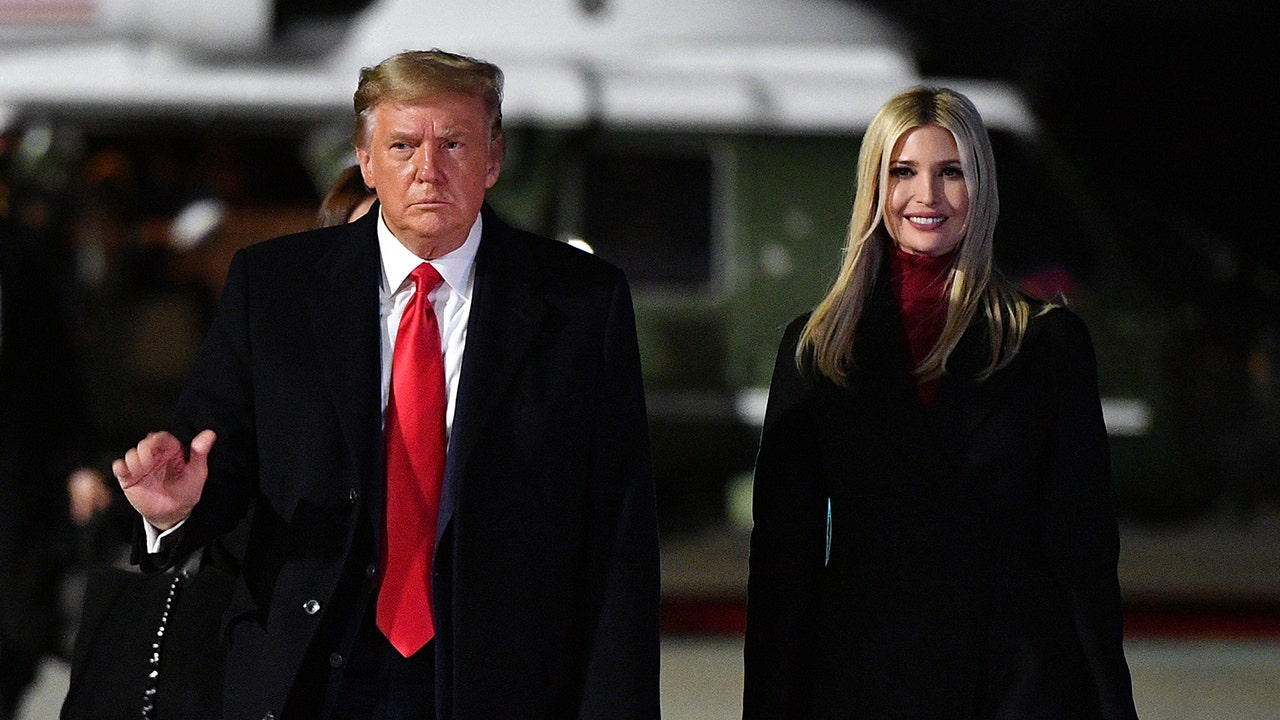
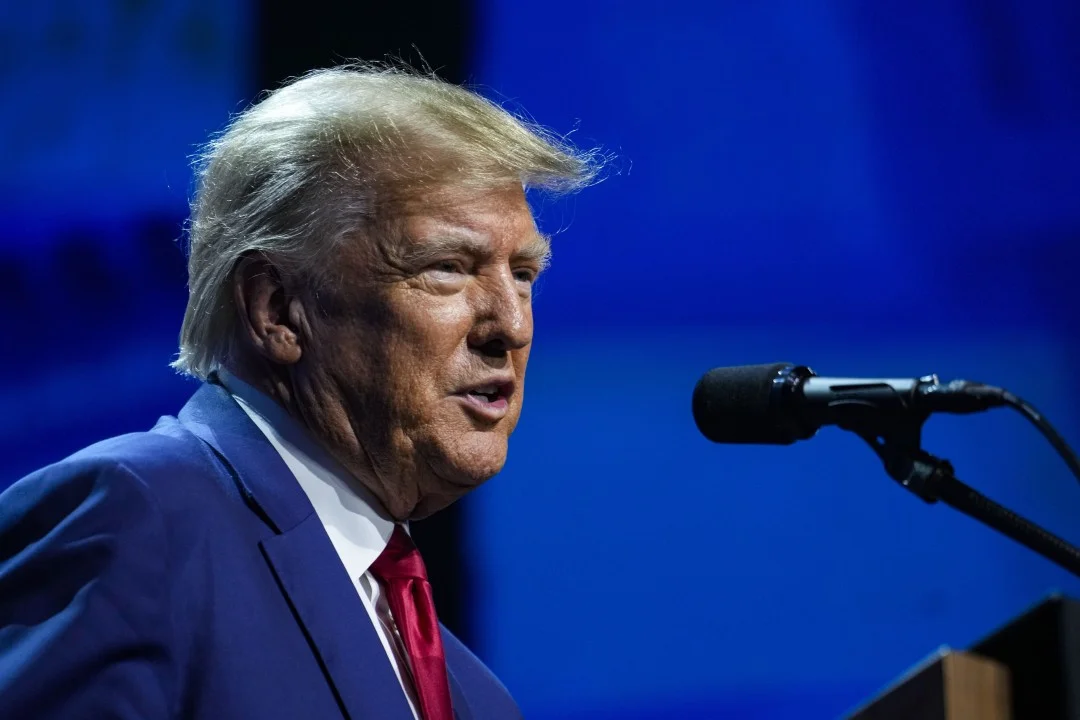
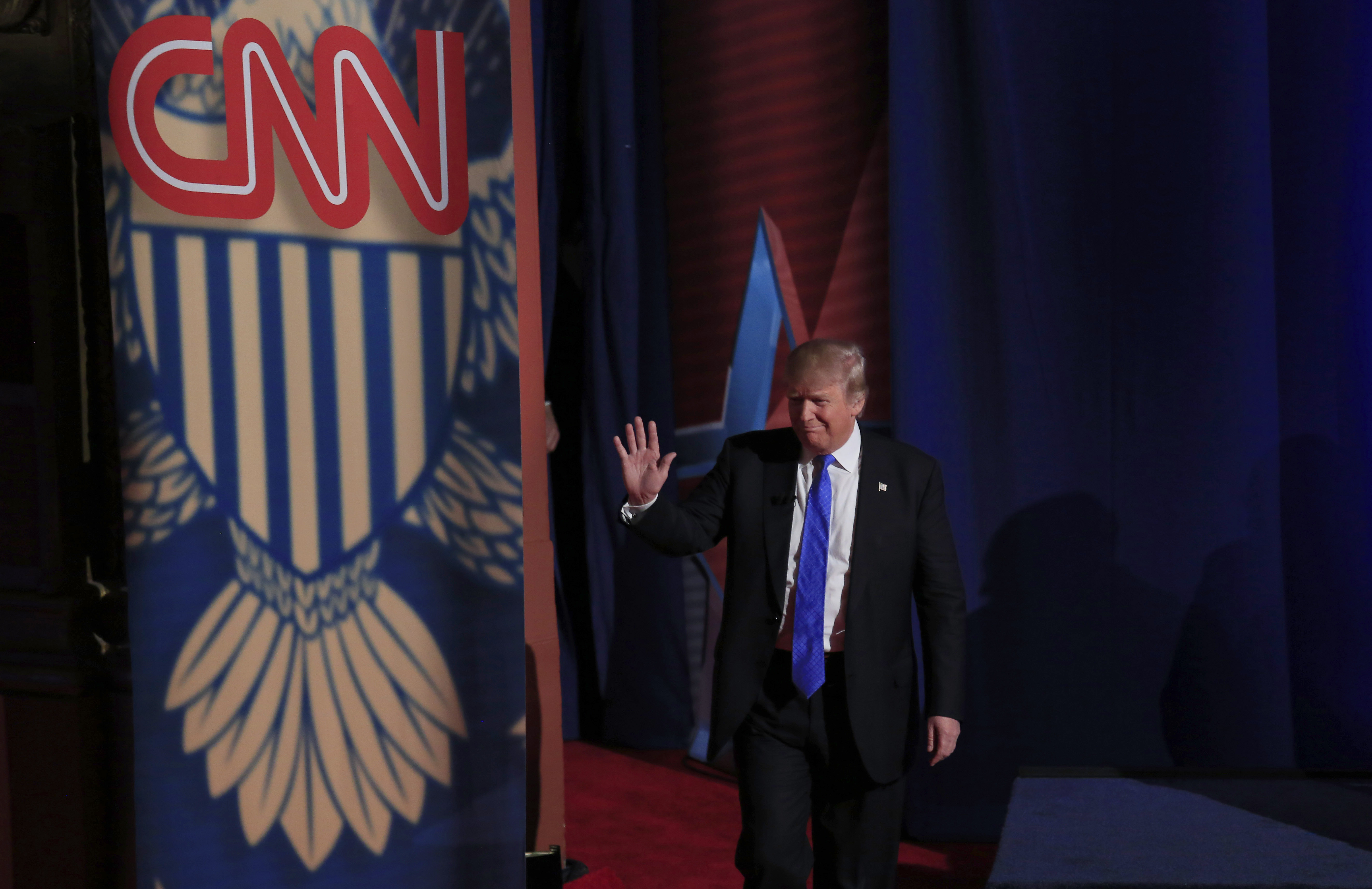
Former President Donald Trump has agreed to participate in a town hall on CNN next week, marking his first appearance on the network in seven years. The event will be hosted by anchor Kaitlan Collins and will take place at St. Anselm College in New Hampshire. The move is seen as an attempt by Trump to contrast himself with presumed rival Ron DeSantis and an implicit rebuke of Fox News. For CNN, it's a potentially big win as CEO Chris Licht has been trying to move the network away from partisan theatrics.
Former President Donald Trump will participate in a town hall event with CNN, a network he has called "fake" and criticized in the past. Trump's team has been engaging with mainstream media outlets to broaden his message and create a contrast with Florida Governor Ron DeSantis, who has been seen as more closed off to mainstream outlets. The decision to participate in the town hall is also an implicit rebuke of Fox News, which Trump has accused of turning against him. The event will take place at New Hampshire's Saint Anselm College next week and will be moderated by Kaitlan Collins.
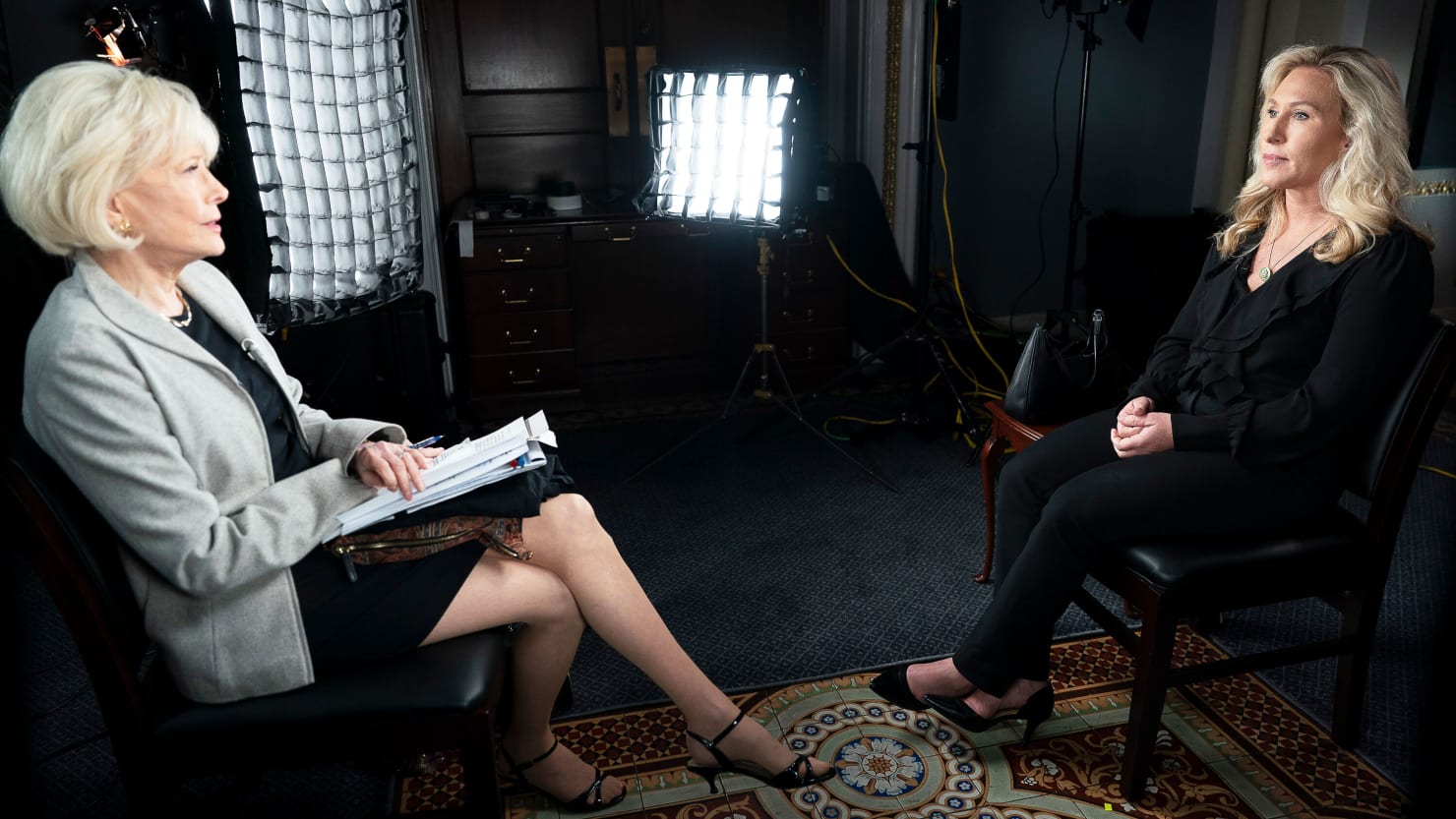
The 60 Minutes interview with Rep. Marjorie Taylor Greene highlighted the mainstream media's inability to handle the challenges of the moment. The interview lacked tough follow-up questions and relied on an antiquated style of semi-confrontational interviewing that was ineffective on a politician as removed from reality as Greene. The segment missed opportunities to fact-check and hold Greene accountable for her past comments. The mainstream media needs to rethink everything and pass the torch to a new generation of journalists who are well-sourced, real-life reporters, and not afraid to ask tough follow-up questions.