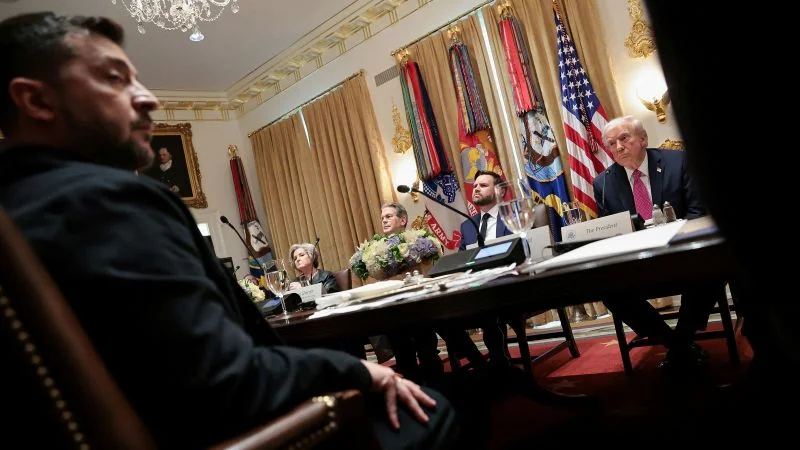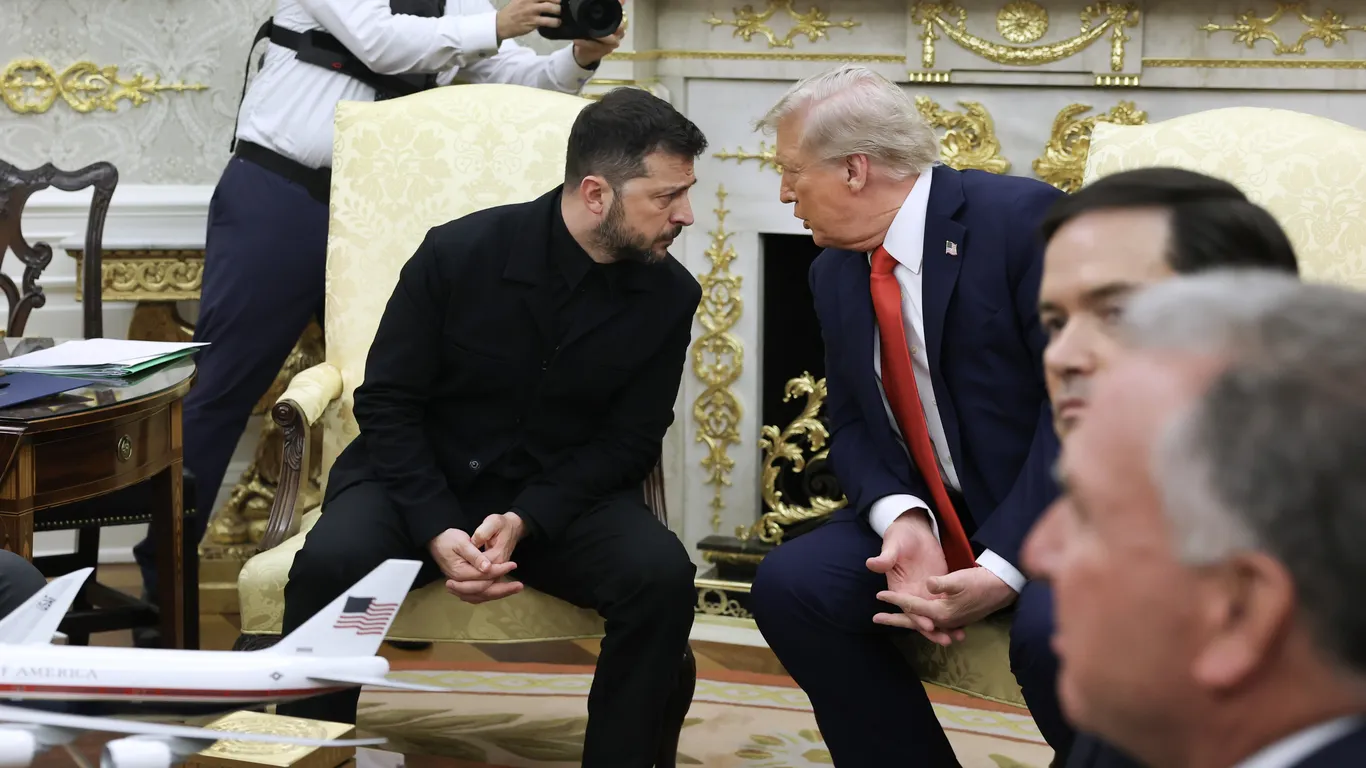
During a meeting with Zelensky, Trump insisted Ukraine make territorial concessions to Russia to end the war, leading to a tense and acrimonious exchange, marking a shift in his approach to the conflict, with Trump now favoring a ceasefire along current lines and emphasizing the need to end the war quickly.
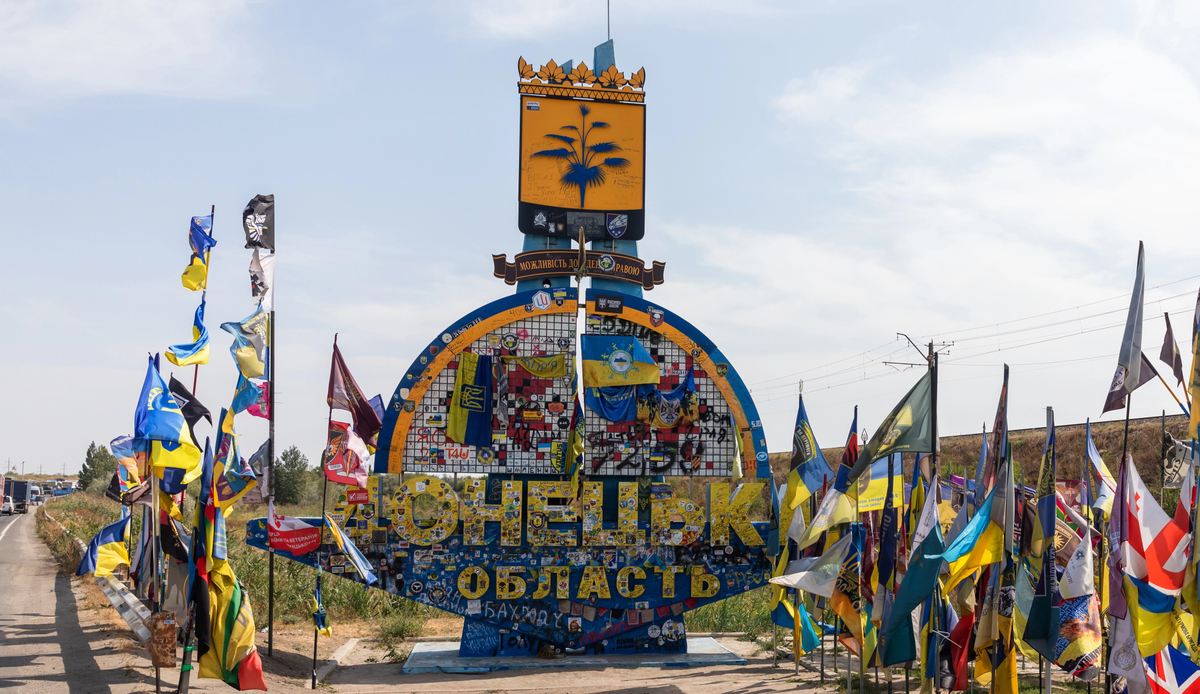
Russian President Vladimir Putin demands Ukraine fully cede the Donetsk region to end the war, motivated by strategic, symbolic, and constitutional reasons, but faces significant military and political challenges in doing so, with the ultimate goal of controlling more Ukrainian territory and possibly Kyiv.
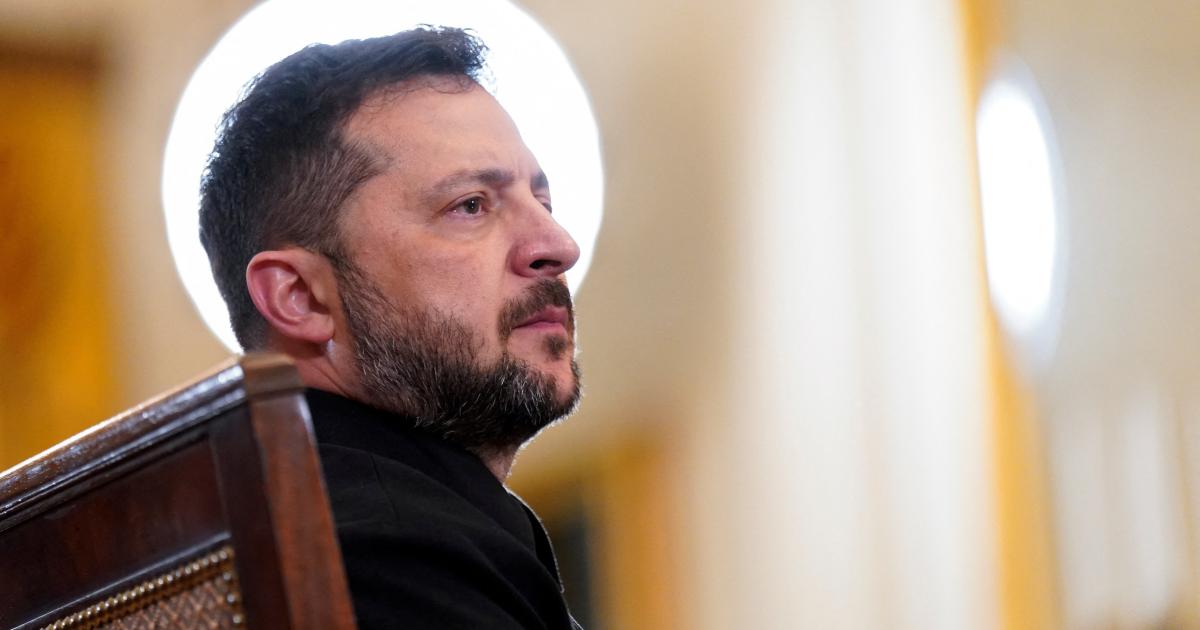
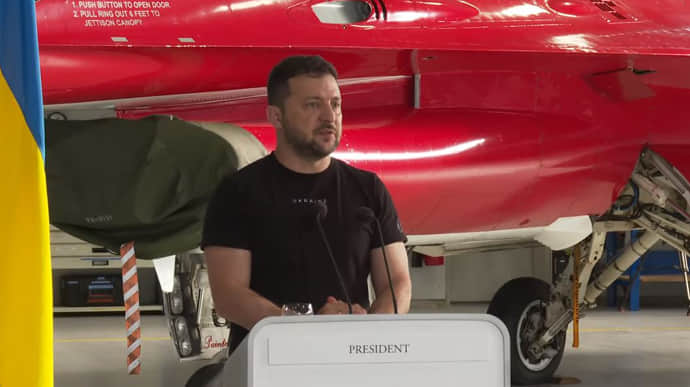
Ukrainian President Zelenskyy firmly states that Ukraine will not make territorial concessions to Russia, emphasizing ongoing international cooperation for defense and energy independence, and supporting a ceasefire and negotiations to end the war.
The article argues that for a durable peace in Ukraine, the US and Europe should first negotiate security guarantees with Ukraine before engaging in direct talks between Zelensky and Putin about territorial concessions, emphasizing a two-step diplomatic process to increase the chances of success.
A potential summit between Putin and Zelensky, supported by Trump, faces significant hurdles due to Russia's reluctance, key disagreements on security guarantees and territorial issues, and the complex political dynamics, making a swift peace deal unlikely.
The article discusses the potential for upcoming Ukraine-Russia peace talks, possibly involving a trilateral summit in Budapest hosted by Viktor Orbán, with key issues including territorial concessions and the shifting stance of U.S. President Trump. The talks face obstacles such as Russia's demands for land swaps and Ukraine's firm stance against ceding territory, while the U.S. political stance remains uncertain.
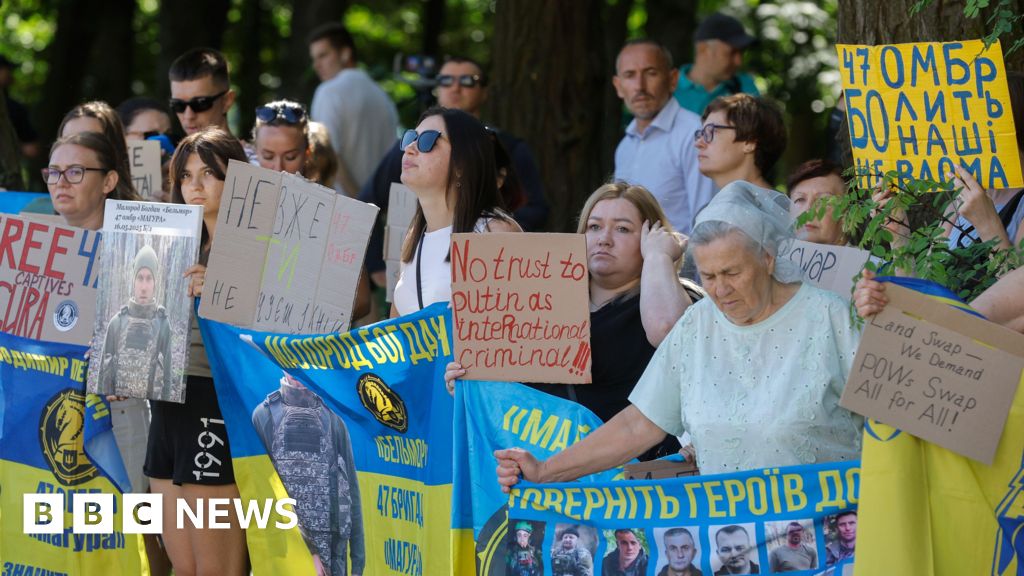
Ukrainians feel excluded and uncertain about the upcoming US-Russia talks in Alaska, fearing land swaps and territorial concessions that could impact Ukraine's sovereignty, amid widespread distrust of Russia and concern over the war's future.
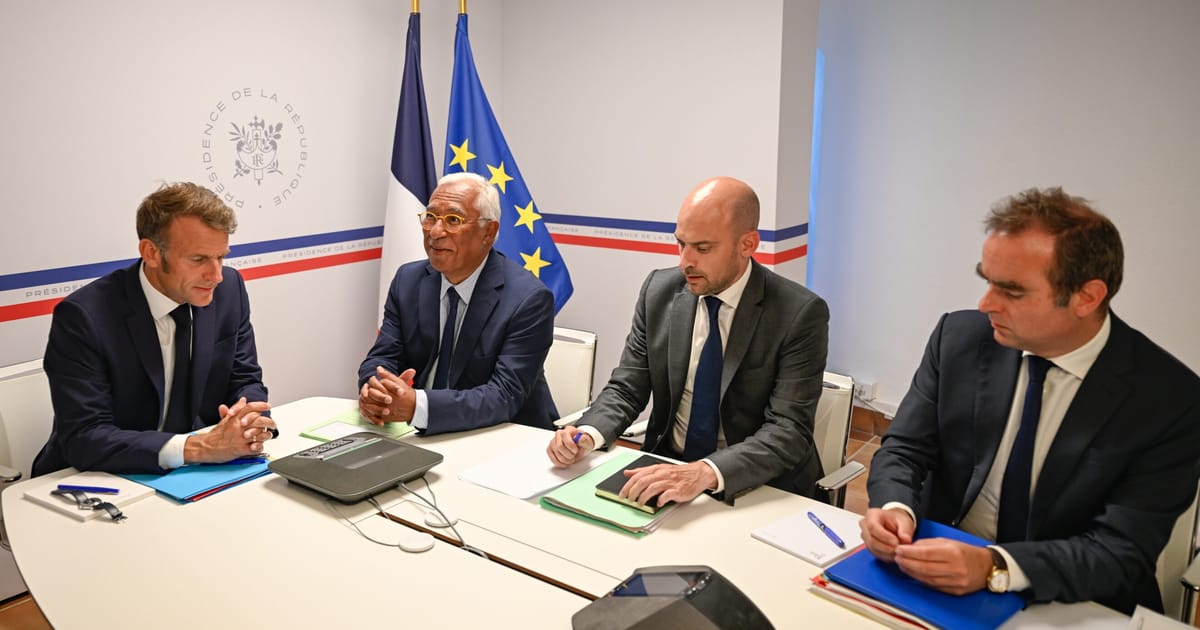
Trump suggested that only Ukraine can negotiate territorial concessions involving land swaps with Russia, but did not specify territories, while Macron noted there were no detailed land swap discussions. Ukraine's Zelenskyy firmly rejected the idea of land swaps without Ukraine's consent. Both Macron and Costa mentioned agreements on seeking a ceasefire and U.S. involvement in future security guarantees for Ukraine.
Ukrainians fear being sidelined in upcoming US-Russia talks, with concerns that President Trump may negotiate directly with Putin over Ukraine's territory without involving Ukraine, risking territorial concessions and undermining Ukrainian sovereignty, amid broader geopolitical tensions.
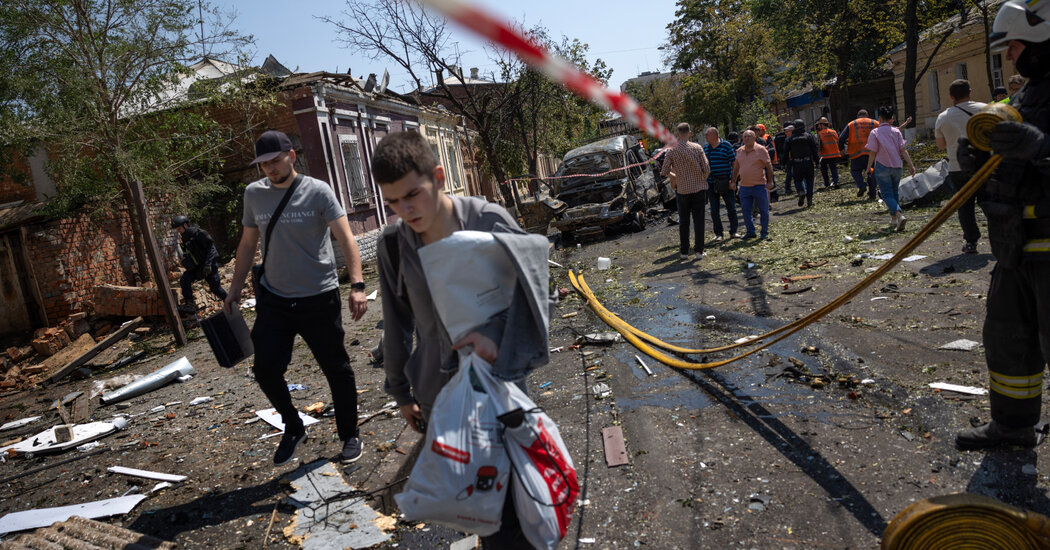
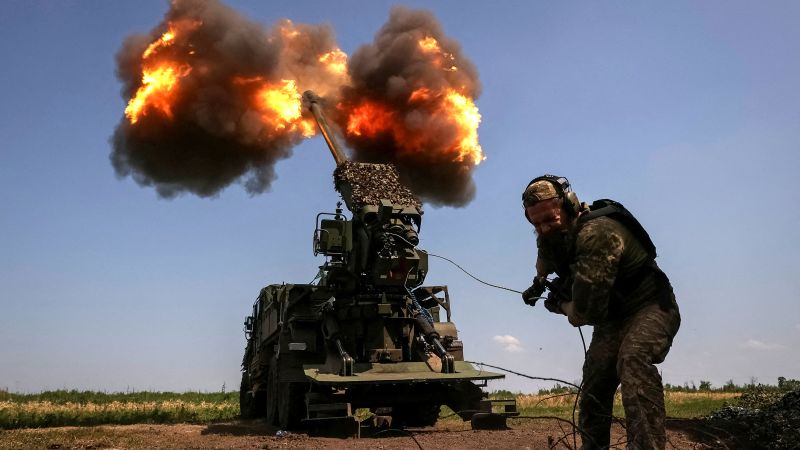
Kremlin officials are reportedly demanding Ukraine cede key territories in Donetsk and Luhansk as part of a ceasefire, with Russia seeking to freeze the front lines without a full withdrawal, while Ukraine and its allies remain cautious, fearing such concessions would favor Russia and prolong the conflict. Russia's ongoing military efforts and strategic positions, along with Putin's uncompromising demands, suggest little genuine interest in peace negotiations, and recent drone strikes indicate continued hostilities. The situation remains complex, with international diplomacy and military developments closely intertwined.
Ukrainian President Volodymyr Zelenskyy stated that Ukraine is willing to exchange the Russian city of Belgorod for NATO membership. Zelenskyy's comment came in response to proposals regarding territorial concessions for peace and NATO membership. The possibility of exchanging Ukrainian territories for peace negotiations has been a topic of discussion, with NATO officials suggesting Ukraine's potential membership in exchange for territorial concessions. However, Zelenskyy emphasized that any decision regarding peace negotiations and territorial exchanges should be made by Ukraine alone.
Western officials are receiving increasingly "sobering" updates on Ukraine's counteroffensive, with assessments indicating that Ukrainian forces are facing significant challenges in retaking territory from Russia. The difficulty lies in breaking through Russia's multi-layered defensive lines, which are fortified with mines and trenches. Ukrainian forces have incurred heavy losses, leading to regrouping and a reduction in casualties. The slow progress has exposed the difficulty of transforming Ukrainian forces into effective mechanized units, despite training on new weapons systems. The approaching fall season and the widening gap between expectations and results are raising concerns about the need for peace negotiations and potential territorial concessions.
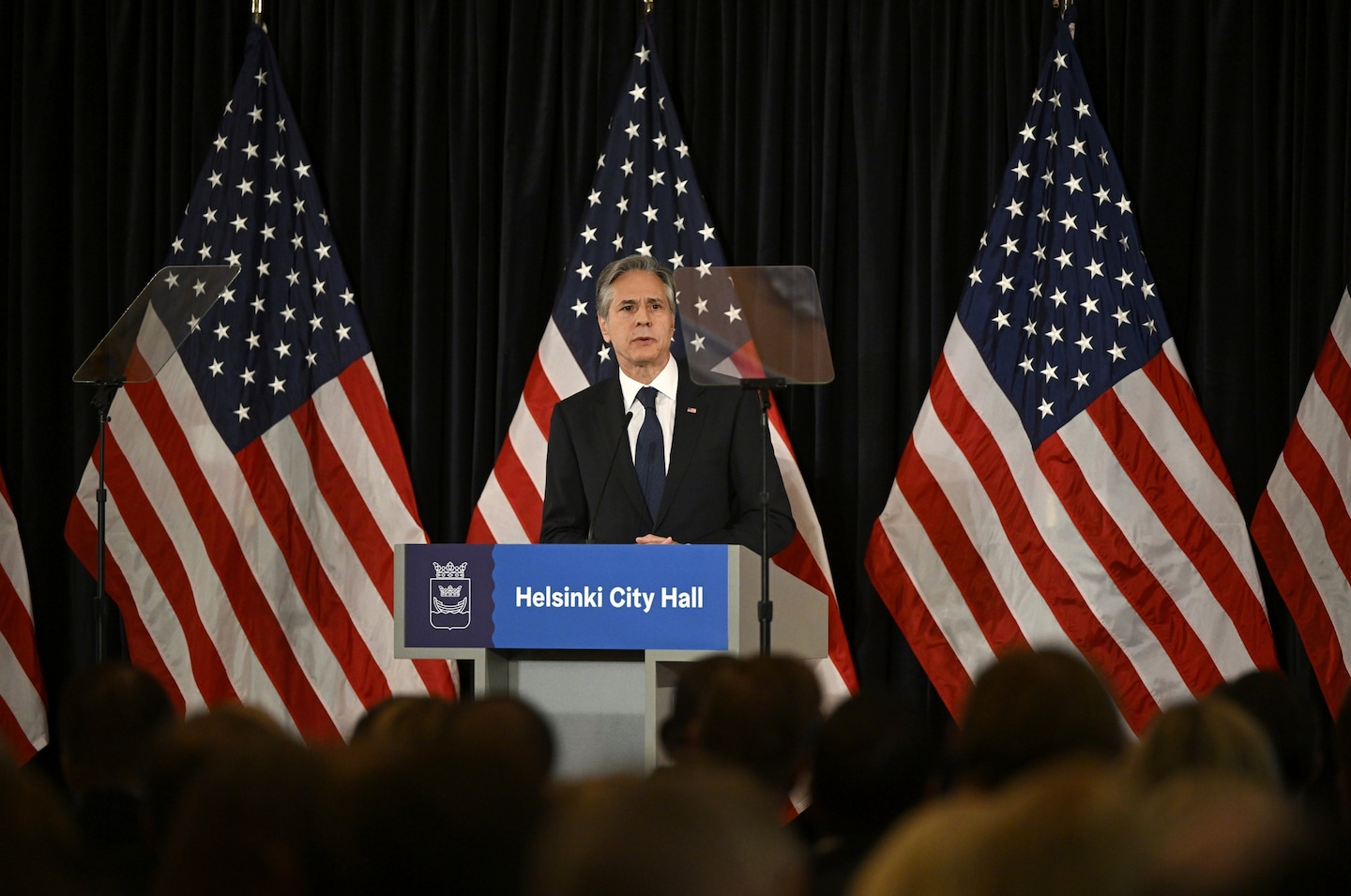
US Secretary of State Antony Blinken rejected calls for cease-fires or territorial concessions to end the war in Ukraine, stating that such proposals would legitimize Putin's aggression and encourage future assaults. Blinken laid out US strategy for hardening Ukraine against long-term Russian threats and principles for a just and lasting peace, including Ukraine's territorial integrity, Russian reparations, and accountability for war crimes. He said the US would support negotiations if and when Russia is ready to work for true peace.