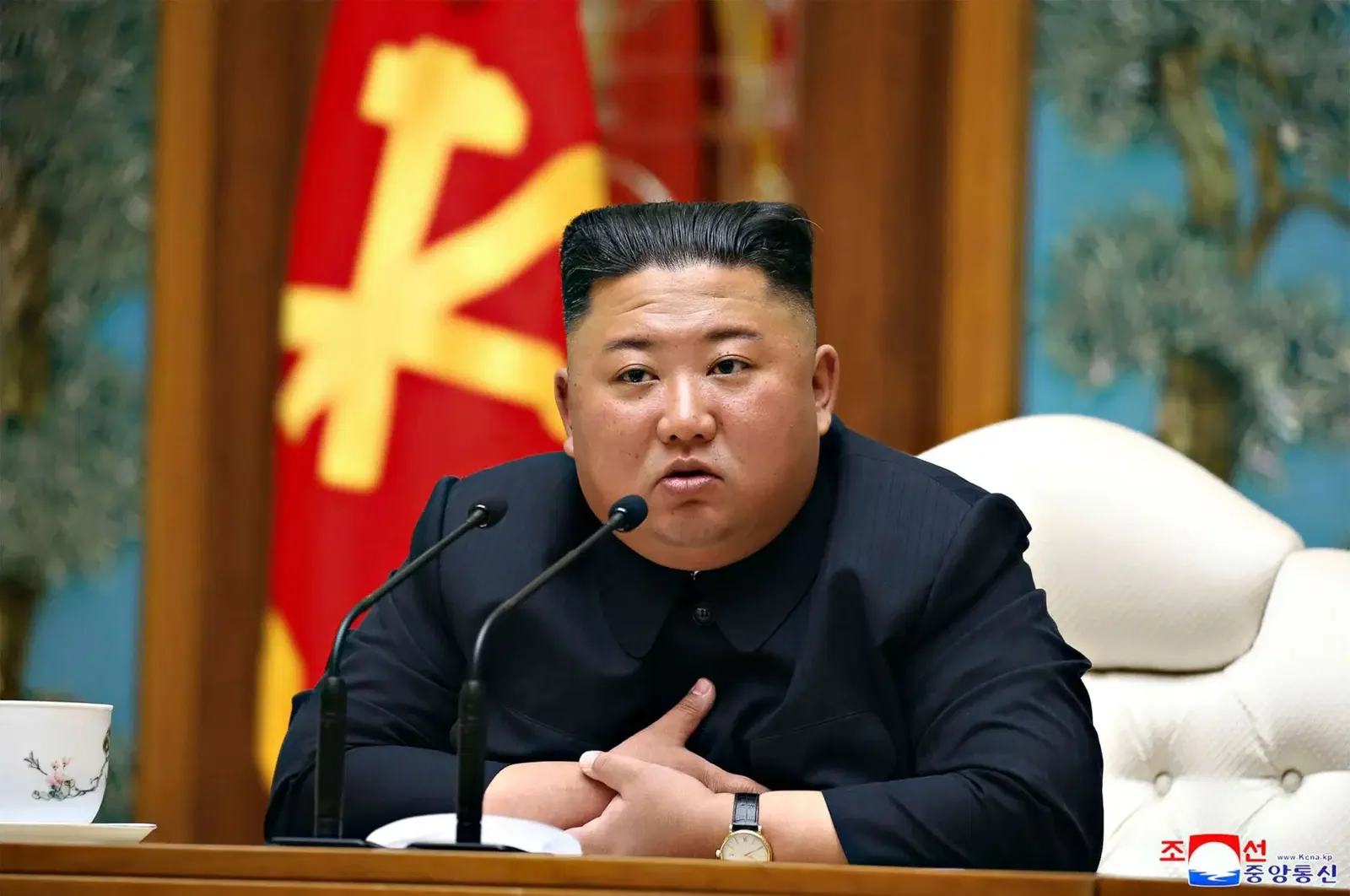
North Korean leader Kim Jong Un has pledged unconditional support for Vladimir Putin's policies, expressing strong solidarity and indicating ongoing cooperation between the two countries, including North Korea dispatching troops and military aid to Russia amidst the Ukraine conflict.
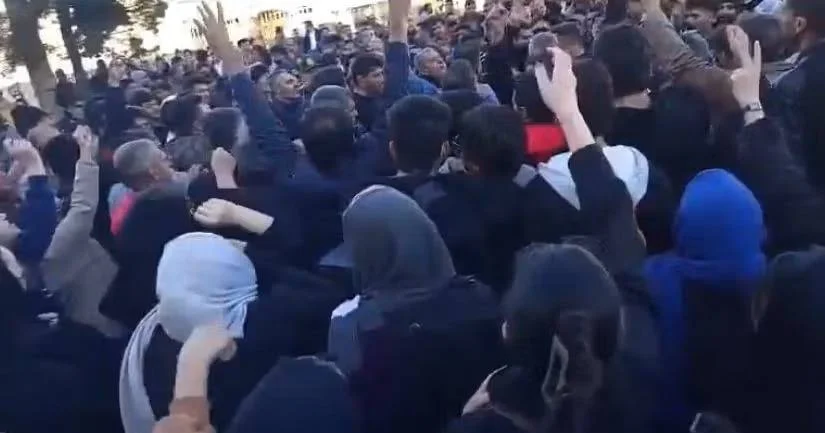
Iran is experiencing its fourth consecutive day of nationwide protests with demonstrations spreading across multiple cities, calls for regime change growing, and a harsh response from security forces, amid economic hardship and political unrest. International figures express support for protesters, while the government offers limited concessions and recognizes the right to protest, amidst warnings from security agencies and hardline factions. The protests are fueled by economic struggles, political dissatisfaction, and calls for accountability, with some protests turning confrontational and authorities deploying force.
Myanmar's military has regained momentum in its conflict, aided by shifting Chinese support, despite ongoing civil war and international condemnation of its elections, which are largely controlled by the military's proxy party. China plays a complex role, supporting the military while also engaging with opposition groups, and is likely to continue backing the military as long as it aligns with its strategic interests, including infrastructure projects and regional stability.
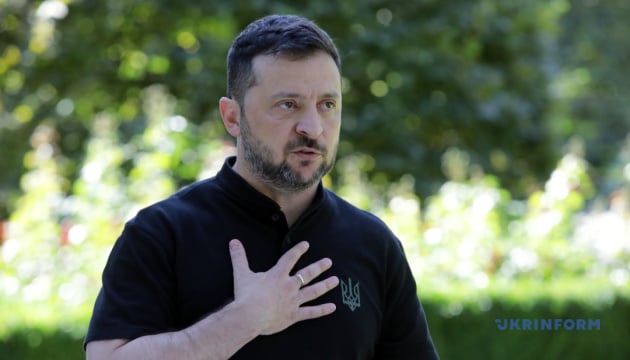
Ukrainian President Zelenskyy firmly states that Ukraine will not make territorial concessions to Russia, emphasizing ongoing international cooperation for defense and energy independence, and supporting a ceasefire and negotiations to end the war.
The US is considering doubling aid to Argentina to stabilize its economy ahead of the midterm elections, with support contingent on the country's policy direction, as part of broader efforts to counter leftward shifts in Latin America and address regional issues like narco traffic.
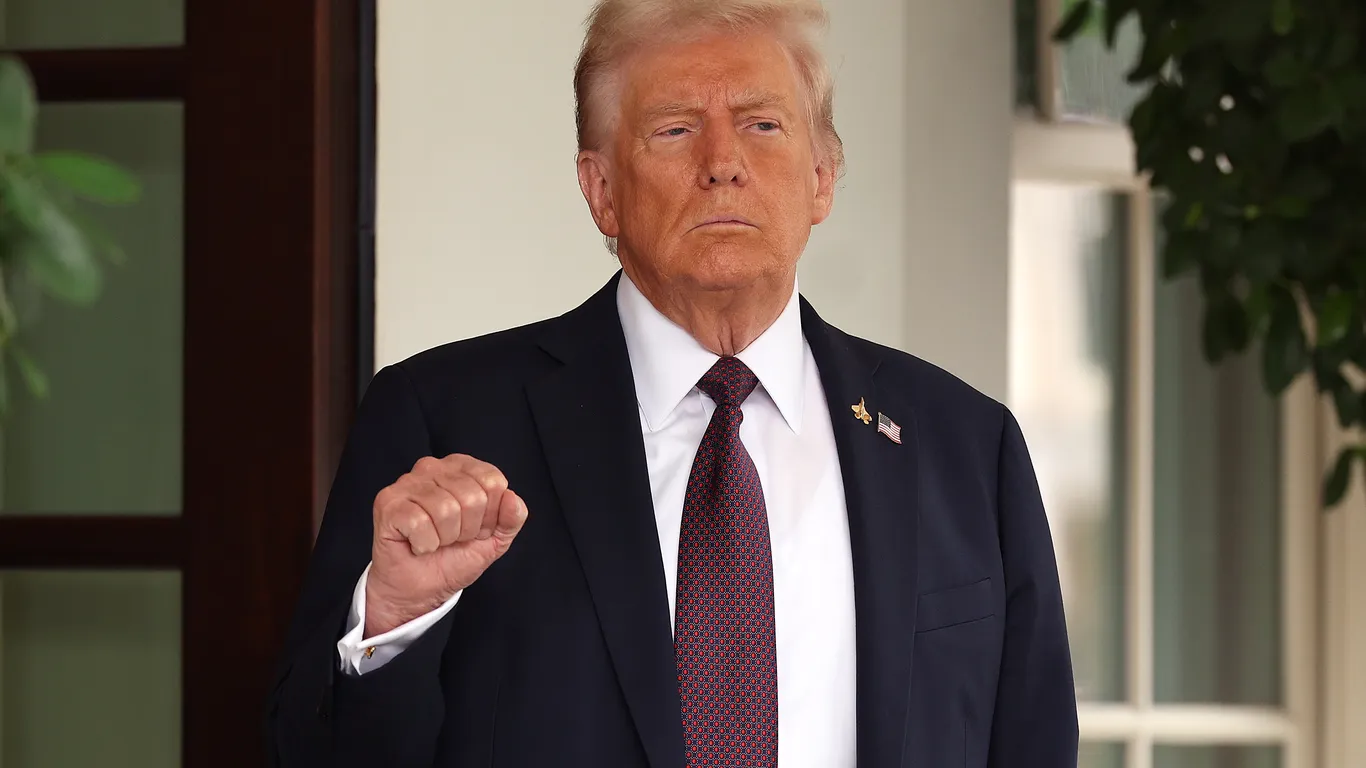
President Trump plans to host a leaders summit on Gaza during his visit to Egypt next week, aiming to garner international support for his Gaza peace plan, with participation from European and Arab leaders, organized by Egyptian President Sisi, in Sharm el-Sheikh.
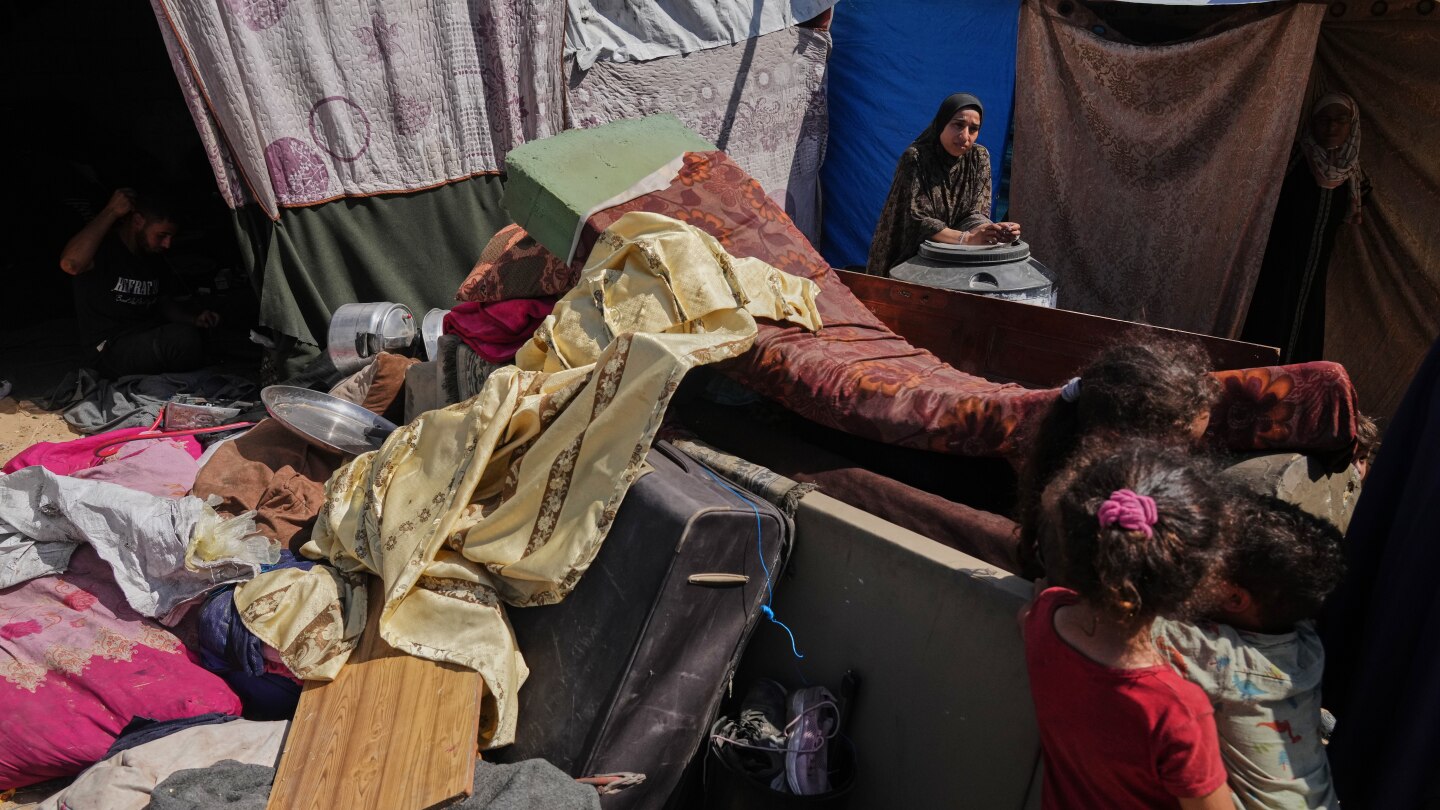
Hamas will review Trump's peace plan for Gaza, which demands disarmament and international oversight, amid mixed regional reactions and ongoing violence, with Israel supporting the plan and Hamas considering its response after internal discussions.
Ukrainian President Zelensky indicated that while no countries have officially confirmed plans to send troops to Ukraine, some are theoretically prepared, including both expected and unexpected nations, highlighting the uncertainty in international military support.
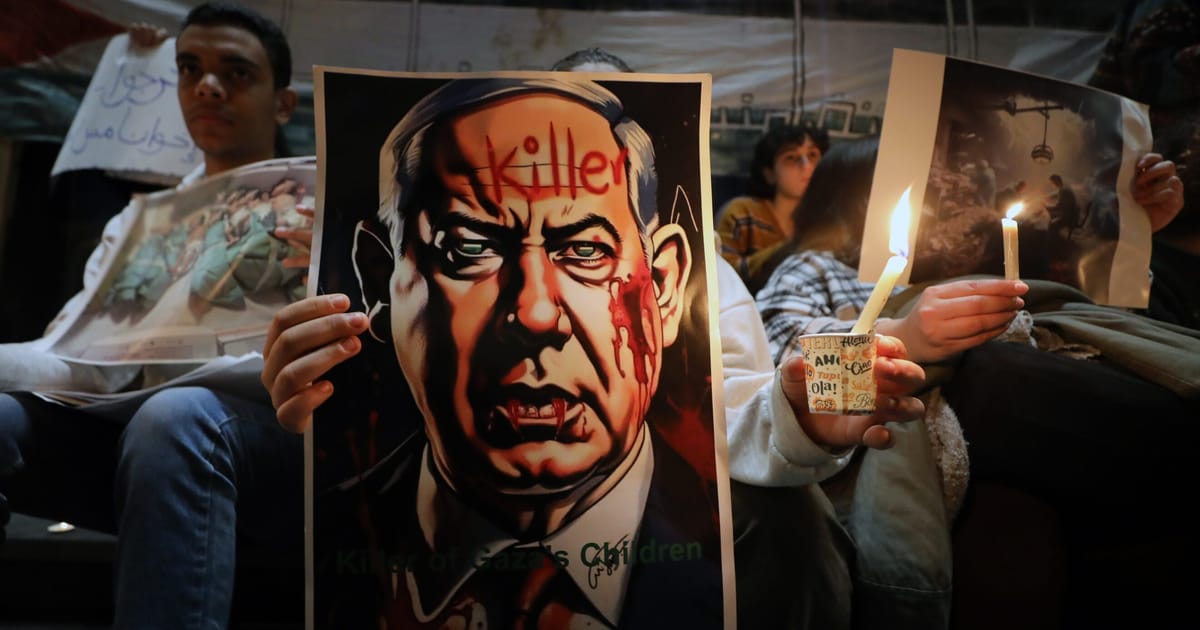
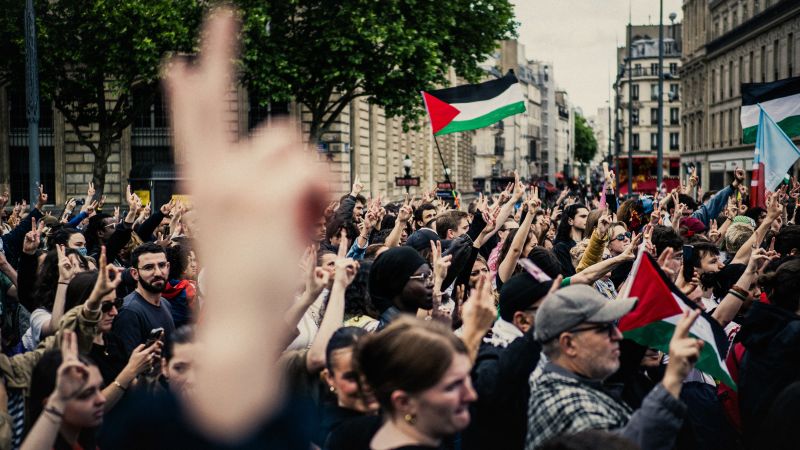
Israel's traditional allies are increasingly breaking ranks with Netanyahu over Gaza, with some countries recognizing Palestinian statehood and critics condemning Israel's military actions as war crimes, leading to growing international isolation and internal dissent within Israel.
Despite growing international support from countries like France, the UK, and Canada for a Palestinian state, significant obstacles remain, including Israeli government opposition, settlement expansion, and political distrust, making the realization of a viable Palestinian state unlikely in the near future.
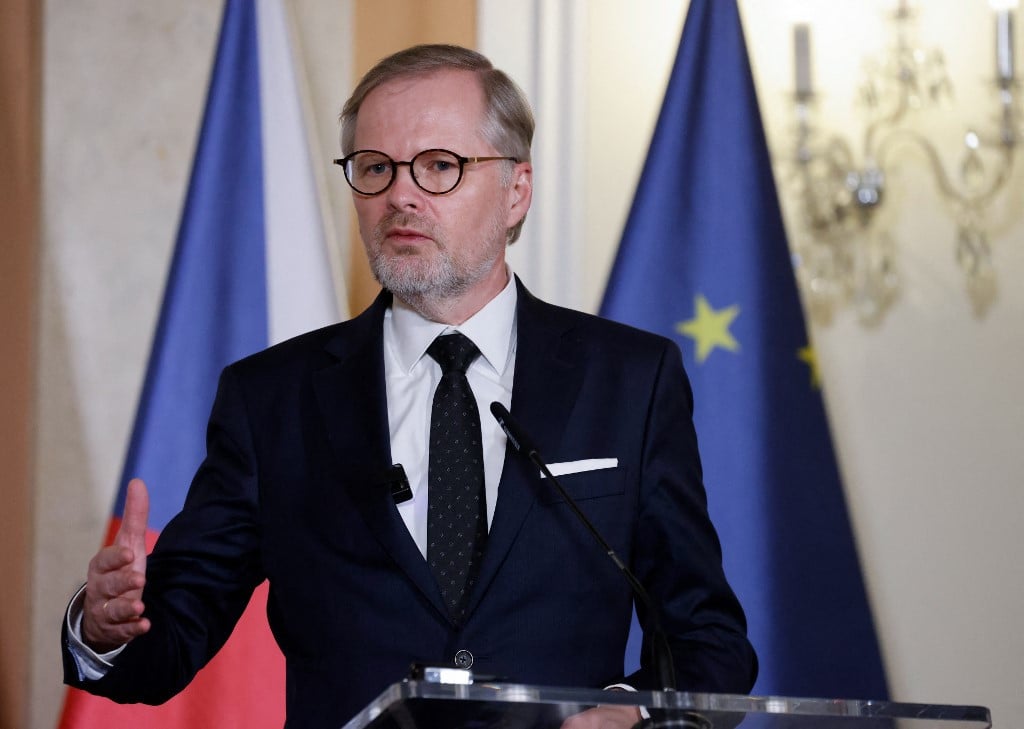
Czech politicians are calling for Ukraine to receive the same level of international support as Israel did after facing Iranian drone and missile strikes. They argue that Ukraine, facing similar attacks from Russia, deserves the same kind of protection. This comes as Czech officials express support for Israel and condemn Iran's destabilizing behavior. Czech Prime Minister Petr Fiala emphasized the necessity of maintaining US support for Ukraine, while there are signs that the US House may proceed with a vote on aid to Israel and Ukraine separately.
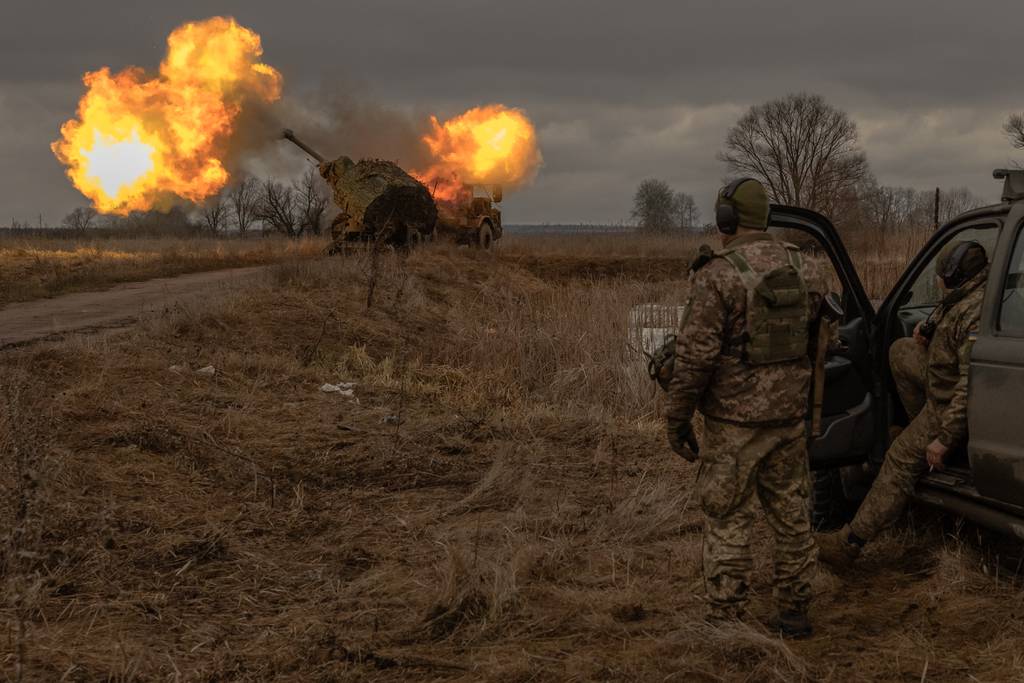
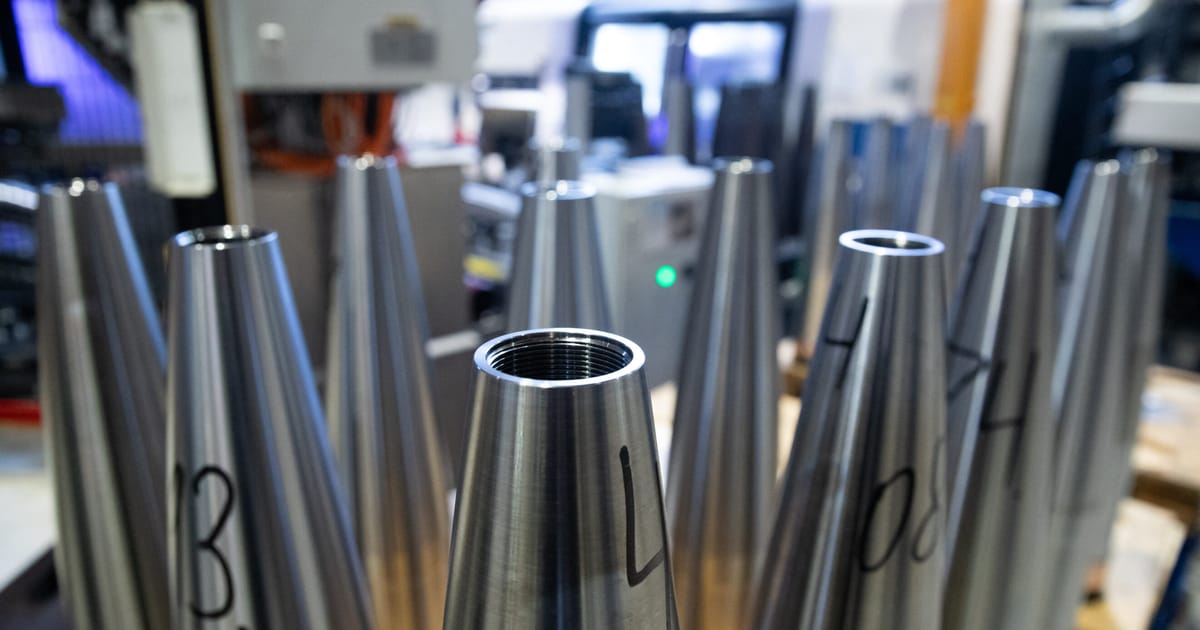
A Czech-led initiative to purchase bulk artillery ammunition for Ukraine has gained momentum, with over a dozen countries committing millions of dollars to source shells from non-European vendors. The proposed purchase includes 500,000 155mm artillery shells and 300,000 122mm rounds, with additional rounds possibly bringing the total to 1.5 million at a cost of $3.3 billion. The initiative aims to address Russia's firepower advantage over Ukraine, with plans to negotiate with third-country vendors and ship the first rounds by June. Leaders from various countries have expressed support for the initiative, emphasizing the urgency of providing Ukraine with the necessary ammunition.
The Czech Republic has spearheaded a fundraising effort to purchase 800,000 artillery shells for Ukraine, with contributions from several countries. Ukrainian President Zelenskyy welcomed the progress but emphasized the need for the shells to actually arrive in Ukraine.
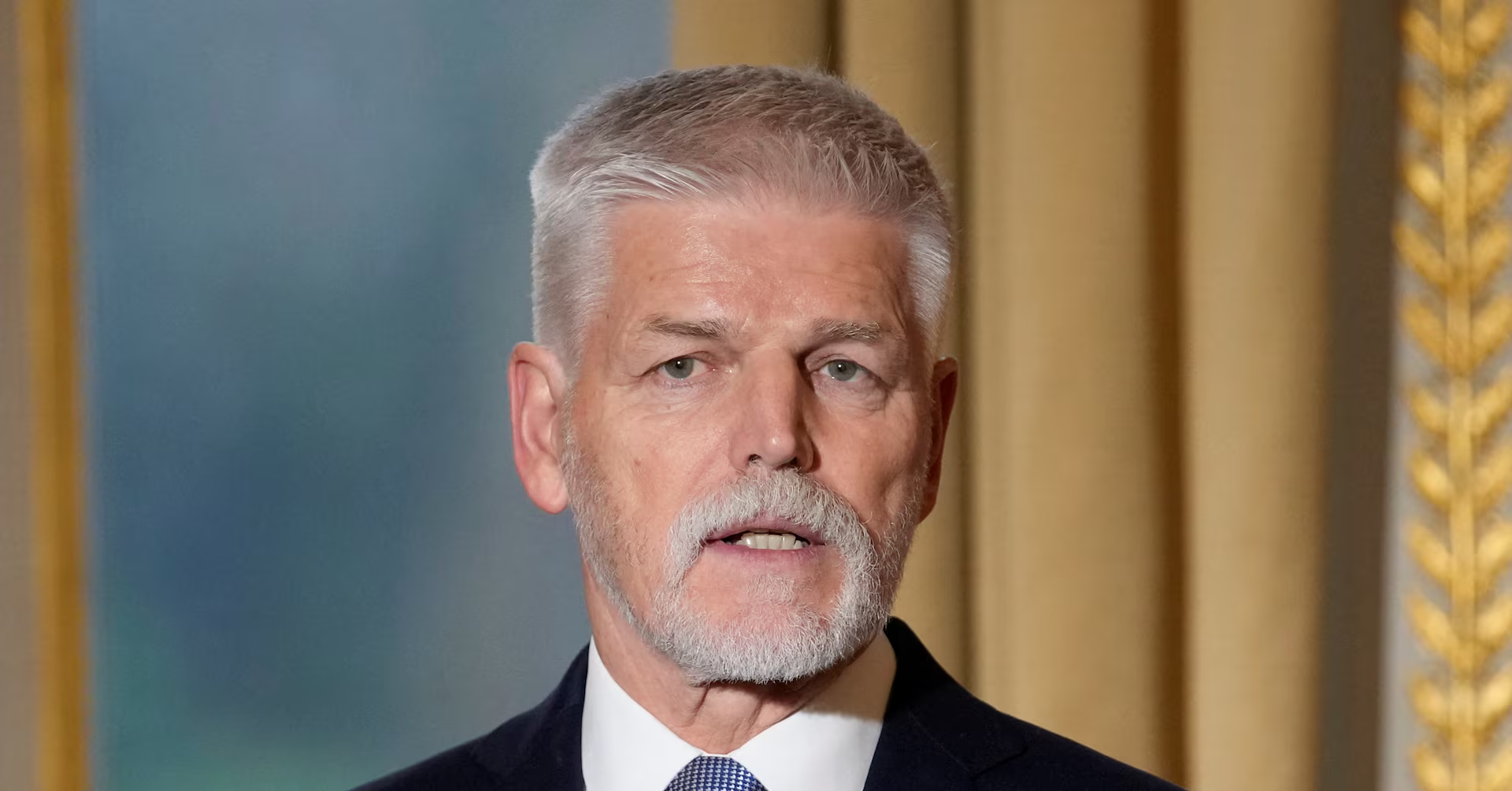
Czech President Petr Pavel announced that a plan to purchase 800,000 rounds of ammunition for Ukraine, in response to Russia's invasion, has secured full funding from contributions by 18 countries, including Norway, Germany, and France. The ammunition, urgently needed by Ukraine, will help address the shortage of artillery ammunition as the conflict continues. The Czech Republic has taken the lead in sourcing the ammunition from third countries, and deliveries to Ukraine could begin in weeks.
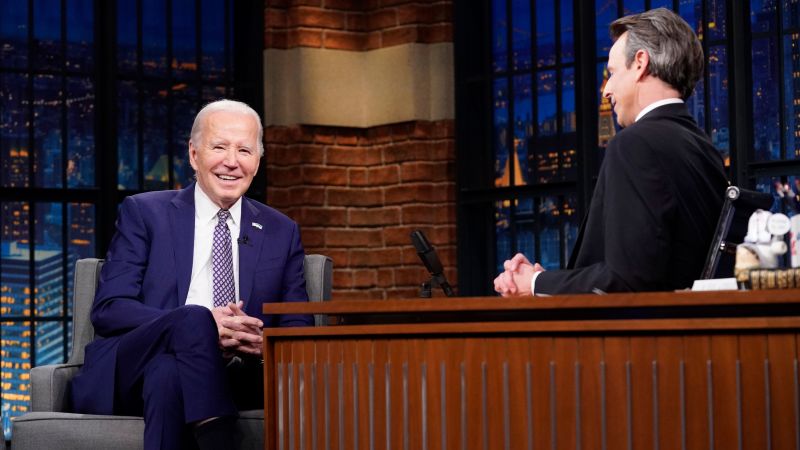
President Biden warns Israel of potential loss of international support as its offensive in Gaza continues, expressing hope for a ceasefire deal by early next week. He faces pressure from Arab-American activists in Michigan ahead of the primary, and Hamas has reportedly backed off some demands in negotiations. Biden also addresses the looming Israeli offensive into Rafah, with the US expressing concern and stating that it won't support the offensive without a plan ensuring the safety of refugees.