Scientists from UW-Madison discovered that the protein RPA is crucial for maintaining chromosome stability by stimulating telomerase, providing new insights into the causes of unexplained, deadly diseases related to short telomeres, and offering potential for improved diagnosis and treatment.
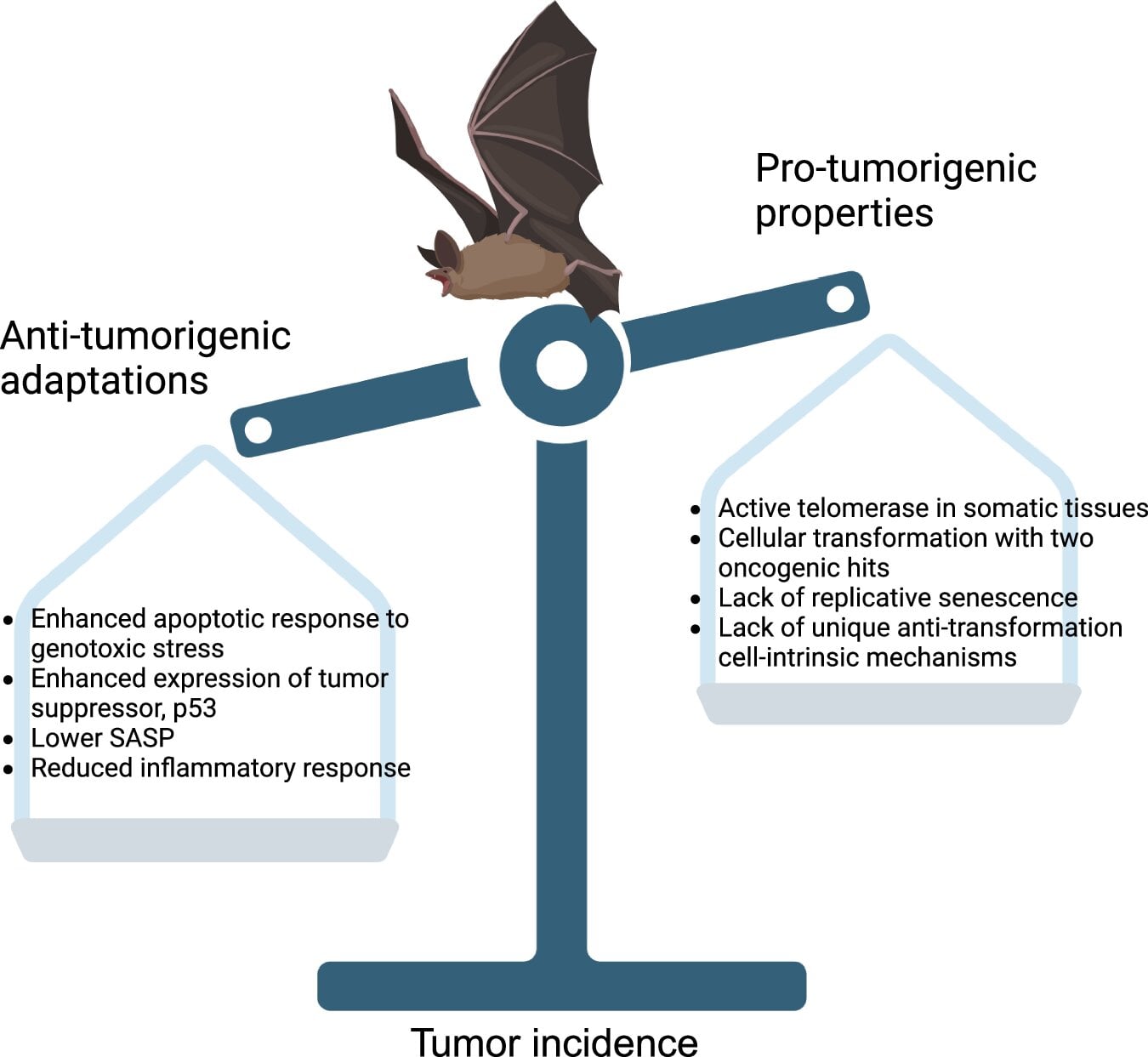
Scientists have discovered that certain bat species can live long lives with a low risk of cancer due to a balance between multiple copies of the tumor-suppressing p53 gene, overactive telomerase enzymes, and an efficient immune system, offering potential insights for human cancer prevention.
Scientists have discovered that bats' exceptional lifespan and resistance to cancer are due to a combination of genetic factors, including extra copies of the tumor suppressor gene p53, maintained telomeres, and a balanced immune system, offering potential insights for human aging and cancer prevention.
A study reveals that long-lived bats resist cancer through enhanced p53 gene activity, active telomerase enzymes, and a highly efficient immune system, offering insights that could inform human cancer prevention strategies.
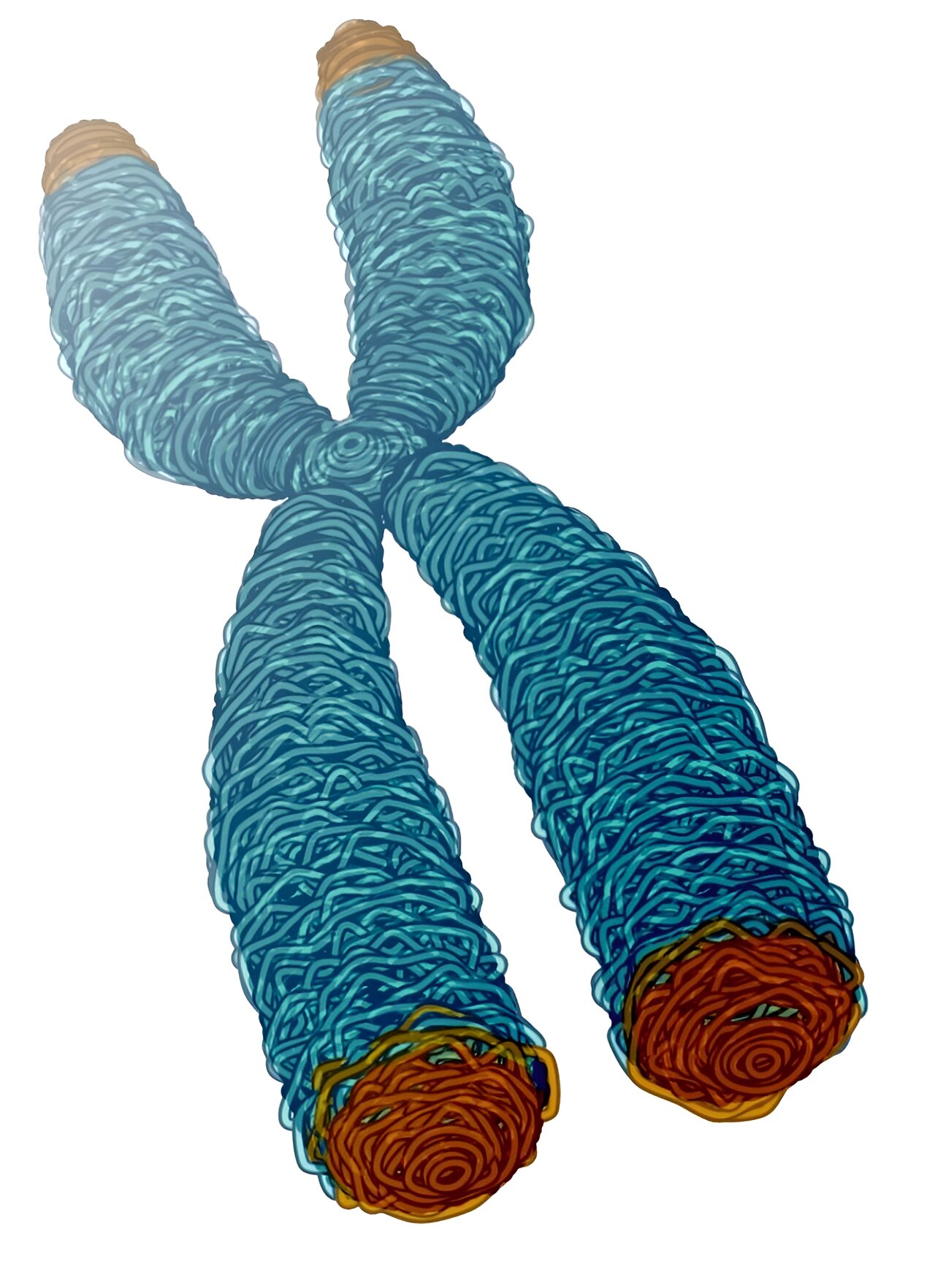
A new study published in Science reveals that telomere lengths vary across different chromosome ends, challenging the previous understanding of a singular telomere-length range. The research, led by UC Santa Cruz professor Carol Greider, utilized nanopore sequencing to make precise measurements and found that specific chromosome ends may be the first to trigger stem-cell failure. The study suggests that the regions adjacent to telomeres could serve as potential targets for new drugs to prevent degenerative diseases, and the nanopore sequencing technique has widespread potential for use in research, diagnostics, and drug development.
A biomarker study published in Biogerontology has yielded surprising results. The study recruited 169 participants and tested various biomarkers associated with aging. The findings revealed that growth differentiation factor 15 (GDF15), a marker of stress and mitochondrial dysfunction, was significantly associated with age, with the highest levels found in the 35-50 age group. In contrast, telomerase, a commonly studied biomarker of aging, did not show significant differences between age groups. Other biomarkers such as NLRP3 and advanced glycation end-products (AGEs) showed varying associations with age. The study's findings challenge conventional knowledge and call for further investigation and replication by other research groups.