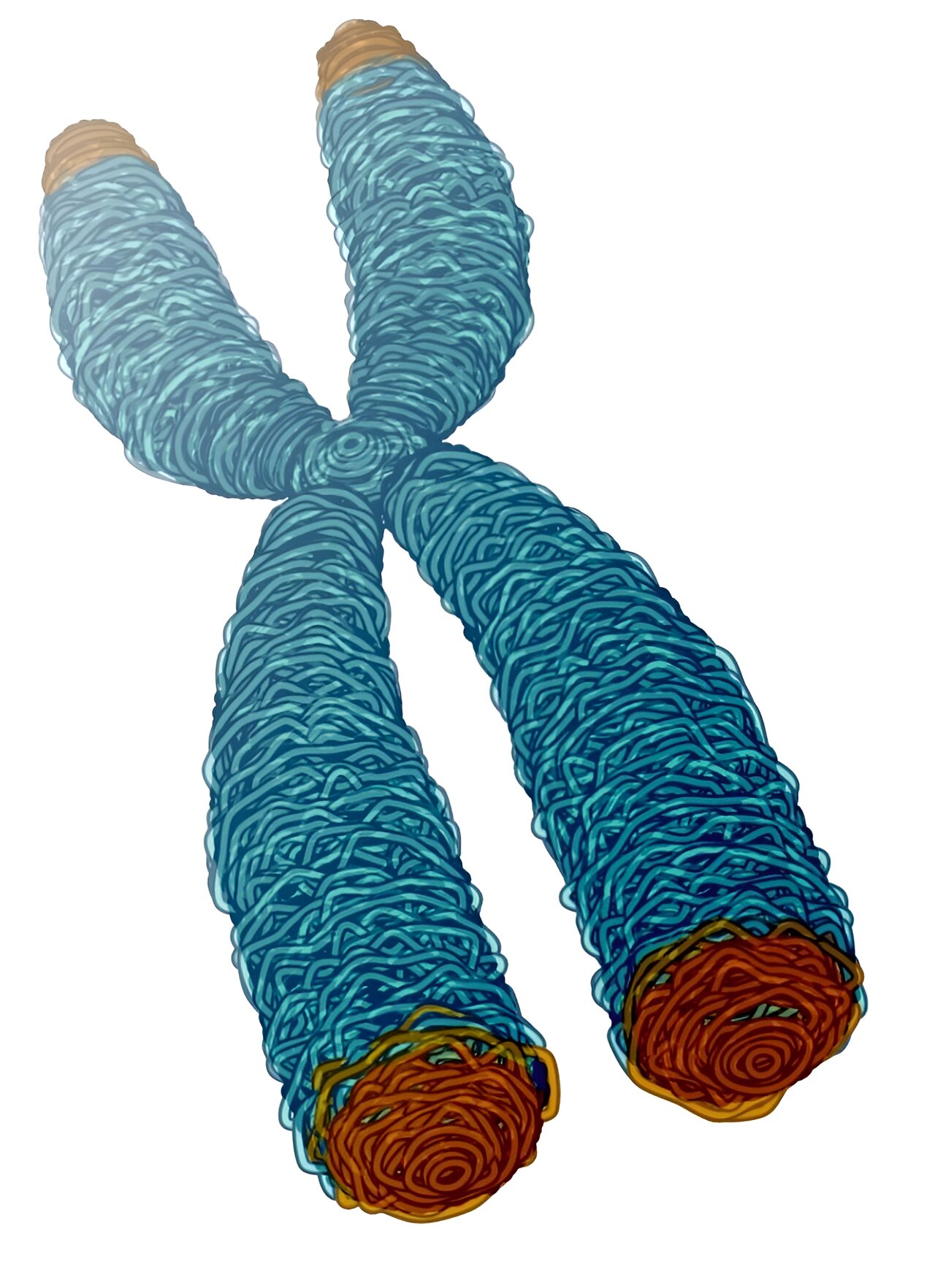
"Identifying Chromosome End Targets for Degenerative Disease Prevention"
A new study published in Science reveals that telomere lengths vary across different chromosome ends, challenging the previous understanding of a singular telomere-length range. The research, led by UC Santa Cruz professor Carol Greider, utilized nanopore sequencing to make precise measurements and found that specific chromosome ends may be the first to trigger stem-cell failure. The study suggests that the regions adjacent to telomeres could serve as potential targets for new drugs to prevent degenerative diseases, and the nanopore sequencing technique has widespread potential for use in research, diagnostics, and drug development.