An international team reports a 900-kilometer tektite strewn field in Minas Gerais, Brazil, dating to as much as 6.3 million years ago, evidence of a large meteorite impact, but the crater has not yet been found; researchers hope magnetic and gravimetric studies will reveal its ring-shaped footprint near the field.
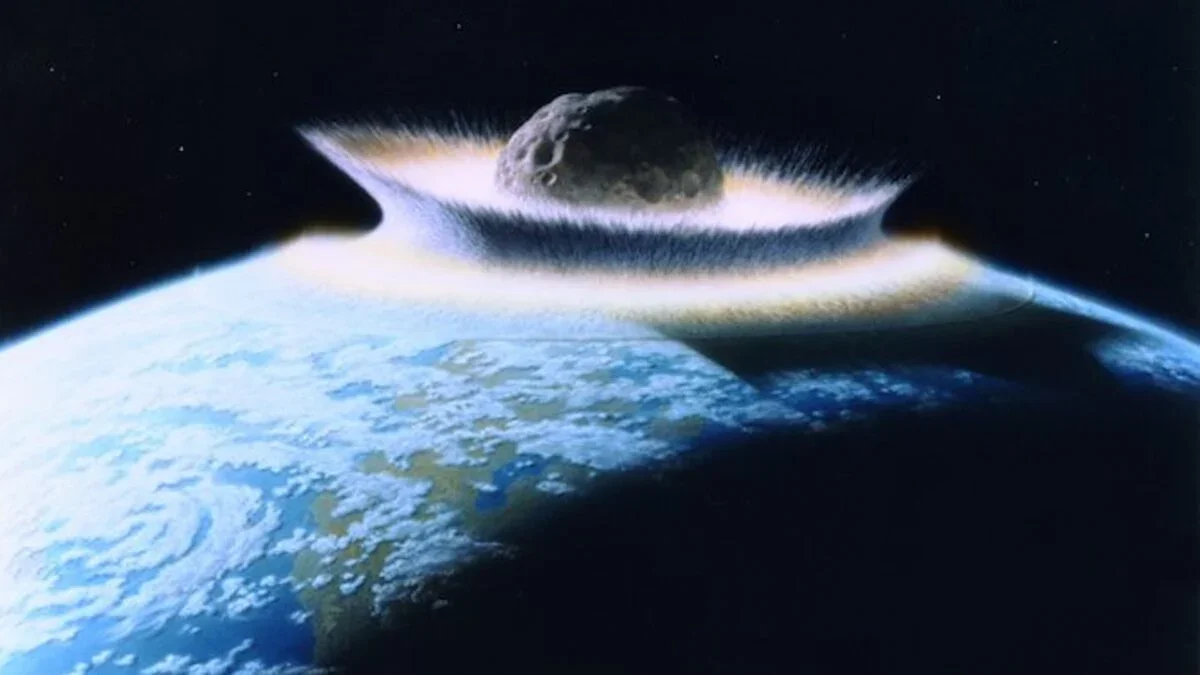
Scientists have identified hundreds of tektites—glass droplets formed when a meteorite melted surface rock—over a 900-km region in Brazil, named geraisites. Dating places the material up to about 6.3 million years old and reveals an ancient crustal source from the São Francisco Craton. No nearby crater has been found, but the discovery expands Brazil's impact history and suggests tektites may be more common than previously thought.
A 900-km-wide field of tektites—natural glass formed by a meteorite impact about 6.3 million years ago—has been identified across Minas Gerais, Bahia, and Piauí in Brazil, with about 500 specimens collected and named geraisites. The glass is silica-rich and extremely dry, providing new clues about South America’s ancient impact history, though the crater responsible has not yet been found (likely somewhere in the São Francisco Craton).
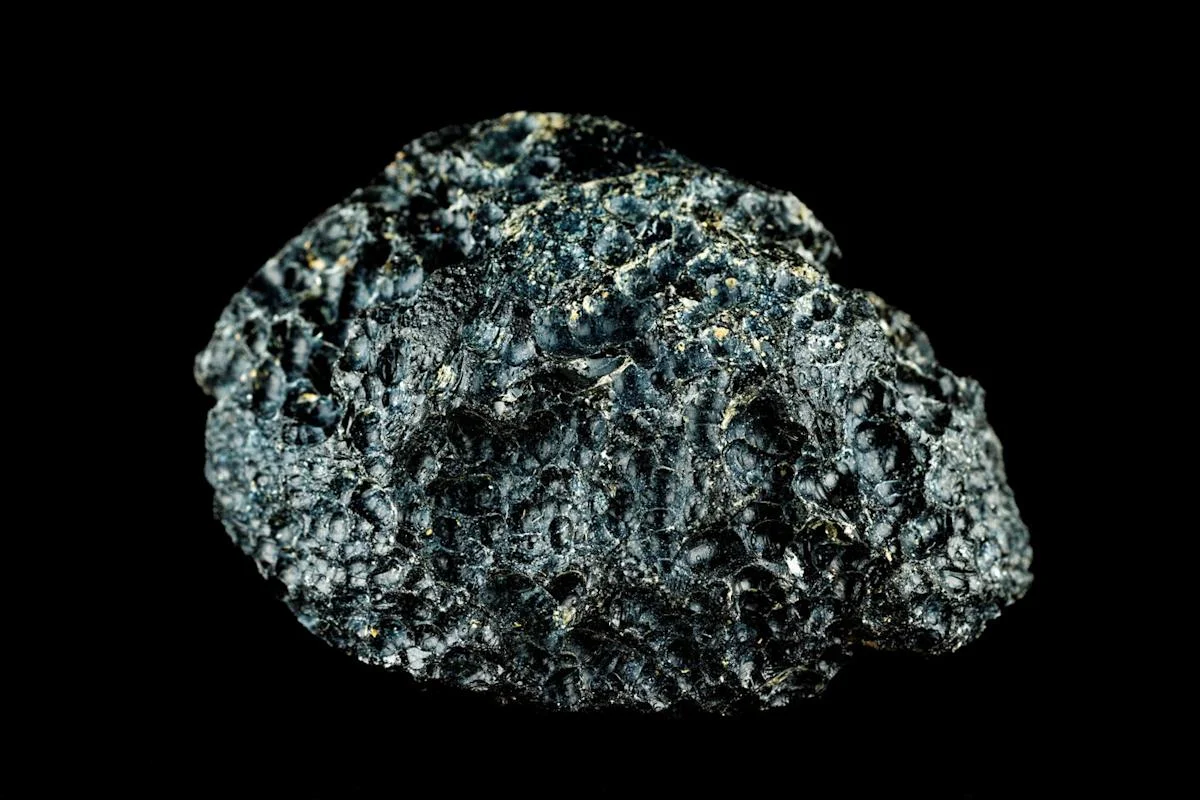
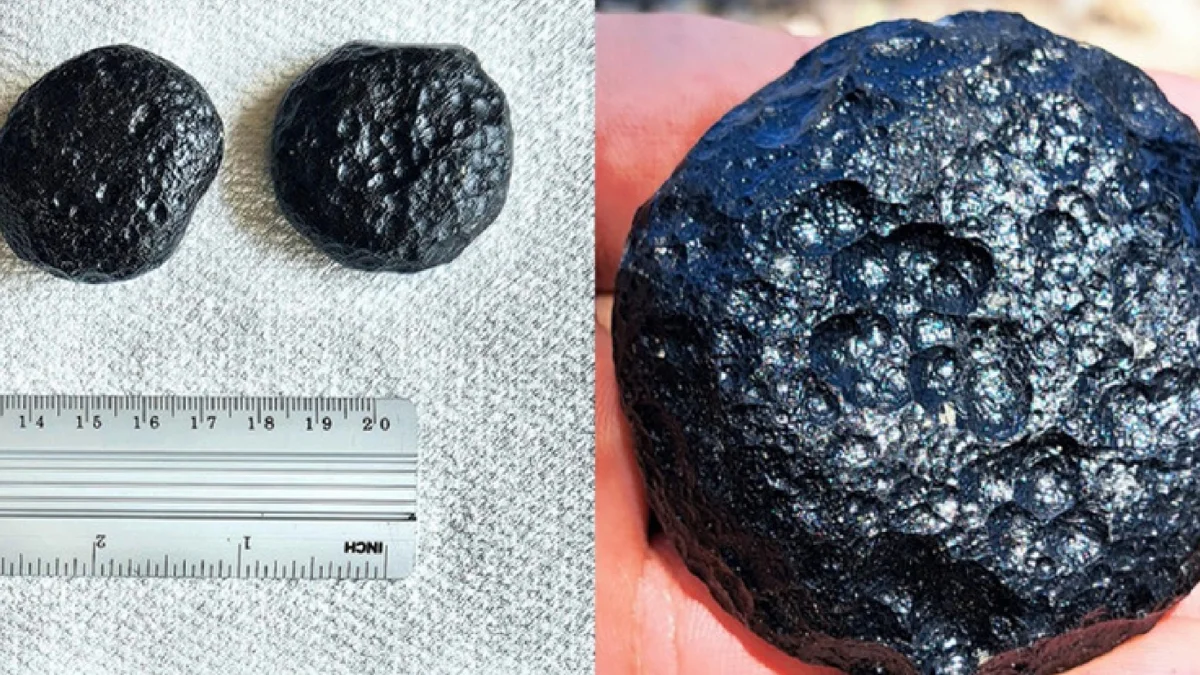
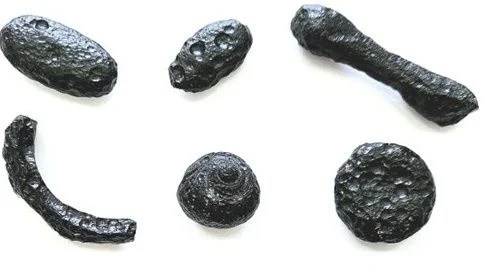
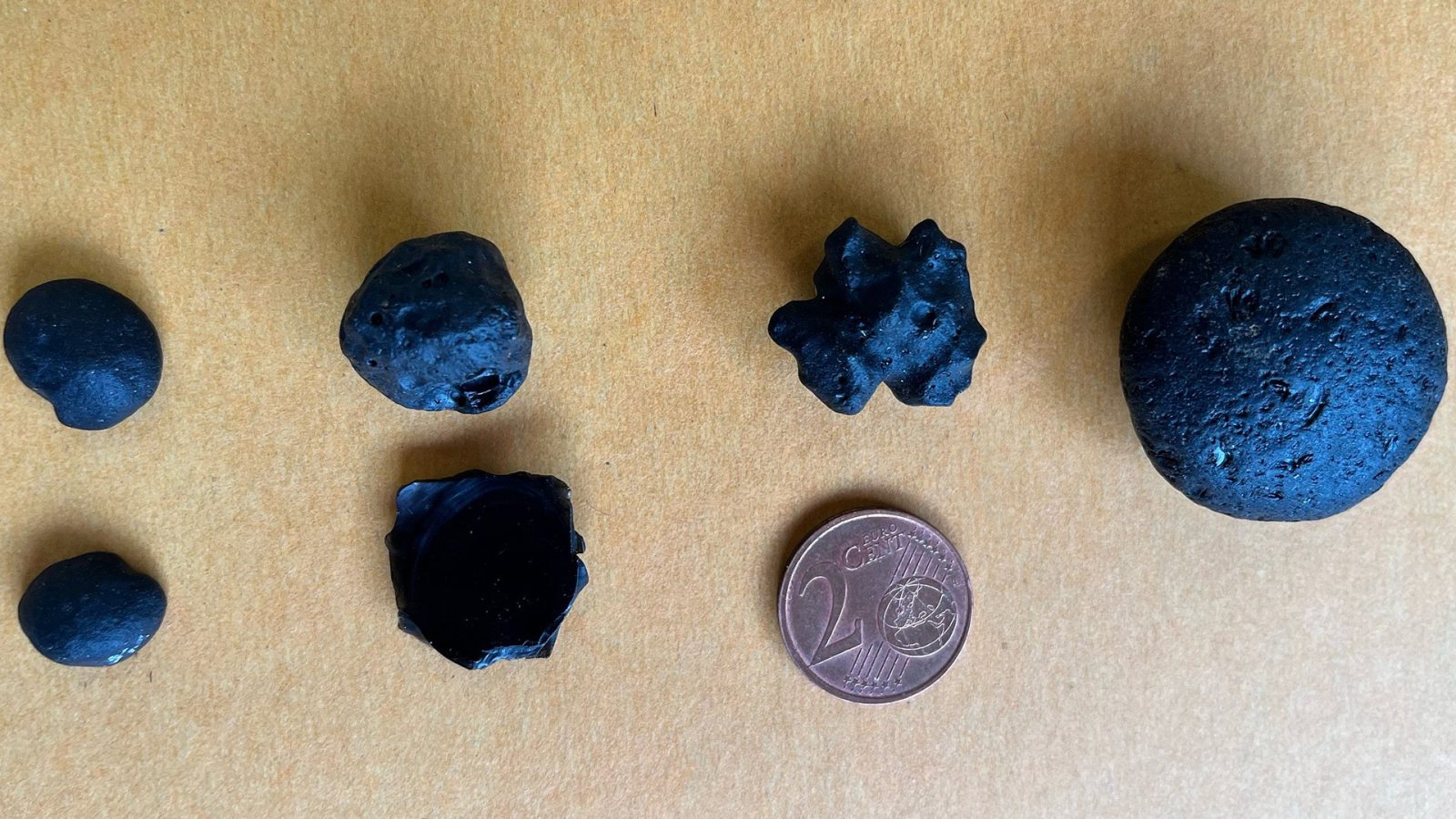
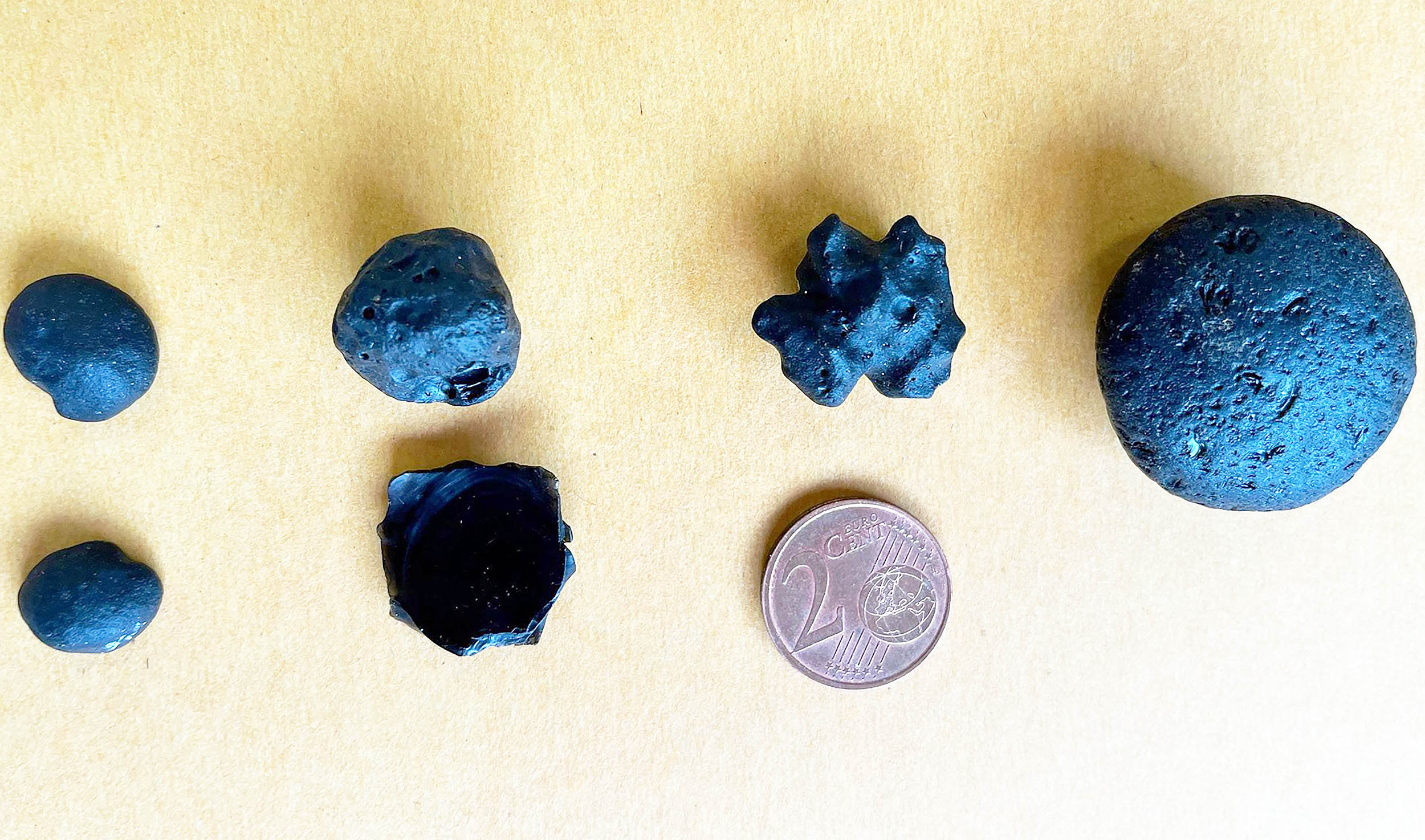
Scientists have identified a new tektite strewn field in northeastern Brazil, named geraisites after Minas Gerais, with roughly 500–600 glassy specimens spanning about 900 km. Dating places the impact at about 6.3 million years ago, near the Miocene end, when a large meteorite melted surface rocks and ejected glass that cooled into tektites (silica-rich with lechatelierite inclusions). The geraisites are 1–86 g, often black but turning gray-green in light, with surfaces marked by cavities from atmospheric entry. The field has expanded beyond the initial zone, but the crater has not yet been found and may lie buried or eroded in the São Francisco craton; satellites may help locate it. There are only a handful of tektite fields known worldwide.
Brazilian researchers identified a new tektite field, geraisites, from a 6.3-million-year-old meteor impact that spread tektites over roughly 900 km in Minas Gerais and neighboring states; analyses of silica content, low water, lechatelierite inclusions, and argon-argon dating place the event in the late Miocene, with a buried São Francisco Craton crater likely as the source.
Brazilian researchers have identified the country’s first tektite field, Geraisites, a collection of glassy fragments spread across Minas Gerais and adjacent states that indicate a substantial ancient impact. Dating with 40Ar/39Ar places the event at about 6.3 million years ago, during the Miocene, with isotopic signatures pointing to a very old continental crust source in the São Francisco craton. The field now spans over 900 km, and while no crater is yet known, the data imply a powerful impact with dispersed molten material; researchers plan aerogeophysical surveys and modeling to estimate the event’s energy, velocity, and crater geometry. This discovery expands South America’s sparse tektite record and suggests tektites may be more common than previously thought.
Scientists have identified unusual tektites in Australia that are likely from a previously unknown asteroid impact around 11 million years ago, but the impact crater has yet to be located, with possible sites in Southeast Asia and Papua New Guinea.
Scientists discovered unique impact glass in South Australia, dating back about 10.76 million years, indicating a previously unknown asteroid impact that created a strewn field over a large area, with no visible crater found yet.
Researchers discovered that some tektites in an Australian museum, previously thought to originate from an 800,000-year-old asteroid impact, are actually over 11 million years old, revealing a forgotten cosmic impact in Earth's history.
Geologist Kerry Sieh believes he has found the location of a massive meteorite impact that occurred 800,000 years ago. After encountering tektites (glassy, black blobs formed by meteorite strikes) in a jewelry store in Vietnam, Sieh studied scientific literature and satellite images to identify a possible impact site in the Bolaven Plateau in southern Laos. His latest research, published in the Proceedings of the National Academy of Sciences, reveals a pattern of thickening ejecta deposits in the region, suggesting the presence of an impact crater. While some scientists remain skeptical, others are proposing return trips to the area to confirm the findings.