
Brazil uncovers 6-million-year meteorite glass field; crater remains elusive
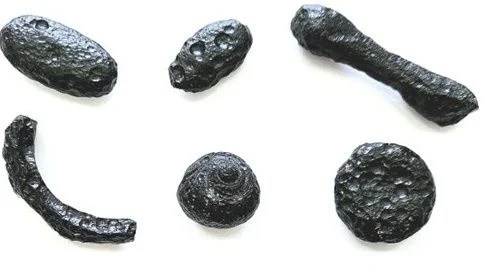
Scientists have identified a new tektite strewn field in northeastern Brazil, named geraisites after Minas Gerais, with roughly 500–600 glassy specimens spanning about 900 km. Dating places the impact at about 6.3 million years ago, near the Miocene end, when a large meteorite melted surface rocks and ejected glass that cooled into tektites (silica-rich with lechatelierite inclusions). The geraisites are 1–86 g, often black but turning gray-green in light, with surfaces marked by cavities from atmospheric entry. The field has expanded beyond the initial zone, but the crater has not yet been found and may lie buried or eroded in the São Francisco craton; satellites may help locate it. There are only a handful of tektite fields known worldwide.
Reading Insights
1
7
56 min
vs 57 min read
99%
11,272 → 119 words
Want the full story? Read the original article
Read on Space