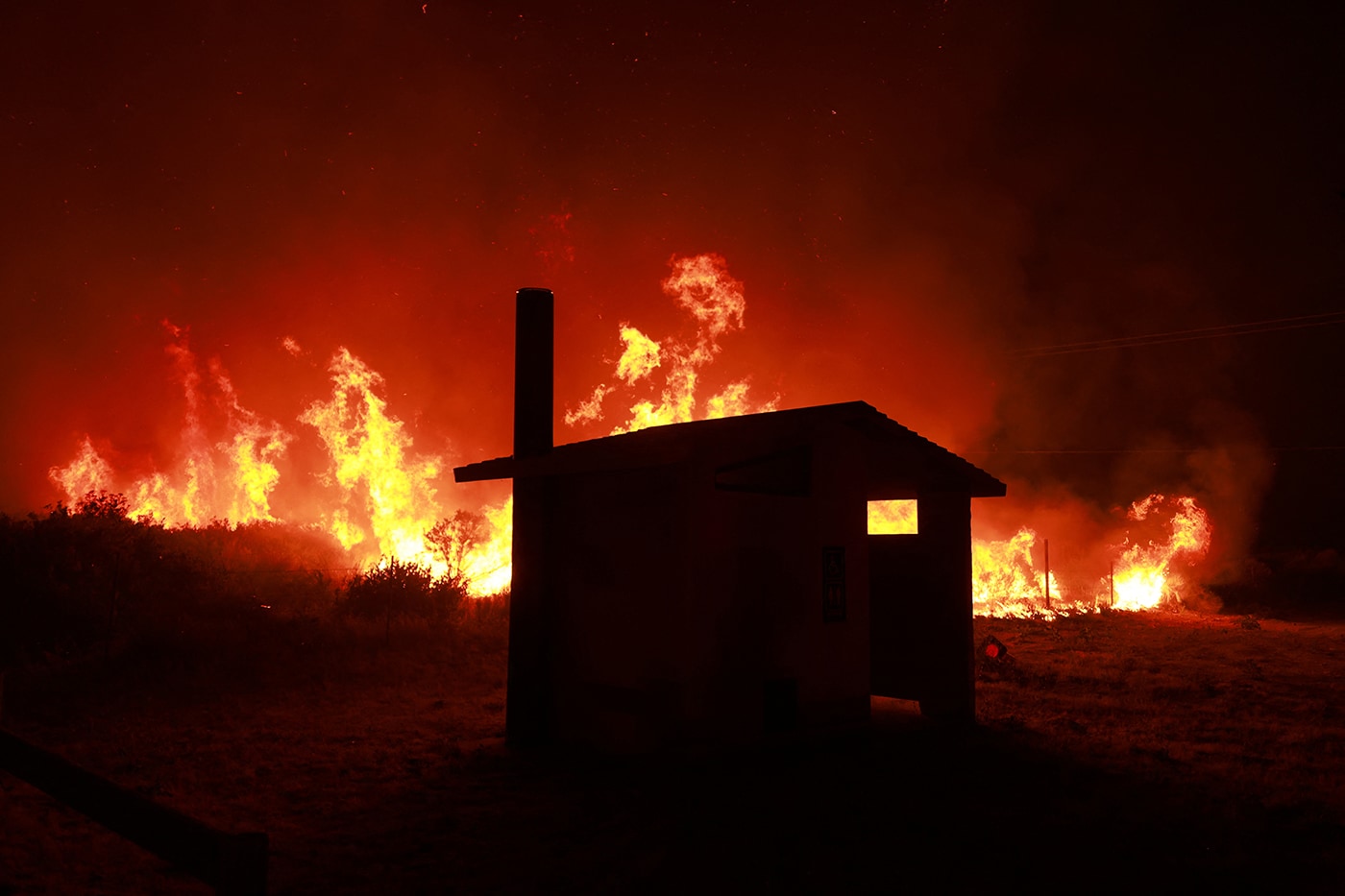
Watch Duty, a free app developed by John Mills, has become a trusted source for wildfire information, combining official data with insights from volunteers, including retired firefighters. Launched in 2021, the app provides real-time updates on wildfires, air quality, and evacuation orders, and has gained over a million users. While experts praise its utility, they caution it should complement, not replace, official sources. Mills aims to expand the app to cover other natural disasters.
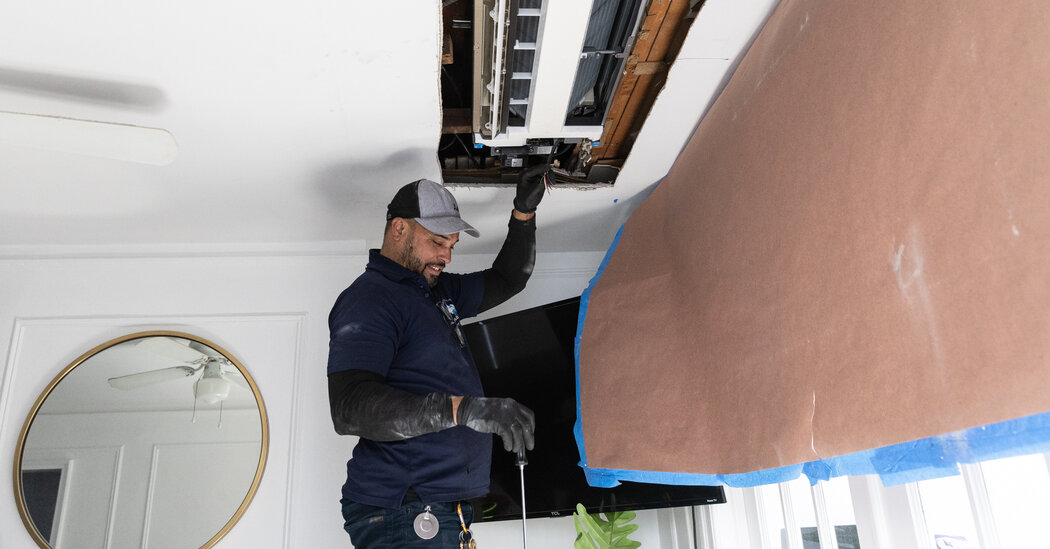
Heat pumps, powered by electricity, are being hailed as a solution to reduce greenhouse gas emissions from buildings in New York State. They work by moving heat using refrigerant and are considered more environmentally friendly than traditional fossil fuel-based heating methods. As the U.S. transitions to renewable energy sources, heat pumps are expected to play a key role in eliminating greenhouse gases.
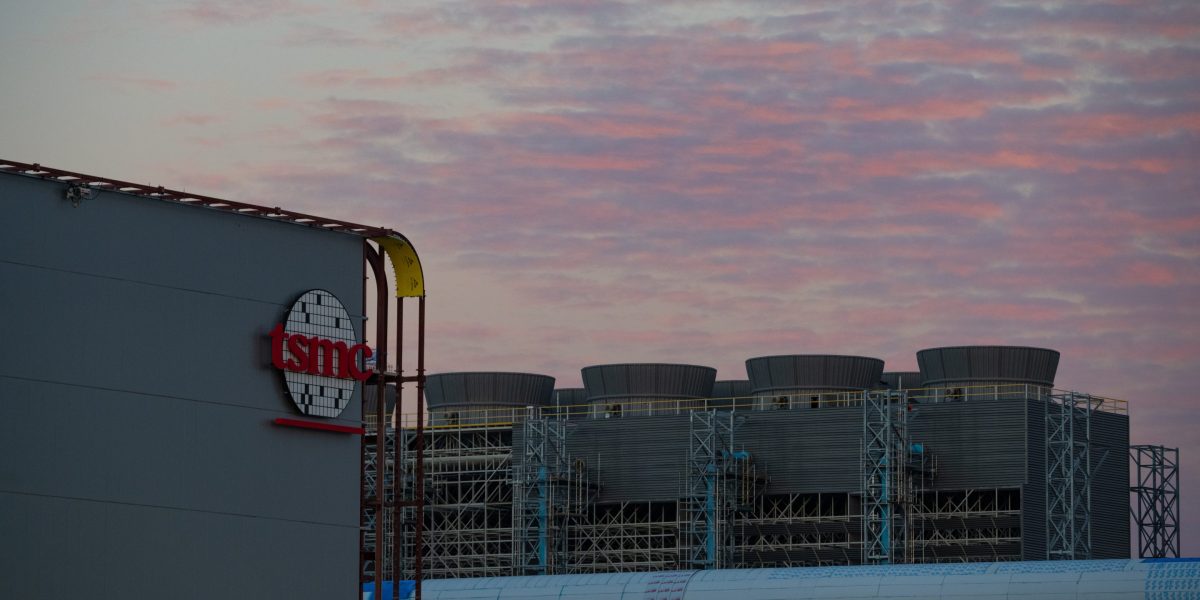
The Commerce Department has pledged up to $6.6 billion to TSMC for a new chip manufacturing facility in Arizona, raising concerns about water usage in the drought-plagued region. While Phoenix officials claim there is enough water for TSMC and potential future projects, experts warn of the risks associated with the water-intensive semiconductor industry. TSMC's increasing water usage and wastewater production have drawn skepticism, despite its commitment to recycling and reducing discharge. With the facilities not expected to come online until 2028, concerns about water scarcity and environmental impact in the region persist as Arizona positions itself as a semiconductor manufacturing hub.
Finnish startup Carbonaide has secured $1.9 million in funding to develop a process that mineralizes carbon dioxide from air pollution and incorporates it into concrete production, reducing the need for heavily polluting cement. The company aims to create a more sustainable future by trapping more CO2 than it emits and plans to scale up its pilot factory to revolutionize the construction sector. This innovative approach could significantly reduce air pollution from concrete production and contribute to a more environmentally friendly built environment.
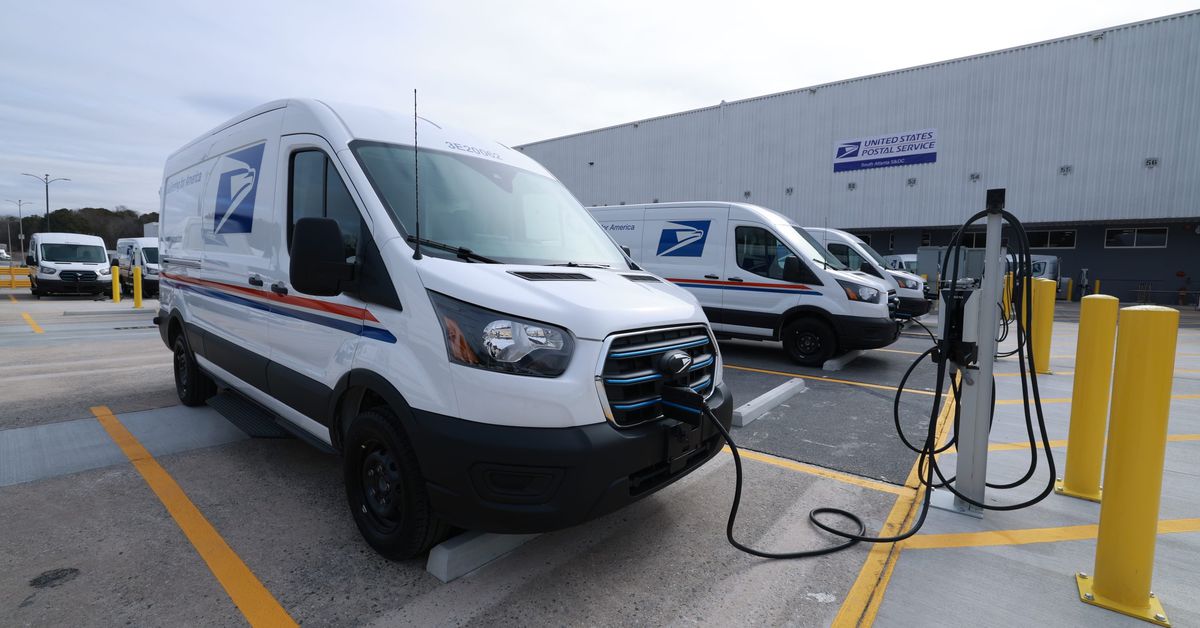
The US Postal Service has unveiled its first EV charging stations in Atlanta, Georgia, as part of a plan to deploy hundreds of new sorting and delivery centers with EV chargers this year. This initiative is a key step in the Postal Service's goal to build one of the nation's largest EV fleets, consisting of over 66,000 delivery vehicles. The Postal Service is also showcasing its first batch of Ford E-Transit battery-electric vehicles and plans to purchase a total of 21,000 electric vehicles from various manufacturers. This move is part of a $40 billion strategy to modernize its operations and explore the feasibility of achieving 100-percent electrification.