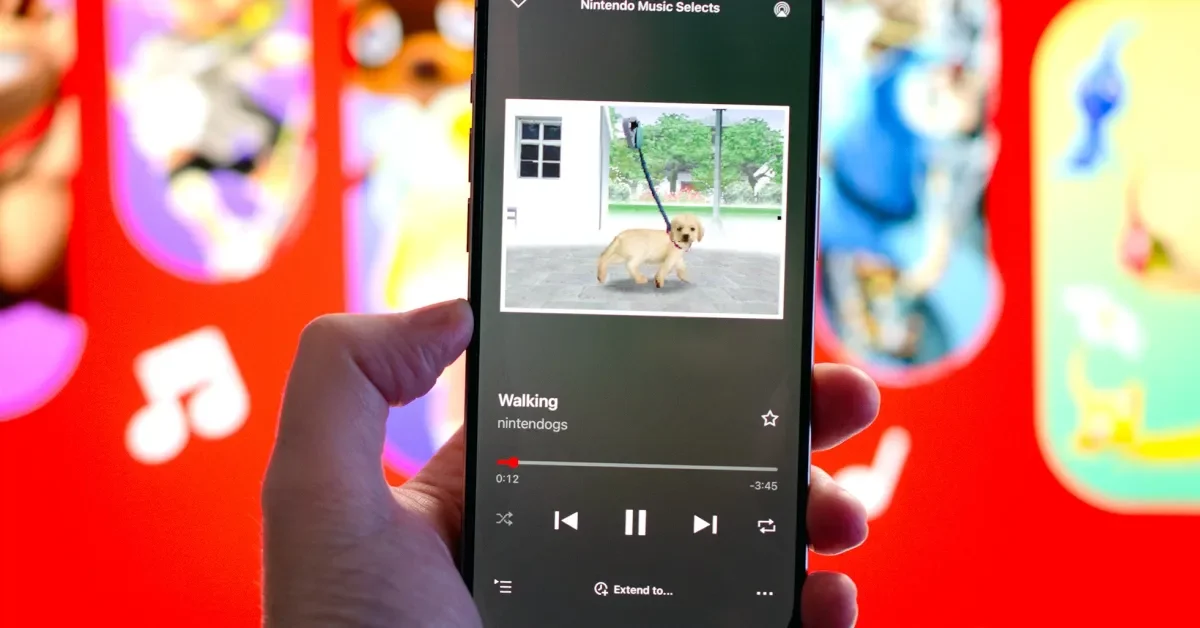
Nintendo has launched multiple apps for its Switch ecosystem, including store, music, news, and parental controls, which many users find overwhelming and redundant, raising concerns about app management and user experience. The company’s approach to app deployment reflects its unique strategy in the gaming industry, but the proliferation of apps may lead to user frustration and calls for consolidation.
The article highlights four free iPhone apps that are genuinely worth trying, providing useful options for users looking to enhance their mobile experience.
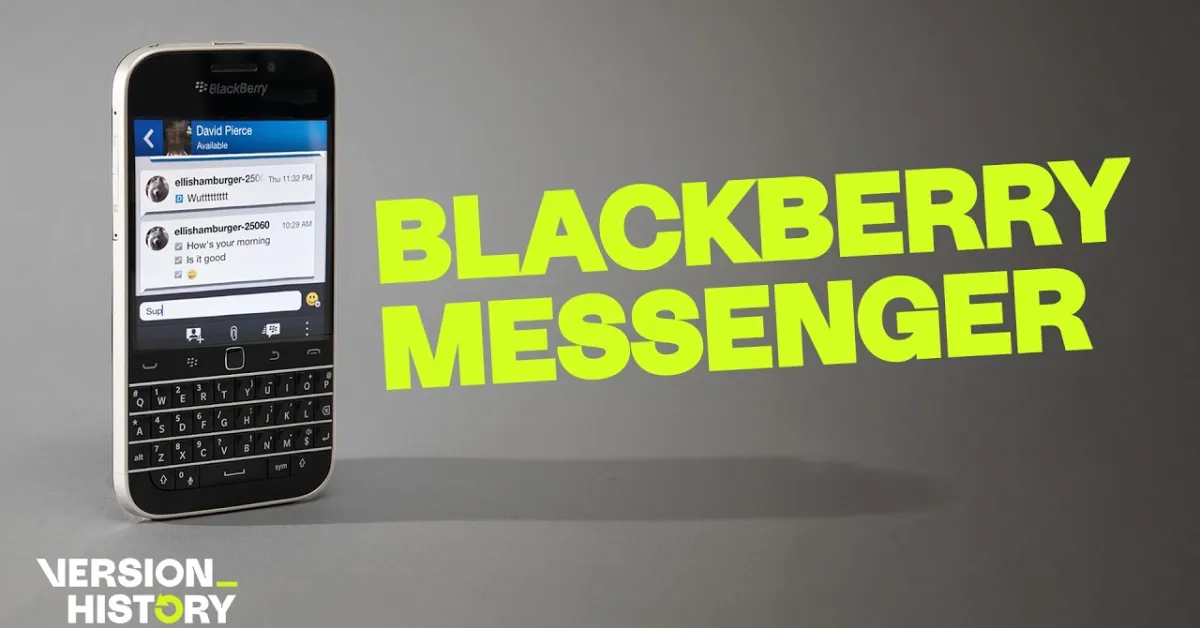
BlackBerry Messenger (BBM) revolutionized mobile communication by eliminating carrier costs and introducing a comprehensive 'everything app' that included features like music sharing and social posting, but ultimately declined due to device lock-in and changing industry dynamics, leaving a lasting legacy in messaging history.
Despite the rise of unicorn vibe coding startups, dedicated mobile apps for vibe coding have struggled to gain traction, with only a few downloads and minimal revenue, though the technology is increasingly integrated into existing apps and developer interest remains high.
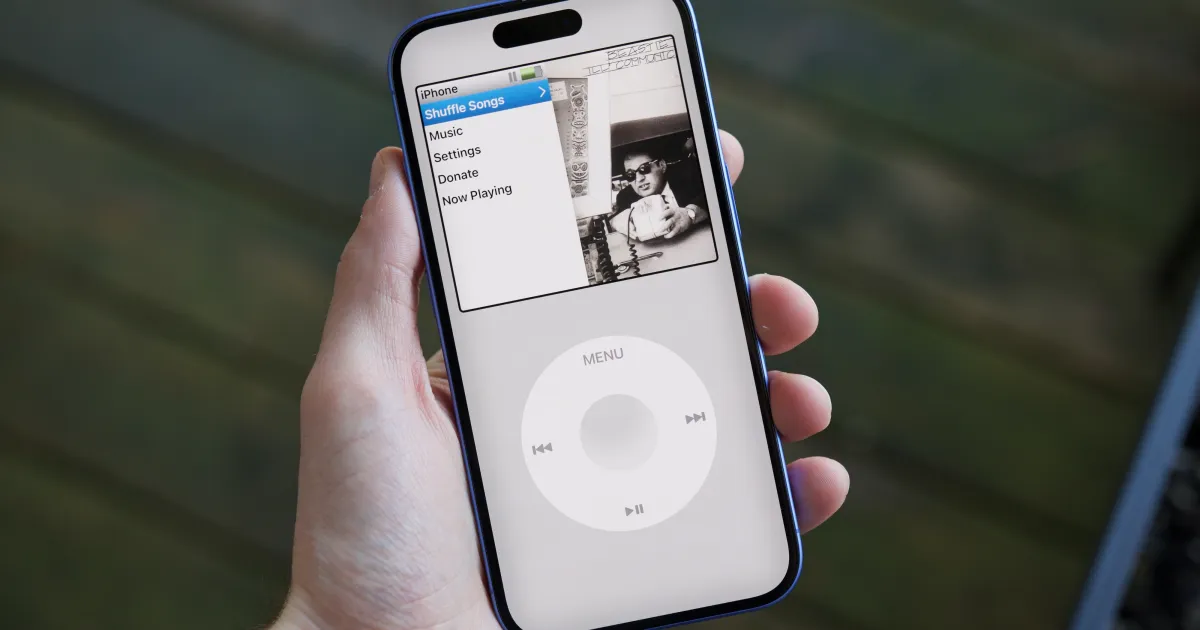
A new app called "My Classic – Retro Console" transforms iPhones into retro iPod Classics, offering a nostalgic experience for users. Priced at $3, the app mimics the iPod's interface, including a virtual scroll wheel and Cover Flow view, using music from the Apple Music library. While it doesn't add new features, it simplifies music interaction, encouraging users to revisit their saved albums. The app taps into nostalgia, reminiscent of the early iPod days, making it a charming addition for those longing for simpler tech times.
Google Photos is undergoing significant changes, replacing the Library with a "Collections" menu in its web browser interface, aligning it with recent updates to its mobile apps. The Explore function has been removed, and a new Updates section has been added to track sharing activity and notifications. The Collections section now includes subsections like People & Pets, Places, and Recently Added, making it easier to access commonly used features. The update is rolling out gradually across accounts.
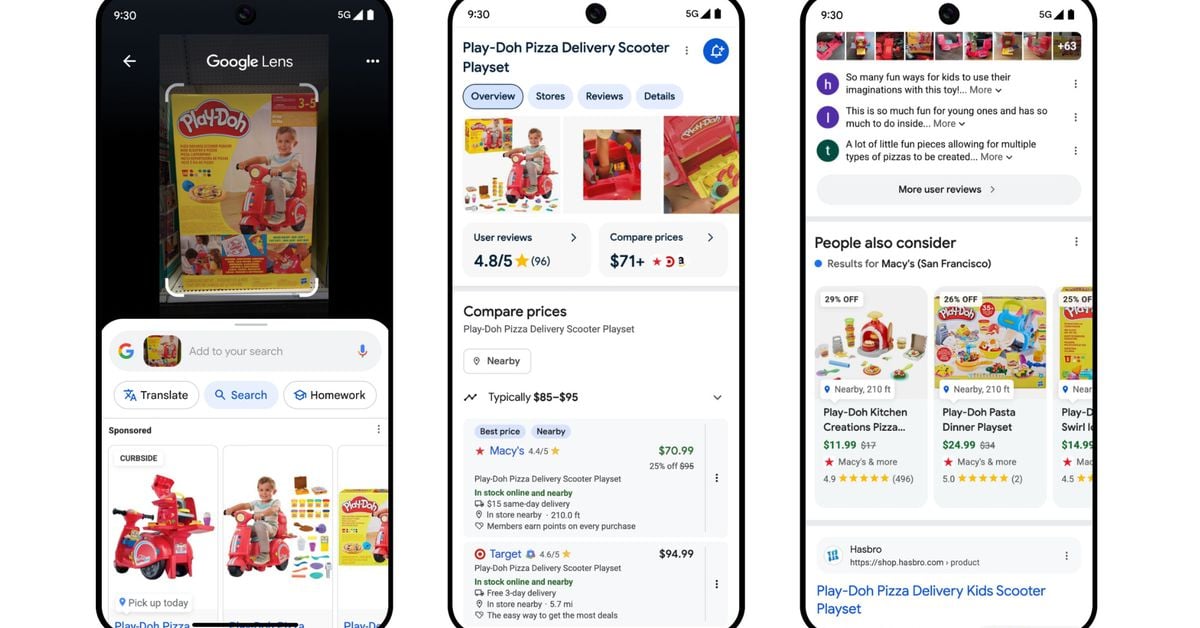
Google has launched a new feature for Google Lens that helps users make informed purchasing decisions while shopping in physical stores. By taking a picture of an item, users can access detailed product information, customer reviews, and price comparisons. This feature, available for Android and iOS users in the US, leverages AI image recognition and requires location data to identify the store. Initially, it supports beauty products, toys, and electronics in stores like Macy's, Target, and Walmart. This tool aims to boost shopper confidence and reduce instances of leaving stores empty-handed.
Google Photos is introducing an "Updates" section to help users track changes in shared albums and conversations. Accessible via a bell icon replacing the Sharing button, this feature displays notifications chronologically, allowing users to view recent activity easily. The Updates page is part of a broader effort to streamline album and conversation accessibility and is currently rolling out on Android and iOS apps, with full availability expected in the coming weeks.
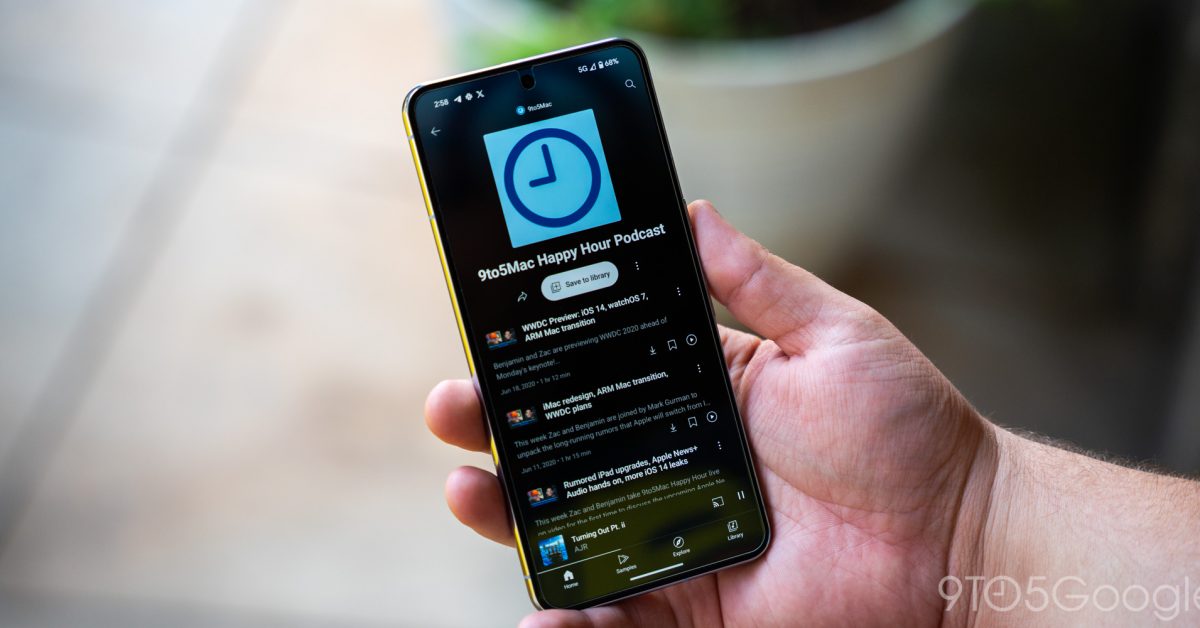
YouTube Music has introduced a "Mark as played" feature for podcasts, allowing users to manage their library more efficiently. This feature, teased in December 2023, is now available on Android, iOS, and the web. Previously, users had to manually drag the scrubber to the end of an episode to mark it as played.
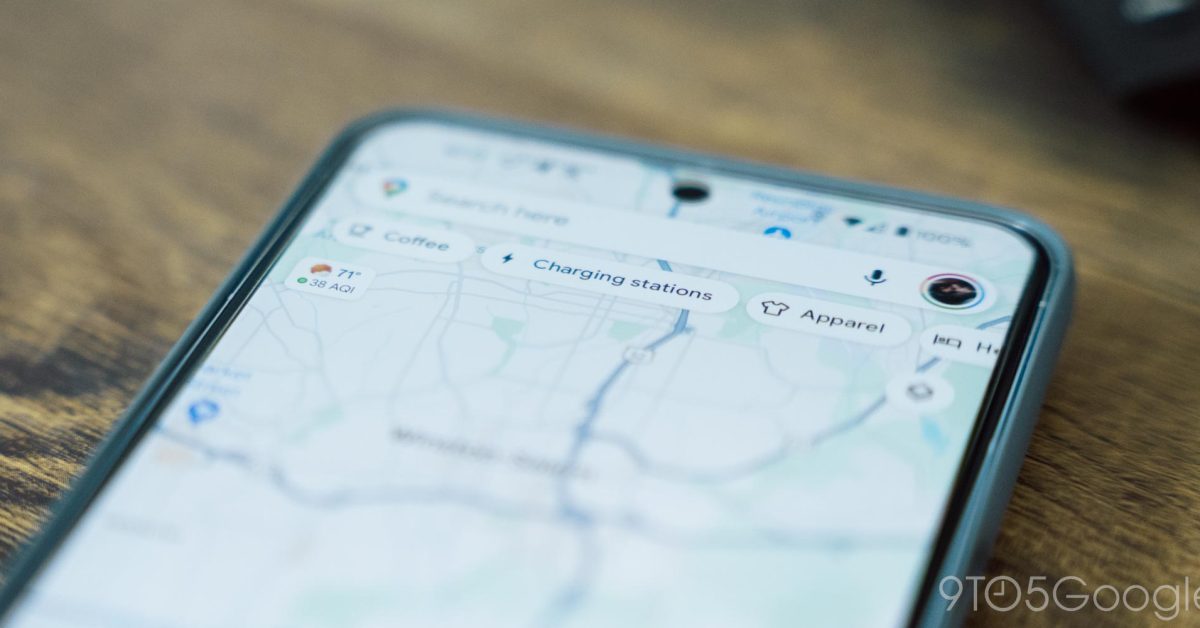
Google Maps for Android is rolling out a redesign that replaces fullscreen UIs with sheet-based layouts, featuring more rounded corners and improved context preservation. The new design includes changes to the directions interface, with mode switching moved to the bottom for better reachability. The update is currently available on the stable channel for Android but not yet on iOS.
Watch Duty, a free app developed by John Mills, has become a trusted source for wildfire information, combining official data with insights from volunteers, including retired firefighters. Launched in 2021, the app provides real-time updates on wildfires, air quality, and evacuation orders, and has gained over a million users. While experts praise its utility, they caution it should complement, not replace, official sources. Mills aims to expand the app to cover other natural disasters.
Experts are divided on whether using apps or websites on your phone is safer, but many lean towards websites for occasional use due to their generally better privacy controls and fewer data collection capabilities. Apps, while vetted by Apple and Google, can collect more personal data and may share it with advertisers. Websites, especially when accessed through privacy-focused browsers like Firefox or Safari, offer more options to enhance privacy and security. However, the choice may depend on the specific browser and app in question.
Security experts at Zscaler have identified over 90 malicious apps in the Google Play store, including those containing the Anatsa malware, which steals banking information. These apps, disguised as practical tools like PDF and QR code readers, have been downloaded more than 5.5 million times. Google has since removed the malicious apps and recommends using Google Play Protect to safeguard devices.
Security experts at Zscaler have identified over 90 malicious apps on the Google Play store, including the Anatsa malware, which targets banking information. These apps, disguised as practical tools like PDF and QR code readers, have been downloaded more than 5.5 million times. Google has since removed the malicious apps and recommends using Google Play Protect to safeguard devices.
Apple is developing a native Apple TV app for Android phones and tablets, expanding its availability beyond iOS. This move will allow Android users to access Apple TV+ content, including original shows and sports offerings, more conveniently than through the web. The timeline for the app's release is still uncertain.