PolyAI, a London-based voice AI startup, has raised $86 million in a Series D funding round, valuing the company at $750 million, as it competes with US rivals in the growing AI customer service market. The company, which helps industries like banking, casinos, and energy handle calls with AI, has seen rapid revenue growth and increased investor interest, driven by the need for scalable, efficient customer service solutions. Despite widening losses, PolyAI's innovative voice AI technology and strategic growth position it as a significant player in the AI call center industry.
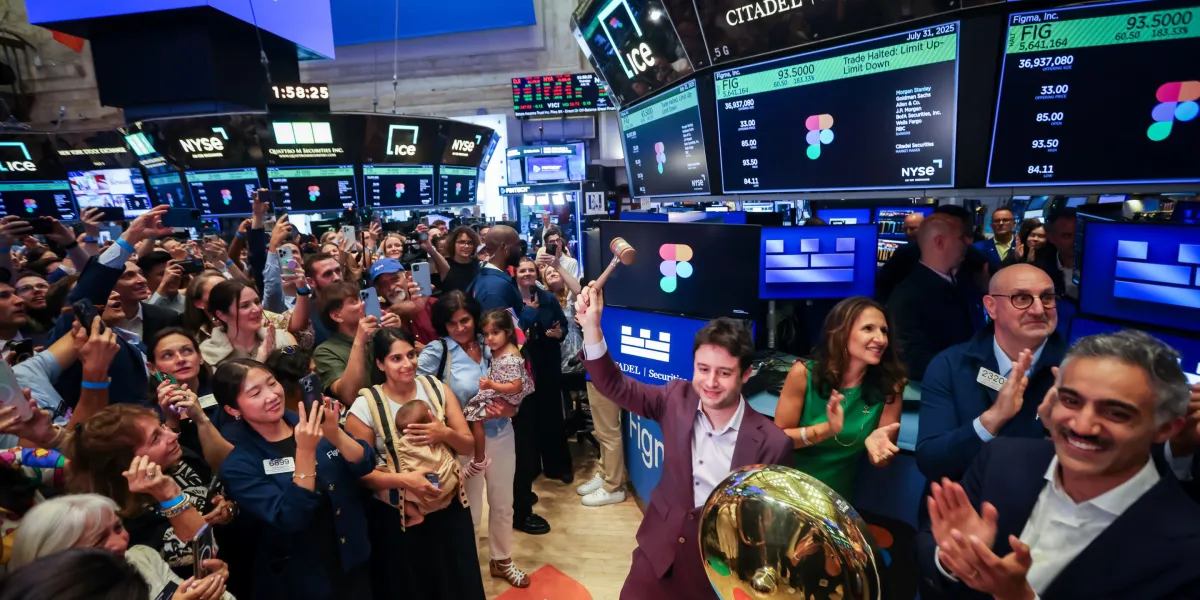
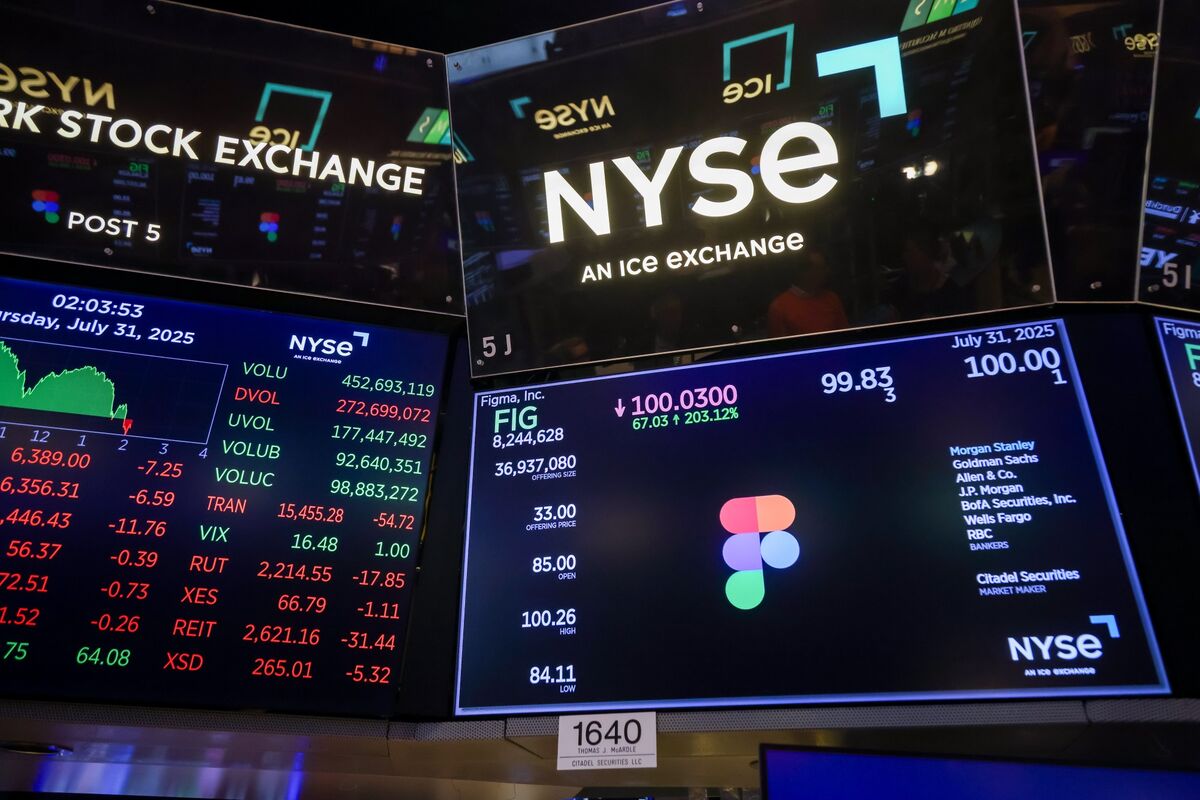
Figma's successful IPO has reignited interest in tech startups going public, with investors eyeing companies like Canva, Revolut, and Anduril as potential next IPO candidates, amid a broader context of market optimism and the ongoing private status of major tech firms like OpenAI and SpaceX.
The AI industry is evolving, with engineers now earning nine-figure pay packages, reflecting a shift in the industry's culture and economics, similar to professional sports, as discussed by TBPN hosts John Coogan and Jordi Hays.
Figma's IPO has generated billions in returns for early investors like Index Ventures and Greylock Partners, with the company's valuation soaring from private funding to over $65 billion on the first day of trading, marking a significant milestone for the VC industry after a period of IPO market droughts.
Soham Parekh went viral after it was revealed he was working simultaneously for up to four tech startups due to financial hardship, sparking industry debate about remote work ethics and practices. Despite admitting to the multiple jobs, Parekh claims he did so out of necessity, and he has now committed to working for only one company, Darwin.
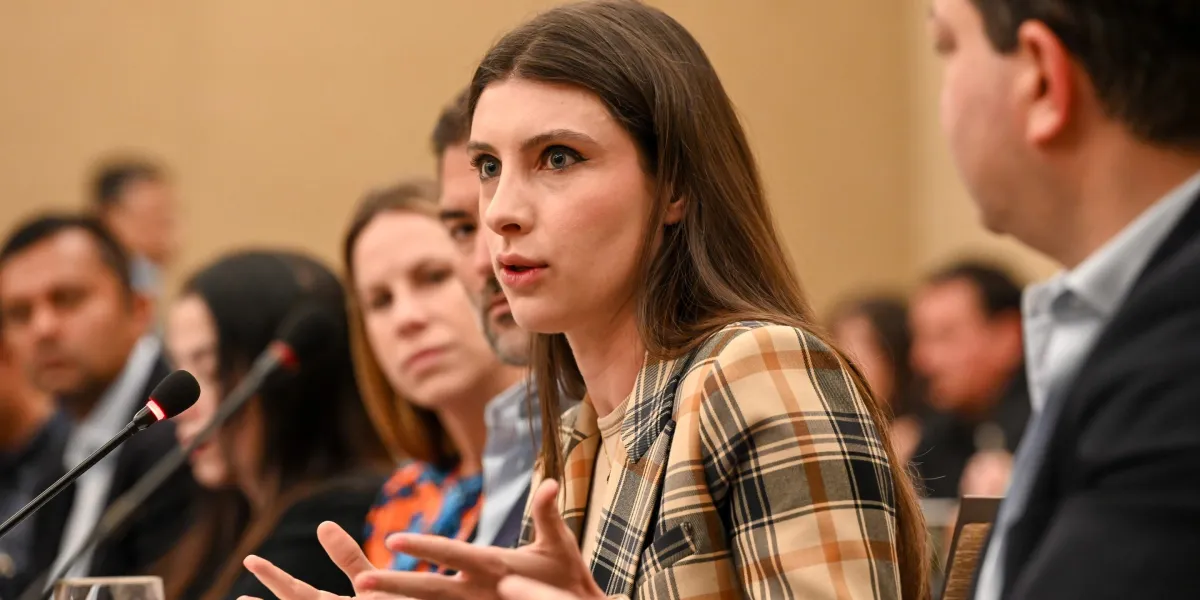
Mary D’Onofrio, a prominent investor known for backing unicorns like Anthropic and Canva at Bessemer Venture Partners, has joined Crosslink Capital to lead its crossover fund, focusing on Series B-plus AI software and infrastructure investments, aiming to capitalize on AI-driven market dislocation and high valuations.
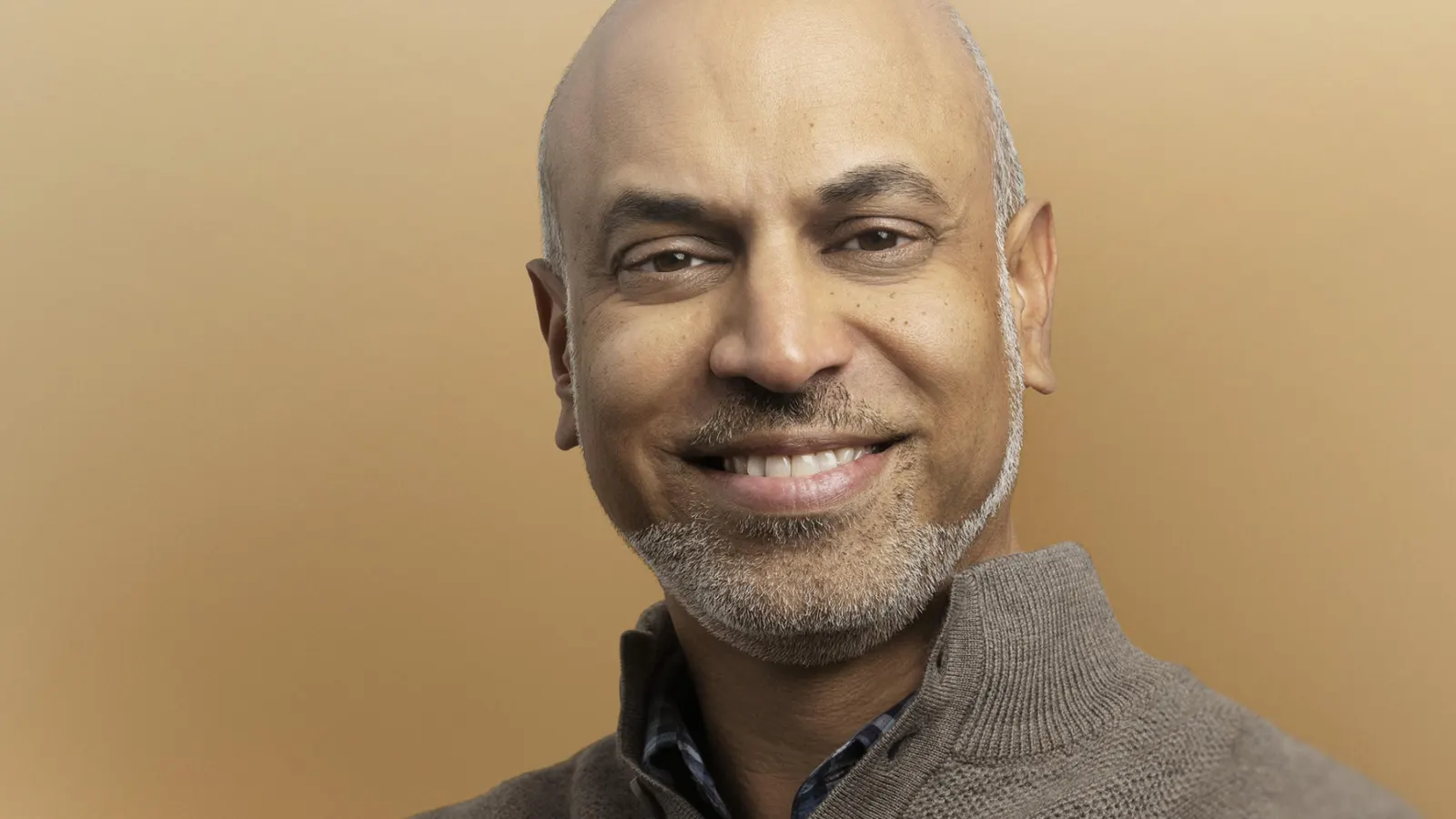
Satya Patel of Homebrew is a top early-stage investor known for spotting billion-dollar winners in overlooked industries like banking and HR, exemplified by his early backing of companies like Chime, Gusto, and Plaid, often guiding their growth and strategic decisions. His broad 'bottom-up' investment philosophy involves betting on and nurturing companies in 'boring' sectors with high-tech enhancements, leading to significant valuations and successful exits.
Spain's economy is set to outpace other major advanced economies, driven by tourism, immigration, foreign investment, and public spending. A burgeoning tech startup scene, supported by favorable laws and tax incentives, is attracting talent and investment, making Spain a rising tech hub. However, challenges like low GDP per capita, high youth unemployment, and housing market issues persist. To sustain growth, Spain needs to enhance incentives for startups, increase R&D investment, and address economic imbalances.
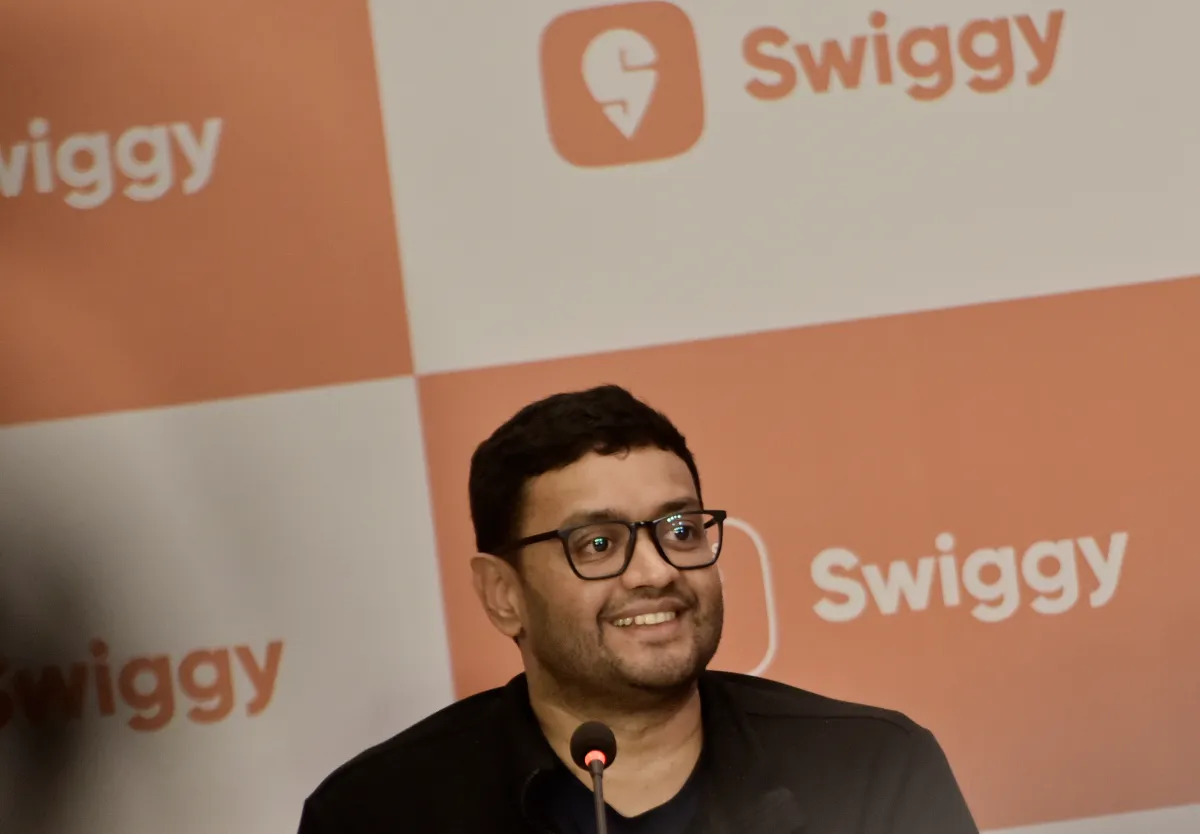
Swiggy's upcoming IPO will test India's appetite for large tech IPOs, as it seeks a $1.4 billion public debut, following in the footsteps of rival Zomato. Despite challenges faced by large IPOs in India, Swiggy's strong position in the duopolistic food delivery market and its quick-commerce arm, Instamart, make it an attractive prospect. The IPO will also reflect investor confidence in growth-focused business models amid global economic uncertainties, with significant returns expected for investors like Prosus and Accel.
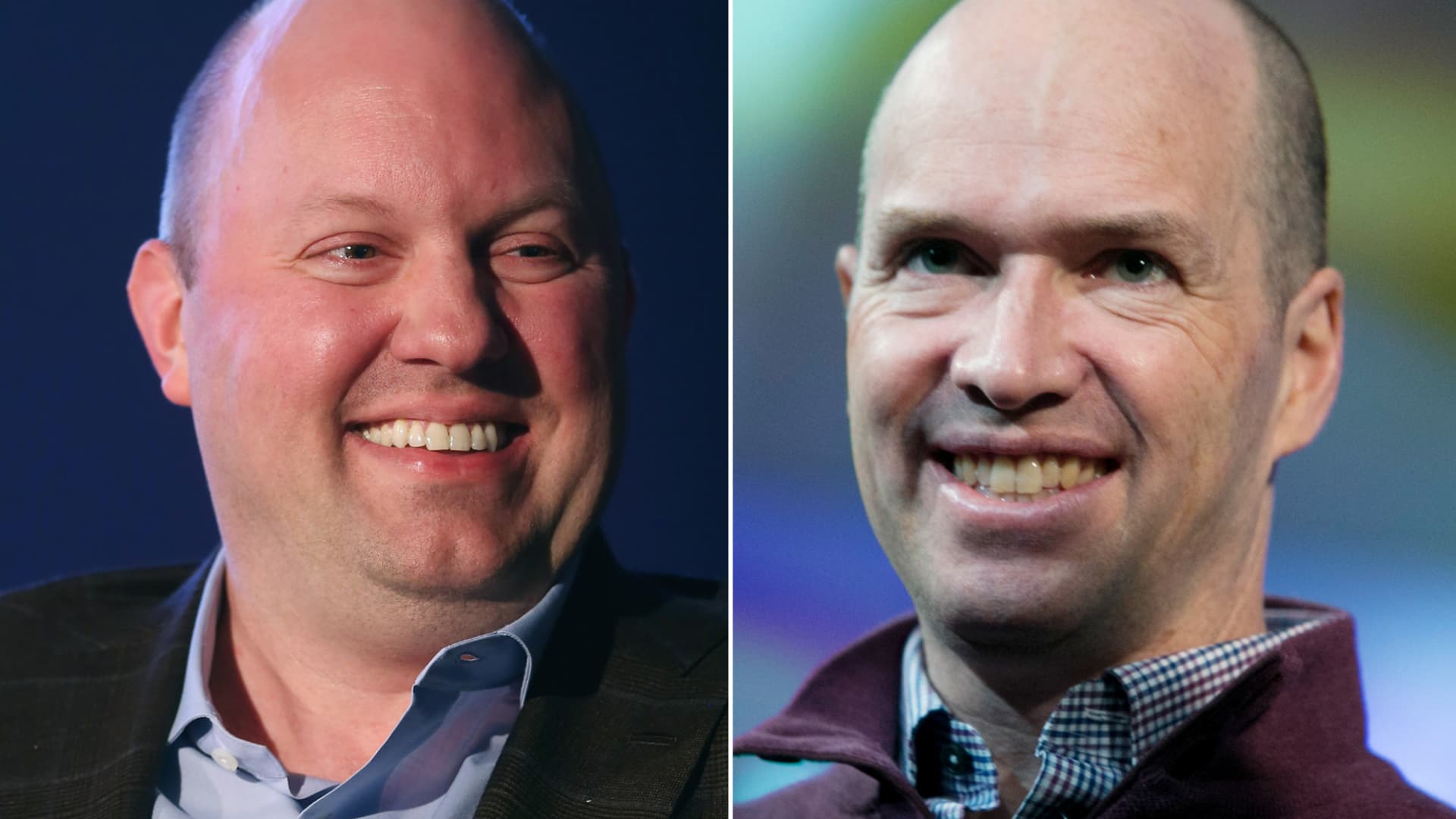
Venture capital firm Andreessen Horowitz has raised $7.2 billion across five different funds, signaling optimism in the tech startup world despite a recent dearth of significant exits. The largest chunk of the new funding, $3.75 billion, is allocated to the growth fund for later-stage companies, with additional investments earmarked for infrastructure, AI, apps, games, and sectors supporting the national interest. This move comes amid a downturn in the broader market, with venture deals remaining depressed and few tech IPOs since 2021. Despite the market slowdown, Andreessen Horowitz remains focused on raising more money for its crypto fund and a separate biotechnology fund.
Spotify is making a foray into edtech, while stocks globally are declining and crypto is seeing gains. In Startup Land, Stability AI's CEO has exited amid discussions about the company's revenue growth and burn rate. U.S.-based tech companies are under scrutiny in the EU due to the new Digital Markets Act. Additionally, China is making moves in tech with the Vision Pro and efforts to replace Intel and AMD chips in state computers, while beverage startups are competing against industry giants for market share.
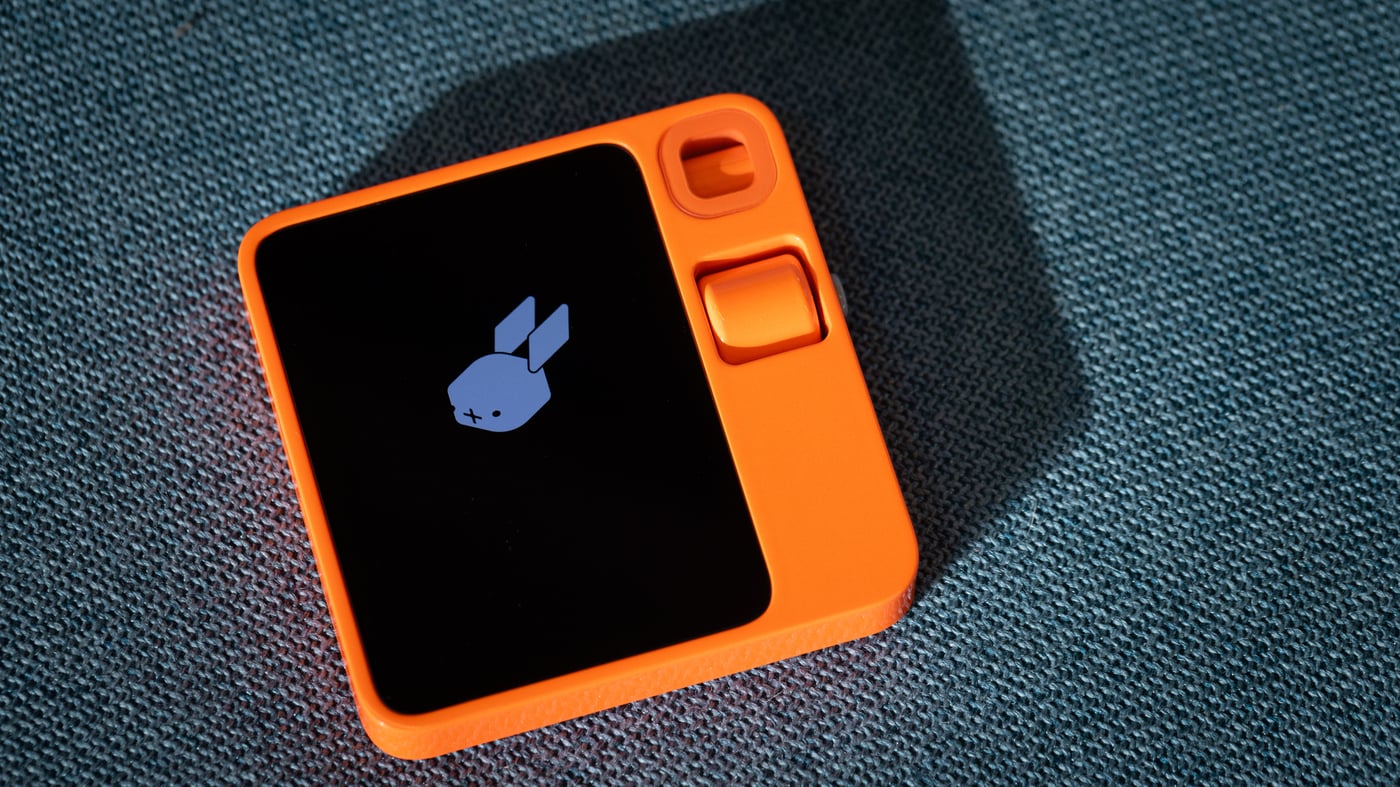
Tech startups are developing AI-powered personal assistant devices like the Rabbit R1, which can fulfill tasks such as ordering food, calling an Uber, and booking vacations. These devices use AI to mimic user actions and make suggestions based on preferences. While there is excitement over the potential of AI agents, concerns about privacy, obsolescence, and the potential for AI to go rogue have been raised. Despite these concerns, companies like Rabbit are touting their devices as a way to efficiently get things done without being sucked into smartphone apps.
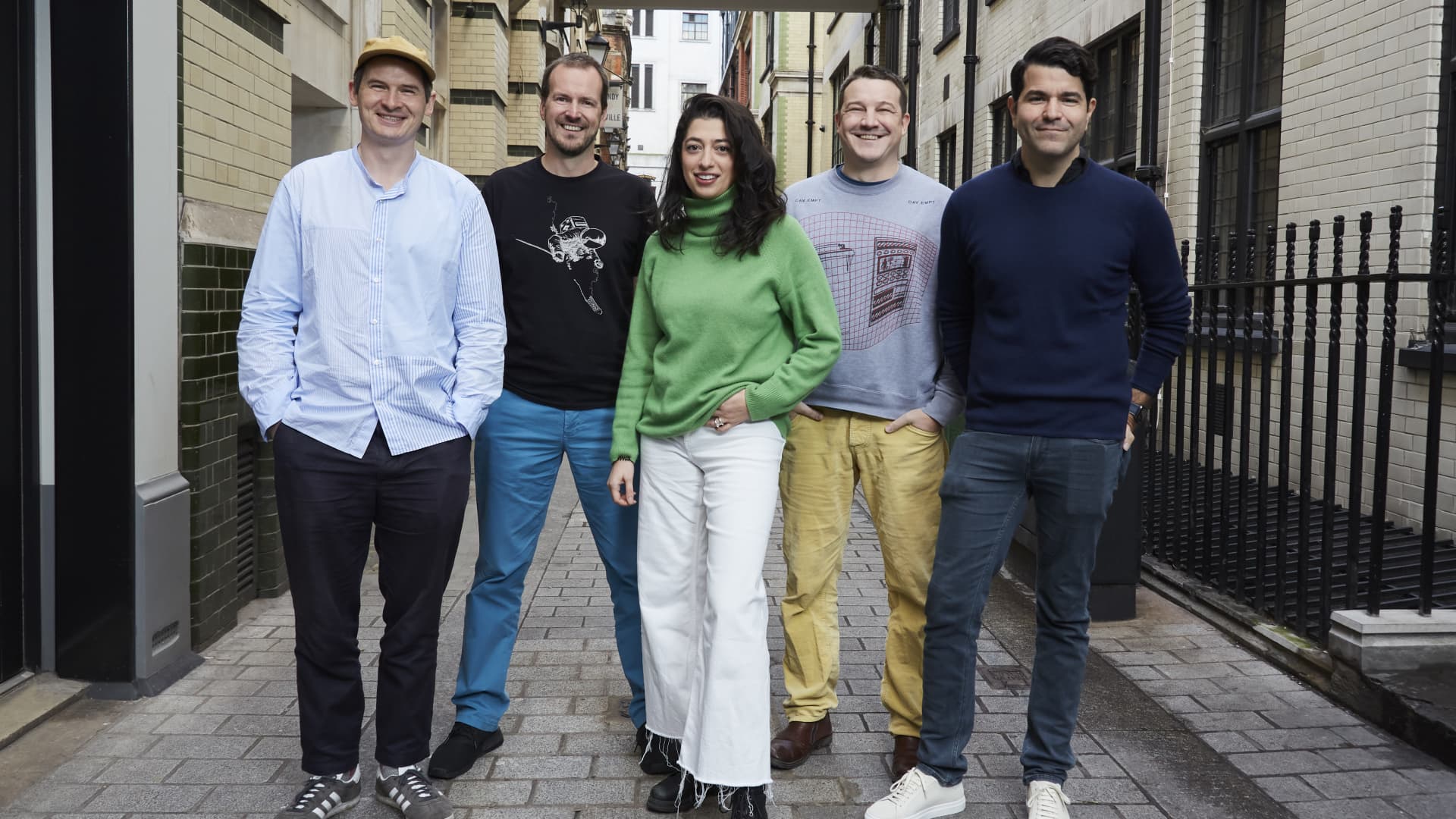
The founders of Wise, Skype, and Songkick have raised 400 million euros for Plural Fund II, a new fund to back technology startups in Europe, aiming to compete with established funds like Atomico and Balderton Capital. Plural, led by former entrepreneurs, plans to invest in deep tech and clean tech startups, with a focus on solving fundamental scientific problems around energy, AI, and healthcare. The firm has already made 27 investments, and its partners, dubbed the "unemployables," are active angel investors. The fund's launch adds to the wave of startup activity in Europe, with a growing ecosystem and increasing ease of starting a company.
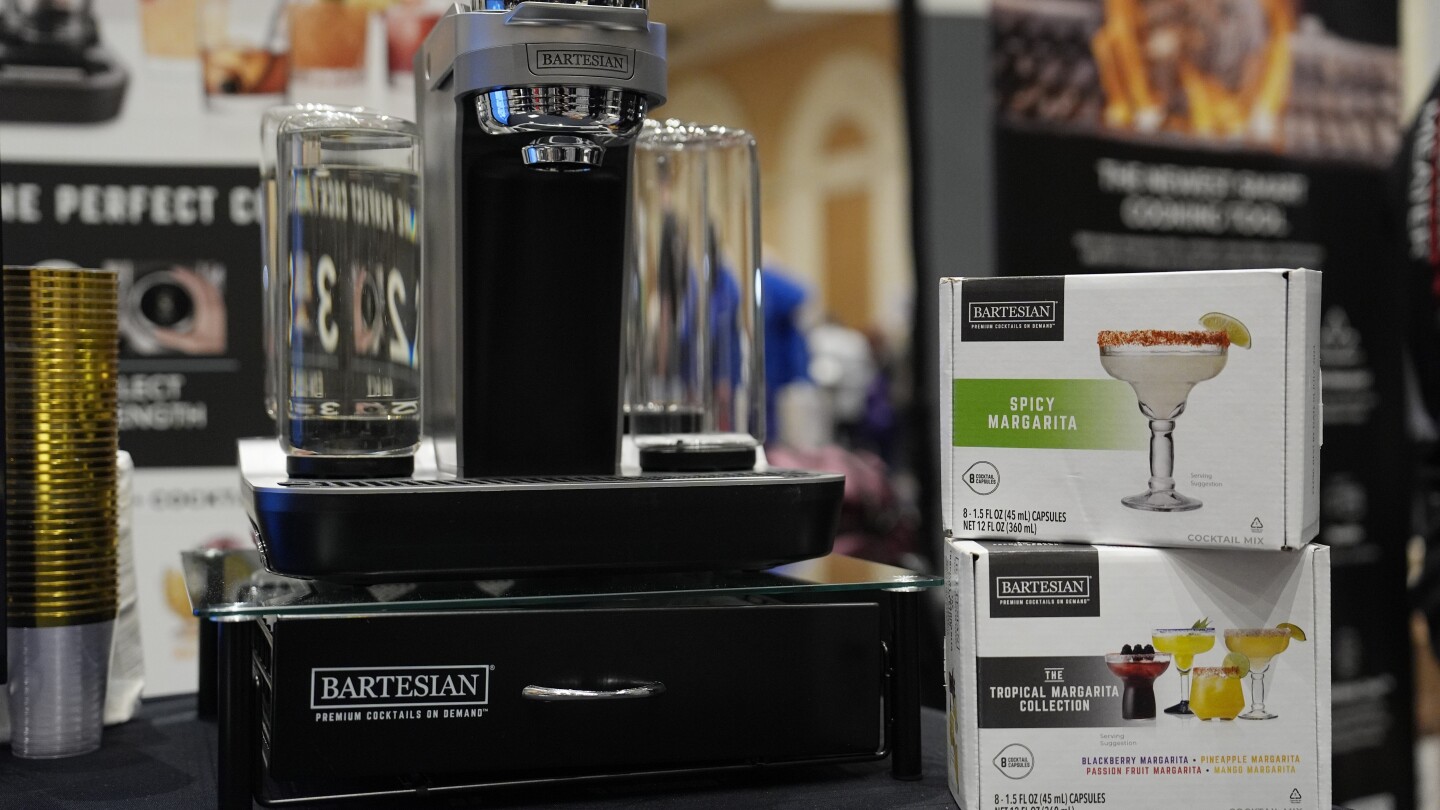
At CES 2024, tech companies showcased AI-powered kitchen gadgets including Chef AI's "real one-touch" air fryer, Bartesian's cocktail-mixing appliance, and iGulu's automated brewing machine. Artly Coffee presented a robot barista that mimics human movements, while Samsung unveiled the Bespoke AI Family Hub refrigerator, indicating a shift towards high-tech, automated meal preparation and cooking.
Many once-promising tech startups are running out of time and money, leading to a collapse in the industry. Investors are no longer interested in promises and are deciding which companies are worth saving and urging others to shut down or sell. Approximately 3,200 private venture-backed U.S. companies have gone out of business this year, raising $27.2 billion in venture funding. The flood of money invested in startups over the last decade is expected to result in more drastic losses. The advertising profits seen by Facebook and Google have proven elusive for the next wave of startups, leading to failures in untested business models. Some companies are choosing to shut down before running out of cash, while others are stuck in "zombie" mode, surviving but unable to grow.