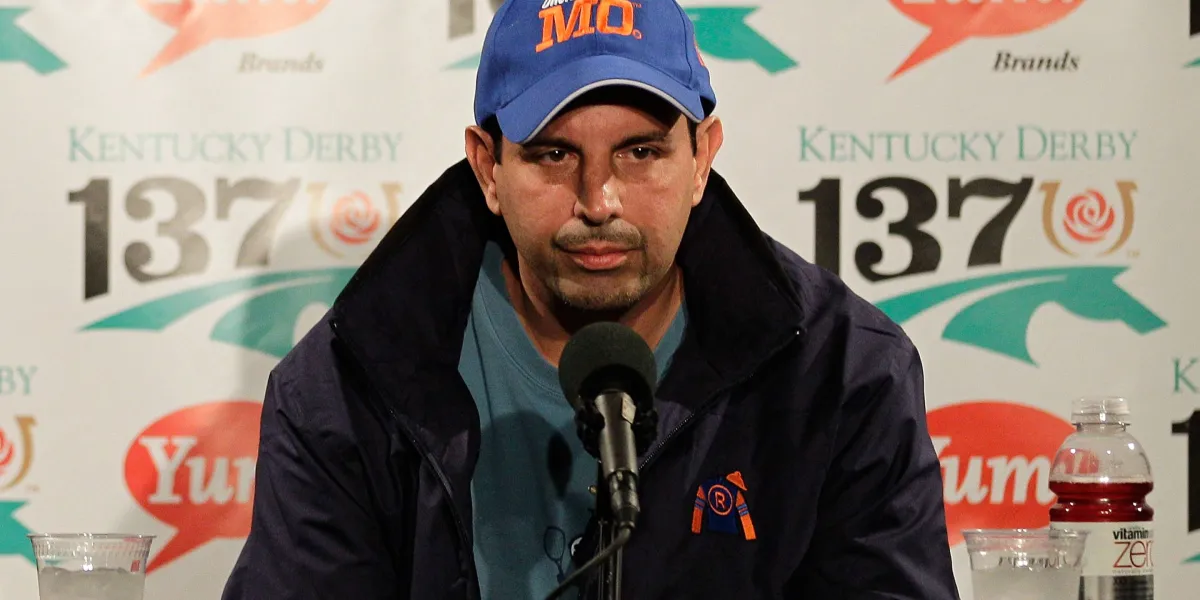
Mike Repole, a billionaire who sold two beverage companies to Coca-Cola, warns aspiring entrepreneurs about the high risks and survival challenges in the first years, emphasizing that most startups face bankruptcy and success is not guaranteed.
The New York Mets, despite spending $340 million, experienced a disastrous season ending with a loss that marked them as MLB's most expensive failure, highlighting their inability to reach October and the collective acknowledgment of their shortcomings.
Sony's PlayStation boss Herman Hulst defends the company's ongoing push into live service games despite past failures like Concord, emphasizing that failures lead to better testing and understanding, and highlighting a focus on diverse player experiences rather than solely on the number of releases.
The article discusses actors who were pushed by Hollywood to become A-listers but ultimately did not achieve that status, highlighting names like Victoria Justice, Cara Delevingne, Gina Carano, and others, and exploring reasons such as industry politics, lack of charisma, or poor career choices.
Israel's return to war in Gaza aimed at weakening Hamas has largely failed, resulting in increased suffering for Palestinians, little strategic gain for Israel, and growing international criticism, with no significant progress in negotiations or military objectives.
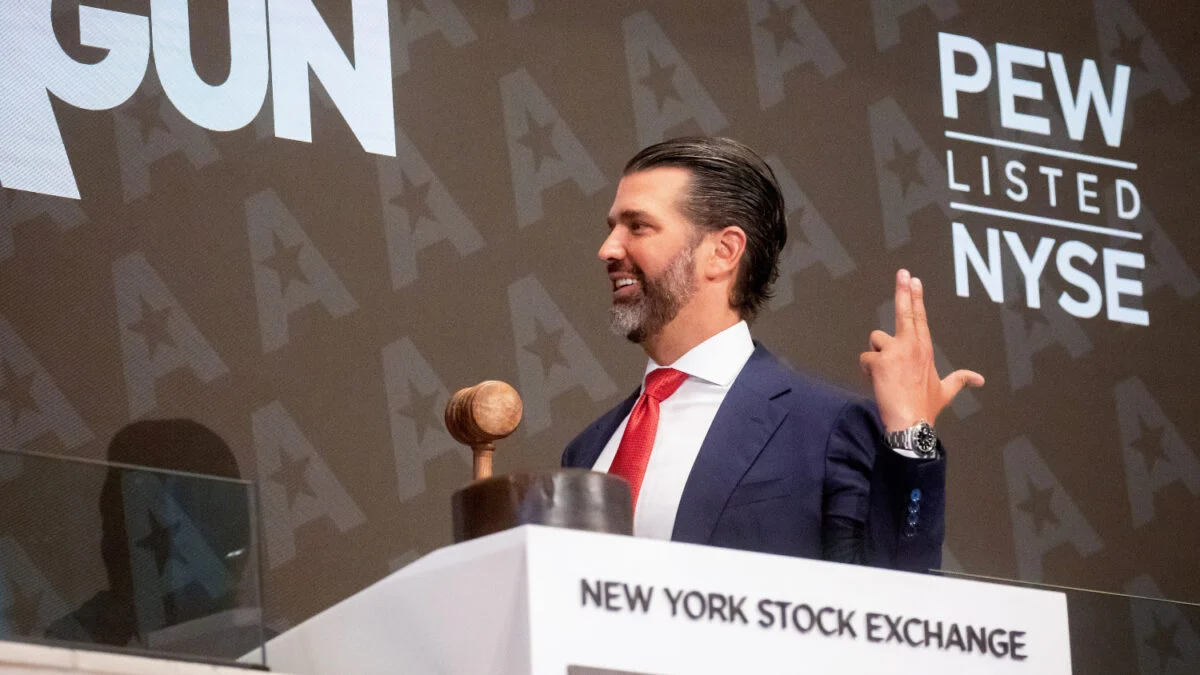
Donald Trump Jr.'s online gun marketplace, GrabAGun, went public via a SPAC but quickly saw its stock price plummet from $21.44 to around $10, reflecting a failed venture that dampened his holdings and highlighted the risks of his business pursuits.
Healthcare startup Forward, known for its tech-driven clinics and AI-powered "CarePods," has abruptly shut down despite raising over $650 million in funding. The company faced numerous challenges, including technical failures, logistical issues, and low patient interest in its futuristic healthcare model. Forward's ambitious plan to revolutionize primary care with autonomous kiosks failed to materialize, leading to its closure and highlighting the difficulties of integrating advanced technology into the complex healthcare industry.
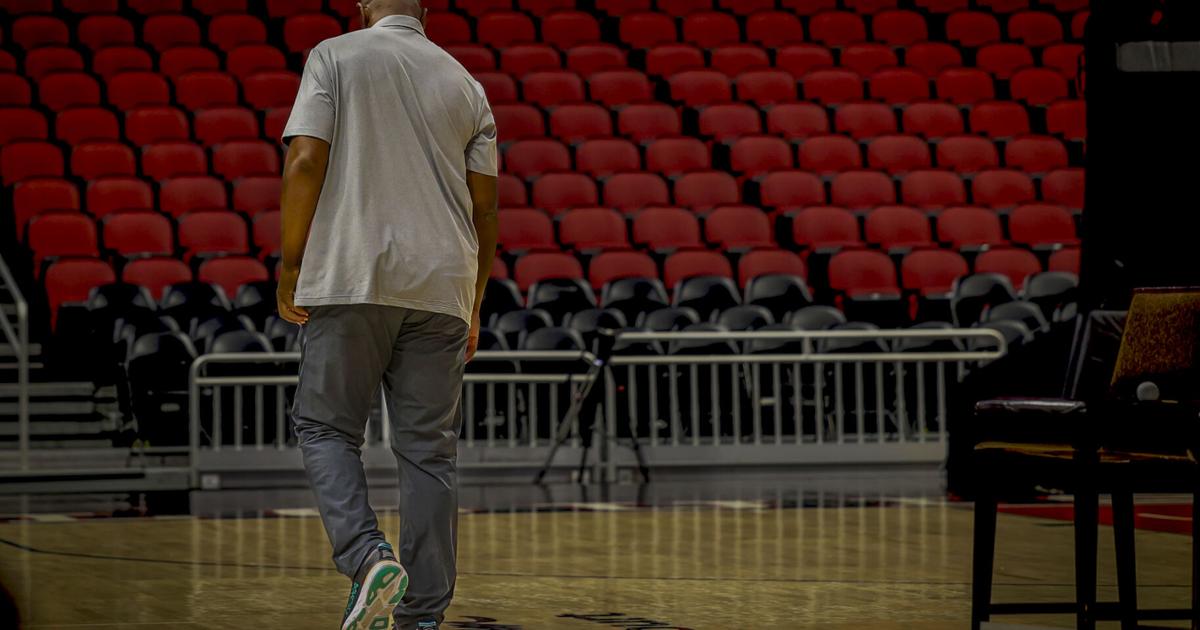
Kenny Payne's tenure as the head coach at Louisville ended with a record of 12-52 and an eight-game losing streak, leaving many to wonder what went wrong. Despite his strong connections in the basketball world, Payne's inexperience, failure to build a strong coaching staff, and hesitance to embrace the transfer portal were among the factors that contributed to his downfall. His recruiting efforts were hindered by his connections' reluctance to help attract players to Louisville, and his communication style and coaching decisions also drew criticism. Overall, Payne's failure at Louisville was a combination of support system shortcomings, personnel issues, and communication challenges.
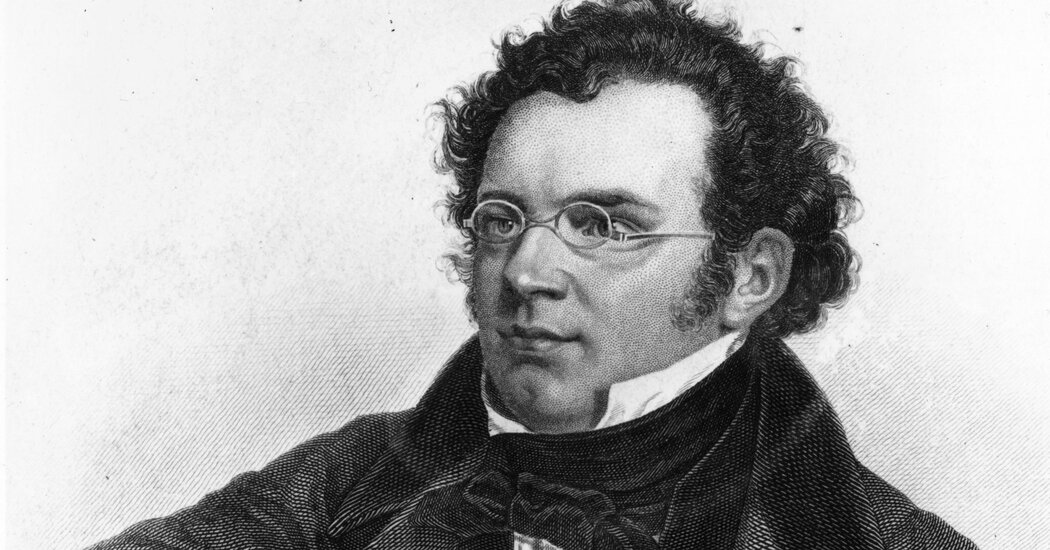
Despite Franz Schubert's numerous failures in the opera genre, his vocal music, including song cycles and lieder, remains highly regarded. His operas, such as "Fierrabras" and "Die Verschworenen," did not achieve success during his lifetime and have not entered the standard repertoire. While Schubert composed some of the most beautiful vocal music, his operas are considered curiosities better heard than seen, often hindered by clumsy librettos and lack of revisions.
Developer Fntastic resurfaces with a press release blaming the failure of The Day Before on a "gold rush" of negative takes from bloggers and content creators. The statement accuses them of spreading misinformation and profiting from the game's downfall, while claiming that the final game delivered on promises. The game had faced criticism for overpromising and underdelivering, leading to its removal from Steam and closure of servers just 45 days after launch.
The article from TechCrunch discusses the nature of startups, emphasizing that their ultimate goal is to build something lasting rather than to exist indefinitely. The author argues that the startup model thrives on dramatic outcomes, either significant success or swift failure, and suggests that we should not lament the end of these companies as failure is an inherent part of the startup ecosystem.
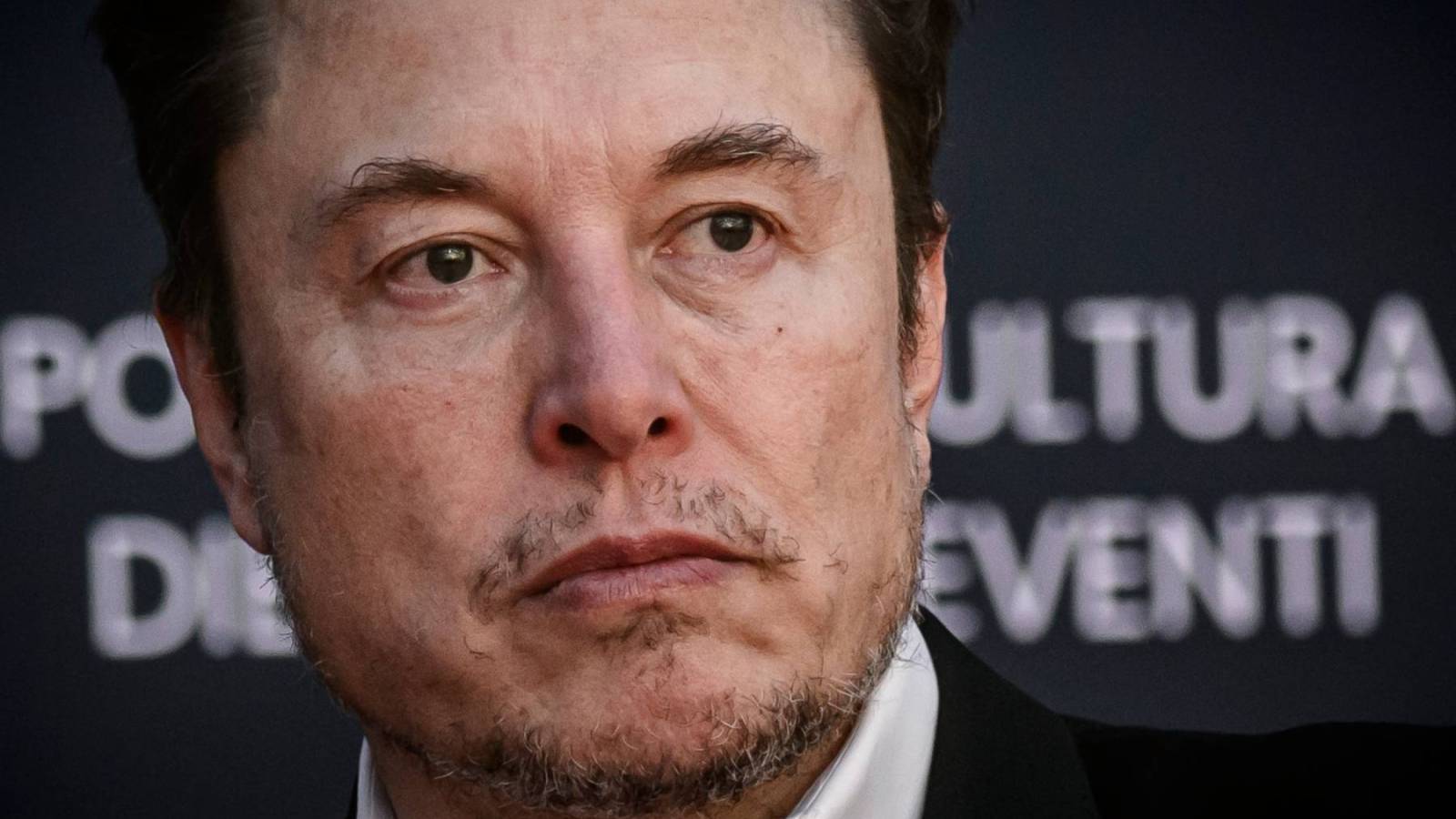
Hyperloop One, the futuristic transportation startup backed by Elon Musk, is shutting down and laying off employees. The company, which aimed to revolutionize transportation with airless tubes, raised $450 million in investments and constructed a test track near Las Vegas. However, after a series of setbacks and a change in focus to cargo rather than passengers, the company is now closing its offices and selling its assets. This adds to Elon Musk's growing list of failed ideas, including recent recalls of Tesla vehicles and controversies surrounding his involvement with Twitter.
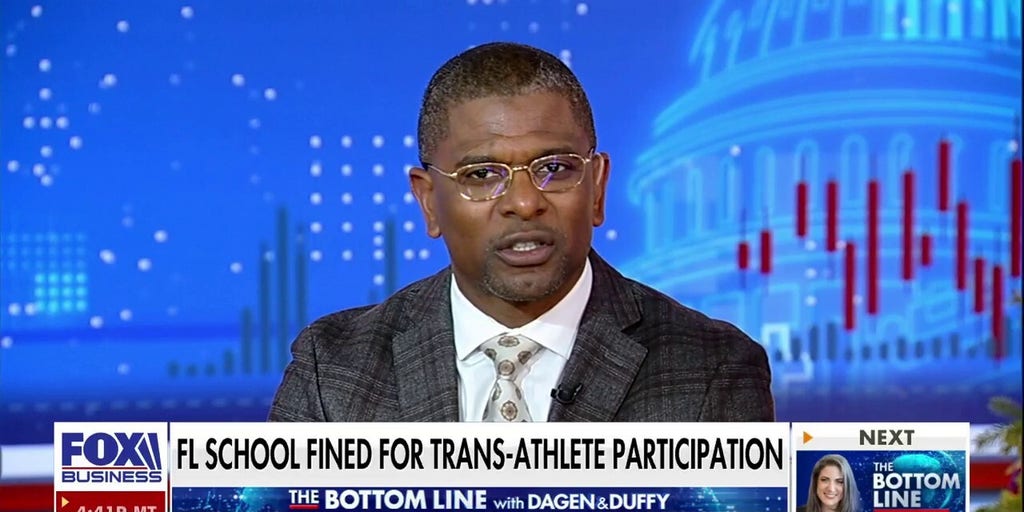
In a Fox Business video, Jack Brewer argues that the current education system is setting up kids for failure, highlighting issues such as lack of resources, outdated teaching methods, and a focus on standardized testing. He emphasizes the need for a more personalized approach to education that takes into account individual strengths and interests, in order to better prepare students for success in the future.
Startups that failed this year raised over $27 billion in venture funding, a figure close to the amount raised by startups in the third quarter of 2023. However, this cash burn figure does not include losses from public companies or acquisitions. The decline in VC funding compared to last year has contributed to the challenges faced by startups, leading some to describe it as a "mass extinction event" for the industry.
Many once-promising tech startups are running out of time and money, leading to a collapse in the industry. Investors are no longer interested in promises and are deciding which companies are worth saving and urging others to shut down or sell. Approximately 3,200 private venture-backed U.S. companies have gone out of business this year, raising $27.2 billion in venture funding. The flood of money invested in startups over the last decade is expected to result in more drastic losses. The advertising profits seen by Facebook and Google have proven elusive for the next wave of startups, leading to failures in untested business models. Some companies are choosing to shut down before running out of cash, while others are stuck in "zombie" mode, surviving but unable to grow.