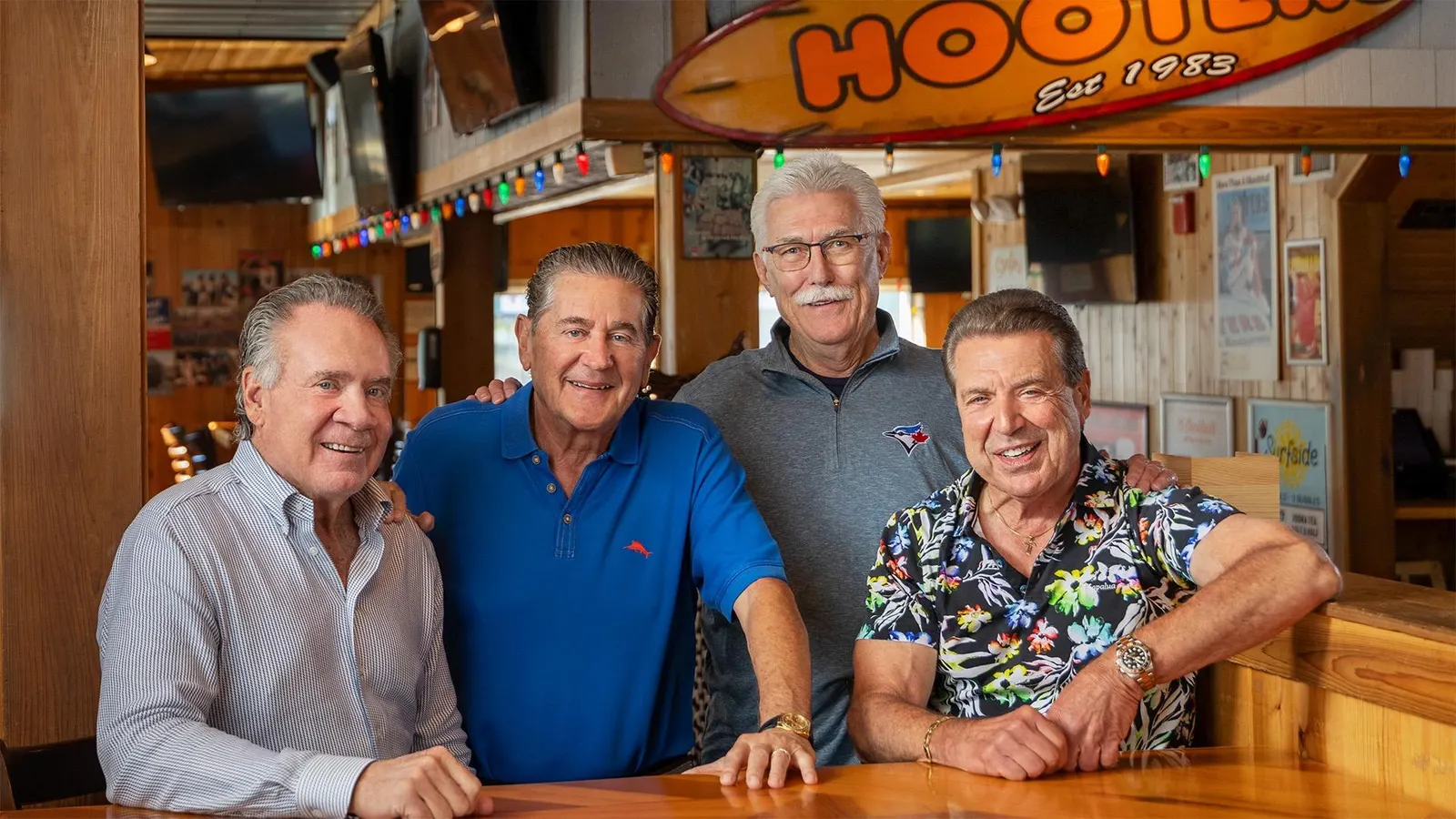
A group of original Hooters founders is buying back 111 locations from bankruptcy with a $40 million plan to restore the brand's original, more wholesome image and revive its popularity, driven by their emotional connection and a sense of moral obligation to preserve the iconic chain.
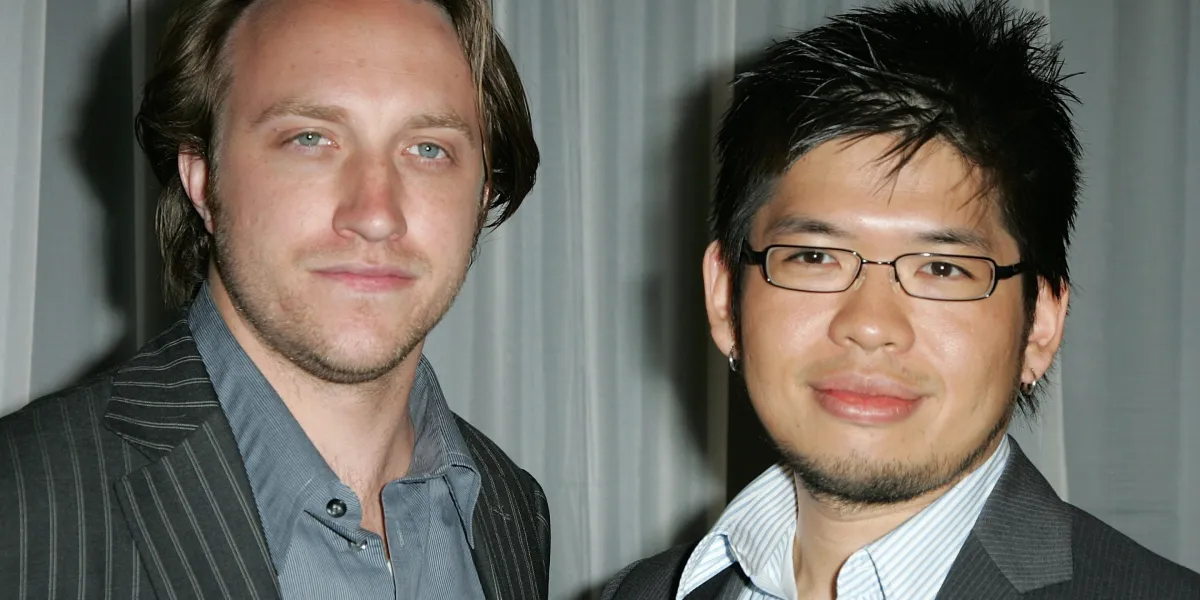
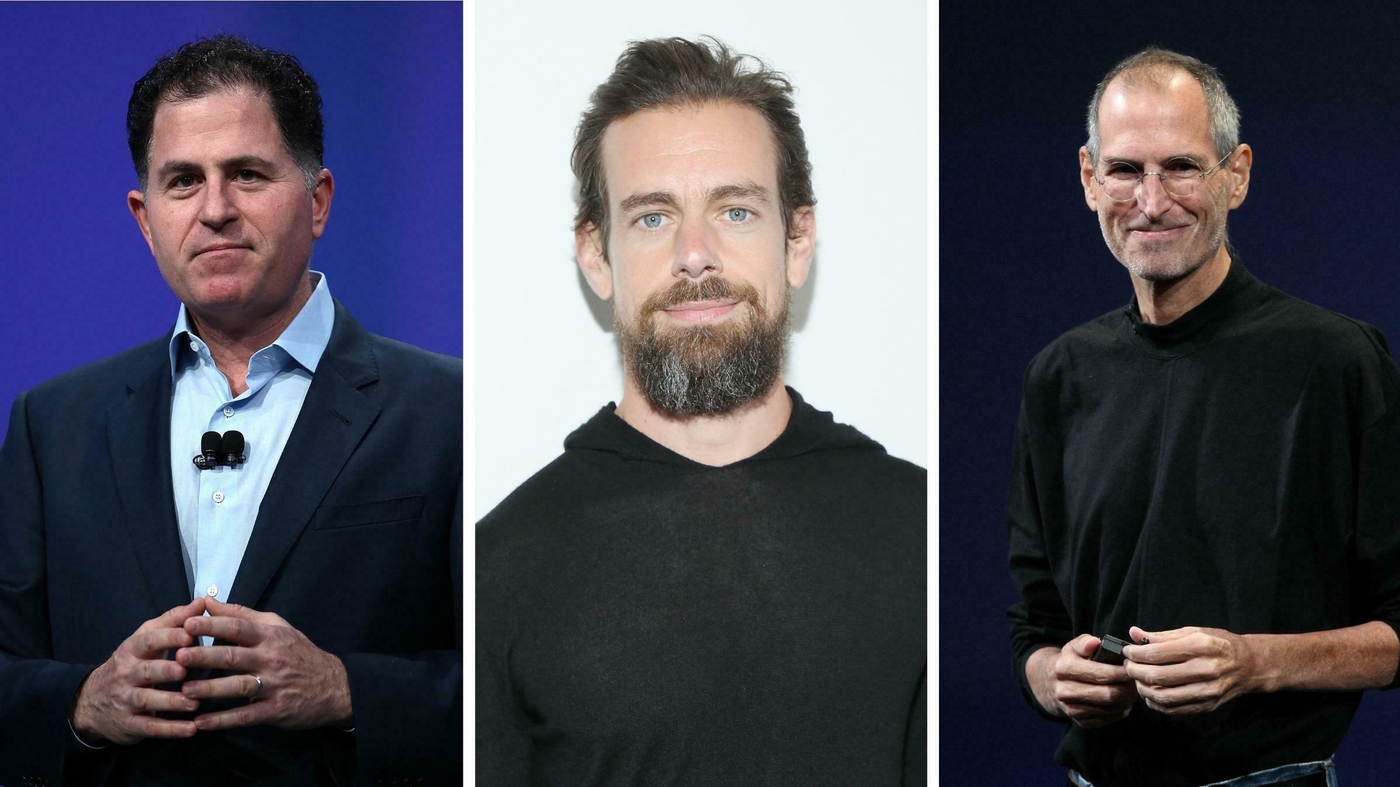
The article discusses the dilemma faced by startup founders on whether to sell early or hold out for greater long-term gains, highlighting examples like Zuckerberg, Hurley, Chen, Ohanian, and Systrom, who chose different paths with varying financial outcomes, emphasizing the impact of these decisions on their wealth and legacy.
Four high school dropouts and unlikely entrepreneurs founded Dave's Hot Chicken, which grew rapidly into a $620 million business and was sold to Roark Capital for $1 billion, with the founders cashing out around $80 million each. The brand's success was driven by social media hype, celebrity backing, and strategic expansion, and the founders remain involved despite the sale.
The founders of Wise, Skype, and Songkick have raised 400 million euros for Plural Fund II, a new fund to back technology startups in Europe, aiming to compete with established funds like Atomico and Balderton Capital. Plural, led by former entrepreneurs, plans to invest in deep tech and clean tech startups, with a focus on solving fundamental scientific problems around energy, AI, and healthcare. The firm has already made 27 investments, and its partners, dubbed the "unemployables," are active angel investors. The fund's launch adds to the wave of startup activity in Europe, with a growing ecosystem and increasing ease of starting a company.
Ousted CEOs who return to their companies, often referred to as "boomerang CEOs," including founders, tend to perform worse than first-time chief executives, according to research. A study comparing the performance of 167 boomerang CEOs to thousands of other top executives found that their companies had an annual stock performance more than 10% lower than their first-time CEO counterparts. Changes in consumer preferences, competitors, and the broader economy during their absence, particularly in fast-changing industries like tech, contribute to their underperformance. While the potential return of Sam Altman to OpenAI after his recent firing may be an exception, most boomerang CEOs face challenges in running larger and more complex firms due to their entrepreneurial background.
The founders and co-CEOs of Bitwise, Irma Olguin Jr. and Jake Soberal, have been federally charged for a $100 million fraud scheme. They are accused of fabricating financial information, lying to investors and board members, and using fraudulent means to obtain investments and loans. The charges allege that the fraud began months earlier than previously known. Bitwise Industries collapsed in May, leaving 900 employees furloughed. Olguin Jr. and Soberal have surrendered themselves and are scheduled to appear in federal court.
Founders of Astra Space, Chris Kemp and Adam London, have offered to take the launch vehicle and spacecraft propulsion company private for nearly $30 million. The offer, at $1.50 per share, values the company at double its current share price. Kemp and London, who hold 66% of the voting power, believe that taking the company private will serve its strategic objectives and business prospects best. They anticipate raising $60-65 million of capital to cover the outstanding shares, transaction expenses, and bridge financing. Astra's cash reserves have dropped, causing the company to default on a loan, and it recently raised $13.4 million in interim financing. The proposal is under review by a special committee.
Founders of startups are beginning to open up about their struggles with mental health, sharing strategies they use to manage their challenges. A survey found that 72% of founders say their mental health has been affected by their job, with 38% experiencing conditions such as depression, anxiety, bipolar disorder, ADHD, or substance abuse. Many founders are turning to therapy, coaching, and meditation to proactively manage their mental health. Peer support groups and opening up to employees are also helpful strategies. Investors and companies are starting to prioritize mental health, with some offering mental health benefits and support.
Greylock Edge is a bespoke company-building program that offers exceptional founders access to Greylock's expertise, resources, and investors. The program provides three-month access to AI Researchers in Residence, hiring and customer services, and flexible funding options ranging from a priced seed round to no capital at all. Greylock Edge focuses on a select handful of founders, prioritizing idea refinement, customer development, and recruiting. The program does not require founders to take investment from Greylock and encourages them to explore fundraising opportunities with other investors.
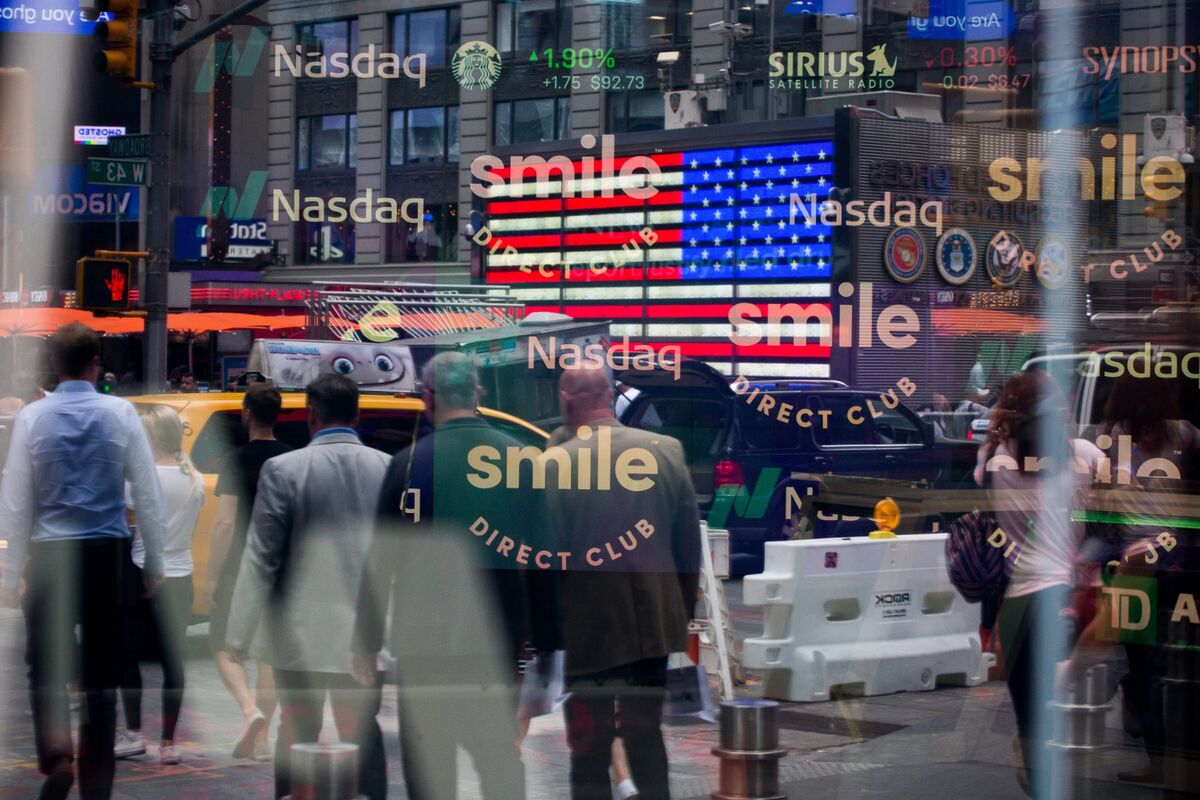
Dental aligner company SmileDirectClub Inc. has filed for bankruptcy, four years after its initial public offering. The Chapter 11 filing in Texas will allow the company to continue operating while it develops a plan to repay its creditors. The company's founders have committed to investing at least $20 million as part of the reorganization.
Lawsuits seeking to recover compensation from private-equity founders who allegedly received excessive pay for little work are gaining momentum, as investors and regulators scrutinize the industry's practices. These lawsuits, known as "money-for-nothing" cases, are being filed against private-equity firms and their founders, accusing them of breaching their fiduciary duties by taking excessive fees and not providing commensurate value. The increased attention on these cases is putting pressure on private-equity firms to justify their compensation practices and could lead to significant legal and financial consequences for the industry.
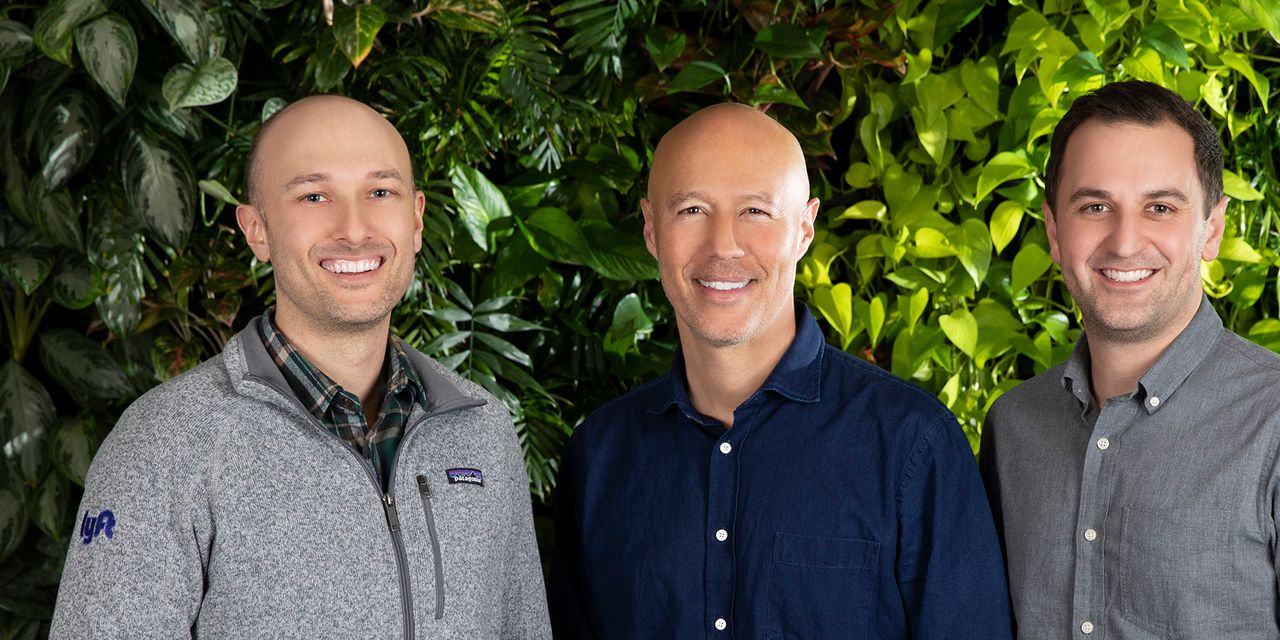
As Uber pulled ahead in the ride-hailing industry, Lyft staff pressed the company's founders for change in management. The staff reportedly felt that the founders were not moving quickly enough to keep up with Uber's aggressive expansion. The pressure from staff ultimately led to the hiring of a new CEO in 2022.
Ride-hailing company Lyft has announced a leadership change, with co-founders John Zimmer and Logan Green stepping back from their current roles. The company has named former Amazon executive, Raj Kapoor, as its new chief. The move comes as Lyft seeks to expand its business beyond ride-hailing and into areas such as autonomous vehicles and delivery services.