The IRS and Treasury issued guidance on a new tax deduction for interest paid on qualifying vehicle loans for American-made cars purchased after December 31, 2024, applicable to both standard and itemized taxpayers, including rules for eligibility, reporting, and limits.

President Trump’s legislation increased the SALT deduction limit to $40,000 for 2025, allowing itemizers to maximize their tax benefits by prepaying property taxes and estimated state income taxes, especially for high earners, while being mindful of phaseouts and the 'SALT torpedo' effect for incomes between $500,000 and $600,000.
The White House is working with House Republicans to rebrand and promote a major tax-and-spending bill ahead of the midterms, focusing on its benefits for working families and voter appeal, despite some GOP concerns about public perception and messaging challenges.
President Trump's new legislation, effective in 2025, extends and enhances several tax provisions from the 2017 tax cuts, including increased standard deductions, child tax credits, and a temporary higher SALT deduction cap, while also introducing new deductions and affecting ACA premium subsidies, with significant implications for taxpayers' planning and benefits in the upcoming years.
Donald Trump celebrated the passage of his tax and spending bill during a rally in Iowa, framing it as a gift to America on the eve of the 4th of July, while also promoting upcoming celebrations for the country's 250th anniversary, including a UFC fight at the White House and various patriotic events, amidst a divisive political climate.
House Republicans cleared a key procedural hurdle to advance Donald Trump's large tax and spending package, with a close vote of 219-213, setting the stage for a final vote amid internal divisions and pressure from Trump. The legislation includes significant tax cuts, energy policy changes, and immigration enforcement, with debates over costs and safety-net impacts. Despite resistance from some conservatives and moderates, the GOP aims to meet a July 4 deadline, with President Trump actively campaigning for the bill's passage.
The article discusses the mixed reactions to Donald Trump's proposed tax and spending bill, which aims to make tax cuts permanent, fund deportations, and cut social programs like Medicaid and Snap, with supporters praising its fiscal responsibility and critics warning it will increase the deficit and harm social safety nets.
Senate narrowly passes Trump's comprehensive tax cut and spending bill, which is expected to move to the House despite concerns over its $5 trillion deficit impact and healthcare effects, with President Trump actively supporting its passage amid political and international developments.
Senate Republicans revised a major domestic policy bill, removing a provision requiring at least one parent of children benefiting from 'Trump Accounts' to have a Social Security number, amid ongoing debates over immigration and tax benefits, with the bill now heading to the House for final approval.
Senate Republicans revised their domestic policy megabill, removing a provision that would restrict undocumented immigrants' families from benefiting from a new savings initiative called Trump Accounts, and made several other last-minute changes to the legislation, which now heads to the House for final approval amid political negotiations.
The Senate voted overwhelmingly to remove a provision from President Trump's tax bill that would have limited U.S. states from regulating artificial intelligence, a move opposed by major tech companies and advocates for AI safety, highlighting ongoing debates over AI regulation at the state and federal levels.
Senate Republicans are pushing to pass Donald Trump's flagship tax bill before the July 4 deadline, facing opposition from Democrats, some Republicans, and critics like Elon Musk, with concerns over increased debt and spending cuts, while the White House emphasizes economic growth prospects.
Senate Republicans are revising their domestic policy bill, including easing the endowment tax for small colleges, providing exemptions for Alaska and Hawaii from SNAP costs, removing pension overhaul provisions, and making compromises on Medicaid and tax issues, while also proposing significant cuts to renewable energy tax credits amid political negotiations.
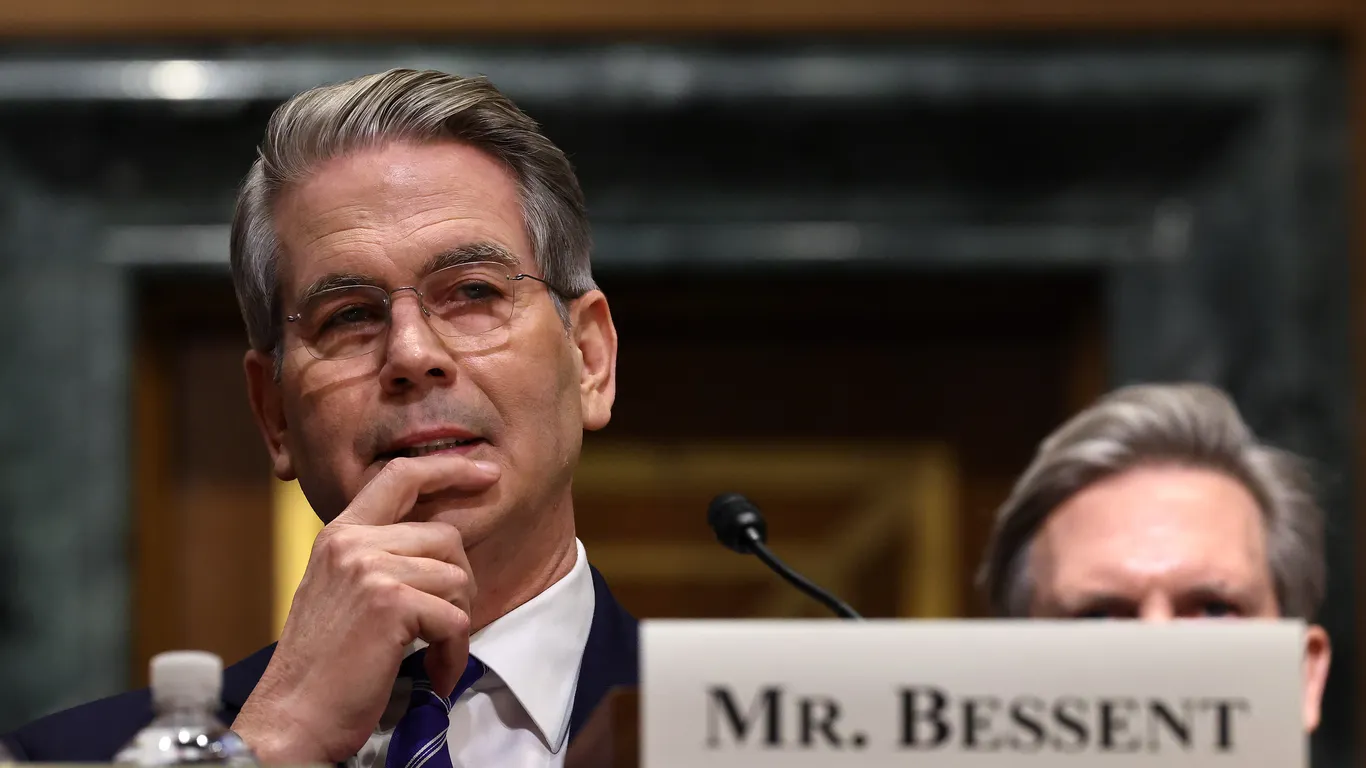
Treasury Secretary Scott Bessent has requested the removal of the controversial 'revenge tax' provision, known as Section 899, from the 'big, beautiful bill' after reaching a deal with G7 countries on global corporate taxes, aiming to prevent it from hindering foreign investment in the U.S.
President Trump held a rally at the White House to support his tax legislation, despite setbacks from the Senate parliamentarian's rejection of key Medicaid provisions, and aims to have the bill signed into law by July Fourth.