AI tools like Google Gemini and ChatGPT are rapidly gaining popularity among high-income consumers in 2025, highlighting a growing digital divide as AI brands dominate the preferences of those earning over $100,000, while value-focused brands remain more popular among lower-income groups.
President Trump’s legislation increased the SALT deduction limit to $40,000 for 2025, allowing itemizers to maximize their tax benefits by prepaying property taxes and estimated state income taxes, especially for high earners, while being mindful of phaseouts and the 'SALT torpedo' effect for incomes between $500,000 and $600,000.
The resilience of US consumer spending, primarily driven by the wealthy 10%, supports economic growth but faces risks from potential tariff impacts and a possible market correction, raising questions about the sustainability of this spending pattern.
Rising delinquencies on credit cards and auto loans among high-income Americans signal vulnerabilities in the US economy, driven by slowing hiring, high interest rates, and increased financial stress, especially among white-collar workers, despite overall debt levels decreasing relative to GDP.
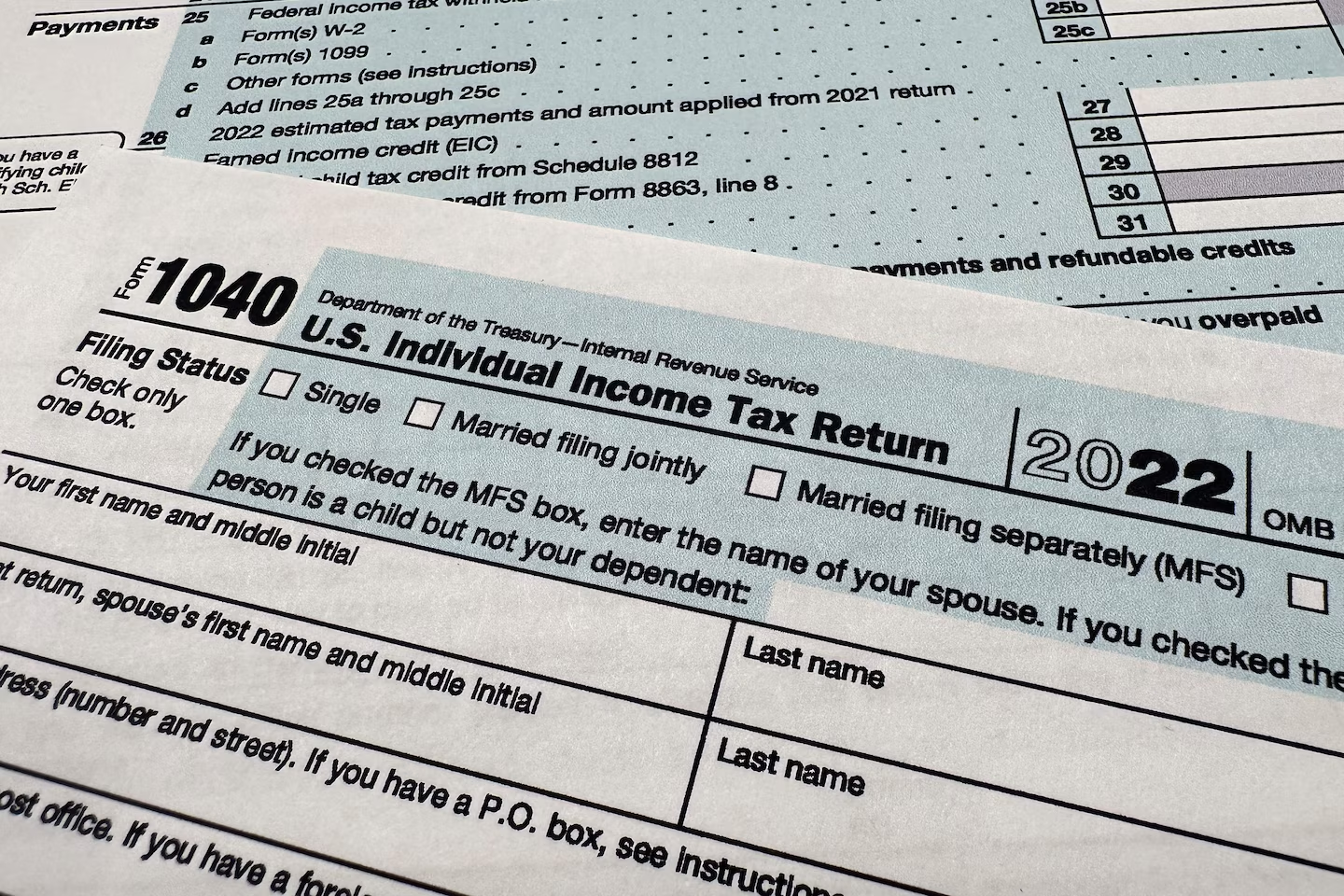
The IRS plans to send notices to thousands of high-income earners who have not filed tax returns for several years, with about 25,000 cases involving people earning over $1 million. This move comes after years of IRS budget cuts and a lack of enforcement. The agency aims to collect hundreds of millions of dollars in unpaid taxes and will focus on high-income earners for tax-compliance efforts, while also planning to send letters to non-filers at all income levels, emphasizing potential refunds for those earning less than $400,000.
The IRS is targeting high-income earners who have failed to file federal income tax returns, with over 125,000 instances identified since 2017. These individuals are believed to owe hundreds of millions of dollars, and the IRS will begin sending out compliance letters this week. The agency has been able to identify non-filers using third-party information and has increased enforcement efforts with funding from the Inflation Reduction Act. Treasury Secretary Janet Yellen emphasized the need for a properly funded IRS to ensure fairness for all taxpayers, and the penalty for failure to file amounts to 5% of the amount owed every month, up to 25% of the tax bill.