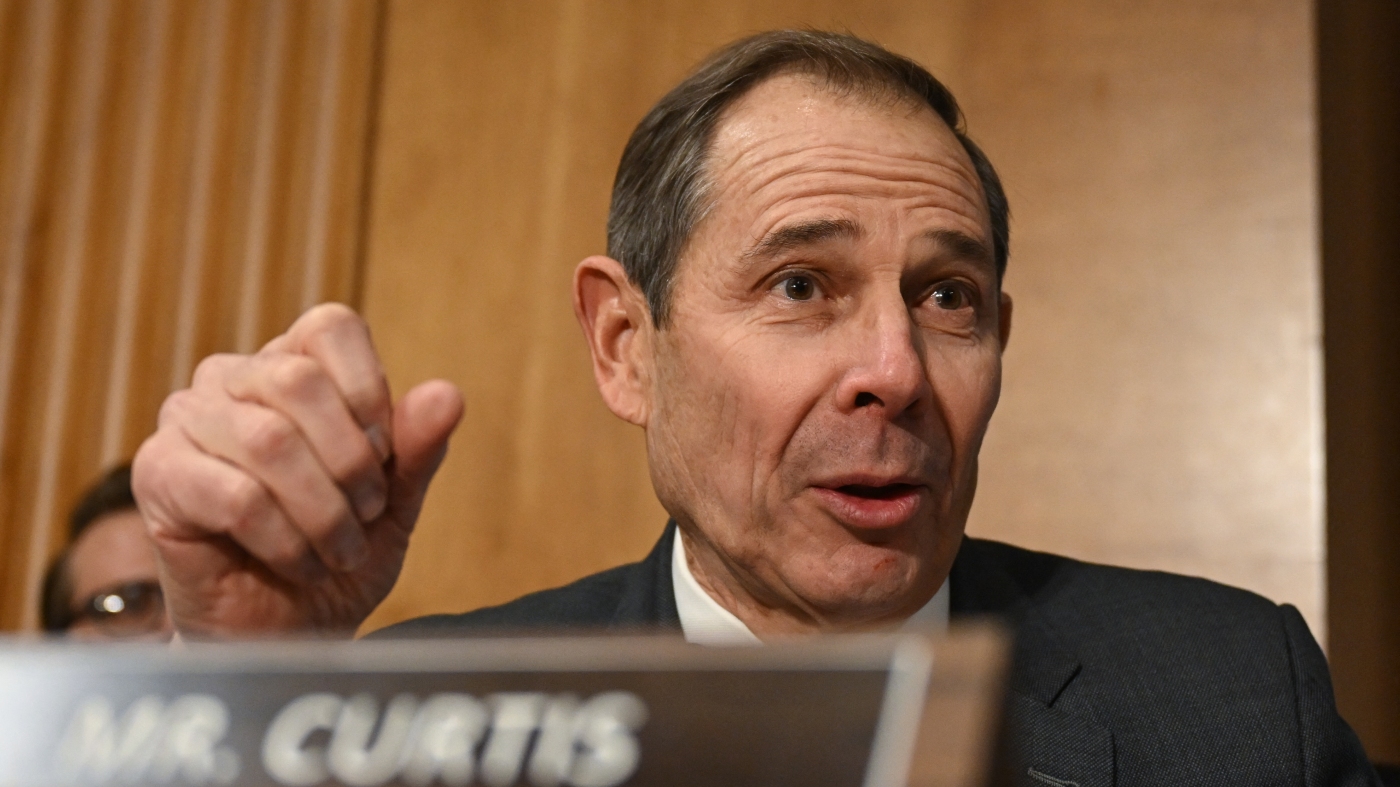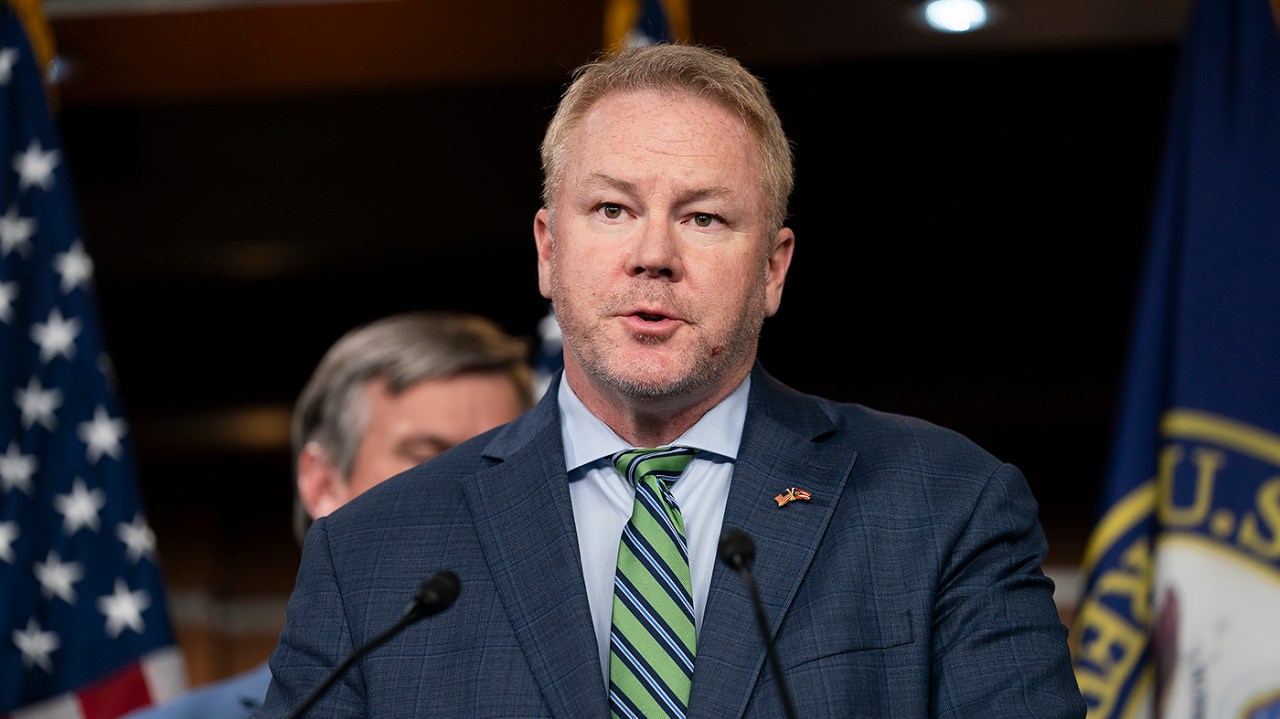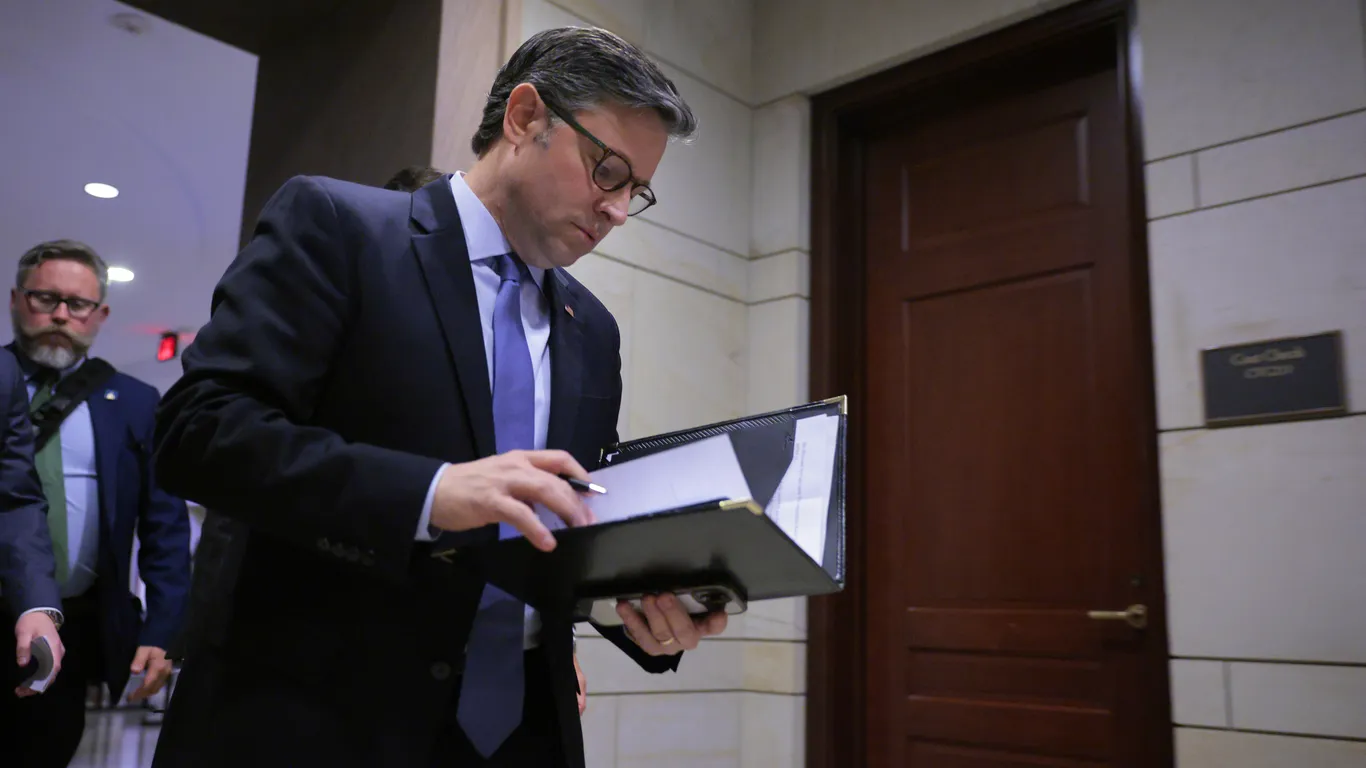
House Republicans passed a healthcare bill that does not renew ACA subsidies, which is expected to cause premiums to more than double for about 20 million enrollees, despite internal disagreements and efforts to extend subsidies. The bill includes measures to lower healthcare costs but also increases the uninsured population and reduces government spending. The Senate is unlikely to take up the bill, but some ideas may resurface later.
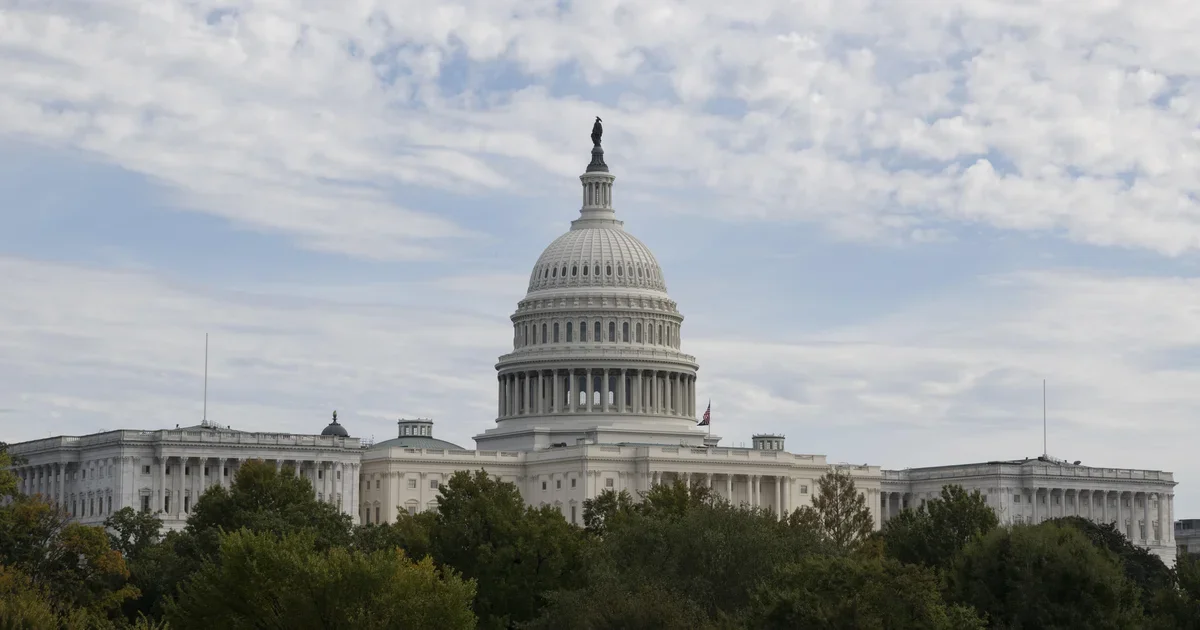
The U.S. government shutdown, now the second-longest in history at 22 days, continues as Democrats and Republicans remain at an impasse over funding, with ongoing protests, legislative efforts, and political blame being exchanged.
The House passed a short-term funding bill to prevent a government shutdown, but it is likely to be rejected by the Senate, which has its own competing bill with policy demands. The outcome remains uncertain as both chambers consider different measures, and a shutdown could occur if no agreement is reached.
House Minority Leader Hakeem Jeffries delivered an extended speech reading personal stories from Americans affected by Medicaid cuts in opposition to a GOP megabill, while House Republicans worked to pass the bill before the July 4 deadline amid internal disagreements and intense negotiations.
Senate narrowly passes Trump's comprehensive tax cut and spending bill, which is expected to move to the House despite concerns over its $5 trillion deficit impact and healthcare effects, with President Trump actively supporting its passage amid political and international developments.
Republican efforts to cut green energy tax credits from the 2022 Inflation Reduction Act face resistance in the Senate, with concerns from industry leaders, some GOP senators, and House Republicans about economic impacts, job losses, and project cancellations, leading to calls for more thoughtful and strategic adjustments to support ongoing investments and energy infrastructure.
House Majority Whip Tom Emmer expressed confidence that the GOP megabill, which includes significant spending reductions and policy priorities, will pass the Senate and be signed into law, despite internal disagreements and external pressures, including from Elon Musk. Emmer highlighted the bill's alignment with President Trump's priorities and emphasized the importance of completing the first major bill before pursuing additional legislation.
The House passed a bill requiring law enforcement and government entities to obtain a warrant before purchasing information from third-party data brokers. The legislation, named the Fourth Amendment is Not For Sale, aims to protect privacy and limit government access to commercially available data. Supporters argue that the bill reinforces Fourth Amendment protections, while opponents, including the White House and some lawmakers, express concerns about its impact on national security and law enforcement capabilities.
Ohio House lawmakers are considering a bill to amend the state's recently approved marijuana legalization law. The House bill, which is seen as more favorable to reform supporters, would make fewer changes compared to the Senate bill, which faced significant opposition. The House bill would allow home cultivation, impose a 10% tax on cultivators' gross receipts, and redirect tax revenue away from equity programs towards law enforcement. The Senate bill, on the other hand, would limit home cultivation, allow existing medical dispensaries to serve adult-use consumers, and increase the marijuana excise tax. Advocates are concerned that the Senate bill undermines the will of voters who approved the legalization initiative. The House Finance Committee is expected to vote on the legislation on Wednesday.