Tag

Talent Shortage

All articles tagged with #talent shortage

politics1 year ago

Business Leaders Brace for Trump's Return Amid Talent and Volatility Concerns

The D.C. region is facing a potential talent shortage as the Trump administration's policies may lead to reduced international migration, which has historically supported the area's population growth. Business leaders are concerned about the impact on key sectors like hospitality and construction, which rely heavily on non-U.S. citizens. The trend of more people leaving the region than moving in, particularly among 30-40 year olds, is exacerbated by high housing costs and could worsen if migration policies tighten further.

biotechnology1 year ago

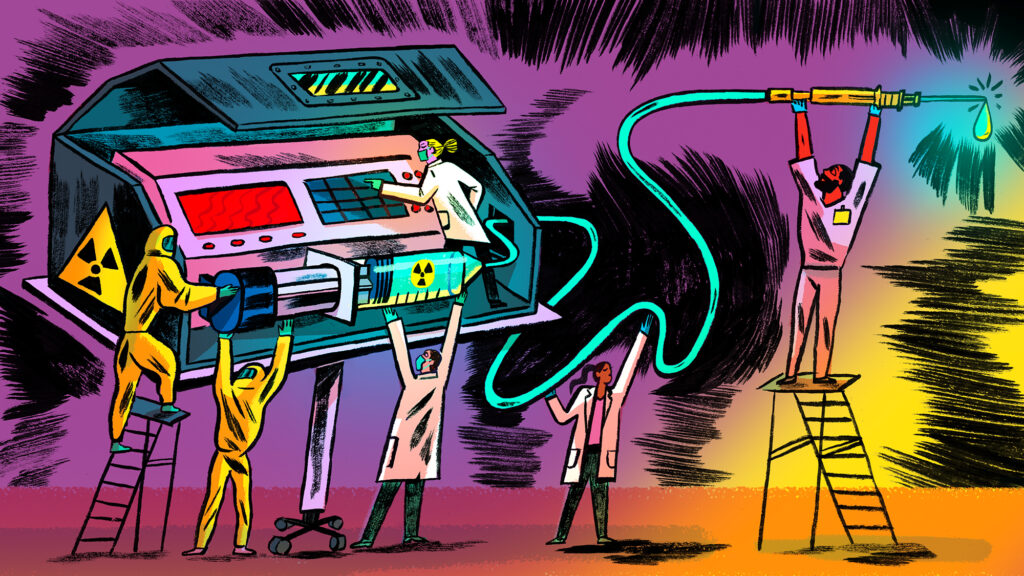
Radiopharmaceutical Growth Stalled by Talent Shortage

The rise of radiopharmaceuticals, a new cancer treatment that targets cancer cells with radioactive isotopes, is facing a significant talent shortage. This innovative approach has attracted numerous biotech startups and substantial investments, with several companies being acquired for over $1 billion. However, the industry's growth is threatened by a lack of skilled professionals needed to develop and implement these therapies.

artificial-intelligence2 years ago

The Rise of Prompt Engineering: Redefining AI Jobs in the 21st Century

Prompt engineering, the skill of getting the best and most relevant answers from generative AI tools, is emerging as a highly sought-after job in the age of AI. With professional AI prompt engineers earning high salaries and demand for their skills increasing, finding qualified prompt engineers is a challenge. The skillset required for prompt engineering goes beyond technical acumen and involves a combination of AI, programming, language, problem-solving, and even art. While the field is still evolving and the requirements for prompt engineers are not yet clearly defined, it is important to have a business contextual understanding and creative writing skills. The development of robust tools and investment in AI ventures will shape the talent market, but for now, finding experienced prompt engineers remains difficult.

workforce-and-employment2 years ago

The Rise of Older Workers: A Shift in the Workforce Landscape

A global study by Bain & Company predicts that by 2031, older workers will make up more than a quarter of the workforce in the Group of Seven countries, with a total of 150 million jobs shifting to workers over the age of 55 by 2030. This trend is not limited to developed markets, as China's elderly population is also expected to double by 2050. The study highlights the need for companies to invest in recruiting, retaining, and reskilling older workers, as their motivations and priorities differ from younger workers. To tap into the motivations of older workers, companies should design workplace experiences that offer interesting work, autonomy, flexibility, and opportunities for skill development.

business2 years ago

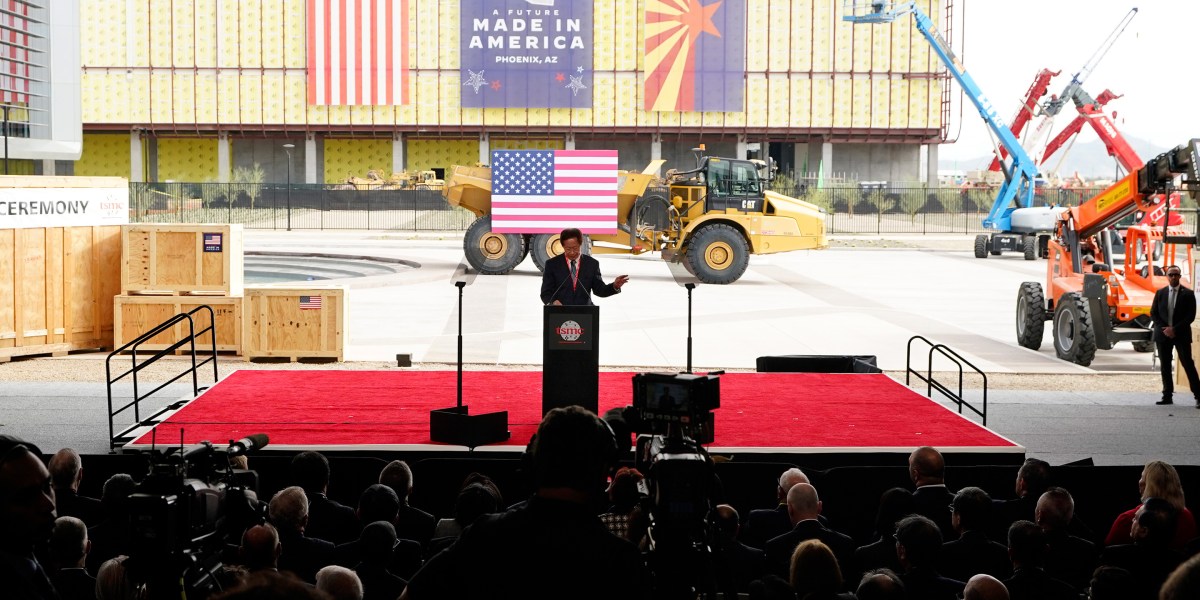
TSMC's Corporate Culture Hinders Hiring of 4,500 Americans for Arizona Plants.

TSMC's tough corporate culture is making it difficult for the company to hire enough employees to staff its two new Arizona foundries, which are a cornerstone of the US's $52bn CHIPS Act aimed at re-shoring the crucial semiconductor industry. TSMC's US operations have earned a 27% approval rating on Glassdoor from 91 reviews, meaning that less than a third of its reviewers would encourage others to work there. The company's hiring ambitions have clashed with a US semiconductor industry whose in-demand workers are accustomed to working with accommodating, well-paying employers and have bristled at TSMC's tack.

technology2 years ago

"Highlights from Computex 2023: 8K Displays, AI, and Top-Tier Motherboards"

The semiconductor industry is facing several challenges, including geopolitical tensions, talent shortages, and AI chip shortages. The U.S.-China trade war is impacting semiconductor supply chains, and Taiwan's semiconductor companies are also dealing with Taiwan-China relations. TSMC's work culture may also face challenges as it expands to Arizona. The industry is facing a shortage of skilled workers, and AI chip shortages are causing stress for generative AI companies. Additionally, Taiwan's ongoing drought is impacting chip manufacturing, which requires a significant amount of water.