Tag

Synthetic Materials

All articles tagged with #synthetic materials

science-and-technology2 years ago

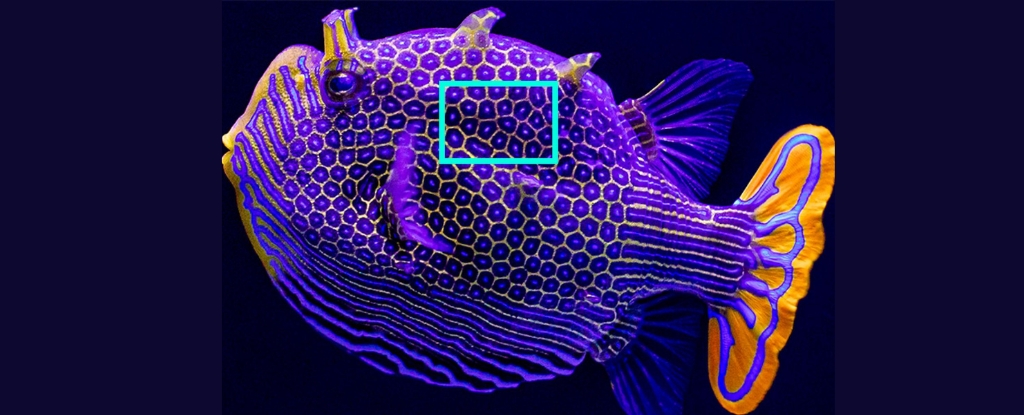
Cracking the Code: Unveiling the Origins of Animal Patterns

Scientists have proposed a potential mechanism explaining how distinctive patterns form on animal skin, which could have applications in medical diagnostics and synthetic materials. The research suggests that diffusiophoresis, a phenomenon where changes in concentration propel particles in a liquid, can create sharp boundaries and well-separated colors in Turing patterns. This finding could help understand how animals create distinct color patterns and potentially lead to the development of artificial skin patches for medical diagnosis and environmental monitoring. Further research is needed to explore the effects of particle shape and the complex biological environment on pattern formation.

science-and-technology2 years ago

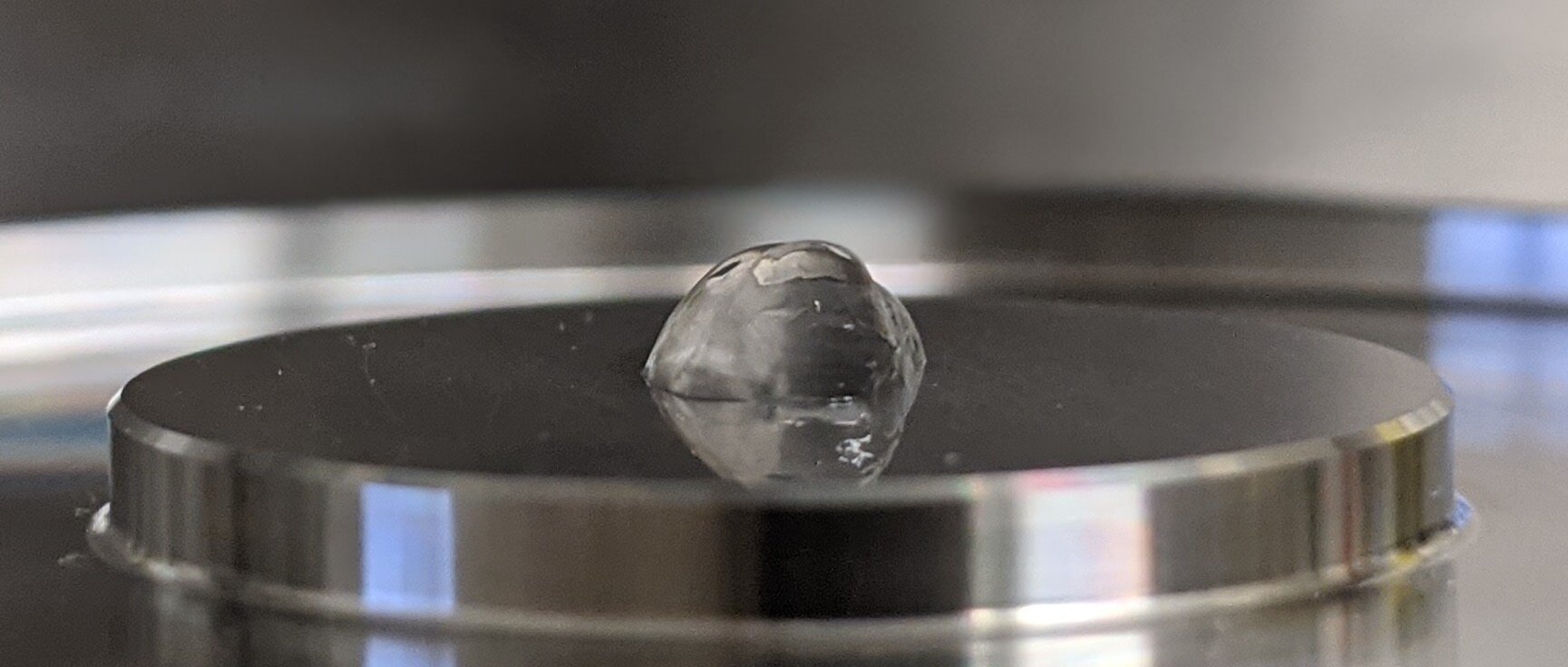
Unveiling the Indestructible: The Toughest Substance in the Universe

While diamonds have long been considered the hardest substance, there are other contenders in the universe. Friedrich Mohs created a scale of hardness in 1812, with diamonds being assigned the highest value of 10. However, other measures of hardness, such as the Vickers hardness scale, have been introduced. Synthetic materials like graphene, wurtzite boron nitride, and lonsdaleite have been suggested to be harder than diamonds, but their hardness is still a topic of debate. Super-hard materials are sought after for industrial applications, but diamonds remain the go-to material for now.

science-and-technology2 years ago

Unraveling the Secrets of the World's Strongest Spider Silk

Scientists at the University of Southern Denmark have made progress in understanding the structure of spider silk, which is stronger than steel and tougher than Kevlar. Using advanced microscopy techniques, they discovered that spider silk consists of two outer layers of lipids and tightly packed fibrils inside the fiber. The findings suggest that there is no need to twist the fibrils when attempting to create synthetic spider silk. Understanding the structure of spider silk could lead to the development of lightweight and flexible materials that could replace Kevlar, polyester, and carbon fiber in various industries.

science-and-technology2 years ago

"DNA-Encoded Viscoelastic Matrix for Organoid and Tissue Development"

Researchers have developed a fully synthetic material called DyNAtrix, which has a dynamic DNA-crosslinked matrix that can support the development of organoids and other bio-mimetic systems. The material is versatile, programmable, and relatively inexpensive, making it advantageous for medical and biological research. It can host living cells, is self-healing, and can be integrated with 3D printing technology. The material has the potential to advance biomechanical, biophysical, and biomedical research, and could replace animal testing in drug development. Future studies will focus on further applications and improving the material's composition and performance.

science2 years ago

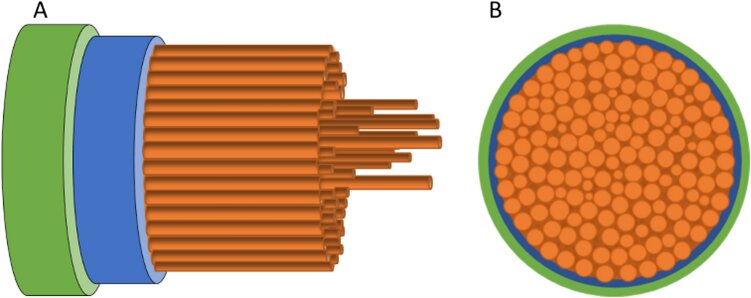
Unveiling the secrets of the world's strongest spider silk.

Researchers have used advanced microscopy techniques to study the internal parts of spider silk without cutting or opening the silk in any way. The spider's silk fiber consists of at least two outer layers of lipids, behind which there are numerous fibrils running in a straight, tightly packed side-by-side arrangement. The fibrils have a diameter ranging between 100 and 150 nanometers and are made up of proteins. Understanding how spiders create such strong fibers is important, but the fibers are also challenging to produce. Researchers are working on producing artificial spider silk using computational methods.

science2 years ago

Photosynthesis and Fifth State of Matter Linked by Strange Physics State

A new study from the University of Chicago has found links at the atomic level between photosynthesis and exciton condensates, a strange state of physics that allows energy to flow frictionlessly through a material. The study suggests that excitons in a leaf can sometimes link up in ways similar to exciton condensate behavior, which can enhance energy transfer in the system and double the efficiency. The findings open up new possibilities for generating synthetic materials for future technology.