
Tag

Dna Nanotechnology

All articles tagged with #dna nanotechnology

science-and-technology2 years ago

"DNA-Based Pattern Recognition in Non-Equilibrium Self-Assembly Kinetics"

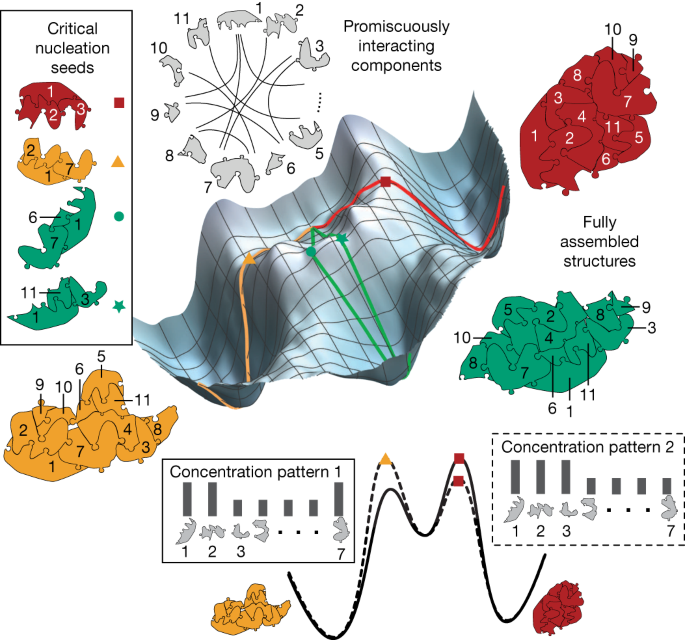
Researchers have demonstrated the use of molecular self-assembly for high-dimensional pattern recognition using DNA nanotechnology. By colocalizing molecules in different ways, they were able to control nucleation kinetics and achieve selective assembly of multiple target structures. This work shows that the phase diagram of self-assembling systems can naturally solve complex pattern recognition problems, similar to neural networks. The findings have implications for understanding biological systems and engineering autonomous molecular systems, and could potentially be applied to tasks such as image recognition using existing molecules.
science-and-technology2 years ago

"DNA-Encoded Viscoelastic Matrix for Organoid and Tissue Development"

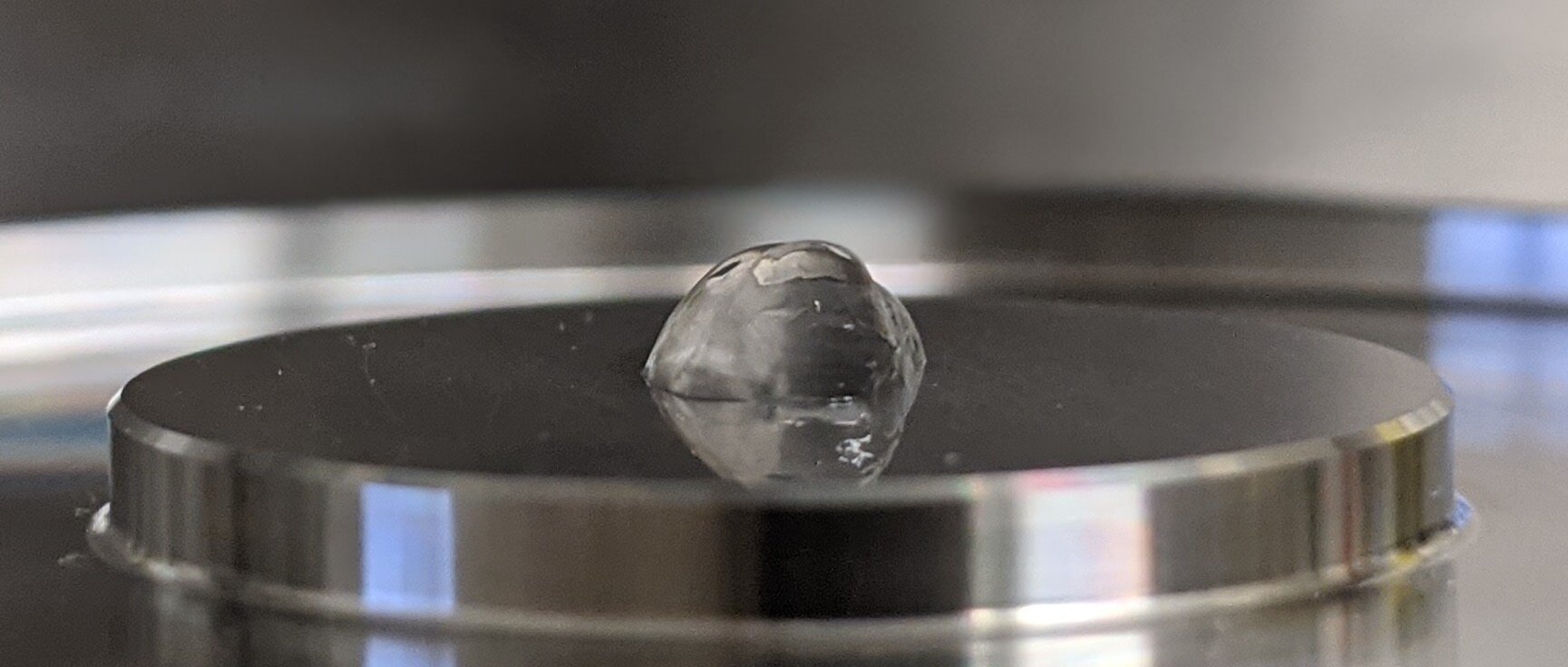
Researchers have developed a fully synthetic material called DyNAtrix, which has a dynamic DNA-crosslinked matrix that can support the development of organoids and other bio-mimetic systems. The material is versatile, programmable, and relatively inexpensive, making it advantageous for medical and biological research. It can host living cells, is self-healing, and can be integrated with 3D printing technology. The material has the potential to advance biomechanical, biophysical, and biomedical research, and could replace animal testing in drug development. Future studies will focus on further applications and improving the material's composition and performance.

science-and-technology2 years ago

Unveiling the Inner Workings of CRISPR and Protein Production

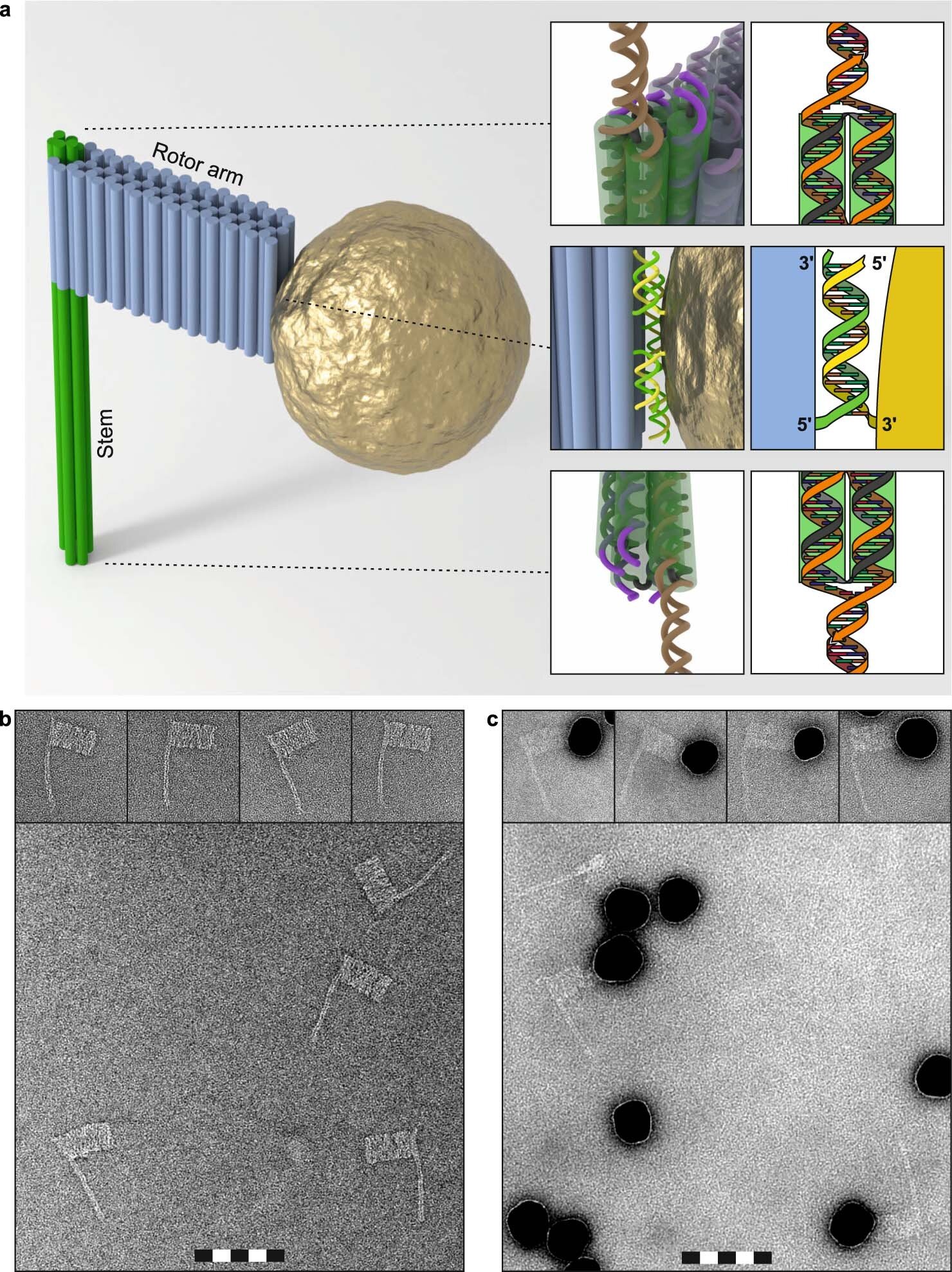
Researchers have developed a method to visualize the activity of CRISPR-Cas protein complexes, which are used for gene editing, in real time. By constructing a DNA rotor arm with a gold nanoparticle attached, the scientists were able to observe the unwinding of DNA sequences during recognition by the CRISPR Cascade complex. They discovered that base pairing with RNA is not energetically advantageous and that the recognition process is driven by thermal fluctuations. The findings will help in selecting suitable RNA sequences for more precise genetic manipulation. The nanorotor technique can also be applied to other CRISPR-Cas complexes and biomolecules.