A Reddit post revealed that Jay-Z took a 12-minute private jet flight that was empty and used nearly 355 liters of fuel, releasing almost a ton of CO2, highlighting concerns over celebrity environmental impact and promoting more sustainable travel options.
As global temperatures rise, travelers are increasingly seeking cooler, more sustainable destinations for their vacations, leading to a trend called 'coolcations' where people visit places like Scandinavia and the Rocky Mountains to escape the heat and reduce their environmental impact.
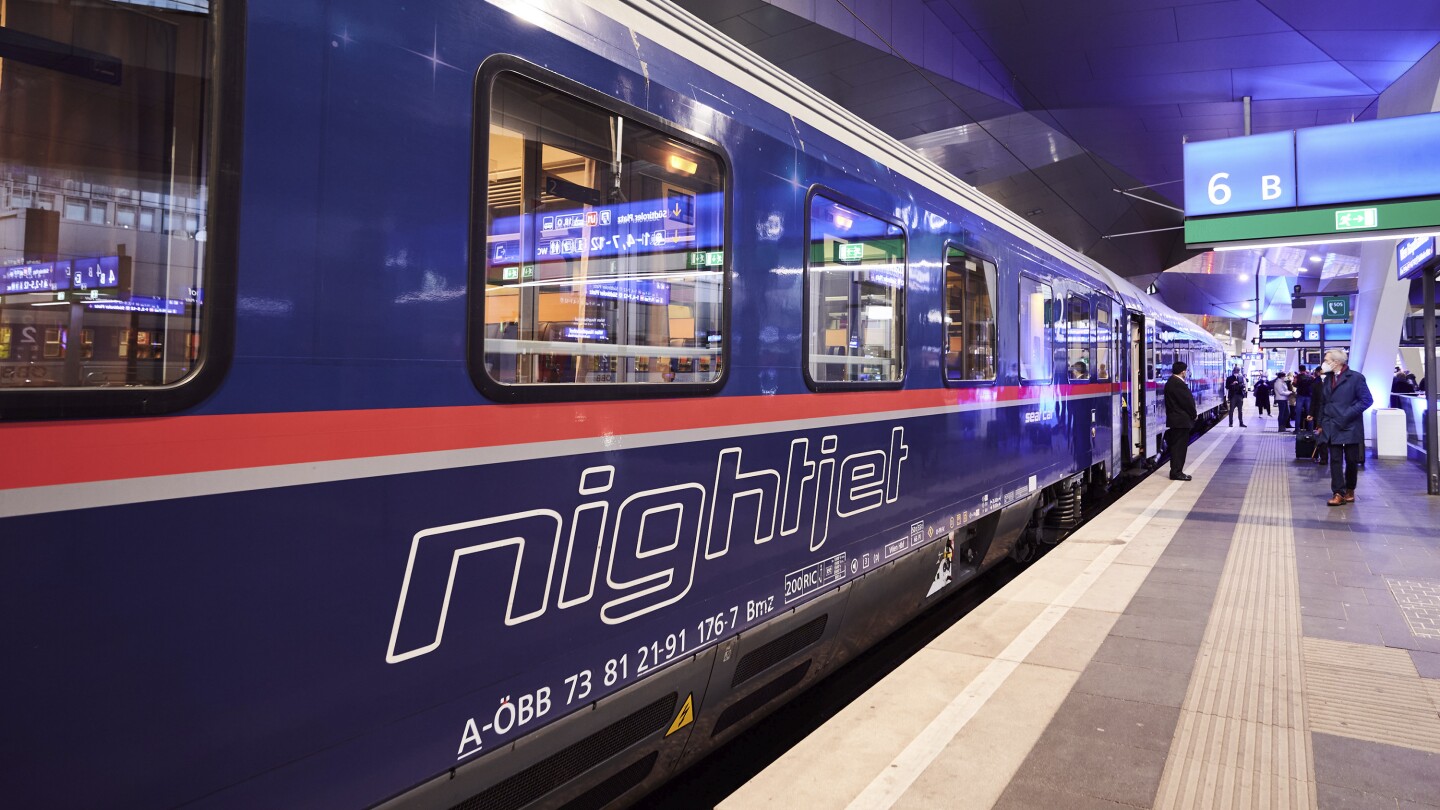
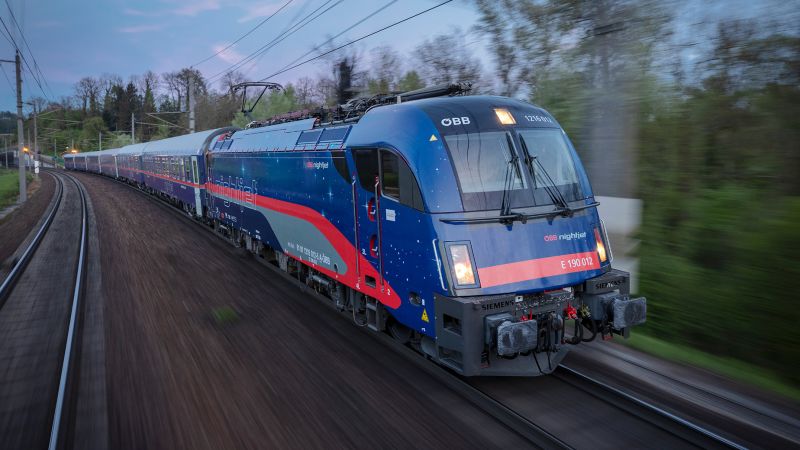
Climate-conscious travelers in Europe, particularly younger ones, are increasingly opting for overnight trains over flights, spurring a revival of night-train travel. Demand for sleeper trains is on the rise, with governments reinvesting in overnight routes to meet carbon emission reduction targets. While challenges such as lack of a central booking platform and competition from budget airlines persist, the experience of traveling by sleeper train is seen as slower, richer, and more sustainable, making it a compelling choice for many travelers.
The Biden administration has issued new guidance requiring federal employees to prioritize sustainable travel options, such as public transit, electric vehicles, and biking, when traveling for official business. The aim is to save taxpayer money and address the climate change crisis. Agencies are encouraged to consider virtual options and rail travel, and employees are urged to use public transportation as their first choice. The guidance also emphasizes the use of green options on rideshare apps and the feasibility of bike shares. The Office of Management and Budget and the General Services Administration updated their regulations to align with President Biden's executive order on climate action.
Despite the urgency of addressing climate change, many high-profile individuals, including world leaders, continue to travel to climate conferences like COP28 in Dubai by private jet. Private jet travel is the most polluting mode of transportation, consuming large amounts of fuel while carrying few passengers. This not only contributes to high carbon emissions but also symbolizes a disconnect between environmental concerns and individual actions. Research shows that public perception of climate action is influenced by the behavior of leaders. To address this issue, policymakers should carefully consider the carbon footprint implications of travel to COP meetings and prioritize host locations that minimize participants' carbon emissions.
The world's largest airship, Pathfinder 1, has been unveiled for flight tests. Backed by Google co-founder Sergey Brin, the 400-ft-long blimp uses helium and 12 electric motors for vertical take-off and speeds of up to 75mph. Created by LTA Research, the airship aims to reduce the carbon footprint of air travel and shipping. While the Hindenburg disaster in 1937 involved flammable hydrogen, the Pathfinder 1 uses safe helium stored in 13 airbags. The blimp is currently restricted to hovering a few feet off the ground but is being tested for higher altitudes and longer distances. LTA Research is also working on an even larger aircraft called the Pathfinder 3.
Night trains are experiencing a resurgence in Europe as travelers seek sustainable alternatives to flying. While the new wave of night trains offers the allure of adventure and the opportunity to wake up in a new city or country, there are challenges to overcome. Night trains can be expensive, prone to delays, and the quality of accommodation varies. However, the success of networks like Austria's ÖBB Nightjet has inspired other countries to revive and expand their overnight train services. Private startups are also entering the market, but they face obstacles in securing suitable rolling stock and financing. Despite these challenges, night trains can play a niche role on long-distance routes of 500 to 1,000 miles with targeted support.
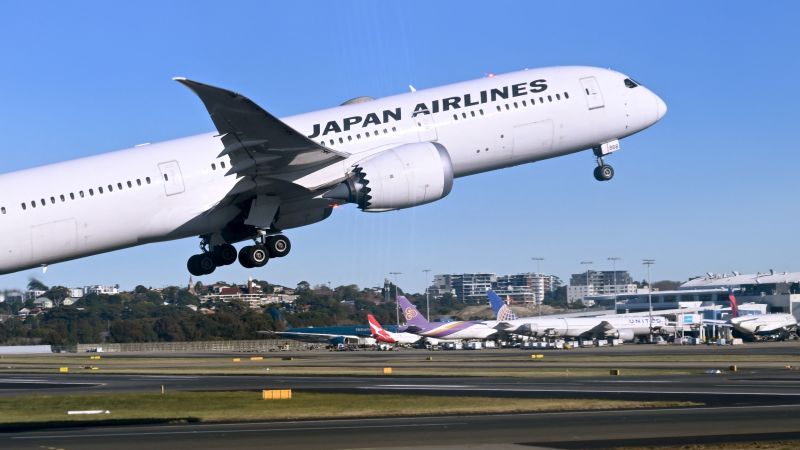
Japan Airlines is piloting a new service called Any Wear, Anywhere, which allows passengers flying to Japan to rent clothing for their trip, eliminating the need to pack clothes. The rented clothes are delivered to the traveler's hotel or vacation rental and are picked up for laundering when they leave. This service not only helps travelers travel lighter but also reduces carbon emissions by carrying less passenger baggage. Rentals start at $28, and the service aims to improve sustainability by extending the life of apparel and reducing waste.
Japan Airlines has launched a year-long trial of a service called Any Wear, Anywhere, which allows travelers to book a set of clothes that will be waiting for them at their hotel upon arrival. The clothes are then returned, washed, and reused. The airline believes this service could reduce carbon emissions by cutting down on the weight carried by its airplanes. The trial will assess the impact on weight savings and emissions reduction, taking into account the deliveries and laundering of the clothes. The response to the service has been positive, with requests from over 115 countries. If successful, Japan Airlines hopes to expand the service to other airlines and alliances worldwide.
The popularity of camper van travel, known as #VanLife, has surged in recent years, but the gas-guzzling vehicles have raised concerns about their carbon emissions. However, a new trend of electric camper vans is emerging, driven by younger generations seeking eco-friendly travel options. Rental companies around the globe are offering electric camper vans, providing the benefits of a traditional camper van vacation while minimizing the carbon footprint. From Canada to Norway, England to Scotland, and the United States, these companies offer fully converted electric vans with features like kitchenettes, sleeping spaces, and eco-friendly amenities. Travelers can enjoy road trips and nature immersion while reducing their environmental impact.
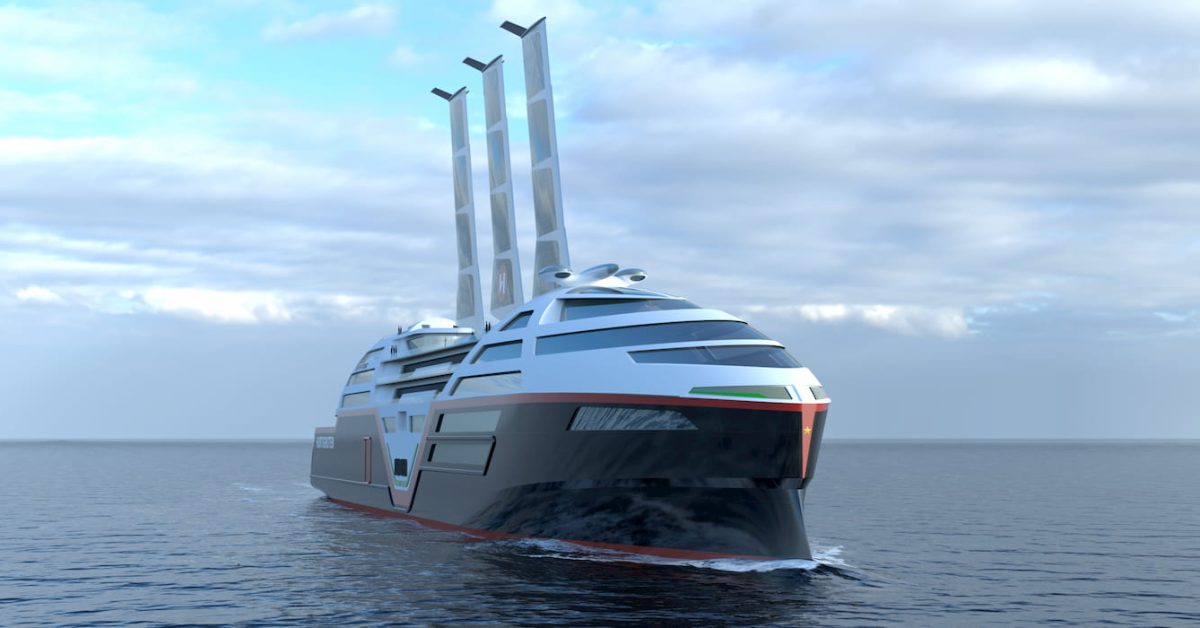
Norwegian cruise line company Hurtigruten has revealed plans for a zero-emission electric-powered cruise ship, which will feature retractable sails with solar panels to harness energy from the wind and sun while storing it in powerful batteries. The ship will combine 60 MWh battery packs with several industry firsts to harness wind and solar while at sea for a truly zero-emission experience. The company plans to include three retractable, autonomous sails with added solar panels, and the ship will be superpowered by northern Norway’s midnight sun that shines for 24 hours a day.
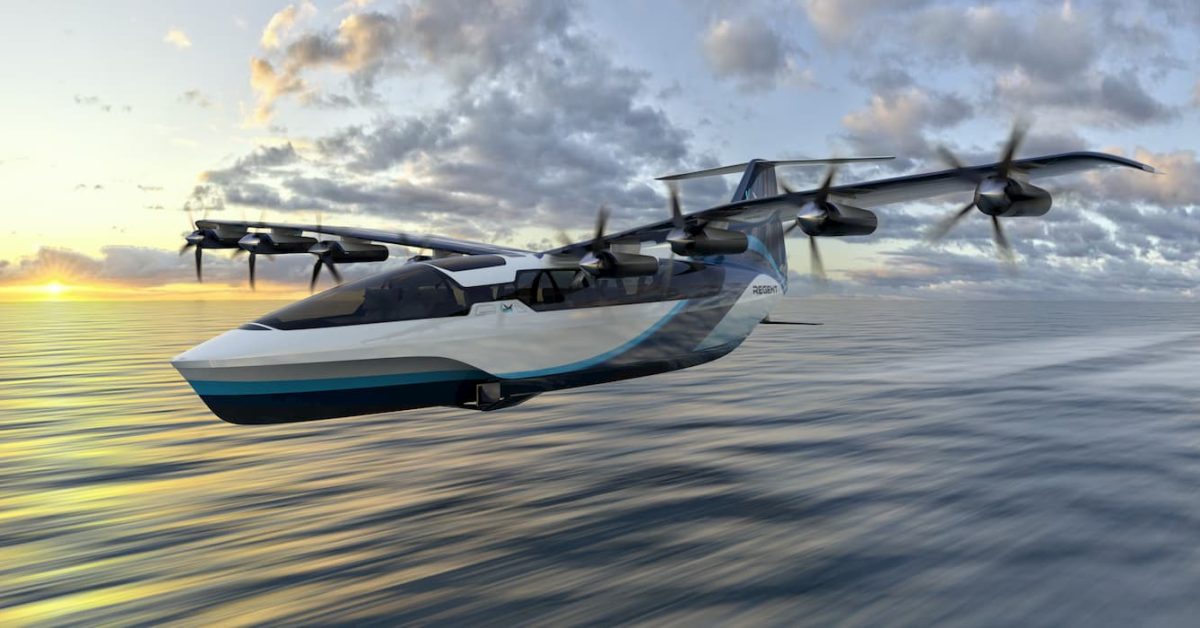
Sustainable maritime transportation start-up REGENT has revealed the full-scale prototype of its zero-emission 100% electric seaglider, set to take flight in 2024. The seaglider operates a few meters off the water’s surface, combining the high speeds of an aircraft with the low operating costs of a boat. With 40% of the world’s population living in coastal communities, REGENT’s electric seagliders can help provide an alternative zero-emission travel method to reduce congestion. REGENT has over $8 billion in commercial orders and plans to expand its manufacturing footprint at its Rhode Island headquarters by up to 600,000 square feet for building and testing its seagliders.