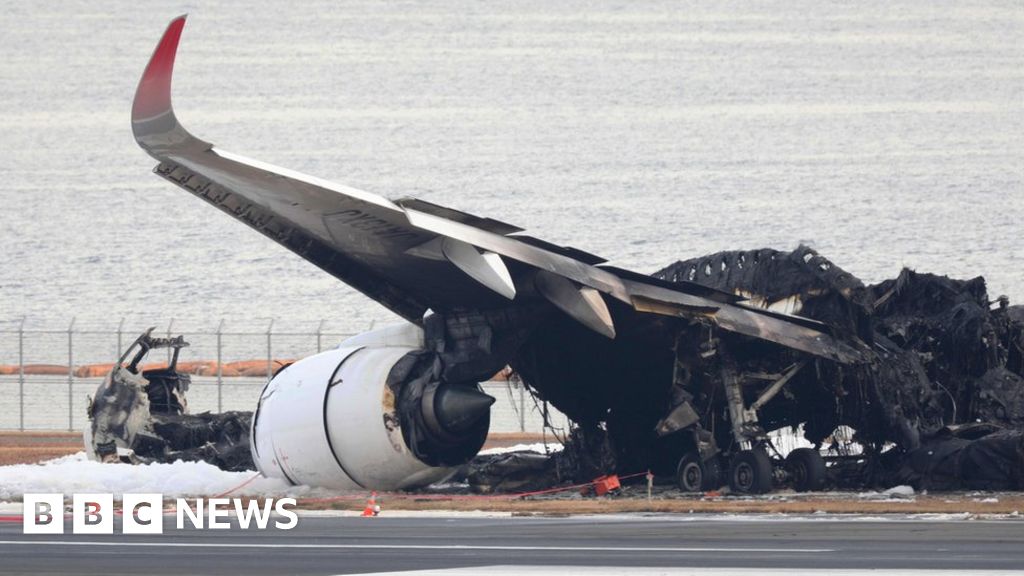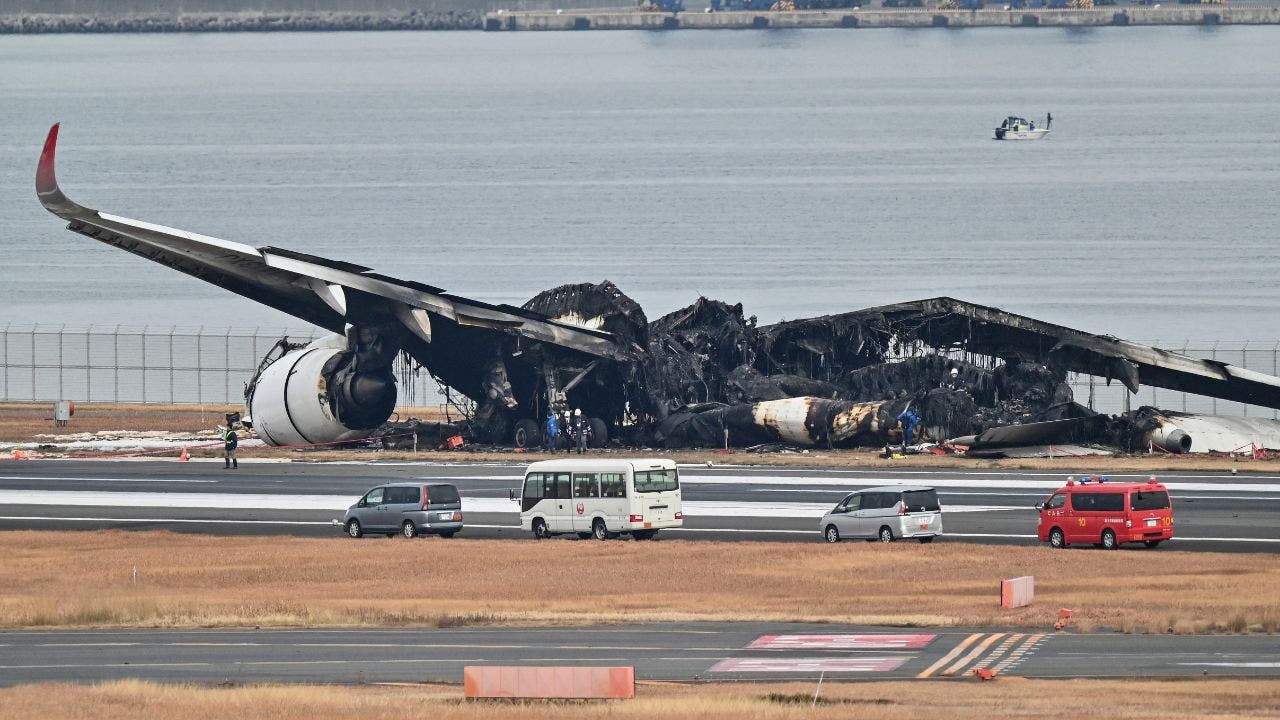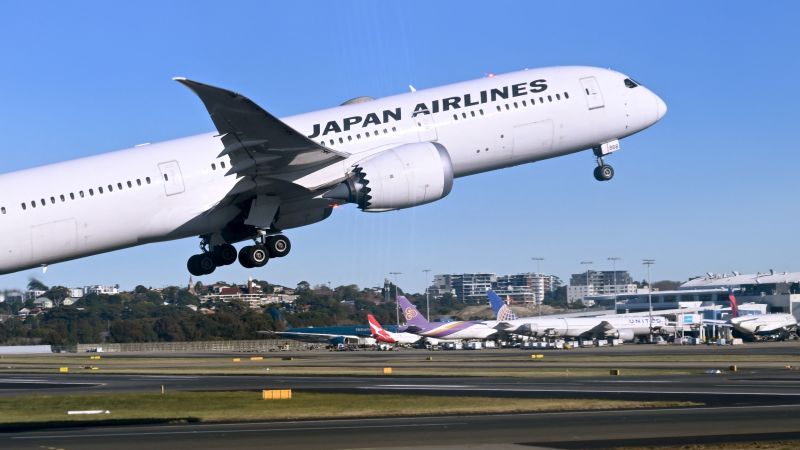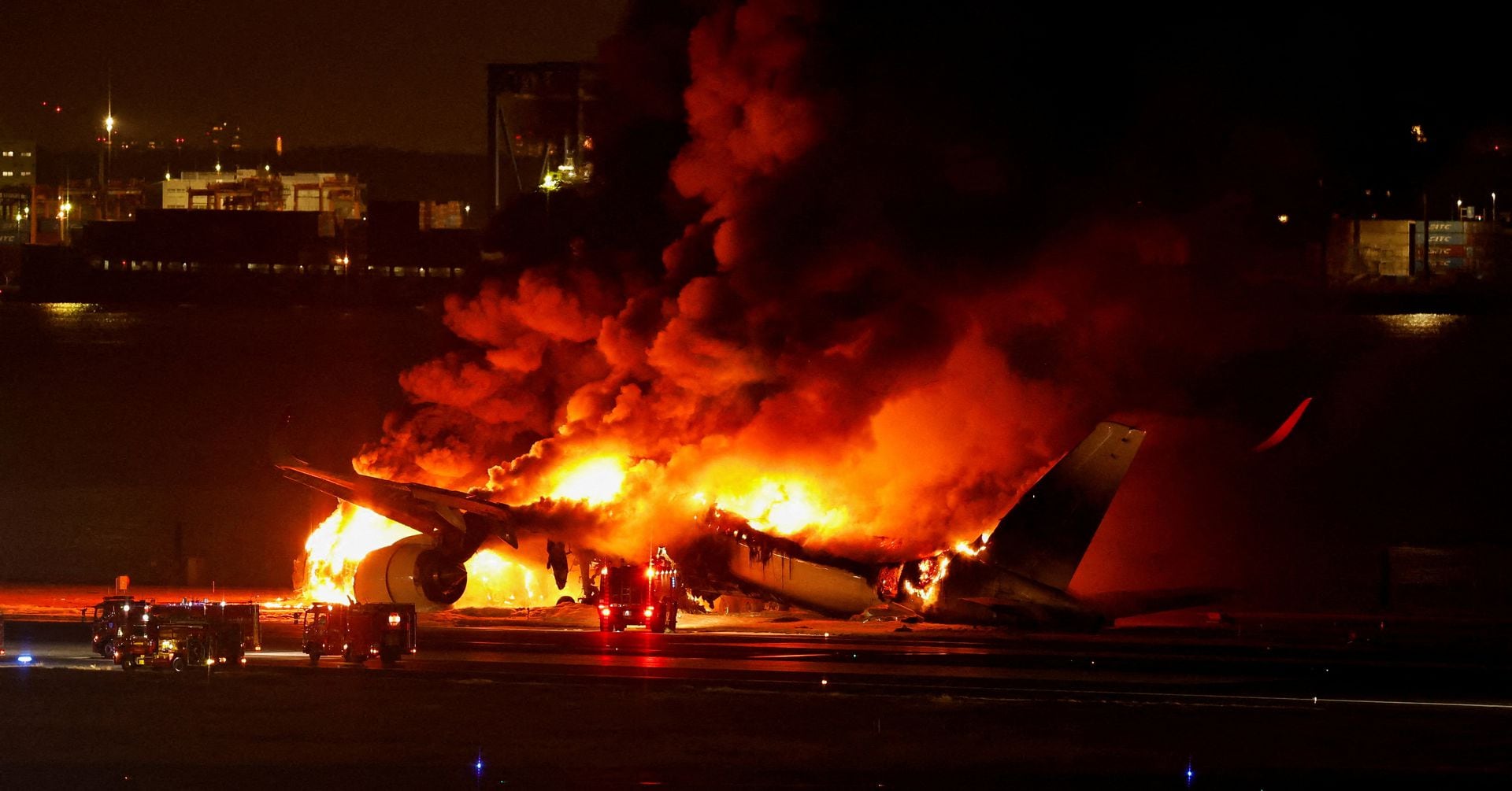
A labor union representing air traffic controllers in Japan has called for a "significant increase" in staff to improve safety at airports following a deadly crash at Tokyo's Haneda airport. The crash involved a Japan Airlines jet and a smaller Coast Guard turboprop, resulting in the deaths of five crew members. The union cited staffing issues and increased workload as concerns, urging the government to address the shortage of air traffic controllers. Authorities have ordered air traffic control towers to constantly monitor radar systems for possible runway intrusions as an emergency measure.
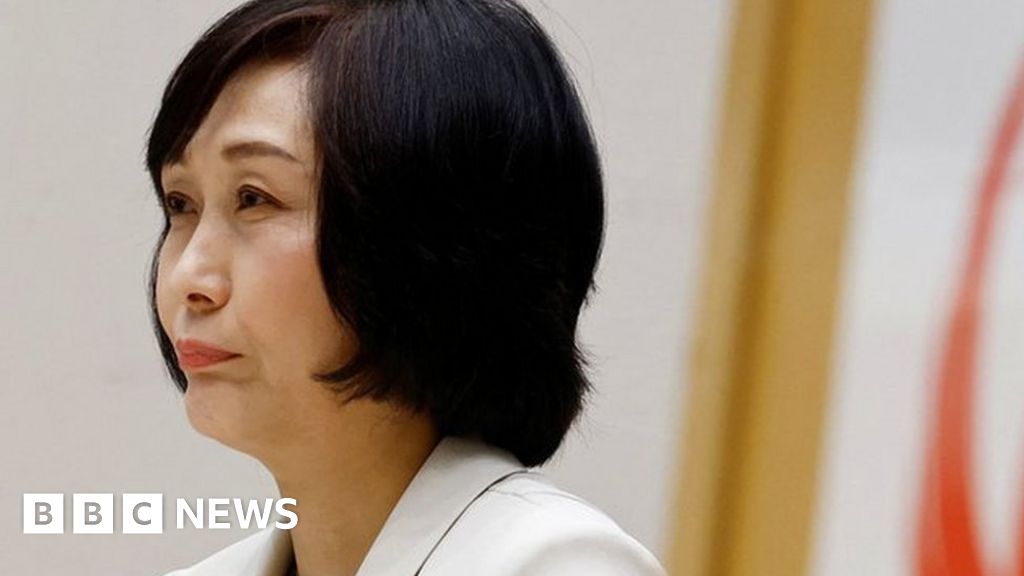
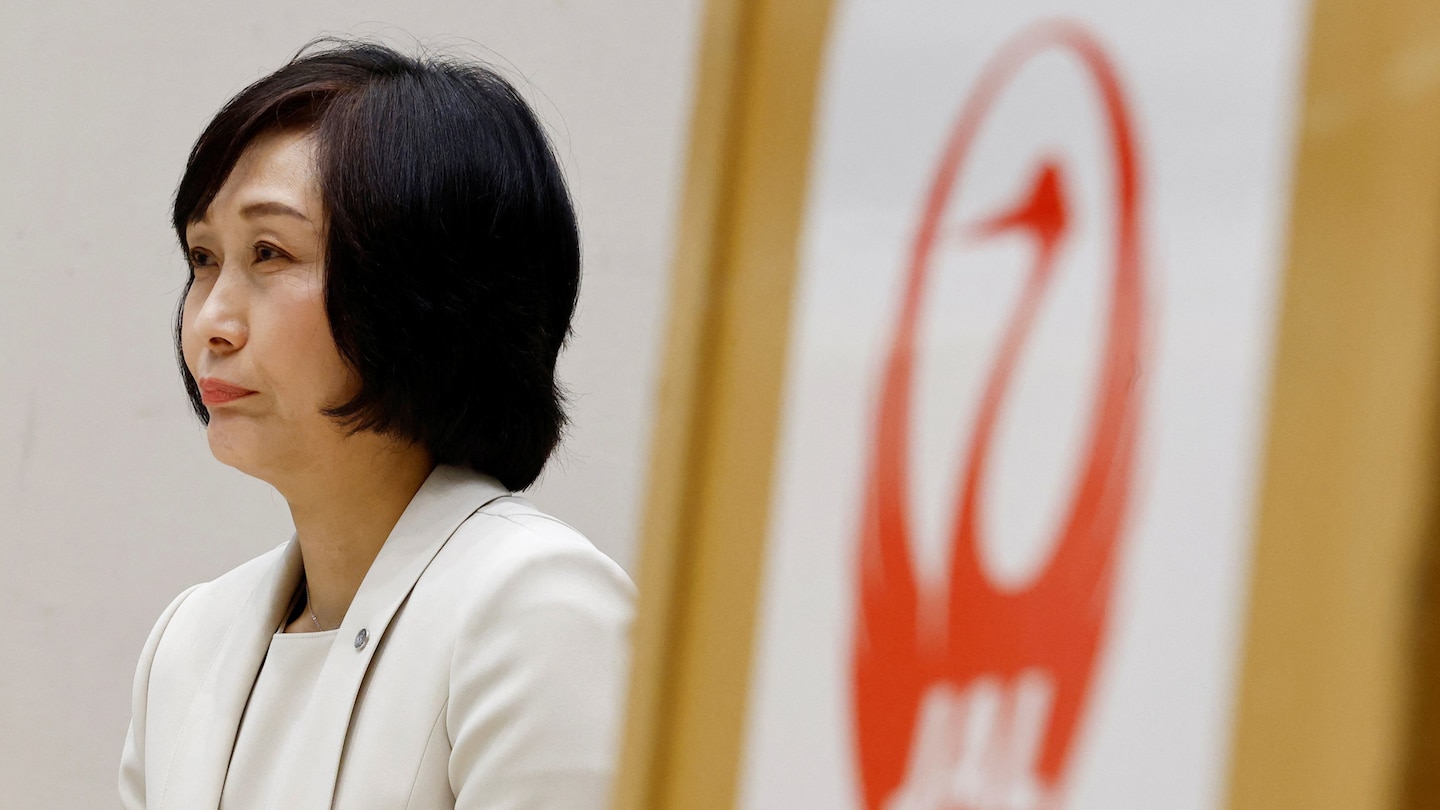
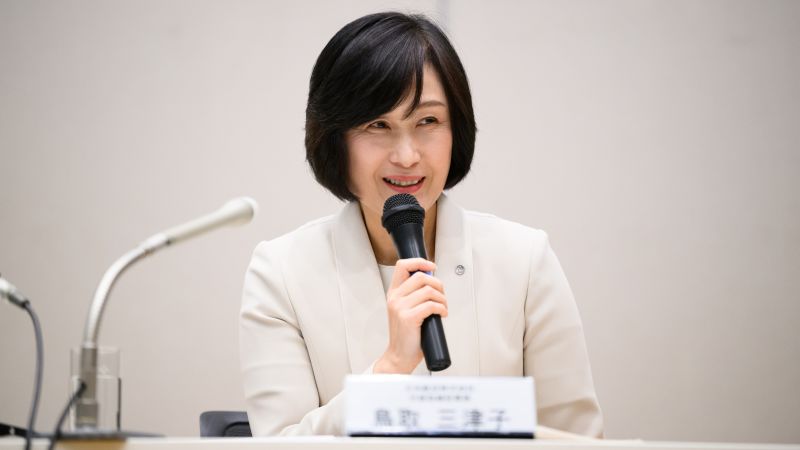
Japan Airlines has appointed Mitsuko Tottori as its first female president, marking a rare move for a major Japanese firm and global airline. Tottori, who started as a flight attendant in 1985, expressed hope that her promotion would inspire other women to advance in their careers. She emphasized a commitment to operational safety and customer service, acknowledging the challenges women face in career progression. This appointment comes amid a push for gender diversity in leadership positions within both the aviation industry and major Japanese businesses.
Mitsuko Tottori, a former flight attendant, will become the first female president of Japan Airlines in April, aiming to address safety concerns following a recent collision. With a career shaped by a deadly 1985 accident, she emphasizes the importance of safety and intends to serve as a role model for female employees. Tottori's experience in safety policies and field operations has been cited as a reason for her appointment, as she vows to prioritize safety and service in her new role.
Mitsuko Tottori, a former cabin attendant, has been appointed as the first female president of Japan Airlines, marking a significant milestone in a country grappling with gender inequality in the workplace. Tottori, who joined JAL in 1985, aims to inspire and support female employees in their career advancement. The airline's move comes amid increasing pressure on Japanese companies to address gender diversity and pay gaps. JAL is also focusing on recovery from the pandemic and enhancing safety operations as it undergoes leadership changes.
Japan Airlines has appointed Tottori Mitsuko as its new president, making her the first female president of a major Japanese airline. Mitsuko, who has been with the company for nearly 40 years, spent over half of her career as a flight attendant before moving into management roles related to flight attendants and cabin safety. Her appointment is seen as unconventional for an airline executive, but it reflects a focus on safety and customer experience. This move is expected to inspire frontline employees and bring a fresh perspective to the airline's leadership.
Japan Airlines appoints Mitsuko Tottori, a former cabin attendant, as its first female president, marking a significant move in a country striving to address gender inequality in the workplace. Tottori, who joined JAL in 1985, aims to inspire and support female employees in their career advancement. The airline's current president, Yuji Akasaka, will transition to the role of chairperson, while JAL sets a target for women to comprise 30% of managers by March 2026.
Japan Airlines' detailed inflight safety video, which includes specific instructions for emergency evacuations and emphasizes leaving luggage behind, likely contributed to the successful evacuation of all 379 passengers and crew members during a recent fiery crash. The video's thoroughness and seriousness stand out compared to other airlines' more entertaining safety videos, and experts suggest that other carriers could benefit from combining humor with JAL's bluntness to ensure passengers pay attention to crucial safety instructions.
A collision at Tokyo Haneda Airport between a Japan Airlines jet and a smaller coastguard plane resulted in a cabin fire on the airliner, which the pilots were unaware of until alerted by a flight attendant. The evacuation of all 379 passengers on Japan Airlines Flight 516 was executed with precision despite a damaged announcement system, with crew using megaphones and shouting to guide passengers. The smaller coastguard plane, which was not cleared for takeoff and had five of its six crew members perish, had its last transmission before the collision. The incident marks the first major accident involving an Airbus A350.
Japan Airlines (JAL) is facing over $100 million in losses after a collision at Tokyo's Haneda Airport destroyed one of its Airbus A350 jets and resulted in the deaths of five crew members from a Coast Guard plane. All passengers on the JAL flight escaped, but the incident has led to investigations into possible professional negligence and the failure of multiple safety measures. The airline's shares fluctuated but closed up slightly, and insurance is expected to cover the loss of the aircraft. The accident has caused significant disruptions, with hundreds of flights canceled or delayed and passengers stranded.
Japanese authorities have initiated two investigations into a fatal collision at Tokyo's Haneda Airport, where a Japan Airlines Airbus A350-900 crashed into a Coast Guard Bombardier Dash-8, resulting in five deaths. The probes are examining communication errors between air traffic control and the aircraft, with transcripts indicating the passenger jet had clearance to land, but the Coast Guard plane did not have take-off clearance. All passengers and crew of the Airbus were safely evacuated, while the Dash 8 suffered five crew fatalities. Airbus is assisting with the investigation, and the incident will test the resilience of carbon-composite airplane fuselages in fires.
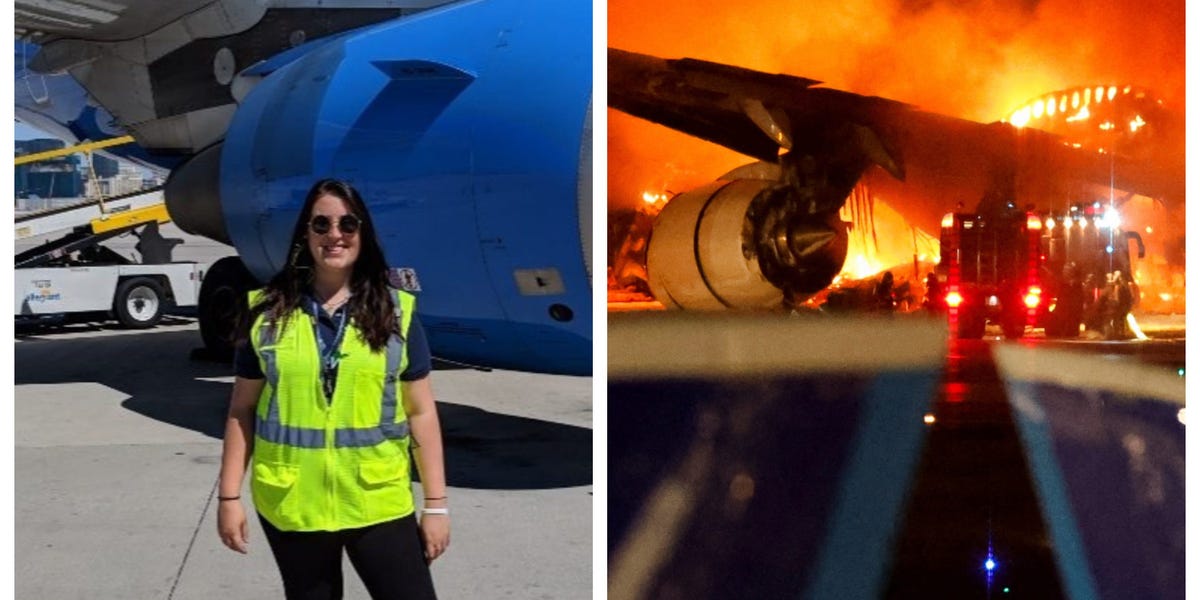
A Japan Airlines passenger jet caught fire at Tokyo's Haneda Airport, as shown in footage where the aircraft is engulfed in flames. Emergency slides were deployed and passengers were seen evacuating while firefighters worked to extinguish the fire. Further details are pending as this is a developing story.
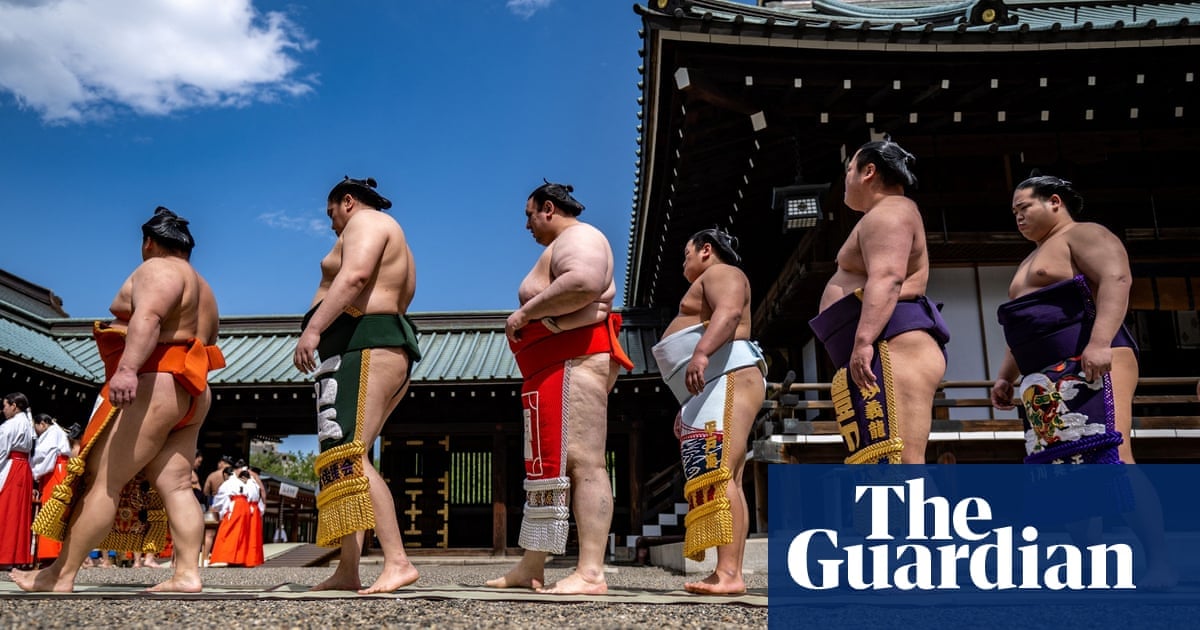
Japan Airlines had to arrange an extra flight after realizing that two of its planes were at risk of exceeding weight limits due to a passenger list that included sumo wrestlers. The wrestlers, estimated to weigh an average of 120kg, were scheduled to fly to Amami Oshima for a sports festival. Concerns over fuel capacity led to the last-minute arrangement of a special flight for 27 wrestlers. Additional flights were also organized for their return. This is not the first time sumo wrestlers have caused weight-related travel issues, as a viral photo in 2014 showed them packed onto a small passenger plane.
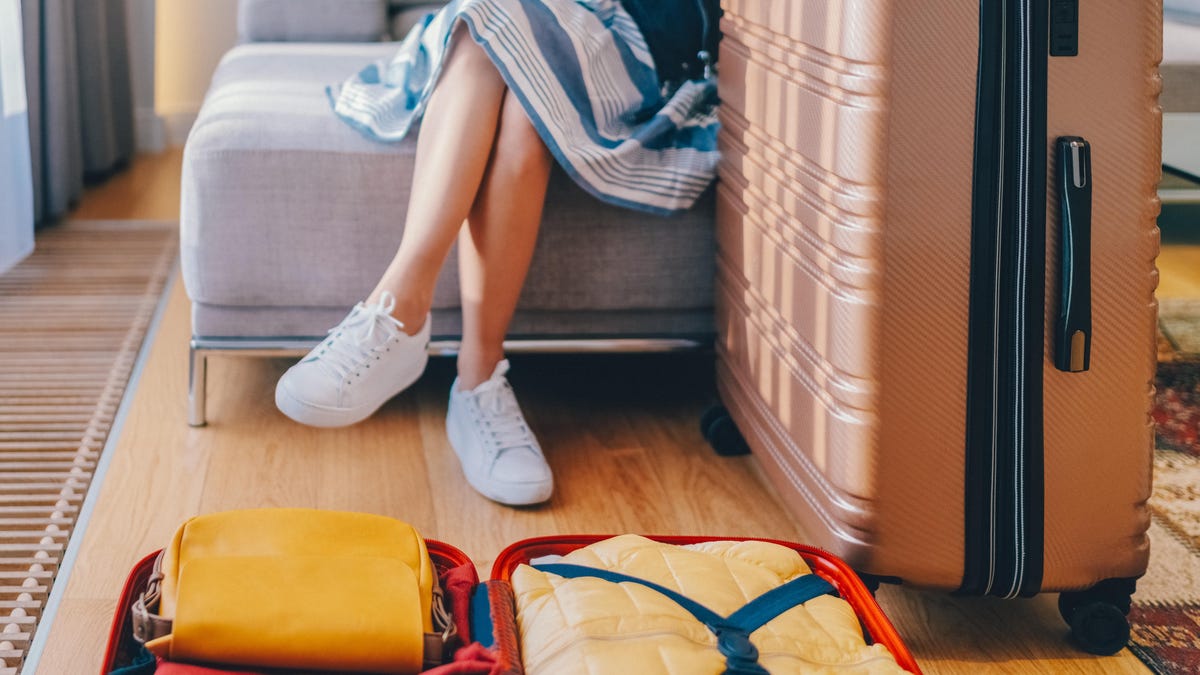
Japan Airlines is piloting a new service called Any Wear, Anywhere, which allows passengers flying to Japan to rent clothing for their trip, eliminating the need to pack clothes. The rented clothes are delivered to the traveler's hotel or vacation rental and are picked up for laundering when they leave. This service not only helps travelers travel lighter but also reduces carbon emissions by carrying less passenger baggage. Rentals start at $28, and the service aims to improve sustainability by extending the life of apparel and reducing waste.
Japan Airlines has launched a year-long trial of a service called Any Wear, Anywhere, which allows travelers to book a set of clothes that will be waiting for them at their hotel upon arrival. The clothes are then returned, washed, and reused. The airline believes this service could reduce carbon emissions by cutting down on the weight carried by its airplanes. The trial will assess the impact on weight savings and emissions reduction, taking into account the deliveries and laundering of the clothes. The response to the service has been positive, with requests from over 115 countries. If successful, Japan Airlines hopes to expand the service to other airlines and alliances worldwide.
Originally Published 2 years ago — by Cranky Flier
JetBlue Airways is withdrawing from the controversial Northeast Alliance and focusing on its merger with Spirit, while American continues to appeal the decision. The Air Line Pilots Association (ALPA) has filed a petition against JSX, arguing that it should adhere to the same rules as other Part 121 airlines. Norwegian Air Shuttle has acquired Widerøe, Norway's largest regional carrier. Delta and Southwest have banned TikTok on employee devices due to a federal government ban. Japan Airlines is launching a clothing sharing service for travelers visiting Japan.