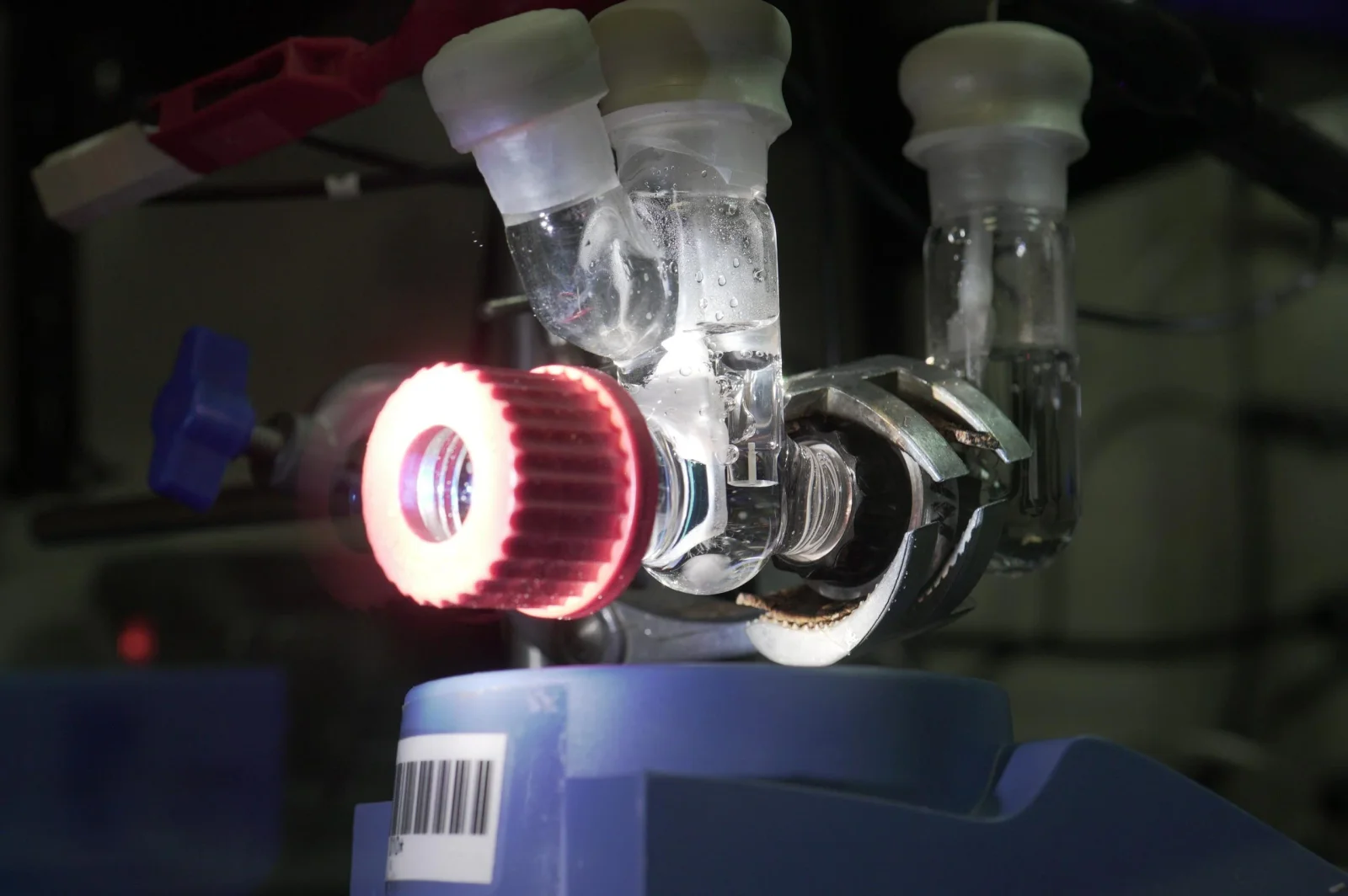
Researchers have developed a new manganese-based complex that absorbs light efficiently and has a record-breaking excited-state lifetime, offering a sustainable and simple alternative to rare metal complexes for large-scale photochemical applications like hydrogen production.
Cambridge researchers have developed a solar-powered semi-artificial leaf that mimics photosynthesis to convert CO2 into useful chemicals like formate, potentially revolutionizing green chemistry and reducing reliance on fossil fuels in the chemical industry.
Scientists have developed a method using genetically modified E. coli bacteria to convert plastic waste into the painkiller paracetamol, offering a sustainable way to produce drugs while cleaning up environmental plastic pollution.
Scientists at the National University of Singapore have developed a new photocatalytic method for producing hydrogen peroxide using a novel covalent organic framework, mimicking the process of photosynthesis with water and air. This energy-efficient and environmentally friendly approach contrasts with traditional methods, offering a clean route for H2O2 production. The breakthrough involves the construction of hexavalent covalent organic frameworks that demonstrate high-rate photo-induced charge generation and catalytic active sites, achieving unprecedented photocatalytic efficiency.
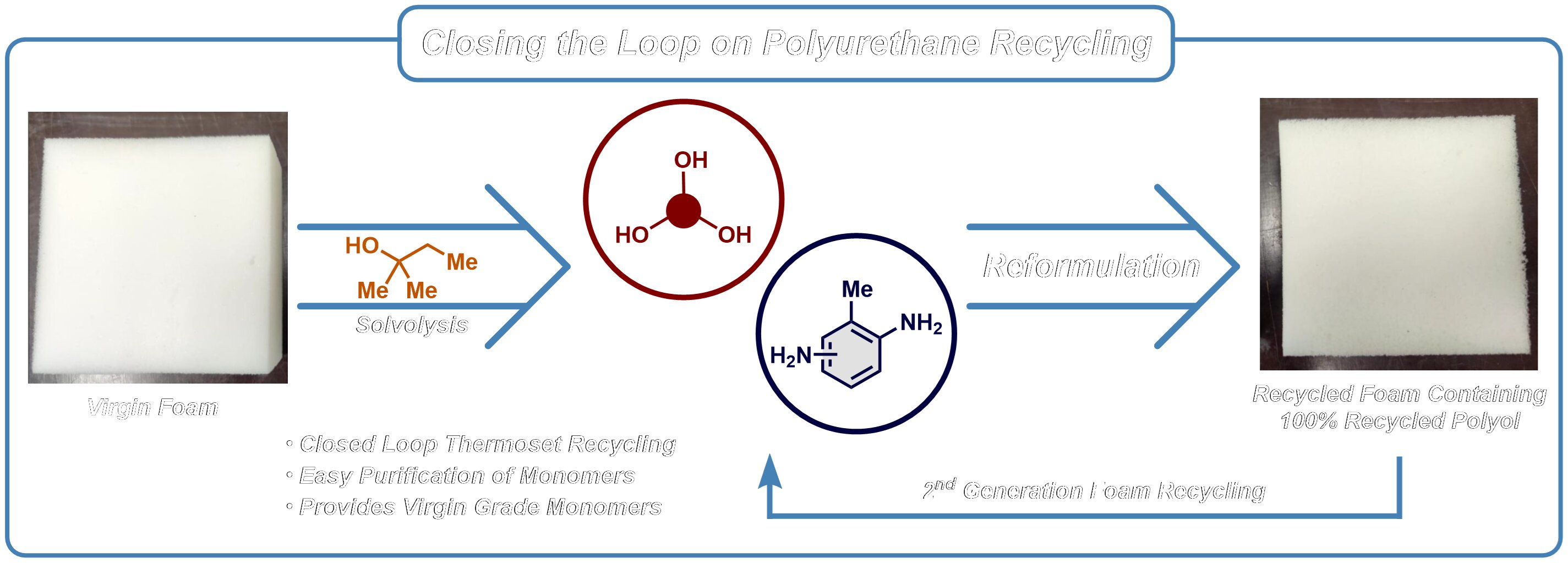
Researchers at Aarhus University have developed a method to break down polyurethane foam mattresses into their monomeric building blocks, allowing for the extraction of polyol, a key component. By using this extracted polyol as a raw material, they have successfully replaced 64% of a mattress without compromising quality. The process, called solvolysis, offers a potential solution to the challenge of recycling polyurethane, which is difficult to recycle and often ends up in landfills. While the method is not applicable to all types of polyurethane, it represents a step towards a circular economy for flexible polyurethane foam.
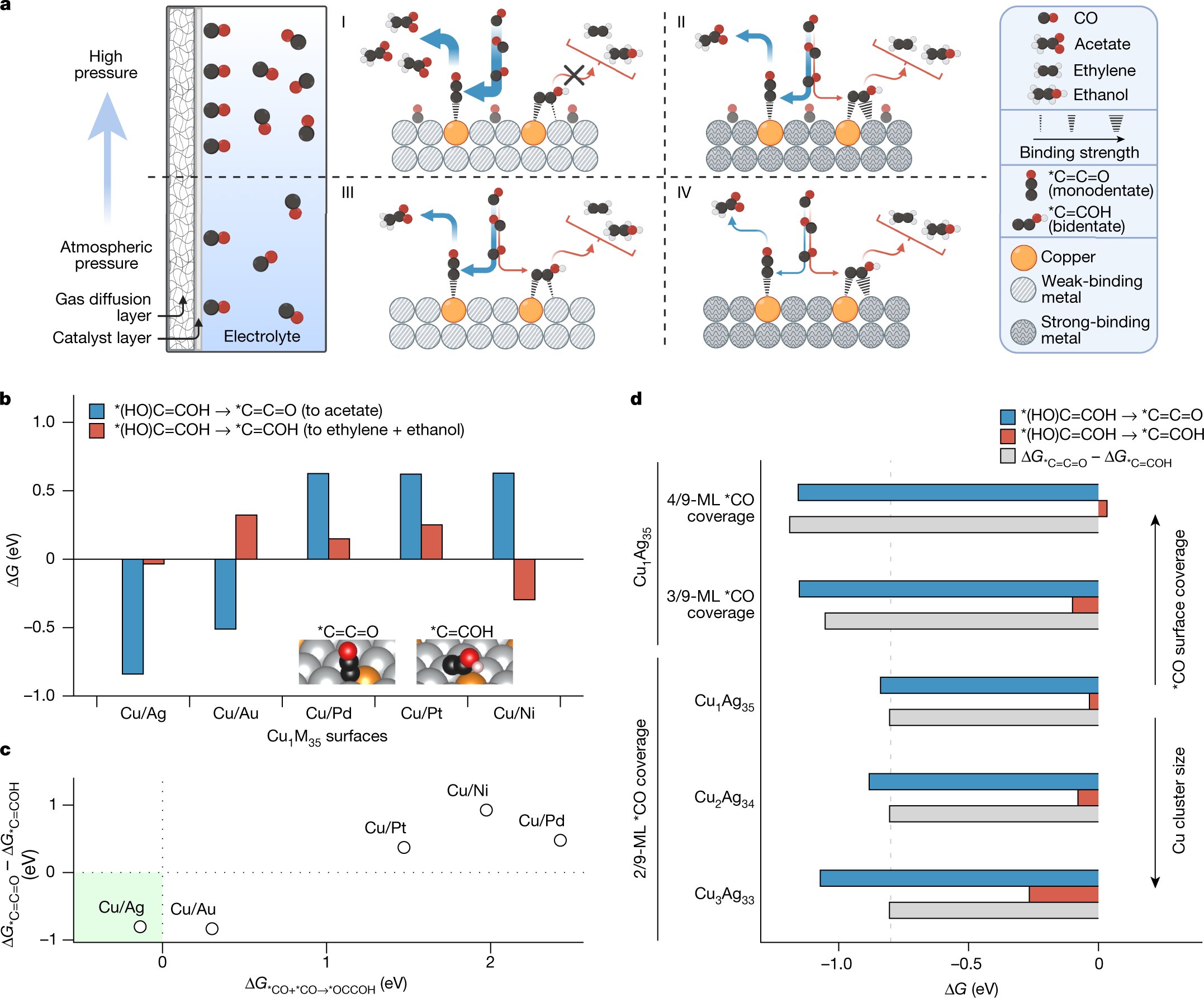
Researchers at Northwestern University have developed a novel catalyst that can convert captured carbon into acetic acid, a key industrial chemical used in the manufacture of paints, coatings, and adhesives. The process uses an electrolyzer to convert captured CO2 into carbon monoxide, which is then transformed into various molecules containing two or more carbon atoms. The new catalyst has a faradic efficiency of 91%, the highest for any multi-carbon product at a scalable current density, and is relatively stable, making it a promising alternative to traditional methods that rely on fossil fuels.