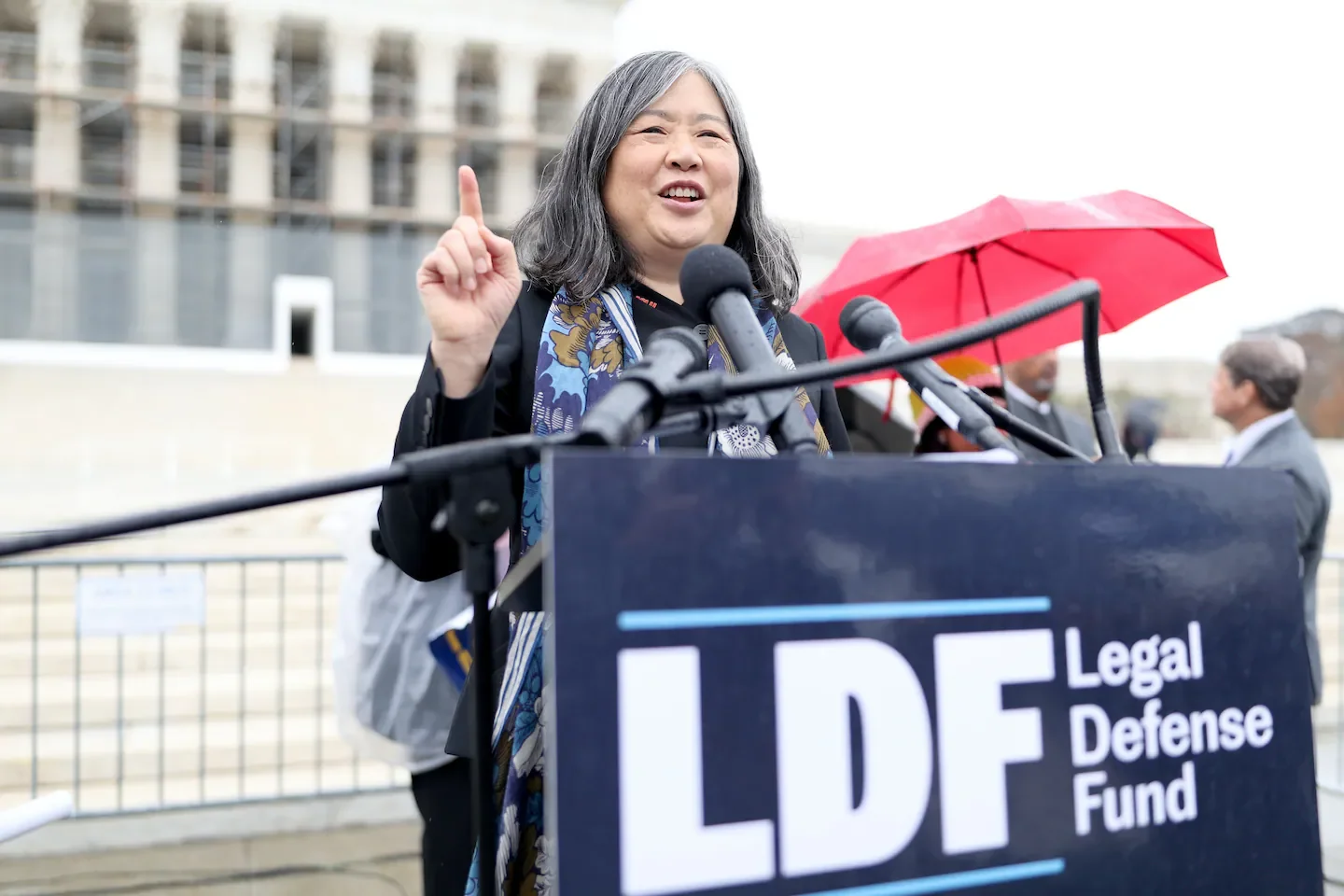
ACLU Legal Director Cecillia Wang, the daughter of immigrants, will argue before the Supreme Court against the Trump administration’s bid to end birthright citizenship for children of undocumented immigrants, a case that hinges on the 14th Amendment and is colored by her own family’s history.
The Supreme Court ruled that Trump exceeded his authority with emergency tariffs, ending that chapter but Trump vows to reimpose tariffs within the law, signaling a new era of uncertainty for the U.S. economy.
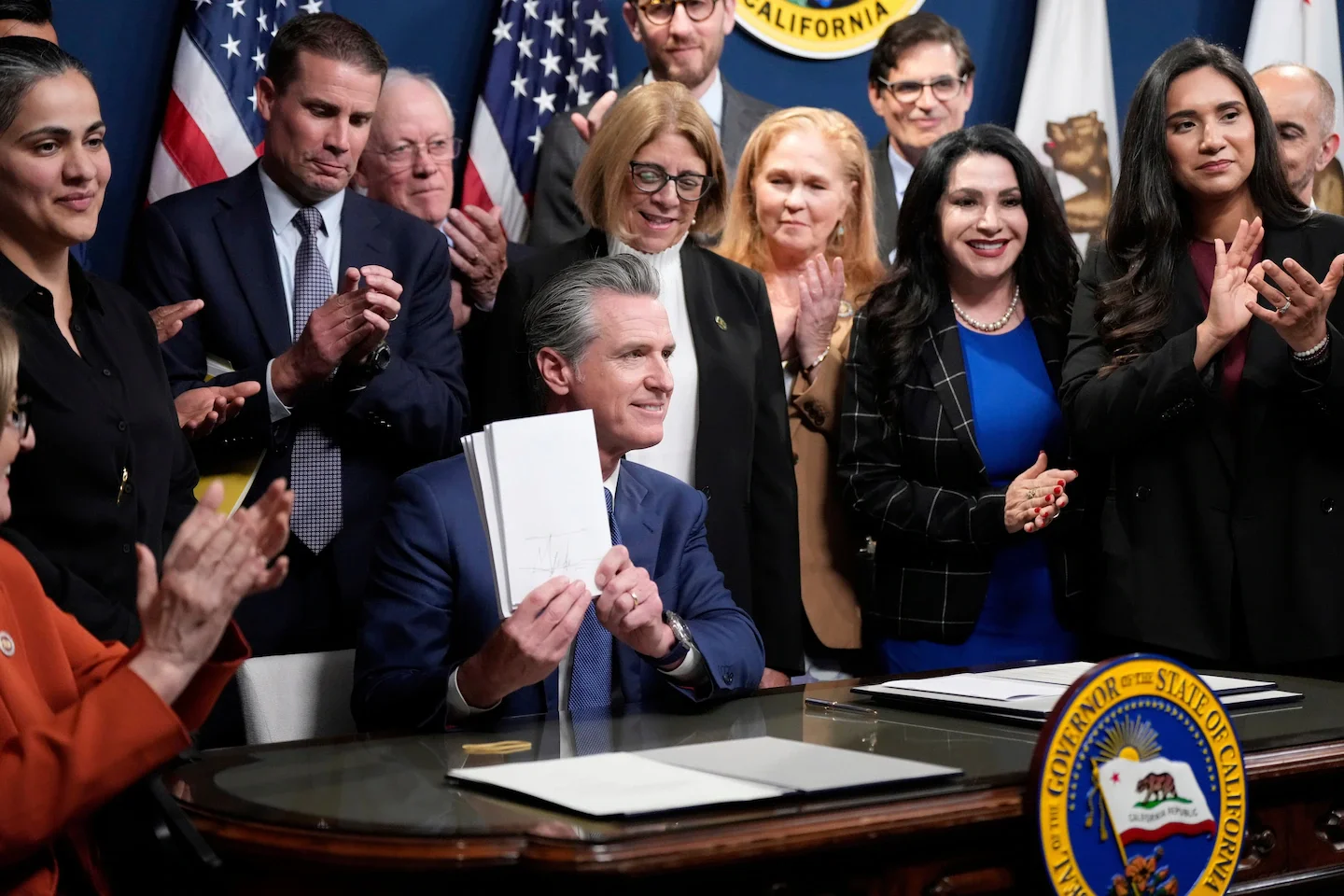
The Supreme Court on Wednesday allowed a new California voting map to stand for now, a development that could help Democrats win up to five additional seats in the U.S. House as liberals and conservatives clash over redistricting ahead of the midterms.
The Supreme Court signaled it is unlikely to allow Trump to immediately fire Fed Governor Lisa Cook, keeping her on the Federal Reserve Board while a lawsuit challenges her removal and limiting presidential influence over the central bank.
The Supreme Court appeared skeptical of Hawaii’s strict gun-carry limits, a case that could shape where people may carry firearms and influence gun laws in California, New York and beyond.
Special counsel Jack Smith urged the Supreme Court to deny former President Donald Trump's bid to halt a decision rejecting his immunity claim in a case related to the 2020 presidential election, arguing that the public interest in a prompt trial is significant. Trump's trial in Washington was initially scheduled to begin on March 4, but has been delayed. The special counsel proposed an expedited schedule for the Supreme Court to hear oral arguments and issue an opinion, emphasizing that Trump's immunity claim is not supported by constitutional principles or history. If the Supreme Court grants Trump's request to stay the lower court's ruling, it is likely to further delay his trial.
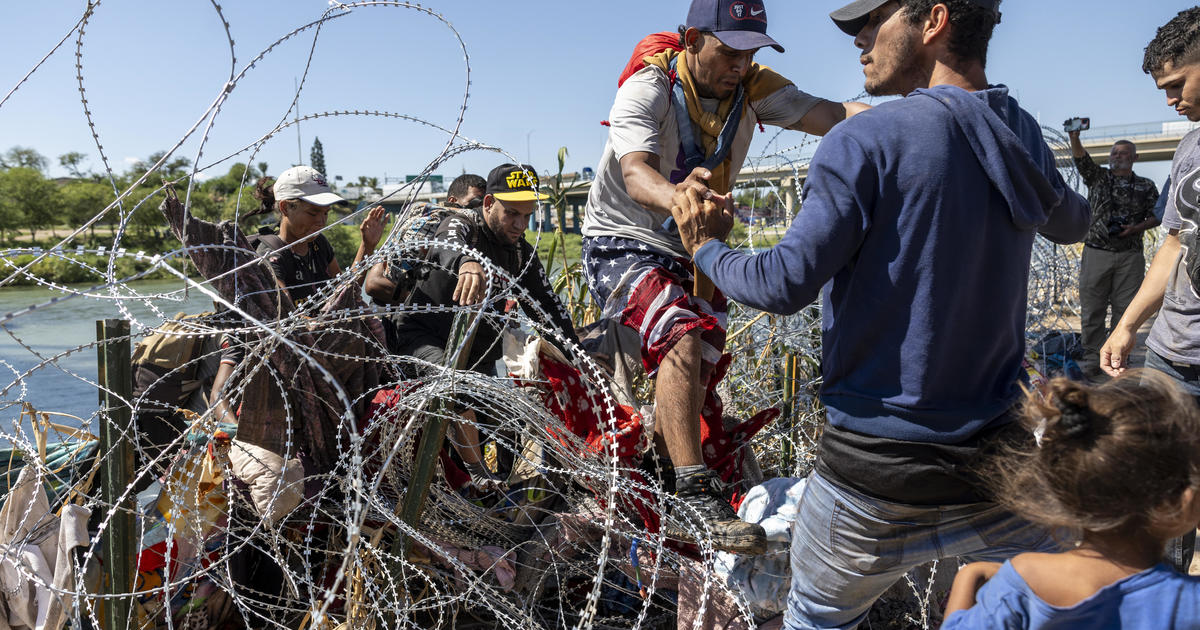
The Supreme Court has allowed the Biden administration to remove razor wire installed by Texas along the U.S.-Mexico border, overturning a lower court ruling that had barred its removal. The Biden administration argued that the razor wire obstructs Border Patrol operations, while Texas officials claimed it deters illegal crossings. The legal dispute between Texas and the Biden administration escalated after Texas used National Guard soldiers to take control of a public park and set up razor wire, blocking federal agents from accessing the area to process migrants.
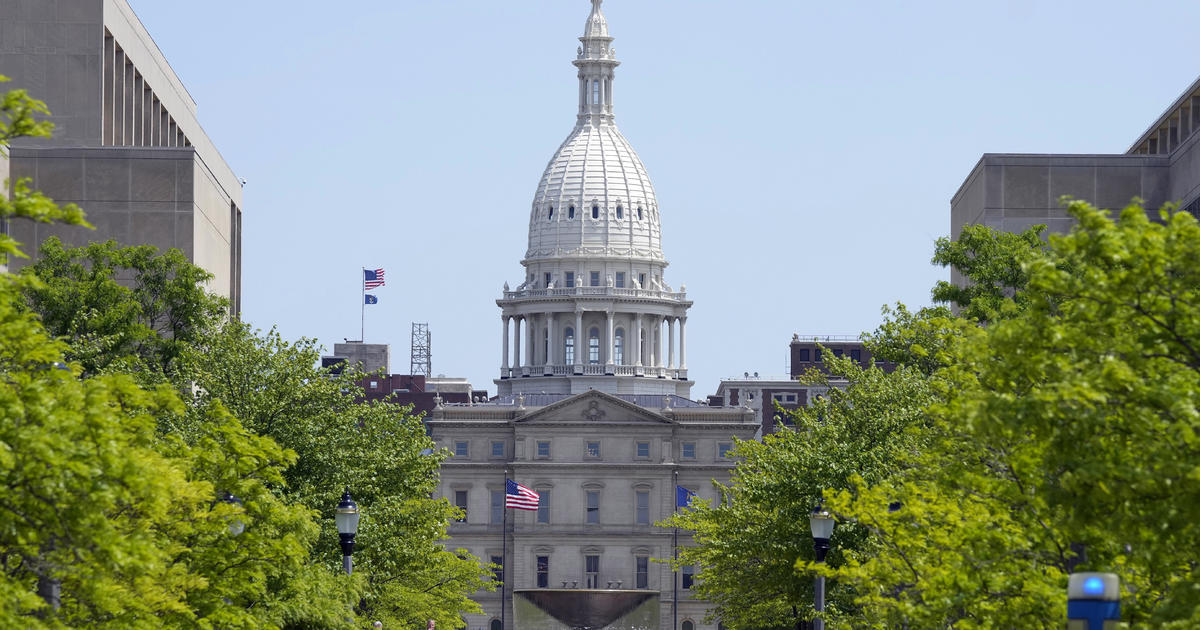
The U.S. Supreme Court declined to overrule a federal appeals court's order for Michigan's redistricting commission to redraw 13 Detroit-area legislative seats, citing illegal racial influence in the 2021 legislative maps. The decision is expected to make the maps more competitive, potentially increasing the number of solidly Democratic "Detroit-focused" districts and affecting suburban districts. The commission has until Feb. 2 to draft new state House maps and until March 29 for the final deadline. This ruling follows a lawsuit by Detroit voters and a 2021 redistricting process that reduced the number of majority-minority districts in the Legislature, leading to a decrease in Black lawmakers and leaving Detroit without Black representation in Congress for the first time since the early 1950s.
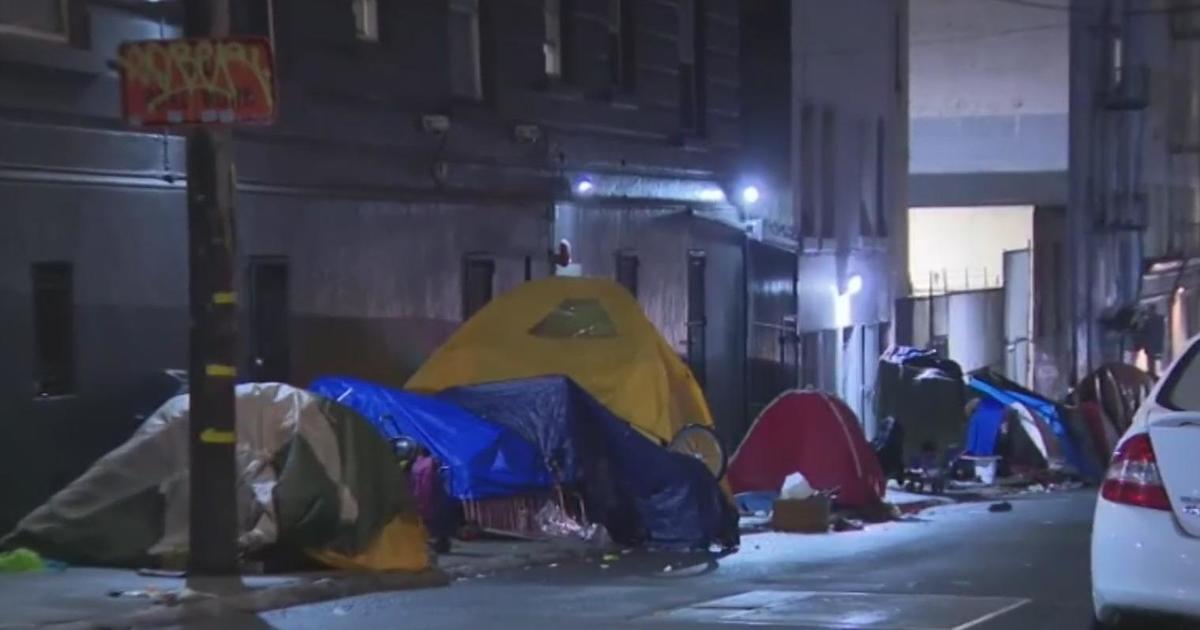
The Supreme Court has agreed to consider whether a city's enforcement of rules prohibiting homeless residents from camping on public property violates the Constitution's protection from cruel and unusual punishment. The case arises from Grants Pass, Oregon, where three ordinances prohibit sleeping on public sidewalks or streets and camping on streets, parks, or other publicly owned property. Homeless residents sued the city, arguing that the ordinances unconstitutionally punished them for seeking shelter, as the city lacks adequate shelter for its homeless population. The 9th Circuit ruled against the city, finding that the ordinances violate the Eighth Amendment, and the Supreme Court's decision will have implications for other states within the 9th Circuit's jurisdiction, including California and Arizona.