Tag

Supplychain

All articles tagged with #supplychain

business1 year ago

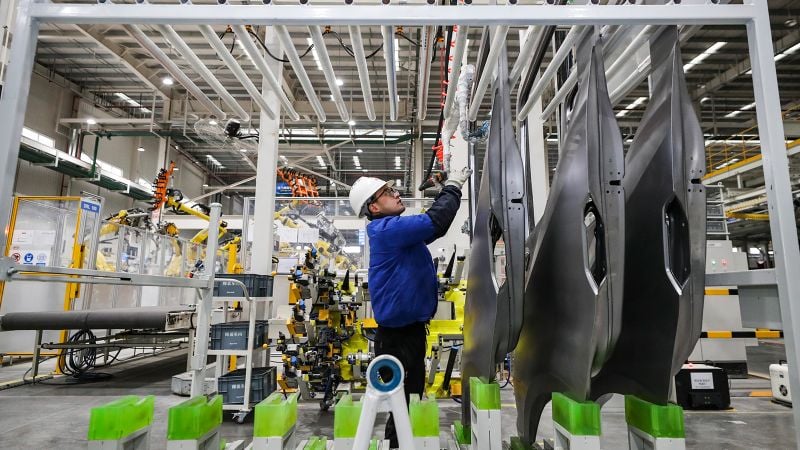
BYD and SAIC Demand Supplier Price Cuts Amid Fierce China EV War

China's leading electric vehicle manufacturer, BYD, is pushing its suppliers to cut prices by 10% next year, highlighting the intense price war in the EV market. This move, part of annual negotiations, reflects the fierce competition initiated by Tesla's price cuts and the oversupply in China's EV market. The pressure on suppliers, who are smaller and less capitalized than OEMs, raises concerns about economic impacts, including potential job losses. The situation underscores the challenges faced by China's EV industry amid global trade uncertainties.


technology1 year ago

Ransomware Hits Software Supplier, Impacting Starbucks and Retailers

A ransomware attack on Blue Yonder, a major supply chain software provider, has disrupted operations for several companies, including Starbucks and U.K. grocers Morrisons and Sainsbury's. The attack affected systems managing barista schedules and warehouse operations, prompting companies to use manual workarounds and contingency plans. While Starbucks has resumed payroll processing, recovery efforts are ongoing. Blue Yonder, a subsidiary of Panasonic, is working with cybersecurity firms to address the issue.

technology1 year ago

Ransomware Attack Disrupts Retail Supply Chains and Payroll Systems

Blue Yonder, a supply chain management firm, experienced a ransomware attack that disrupted its managed services, affecting grocery store chains in the UK. The company, which serves major clients like Morrisons and Sainsbury, is working with cybersecurity experts to recover but has not provided a timeline for full restoration. No ransomware group has claimed responsibility yet.

business1 year ago

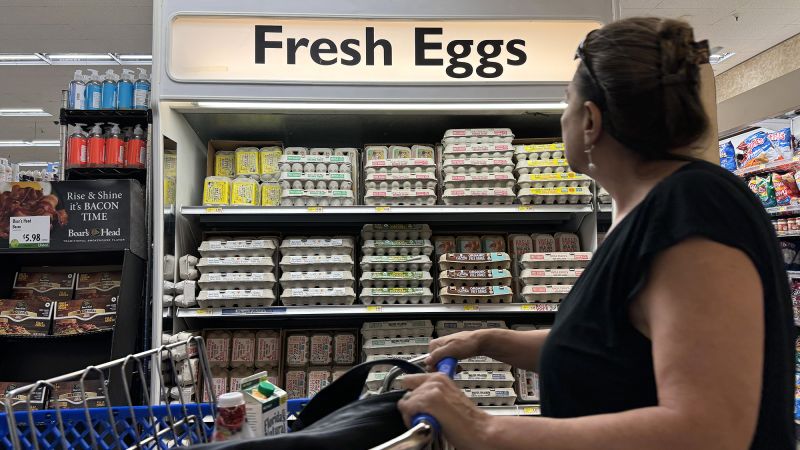
Egg Prices Soar Amid Avian Flu and Holiday Demand

Egg prices have surged due to a combination of avian flu outbreaks and increased holiday demand. The avian flu has significantly reduced the egg supply, killing millions of egg-laying birds, which has led to a 30.4% increase in egg prices compared to last year. The holiday season exacerbates this issue as demand for eggs rises for cooking and baking. Some grocery stores are trying to absorb the cost increases to avoid losing customers, but the overall market is experiencing volatility and higher prices.

business1 year ago

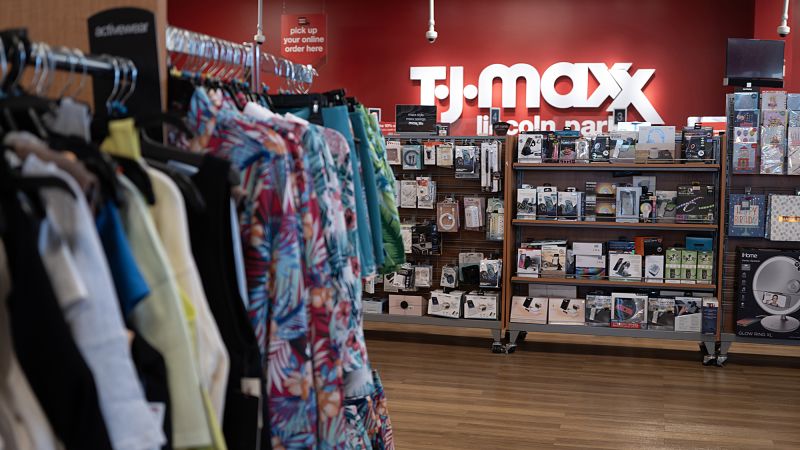
TJ Maxx Sees Opportunity in Tariff Turmoil

TJ Maxx's parent company, TJX, sees potential benefits from President-elect Donald Trump's proposed tariffs on US imports, as the resulting supply chain disruptions could create opportunities for the discount retailer to acquire designer goods at lower prices. Unlike many retailers, TJX imports a small portion of its merchandise and relies on buying excess stock from brands, allowing it to maintain competitive pricing even if tariffs lead to higher costs for other companies. This strategy contrasts with retailers like Walmart and Lowe's, which may need to raise prices due to increased import costs.

business1 year ago

Rising Car Prices: Americans Face $50K Average for New Vehicles

The average price of a new car in the U.S. has surged to $47,612, nearly $10,000 more than pre-pandemic levels, driven by supply chain disruptions, a consumer shift towards larger vehicles, and automakers focusing on higher-priced models. American automakers have largely abandoned cheaper sedans in favor of SUVs and trucks, pushing average prices at companies like GM and Ford above $50,000. High interest rates have temporarily restrained further price increases, but potential tariff policies could drive costs even higher.

business1 year ago

Apple's MacBook Overhaul: Delays, Rumors, and Future Vision

Apple has delayed the release of its OLED MacBook Air due to high costs and limited supplier options, primarily relying on Samsung Display. The company aims to reduce expenses by waiting for more favorable market conditions, as current OLED panel prices are not competitive enough. This decision follows lower-than-expected sales of OLED iPad Pros, indicating that OLED displays alone may not drive consumer demand.

economy2 years ago

"December ISM Services Dip to 50.6 Signals Sharp Activity Decline and Employment Low, Impacting Gold and Bonds"

The US December ISM services index came in at 50.6, lower than the expected 52.6, indicating a slower expansion in the service sector than anticipated. Key components such as the employment index and prices paid index also showed a decline, suggesting dovish economic conditions. Comments from various sectors highlighted issues like high beef prices, Panama Canal congestion, labor constraints, and the need for expense reduction. Despite these challenges, some areas like mining and retail trade reported positive trends, and there is a general sense of stability returning to supply chains. The report is considered a forward-looking indicator, contrasting with the lagging nature of non-farm payrolls data.

business-and-economy2 years ago

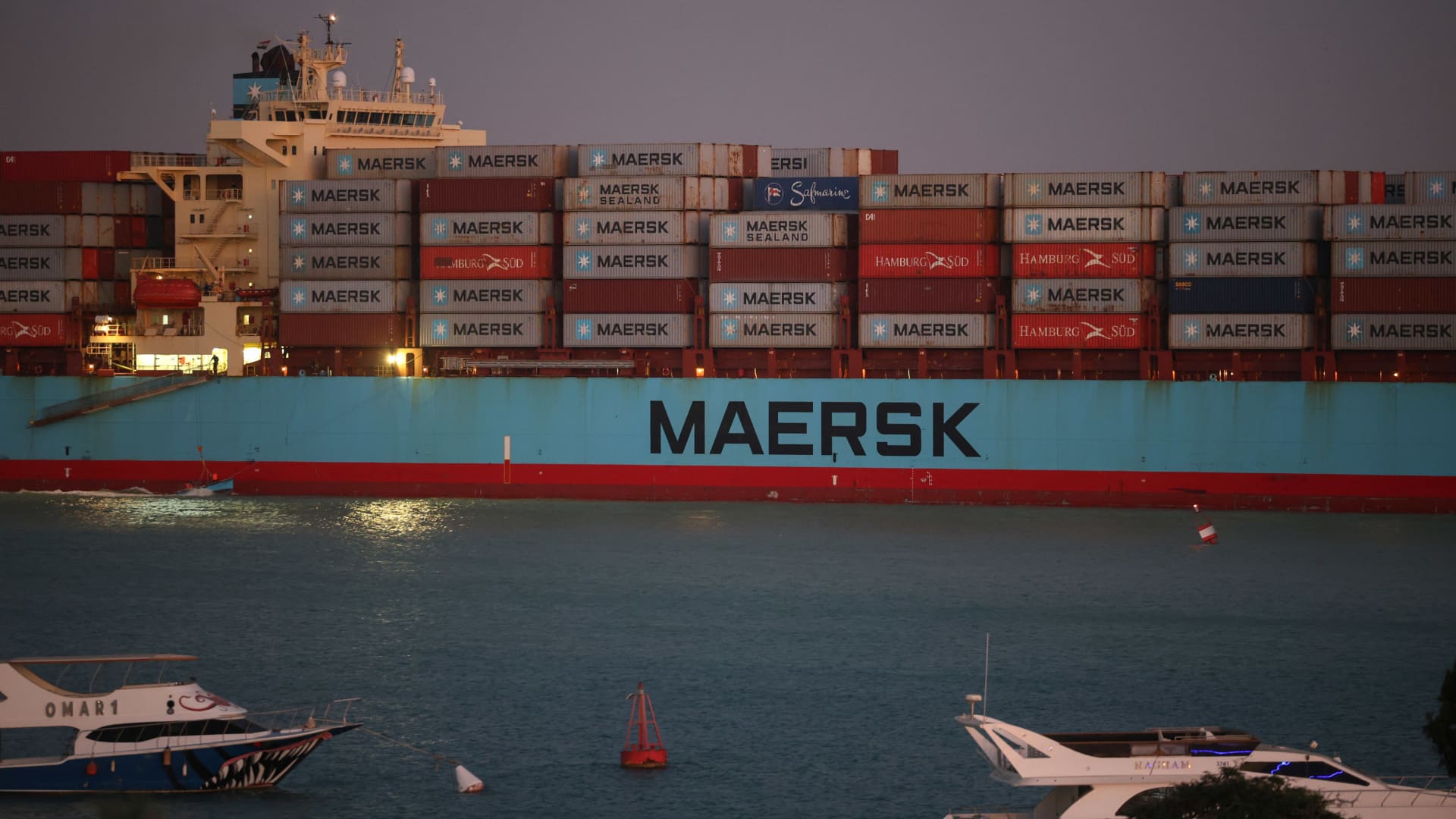
"Maersk Reroutes Ships Amid Red Sea Tensions as Shipping Costs Surge"

Maersk, a Danish shipping giant, has decided to continue rerouting its vessels away from the Red Sea due to ongoing security threats from Houthi militants, impacting the traditional Suez Canal route between Europe and Asia. This decision aims to provide more predictability for customers despite expected delays. The rerouting has led to increased ocean freight rates as ships take longer journeys, such as the Cape of Good Hope route. Other companies, like Hapag-Lloyd, are also avoiding the Red Sea for safety reasons, and European firms are warning of product delays due to these supply chain disruptions.

business-and-finance2 years ago

"Rising Freight Costs and Red Sea Tensions Threaten Global Economy and Inflation"

Shipping stocks have surged due to increased freight costs following tensions in the Red Sea, which have led to rerouted shipping lanes and reduced container availability. Major carriers like Maersk and Hapag-Lloyd have seen significant stock price increases, with analysts upgrading their price targets in anticipation of higher earnings. The rerouting of ships due to Houthi rebel attacks has extended travel distances by 30%, causing a spike in freight costs and potential supply chain disruptions, particularly for the Asia-Europe trade route.

business-and-finance2 years ago

"Mobileye's Revenue Warning Sends Stock Tumbling Amid Supply Concerns"

Mobileye, a self-driving tech company owned by Intel, has seen its shares drop by up to 25% after forecasting a significant decrease in customer orders for Q1 2024 due to excess inventory. Automakers had overstocked on Mobileye's chips to mitigate past supply chain disruptions, but as these concerns have subsided, the company expects a reduction in new orders. Despite the recent plunge, shares are still up around 12% from the IPO price. Intel, which took Mobileye public again in 2022, retains an 88% stake in the company.

business-and-finance2 years ago

"Mobileye's Revenue Forecast Woes Trigger Stock Plunge and Auto Chip Sector Tremors"

Mobileye Global, an autonomous driving technology company, has projected its fiscal 2024 revenue to be significantly lower than market estimates, anticipating a decrease in customer orders as they manage excess inventory. This announcement led to a sharp 26% drop in the company's shares in premarket trading. Mobileye expects a roughly 50% decline in first-quarter revenue year-over-year and forecasts total fiscal 2024 revenue to be between $1.83 billion and $1.96 billion, below the expected $2.58 billion.

business-and-finance2 years ago

"Red Sea Route Diversions Trigger 173% Surge in Spot Container Shipping Rates"

Shipping rates for container shipping from Asia to northern Europe have surged by 173% due to reduced capacity, attributed to threats in the Red Sea. This has led to a 28% decrease in Suez Canal traffic over the past ten days. The increased rates come at a critical time ahead of the Chinese Lunar New Year, raising concerns about potential congestion and further impacts on global trade.

business-and-economy2 years ago

"U.S. Manufacturing Slump Persists in December Despite Hopes of Revival"

The December 2023 Manufacturing ISM® Report On Business® indicates that the U.S. manufacturing sector contracted for the 14th consecutive month, with the Manufacturing PMI® at 47.4%, slightly up from November's 46.7%. Key findings show new orders and backlogs contracting, while production slightly expanded. Employment contracted, supplier deliveries were faster, and raw materials inventories shrank. Customers' inventories were reported as too low, and both prices and exports and imports were decreasing. The only industry reporting growth was Primary Metals, with 16 others contracting. The overall economy continued to contract for the third month, suggesting a cautious outlook for manufacturing heading into 2024.