Tag

Automotiveindustry

All articles tagged with #automotiveindustry

Lucid's New Gravity SUV: A Game-Changer in the Electric Vehicle Market

Originally Published 1 year ago — by TheStreet

Featured image for Lucid's New Gravity SUV: A Game-Changer in the Electric Vehicle Market
Source: TheStreet

Lucid Motors has begun production of its new Gravity SUV, a seven-seat electric vehicle, at its Arizona factory, marking a crucial step for the company as it seeks to expand beyond its Air sedan. The Gravity SUV, which boasts a range of up to 440 miles, is seen as vital for Lucid's financial turnaround, given its recent substantial losses and reliance on the Saudi Public Investment Fund for financial support. While production of the lower-priced Touring trim won't start until late 2025, Lucid is also planning a mid-size SUV platform aimed at competing with Tesla's popular models, though production is not expected until late 2026.
Chinese Automakers Expand in Mexico Amid U.S. Tariff Concerns

Originally Published 1 year ago — by The New York Times

Featured image for Chinese Automakers Expand in Mexico Amid U.S. Tariff Concerns
Source: The New York Times

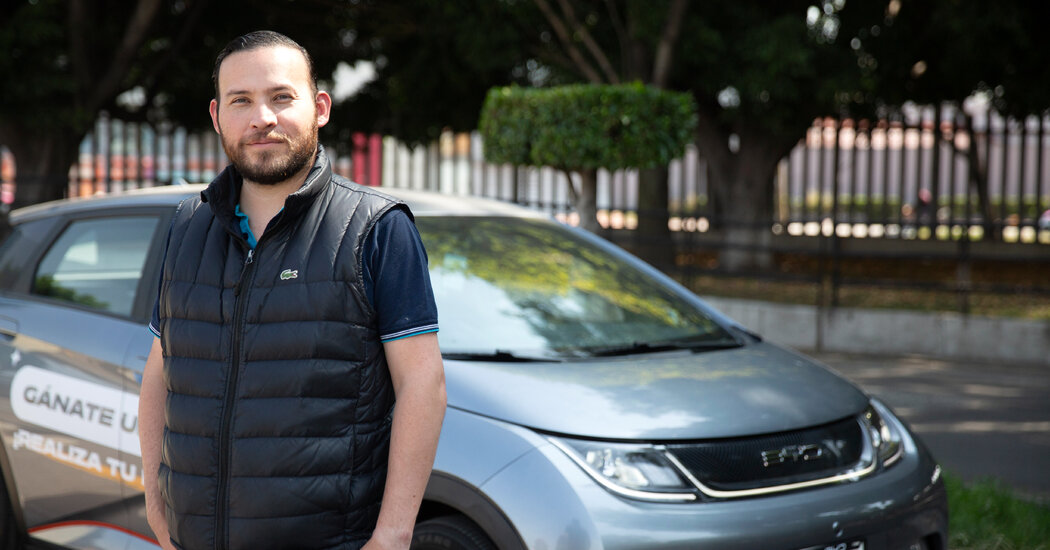
Chinese car manufacturers are rapidly expanding their presence in Mexico, using it as a strategic base to potentially enter the U.S. market. This move highlights the growing influence of Chinese automotive companies in North America and their competitive positioning against established global carmakers.

Rush to Buy EVs Before Potential Tax Credit Cuts in 2025

Originally Published 1 year ago — by Electrek.co

Featured image for Rush to Buy EVs Before Potential Tax Credit Cuts in 2025
Source: Electrek.co

Electric vehicle (EV) sales in the U.S. are expected to surge in the final months of the year as buyers rush to take advantage of significant discounts that may disappear in 2025. This anticipated increase is driven by reports that President-Elect Trump plans to eliminate the $7,500 federal tax credit for clean car buyers. Currently, discounts on some EV models can reach up to $20,000, with incentives and lease deals contributing to the growth. The potential policy change is prompting consumers to act quickly to secure these savings before they potentially vanish.

NIO's Q3: Flat Net Loss, Improved Margins Amid Revenue Challenges

Originally Published 1 year ago — by Investor Relations | NIO Inc.

NIO Inc. reported its unaudited financial results for Q3 2024, with total revenues of RMB18.67 billion (US$2.66 billion) and vehicle deliveries of 61,855 units, marking an 11.6% increase from Q3 2023. Despite a 31.8% rise in gross profit to RMB2.01 billion, the company faced a net loss of RMB5.06 billion (US$721 million), up 11% year-over-year. NIO's vehicle margin improved to 13.1%, and the company anticipates record deliveries in Q4 2024. Recent developments include the launch of the ONVO L60 and strategic investments in NIO China.

Rising Car Prices: Americans Face $50K Average for New Vehicles

Originally Published 1 year ago — by CNN

Featured image for Rising Car Prices: Americans Face $50K Average for New Vehicles
Source: CNN

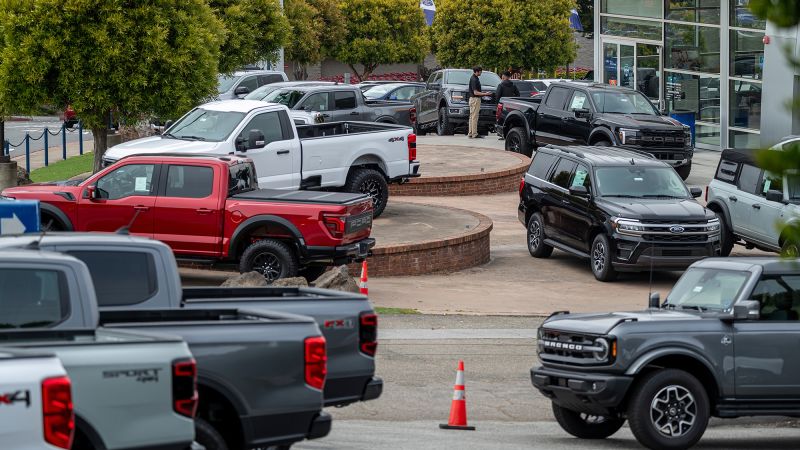
The average price of a new car in the U.S. has surged to $47,612, nearly $10,000 more than pre-pandemic levels, driven by supply chain disruptions, a consumer shift towards larger vehicles, and automakers focusing on higher-priced models. American automakers have largely abandoned cheaper sedans in favor of SUVs and trucks, pushing average prices at companies like GM and Ford above $50,000. High interest rates have temporarily restrained further price increases, but potential tariff policies could drive costs even higher.

Advance Auto Parts to Close Hundreds of Stores Nationwide Amid Struggles

Originally Published 1 year ago — by OregonLive

Featured image for Advance Auto Parts to Close Hundreds of Stores Nationwide Amid Struggles
Source: OregonLive

Advance Auto Parts is closing over 500 stores, including nine in Oregon, as part of a strategic plan to improve its struggling business. The closures, which also include four distribution centers and 204 independent locations, are expected to impact 96 employees in Oregon. Despite these reductions, the company plans to accelerate new store openings and standardize operations. Advance Auto reported a $6 million loss in Q3 and has lowered its full-year revenue outlook. The company recently sold its Worldpac business for $1.5 billion to Carlyle.

Trump's Policies Stir Uncertainty for EV Industry's Future

Originally Published 1 year ago — by Business Insider

Featured image for Trump's Policies Stir Uncertainty for EV Industry's Future
Source: Business Insider

Tesla's $10 billion gigafactory project in Mexico is uncertain following Donald Trump's presidential victory, as he plans to impose high tariffs on vehicles imported from Mexico. This move could disrupt the US automotive industry, affecting companies like Tesla, Ford, and General Motors, which rely on Mexican production for cost-effective manufacturing. Analysts warn that such tariffs could lead to higher consumer prices and complicate investment decisions for automakers with operations in Mexico.

Rivian Faces Mounting Losses Amid Revenue Shortfalls and Investor Optimism

Originally Published 1 year ago — by Jalopnik

Featured image for Rivian Faces Mounting Losses Amid Revenue Shortfalls and Investor Optimism
Source: Jalopnik

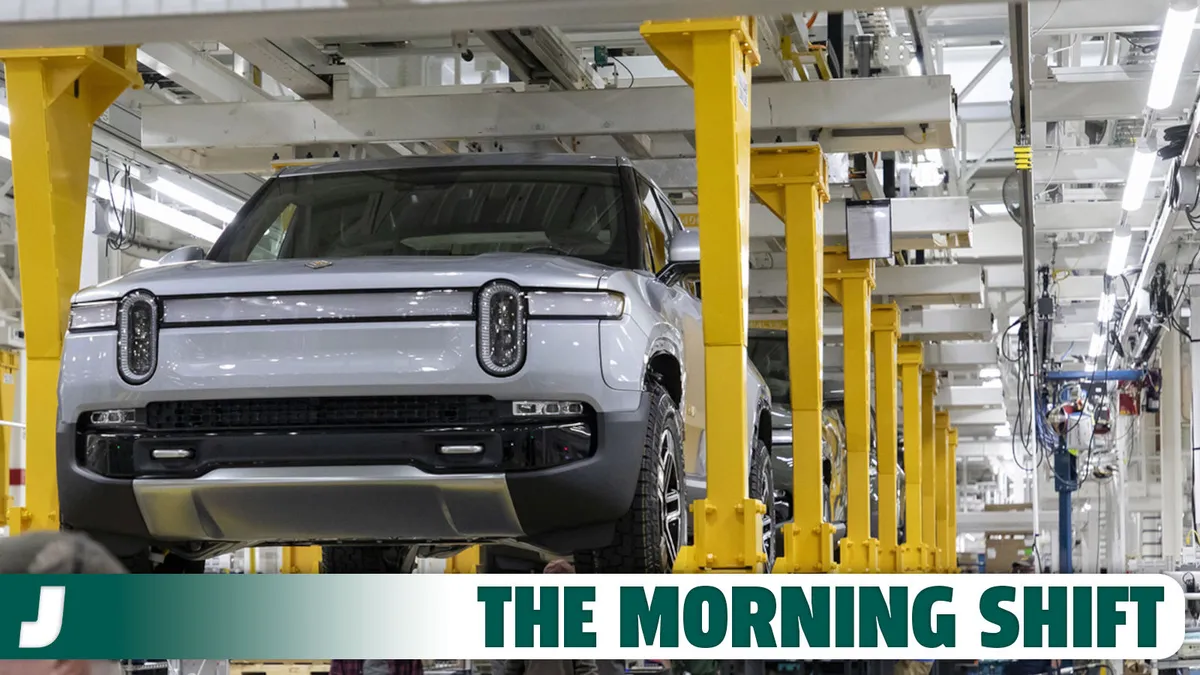
Rivian continues to face significant financial challenges, losing nearly $40,000 on each electric vehicle it produces, with a $1.1 billion loss reported in the last quarter. The company's revenue fell by 35% due to production and sales declines, partly caused by supply chain issues. Despite these setbacks, Rivian's stock saw a slight increase, and the company holds $5.4 billion in cash reserves. Rivian has adjusted its production targets for the year, hoping to boost future sales with new vehicle models.

"Stellantis Opts Out of Super Bowl Ads and Auto Shows, Signaling Industry Shift"

Originally Published 2 years ago — by Yahoo! Voices

Featured image for "Stellantis Opts Out of Super Bowl Ads and Auto Shows, Signaling Industry Shift"
Source: Yahoo! Voices

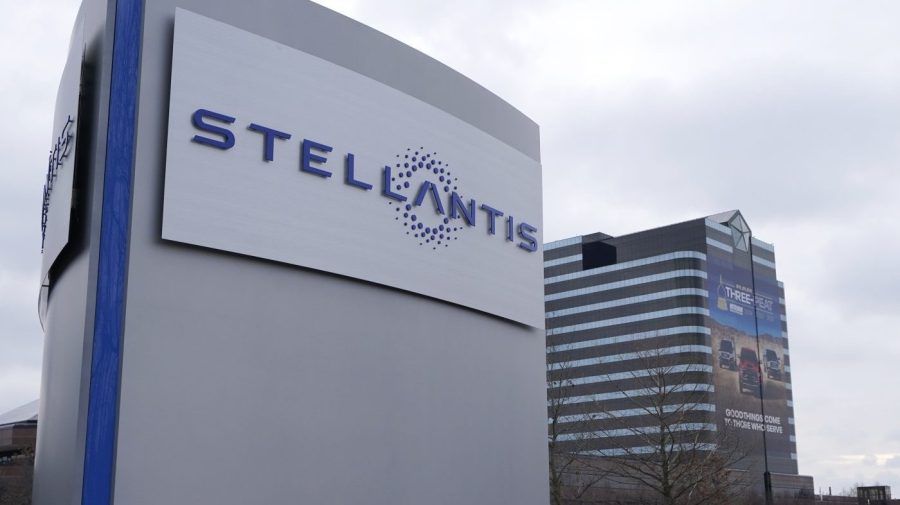
Stellantis, the parent company of Jeep, Chrysler, and Ram, has announced it will not advertise during the Super Bowl, citing the need to preserve business fundamentals amid a challenging U.S. automotive market. This decision follows a similar move by General Motors (GM) and comes after both companies were affected by a six-week UAW strike, which led to ratified contracts with significant wage increases and cost of living adjustments. The cost of a 30-second Super Bowl ad in 2023 was nearly $7 million, and GM reported a $1.1 billion loss due to the strike.

"Stellantis Opts Out of Super Bowl LVIII Ads and Chicago Auto Show"

Originally Published 2 years ago — by Detroit News

Featured image for "Stellantis Opts Out of Super Bowl LVIII Ads and Chicago Auto Show"
Source: Detroit News

The Detroit Three automakers—Stellantis NV, General Motors Co., and Ford—have decided not to purchase advertising spots for the 2024 Super Bowl, despite the Detroit Lions' successful season. With ad prices at around $7 million for a 30-second spot, the companies are reevaluating their marketing expenditures in light of a challenging U.S. automotive market and the need to protect profit margins amid expected sales growth moderation and high interest rates. Stellantis, which aired two commercials in the previous year's game, is also reconsidering its participation in auto shows, starting with skipping the Chicago Auto Show. GM and Ford have also indicated a strategic shift in their media strategies, with Ford's CEO previously suggesting that investing in Super Bowl ads for electric vehicles would be a negative signal for the company's stock.

"BYD Dethrones Tesla as EV Leader Amid Intensifying Global Rivalry"

Originally Published 2 years ago — by CNBC

Featured image for "BYD Dethrones Tesla as EV Leader Amid Intensifying Global Rivalry"
Source: CNBC

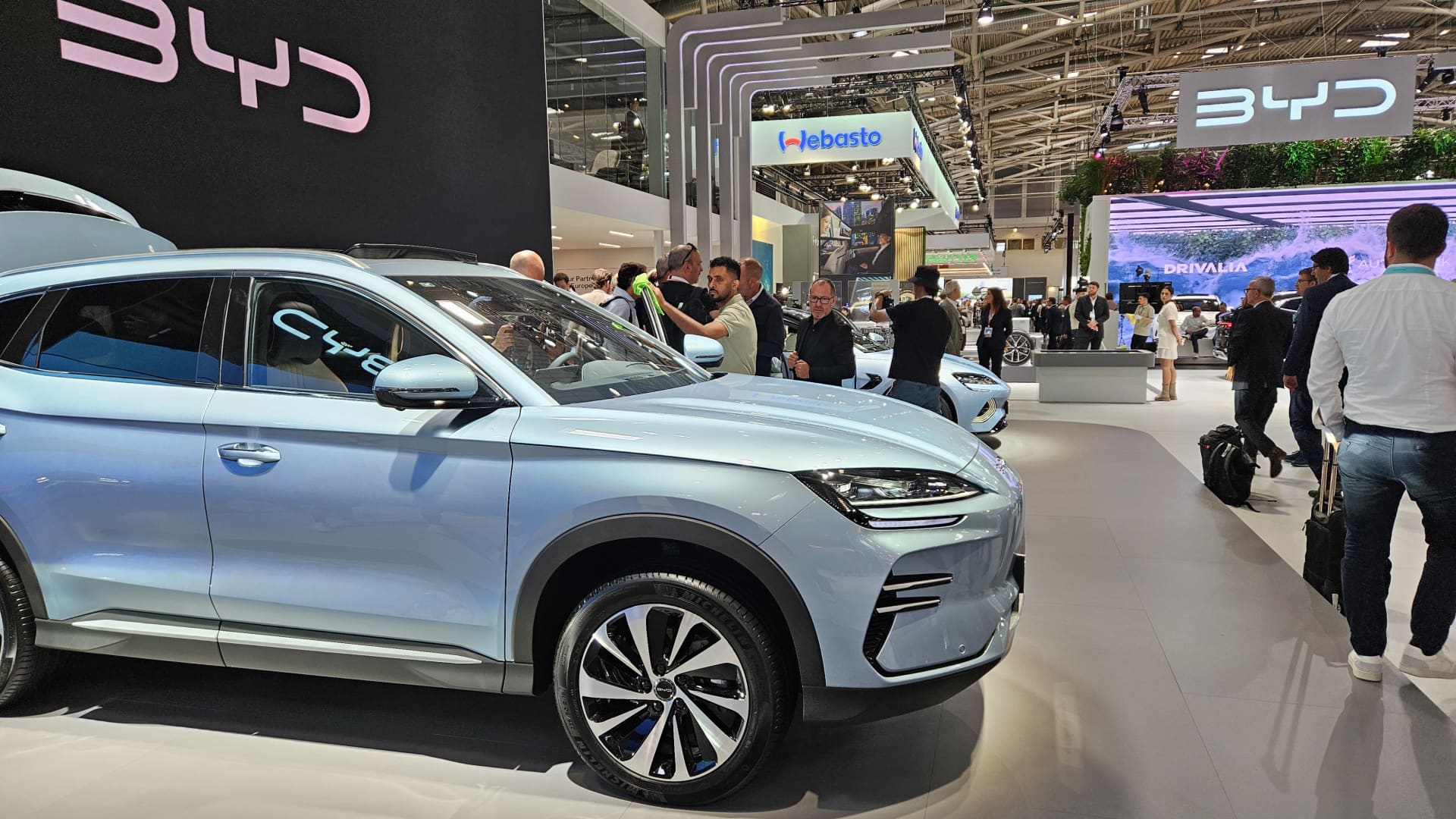
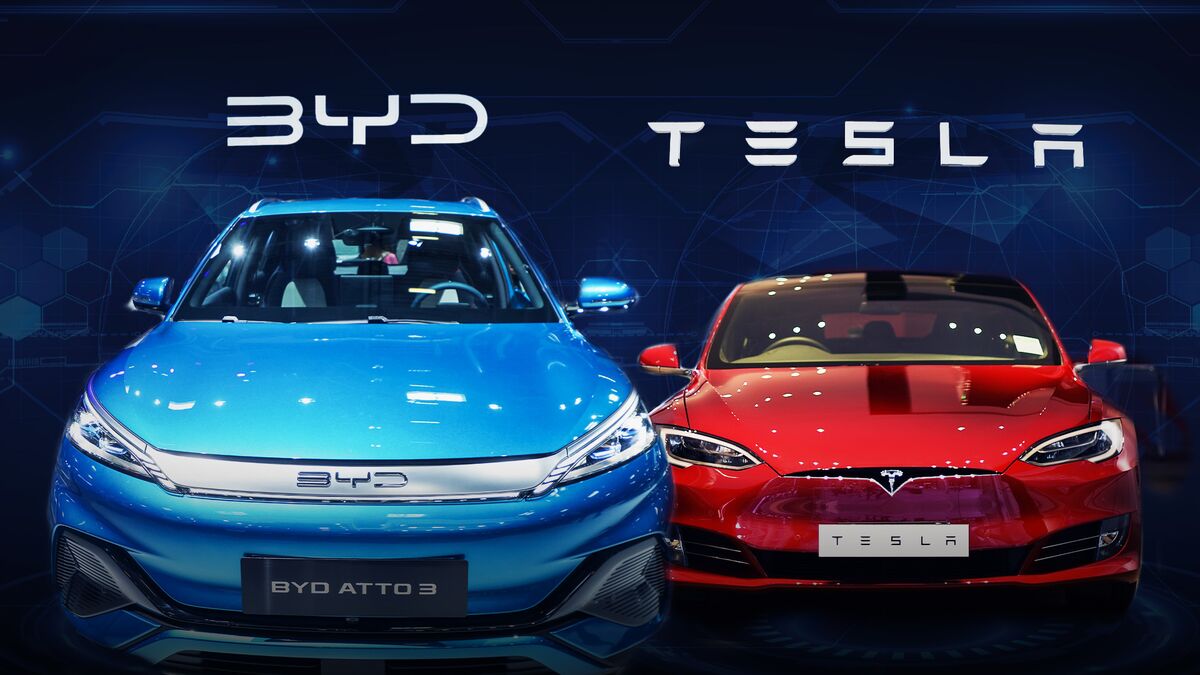
BYD, a Chinese automaker initially underestimated by Elon Musk, has surpassed Tesla as the top electric vehicle (EV) maker in the fourth quarter of 2023. Founded in 1995 and starting as a battery manufacturer, BYD's strategic investments and diversification into various sectors, including autos and semiconductors, have fueled its rise. The company's success is attributed to its innovative Blade battery technology, a focus on hybrid vehicles during the early stages of China's EV market, and substantial government support. With a strong domestic presence, BYD is now expanding globally, facing political challenges but continuing to grow, while Tesla faces stiffer competition and a less certain growth trajectory.

"BYD Dethrones Tesla in EV Sales Race as Musk Reacts to Shifting Dynamics"

Originally Published 2 years ago — by Bloomberg

Featured image for "BYD Dethrones Tesla in EV Sales Race as Musk Reacts to Shifting Dynamics"
Source: Bloomberg

BYD Co., a Chinese carmaker, has overtaken Tesla as the world's largest electric vehicle manufacturer. Initially a battery producer, BYD's rise to the top is attributed to its strategy of vertical integration, producing most components in-house, which has allowed it to produce EVs more affordably. This approach has enabled BYD to offer a diverse range of low-cost EVs, boosting sales and facilitating its expansion into global markets.

Fisker Shifts Gears with Hybrid Sales Strategy and Dealer Partnerships

Originally Published 2 years ago — by TechCrunch

Featured image for Fisker Shifts Gears with Hybrid Sales Strategy and Dealer Partnerships
Source: TechCrunch

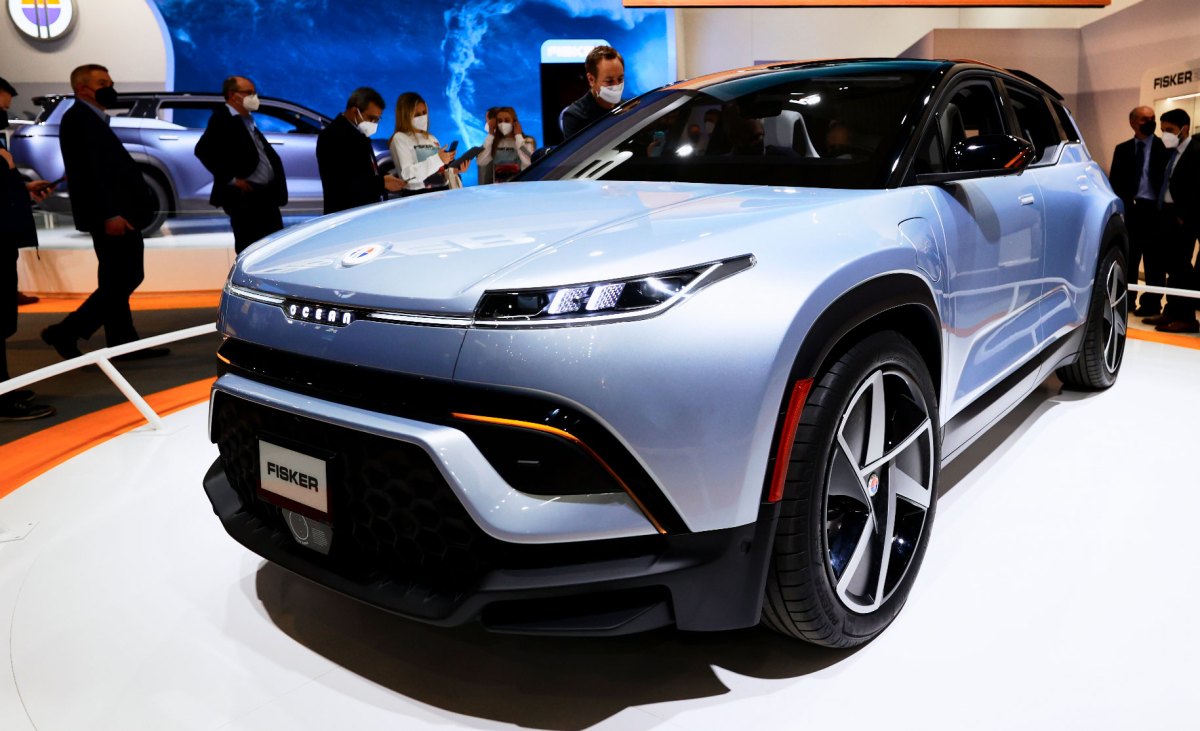
Fisker, an electric vehicle startup, is significantly underperforming against its internal sales targets and CEO Henrik Fisker's public goal of delivering 300 EVs per day. Internal documents reveal that the company often sold only one to two dozen Ocean SUVs daily in North America, prompting a shift in strategy to partner with dealerships instead of relying solely on direct sales. Despite initial claims of strong demand, Fisker has had to cut production forecasts and has only delivered about 4,700 of the 10,142 Oceans built by Magna in 2023, citing software issues and supplier troubles as contributing factors to the slow rollout.

"Ford Achieves Strongest US Sales Growth Since 2020, Outpacing Rivals Despite SUV Dip"

Originally Published 2 years ago — by Fox Business

Featured image for "Ford Achieves Strongest US Sales Growth Since 2020, Outpacing Rivals Despite SUV Dip"
Source: Fox Business

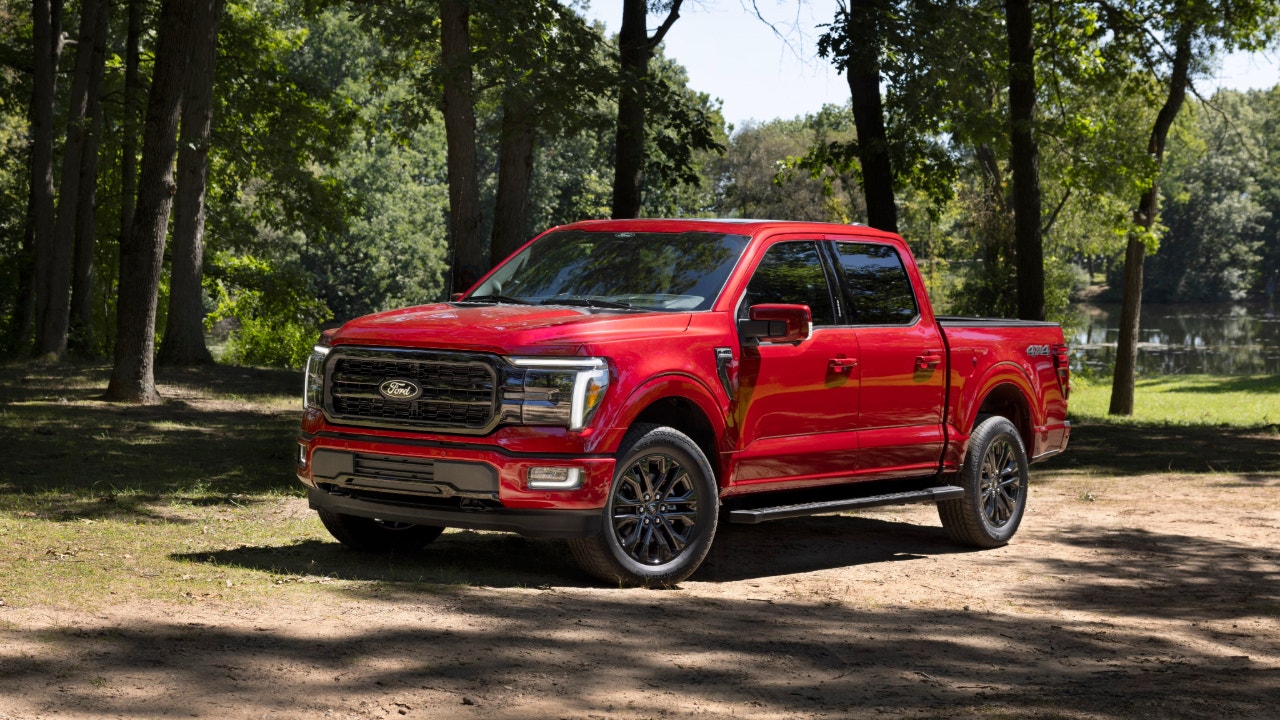
Ford announced a 7.1% increase in U.S. vehicle sales for 2023, reaching nearly two million units, the highest since 2020. The F-Series trucks continued to lead with a 15% sales increase, maintaining their status as America's best-selling truck for 47 consecutive years. Hybrid sales grew by 25%, and electric vehicle sales, including the F-150 Lightning and Mustang Mach-E, rose by 18%. Ford remains the second-most popular electric vehicle seller in the U.S. after Tesla. The company is preparing for 2024 with new versions of popular models and anticipates a strong year for its Lincoln brand.