Analysts raised Micron Technology's price target on expectations that memory supply will remain tight through 2026, a backdrop that could support MU as demand for DRAM and NAND stays solid despite market volatility.
Silver prices are poised for a significant rise towards $100 by 2026, driven by structural supply constraints, increasing industrial demand, and supportive monetary policies like Fed liquidity injections, amid a long-term bullish breakout and rising physical shortages.
Copper prices are nearing $12,000 per ton in 2025, driven by trade tensions, supply constraints, and strong demand from the energy transition and AI infrastructure, with forecasts suggesting prices could reach $13,000 in 2026 amid ongoing supply stress and production challenges.
A US presidential order allows 401(k) retirement plans to include Bitcoin investments, potentially channeling billions into digital assets. With Bitcoin reserves on exchanges at a seven-year low and companies holding nearly 5% of total supply, increased demand from retirement funds could significantly impact the market, especially if ETFs like BlackRock’s Bitcoin Trust gain traction.
The ROAD to Housing Act of 2025, a bipartisan bill supported by numerous housing stakeholders, aims to address the US housing crisis by increasing supply, improving affordability, and modernizing housing programs through reforms in zoning, land use, and federal oversight, with broad backing from industry groups, local governments, and advocacy organizations.
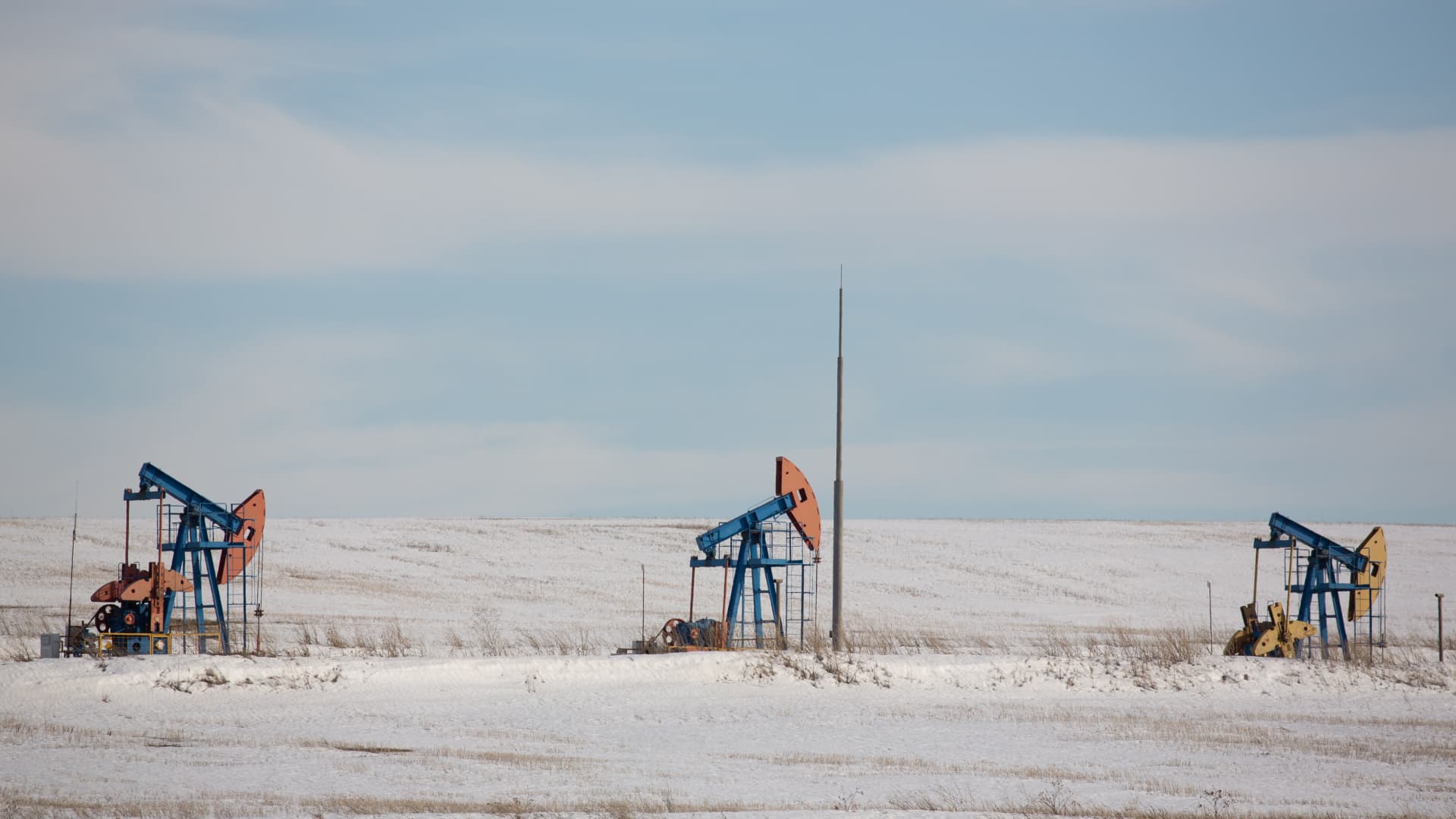
Oil prices fell by 3% this week as concerns over supply risks from the Israel-Hezbollah conflict eased and the prospect of increased supply in 2025 emerged. Brent crude closed at $72.94 a barrel, while U.S. West Texas Intermediate settled at $68. The ceasefire in the Middle East has reduced oil's risk premium, and the International Energy Agency anticipates a surplus of over 1 million barrels per day in 2025. OPEC+ is expected to extend output cuts in its upcoming meeting, now rescheduled to December 5.
Crypto miners are accumulating bitcoin in anticipation of a supply cut, as the cryptocurrency's supply is set to be reduced by half in May. This move is expected to drive up the price of bitcoin, prompting miners to hoard the digital currency in preparation for the impending scarcity.
Grayscale Investments research head Zach Pandl stated that there is not enough bitcoin to meet the increasing demand, leading to higher prices, as US-listed bitcoin exchange-traded funds have been purchasing an average of 3,500-4,300 coins daily, while only 900 coins are created each day by the bitcoin network. The upcoming "halving" event, which will reduce the daily supply of new coins to 450, may exacerbate the supply issues.
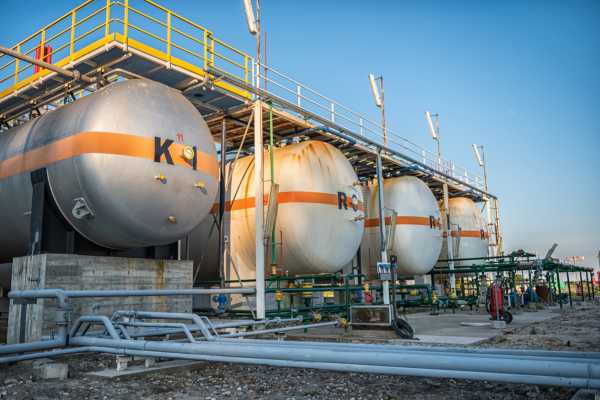
Natural gas markets continue to fall, hovering around the crucial $2.00 level, with significant support expected at this level. The demand for natural gas is likely to decrease due to an oversupply caused by a disappointing winter. A range between $2 and $3 is anticipated, with caution advised as the market undergoes a bottoming process, but potential opportunities may arise for long-term investors as drillers may soon cease operations due to financial constraints.
Institutional entities, including BlackRock, have accumulated approximately 3.3% of Bitcoin's current supply through recently approved Bitcoin ETFs, despite initial expectations of a price surge post-approval. The upcoming Bitcoin halving in April, which reduces the rate of new Bitcoin creation, is also a topic of speculation within the crypto industry. The Chair of the SEC, Gary Gensler, expressed concerns about the approval of spot Bitcoin ETFs, citing potential centralization and increased market volatility.
Investors believe that uranium prices could continue to rise after the world's largest producer, Kazatomprom, warned about potential supply shortages. The company announced that it would reduce its planned uranium production for the year, leading to concerns about the global supply of the nuclear fuel. This news has prompted investors to anticipate a potential increase in uranium prices, as demand for the commodity is expected to outstrip supply.
Natural gas markets show volatility as prices pull back due to reliance on winter weather forecasts, with hesitation to break above previous resistance. Despite potential for further price increases, momentum is expected to dwindle, leading to a possible downturn. Plentiful natural gas supplies and the approaching end of winter suggest limited upward movement, with caution advised for buying at current levels.
AstraZeneca and Sanofi, the makers of a respiratory syncytial virus (RSV) immunization for infants, will deliver an additional 230,000 doses in January to meet the high demand in the United States. This brings the total number of doses to be delivered this year to 1.4 million, exceeding the original plan by over 25%. The increased supply is a result of discussions between the companies and U.S. government officials. RSV is a leading cause of hospitalization among infants, and the expanded supply will allow the U.S. to provide the vaccine to 40% of the birth cohort this RSV season.
Despite inflation and rising costs, farms are assuring consumers that there will be an adequate supply of Christmas trees this year. While some farms plan to increase their wholesale prices, the increase is expected to be significantly less than last year. The starting wholesale price is expected to be more controlled due to a good supply of trees. However, it is uncertain if retail prices will be lower this year, as retailers have the freedom to decide whether to pass on any wholesale price savings to customers. Last year, the median retail price of a Christmas tree was $80, up from $70 the previous year, driven by inflation. Farms are also absorbing some of the cost increases to provide customers with an affordable Christmas experience.
Gazans in Gaza are facing a severe shortage of cooking gas, with people queuing for days to get a limited supply. The scarcity of cooking gas has created a humanitarian crisis, as families struggle to prepare meals and meet their basic needs.