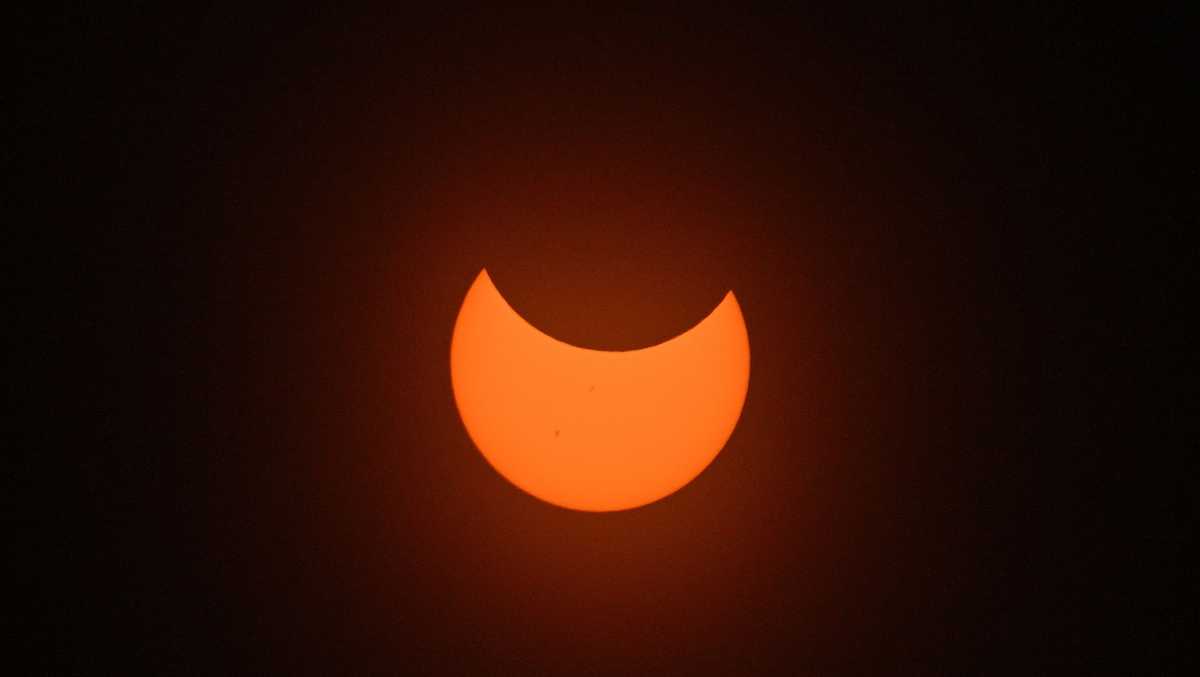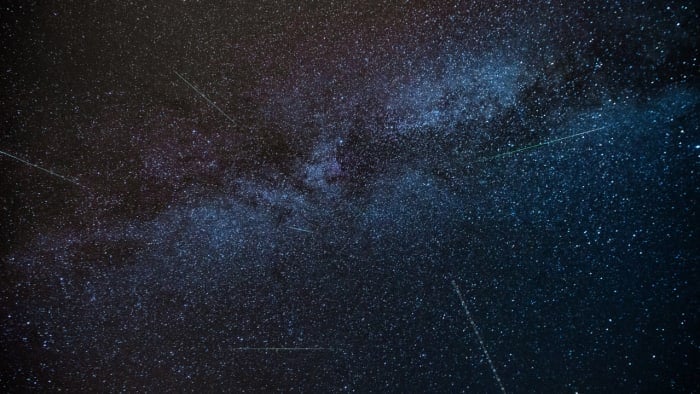
The year 2024 will feature a plethora of celestial events including meteor showers, eclipses, and supermoons, with the highlight being a total solar eclipse on April 8 visible across the U.S., Mexico, and Canada. Other events include the Wolf Moon on January 25, the Lyrids Meteor Shower in April, the Eta Aquarid Meteor Shower in May, and the Geminid Meteor Shower in December. Stargazers can also look forward to various full moons, equinoxes, and planetary alignments throughout the year.
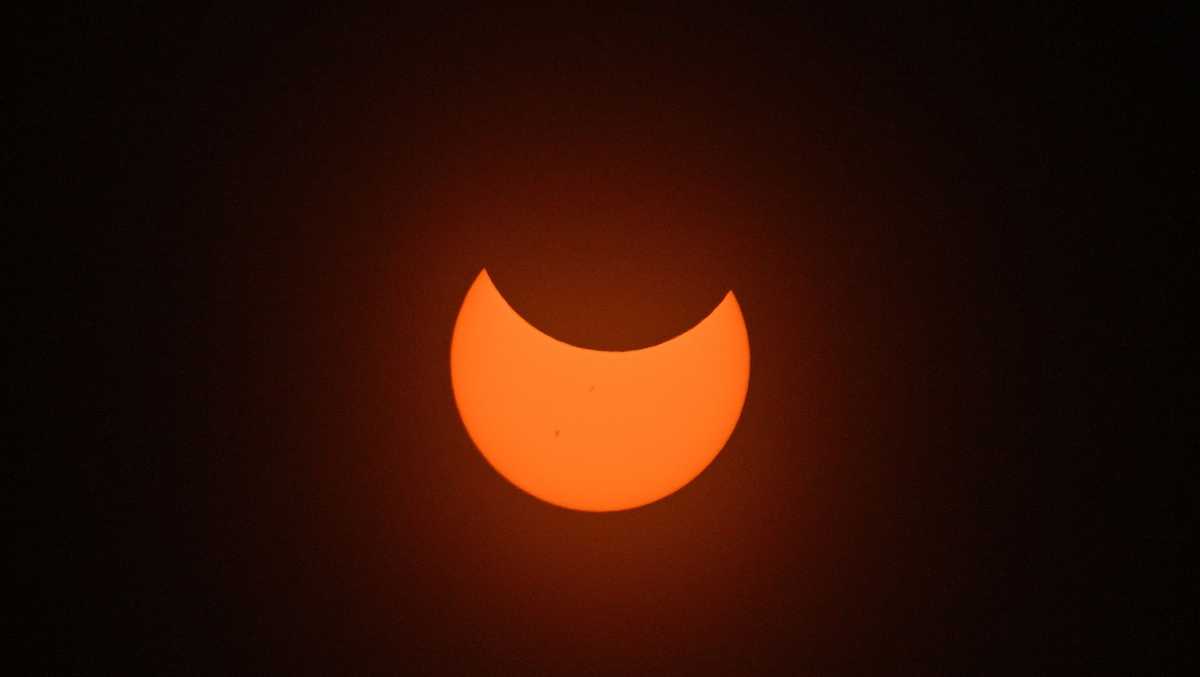
The year 2024 promises a spectacular array of celestial events for stargazers, including full moons, supermoons, meteor showers, and a total solar eclipse visible across North America on April 8. Increased solar activity is expected to peak, potentially affecting technology on Earth but also enhancing auroral displays. Notable meteor showers like the Quadrantids, Perseids, and Geminids will occur throughout the year, alongside various lunar and solar eclipses, offering numerous opportunities for skywatching.
The year 2024 promises a spectacular array of celestial events for astronomy enthusiasts, including a total solar eclipse across North America in April, supermoons, meteor showers, and increased solar activity leading to stunning aurora displays. Stargazers can expect twelve full moons, with the Harvest and Hunter's moons being supermoons. Eclipses will feature prominently, with a total solar eclipse, an annular solar eclipse, a penumbral lunar eclipse, and a partial lunar eclipse occurring throughout the year. The sun's peak activity may cause disruptions but also enhance auroras near the poles. Meteor showers will pepper the sky starting with the Quadrantids in early January, and several others following suit across the months.
The year 2024 promises a spectacular array of celestial events for stargazers, including full moons, supermoons, meteor showers, and a total solar eclipse visible across North America on April 8. Increased solar activity is expected to peak, potentially affecting technology on Earth but also enhancing auroral displays. Notable events include supermoons in September and October, various meteor showers throughout the year, and both solar and lunar eclipses. Observers are encouraged to prepare with telescopes, binoculars, and eclipse glasses to safely enjoy the phenomena.
The year 2024 promises a spectacular array of celestial events for stargazers, including full moons, supermoons, meteor showers, and significant solar and lunar eclipses. The most anticipated event is the total solar eclipse on April 8, visible across North America. Increased solar activity is expected to peak, potentially affecting technology on Earth but also enhancing auroral displays. Stargazers should prepare with telescopes, binoculars, and eclipse glasses to fully enjoy the year's astronomical offerings.
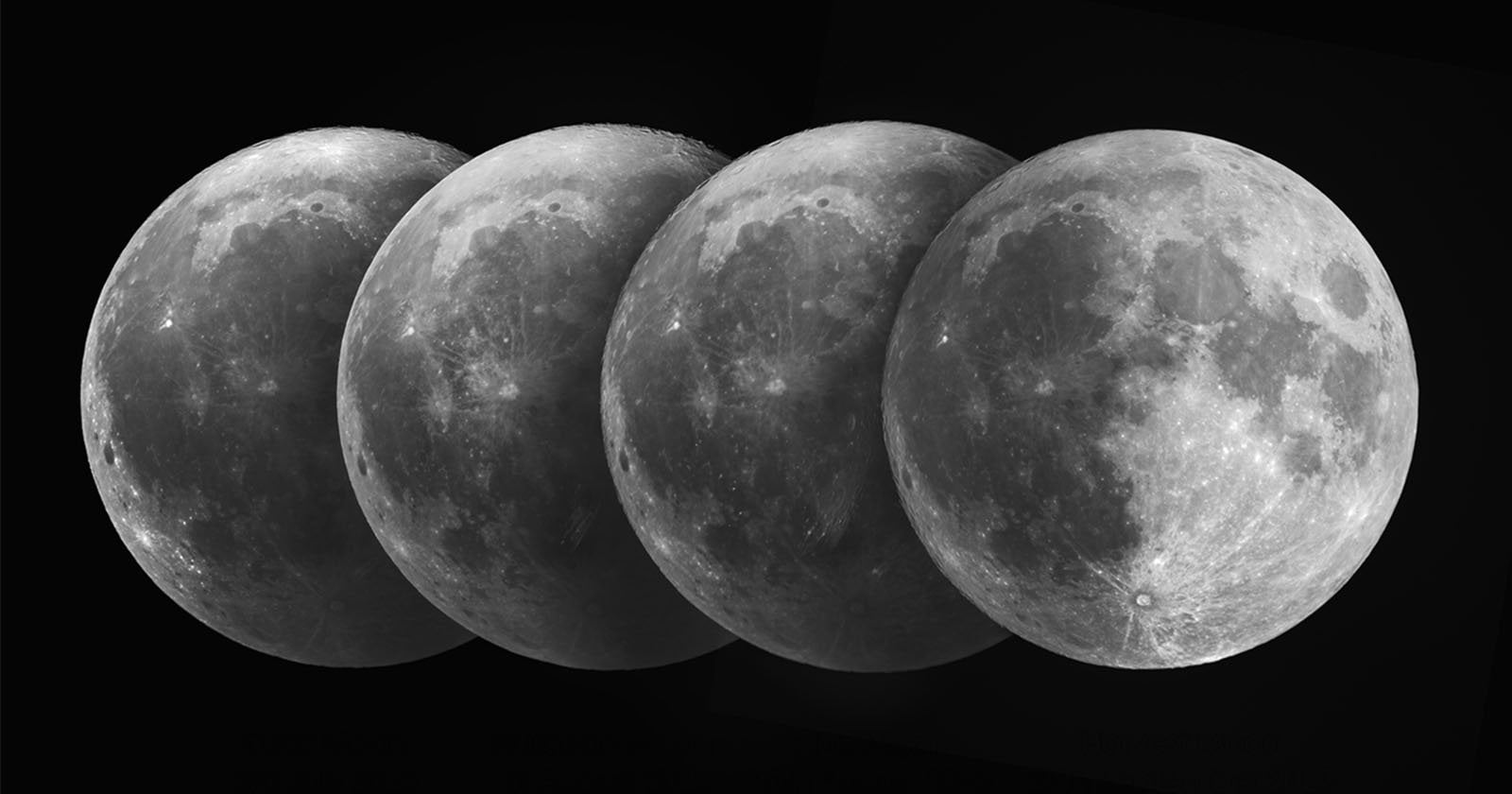
Photographer Soumyadeep Mukherjee captured all four supermoons in 2023, including the Buck Moon, Sturgeon Moon, Blue Moon, and Harvest Moon. Using a Nikon D5600 with a Sigma 100-600 mm lens, Mukherjee created stunning composite images by stacking 200 RAW photos and processing them in software. Despite dealing with cloud cover, he managed to capture each supermoon from the same location in Kolkata, India. Supermoons occur when the Moon is at its closest point to Earth in its orbit, appearing larger and brighter than regular full moons. The blue supermoon in August was particularly special as it was the second full Moon in a calendar month and occurred when the Moon was 18,000 miles closer than usual.
August 2023 will bring several captivating celestial events, including the Sturgeon Moon, a rare Blue Moon, and two Supermoons. The Sturgeon Moon, named after the belief that giant sturgeon fish are more easily caught during this lunar phase, can be best observed in areas with minimal artificial lighting. The Super Blue Moon, occurring on August 30, combines the phenomena of a Blue Moon and a Supermoon, making it a must-see event. Additionally, there will be a Seasonal Blue Moon and two Supermoons in August, making it a remarkable month for stargazing. Tips for enhanced stargazing include finding locations with minimal light pollution, using binoculars or telescopes, checking weather forecasts, and cultivating patience.
Thousands of protesters supporting a coup in Niger attacked the French embassy in the capital, as West African nations held an emergency summit and announced sanctions on Niger unless President Mohammed Bazoum was released from detention. Carlos De Oliveria, a Mar-a-Lago property manager charged in the Trump classified docs case, has not secured a Florida-based lawyer ahead of his first court appearance. The upcoming GOP debate on August 23 could determine the fate of Ron DeSantis' campaign. August will feature two supermoons, including a rare blue moon. In other news, a freshman Republican lawmaker faced condemnation for allegedly yelling at Senate pages, Joe Biden's campaign co-chair suggested looking into a congressional code of ethics for presidential family members, and a federal judge dismissed Trump's defamation lawsuit against CNN.
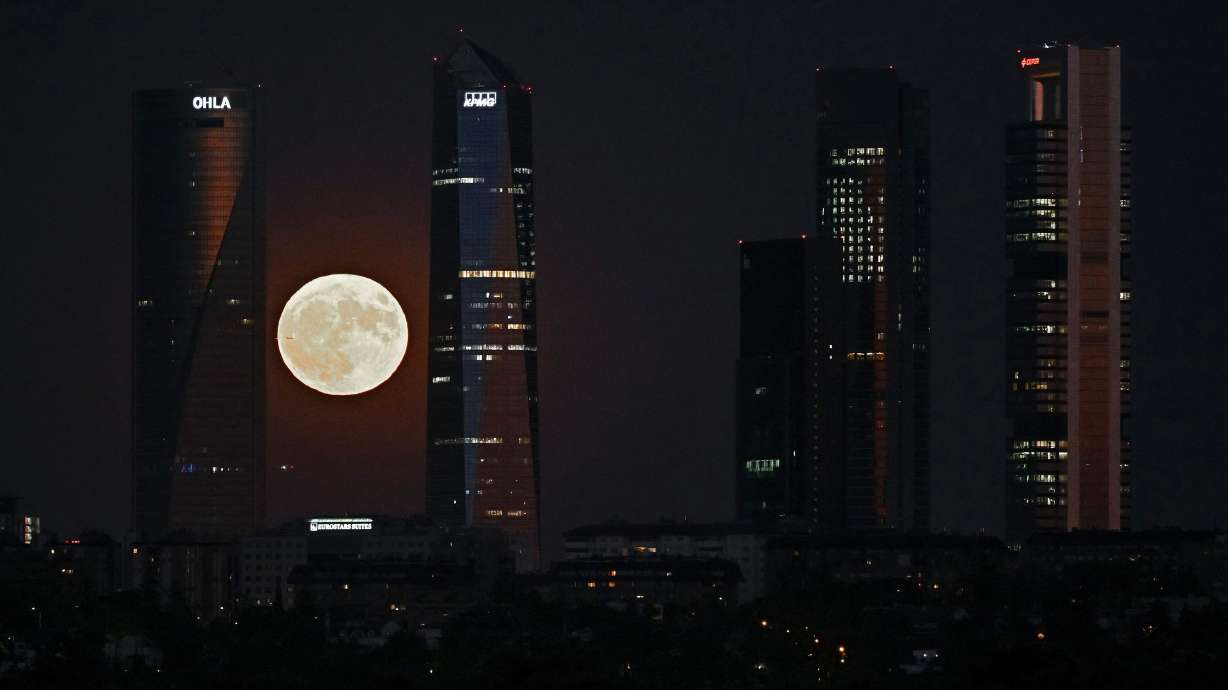
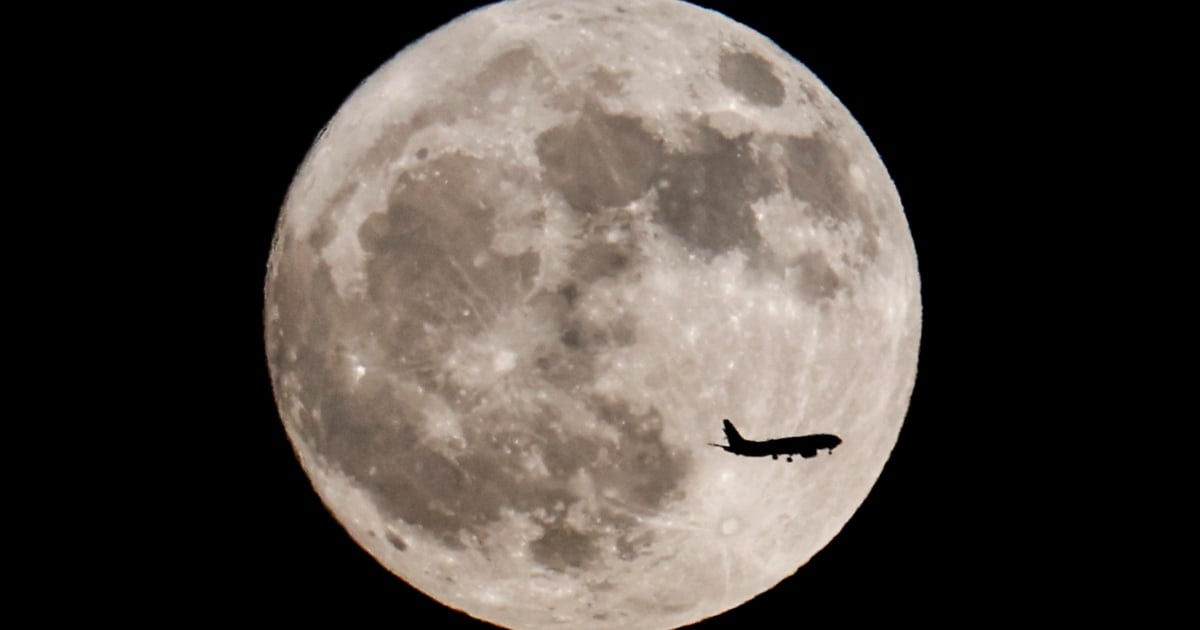
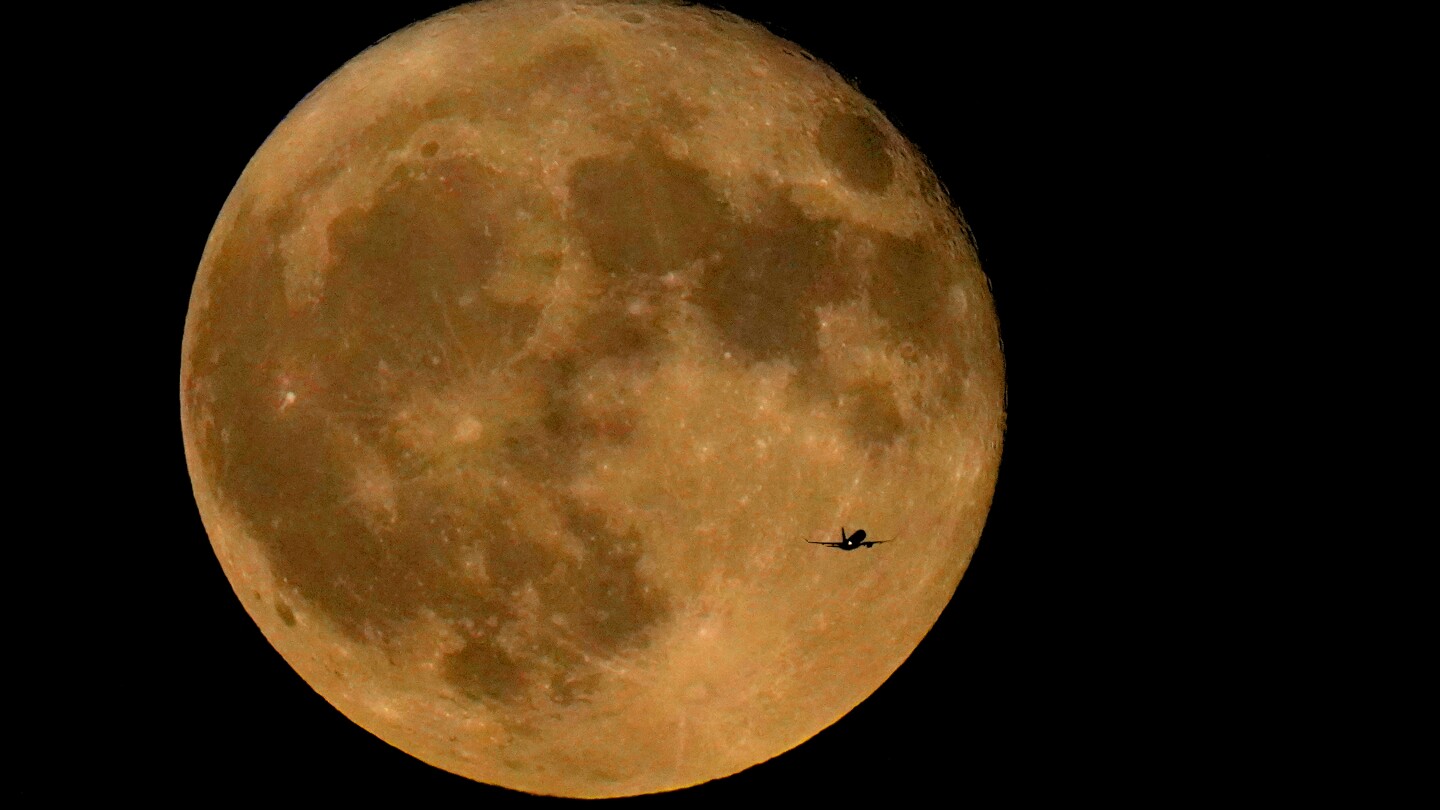
August will feature two supermoons, with the first one occurring on Tuesday evening and the second on August 30th. The supermoon on August 30th will also be a blue moon, as it is the second full moon in the same month. This rare occurrence won't happen again until 2037. Stargazers are encouraged to watch the full moon rise in the eastern sky, as it will appear brighter and bigger than usual. Binoculars or telescopes can enhance the experience by revealing lunar features such as lunar maria and crater rays.
August will feature a pair of supermoons, with the first one occurring on Tuesday evening and the second on August 30th. The second full moon in August will also be a rare blue moon. This double supermoon phenomenon last occurred in 2018 and won't happen again until 2037. Astronomers recommend taking advantage of the warm summer nights to observe the full moon rise in the eastern sky, and binoculars or telescopes can enhance the experience by revealing lunar features such as volcanic plains and crater rays.
August will feature a double dose of supermoons, with the first one appearing on August 2nd and the second on August 30th. The supermoons will be slightly brighter and bigger than usual due to their closer proximity to Earth. This rare occurrence of two full supermoons in the same month won't happen again until 2037. Astronomers recommend using binoculars or telescopes to observe lunar features such as lunar maria and crater rays. The August full moon is traditionally known as the sturgeon moon.
August 2023 will feature two supermoons, including a rare blue moon. A supermoon occurs when a full moon aligns with its closest approach to Earth, making it appear larger and brighter. The first supermoon, known as the Sturgeon Moon, will occur on August 1, followed by a blue moon on August 30, which will be the closest full moon to Earth for the entire year. Supermoons are a result of the moon's elliptical orbit, and blue moons refer to the second full moon in a calendar month. These celestial events offer a unique opportunity for stargazers and astronomers to observe and appreciate the beauty of the night sky.
August will feature two supermoons, including a blue moon on August 30th, which refers to the second full moon in a month. The first supermoon, known as the sturgeon moon, will rise on August 1st and reach its peak at 2:32 p.m. ET. The blue sturgeon moon is expected to be the biggest of the year and will peak at 9:36 p.m. ET. A blue moon occurs every three years on average, with the next one set for May 2026.
South Carolina skywatchers can look forward to a parade of supermoons this summer, starting with the full Buck moon on July 3. August will feature two rare "blue moons" on the 1st and 30th, and September will bring the full Harvest moon. Supermoons occur when the moon's orbit is closest to Earth, making it appear bigger and brighter.
June's full moon, known as the Strawberry Moon, will be visible tonight and on June 4th. Four consecutive supermoons will follow in July, August, and September. The term "supermoon" refers to a full moon that appears larger and brighter than usual due to its proximity to Earth. The Strawberry Moon is named after the time of year when "June-bearing" strawberries are ready to be gathered, according to Native American Algonquian tribes. Other cultures have different names for June's full moon, such as the Blooming Moon, Green Corn Moon, and Hoer Moon.