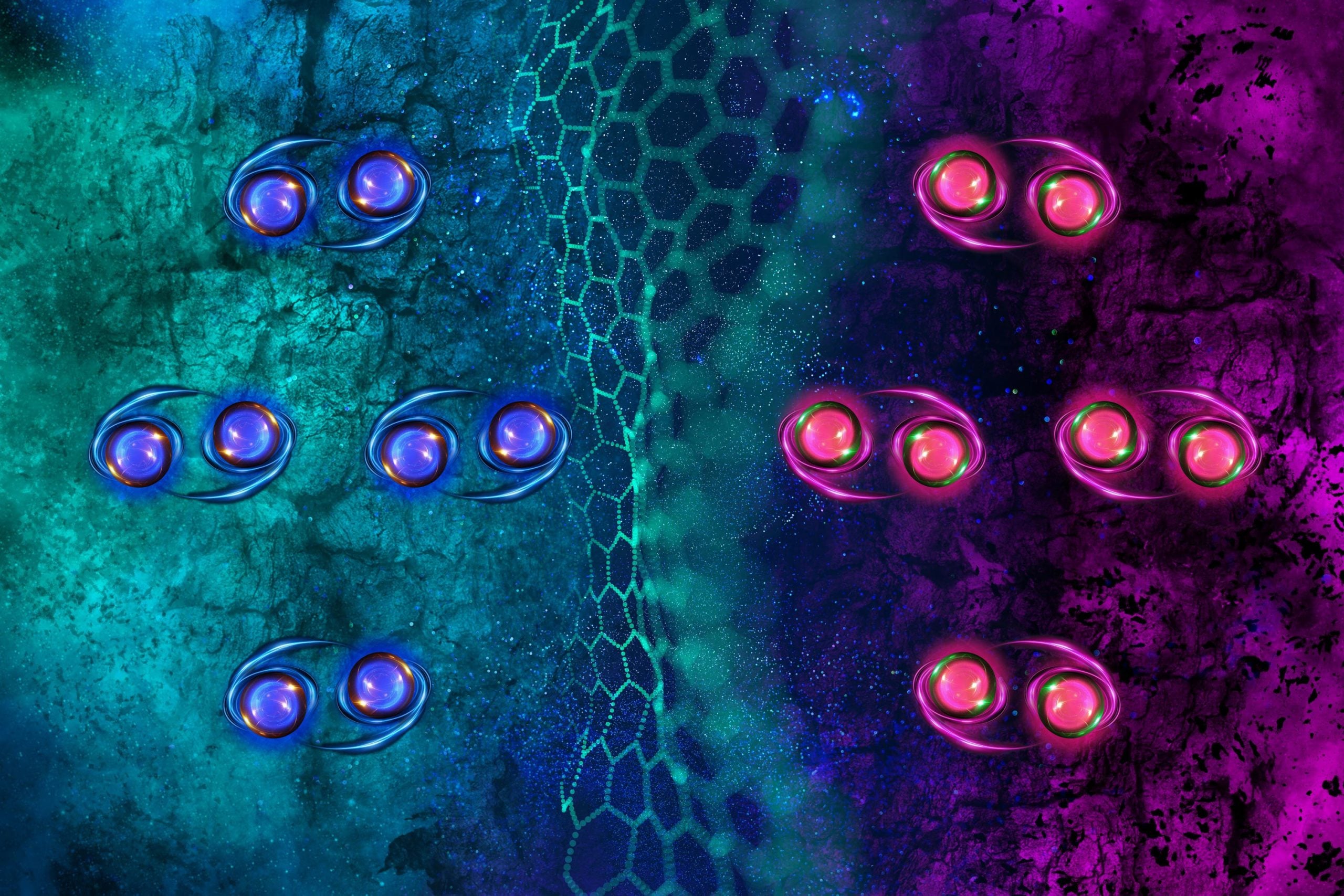
Researchers discovered that platinum-bismuth-two (PtBi2) is a topological superconductor with unique electron pairing patterns and naturally hosts Majorana particles at its edges, offering promising avenues for quantum computing applications.
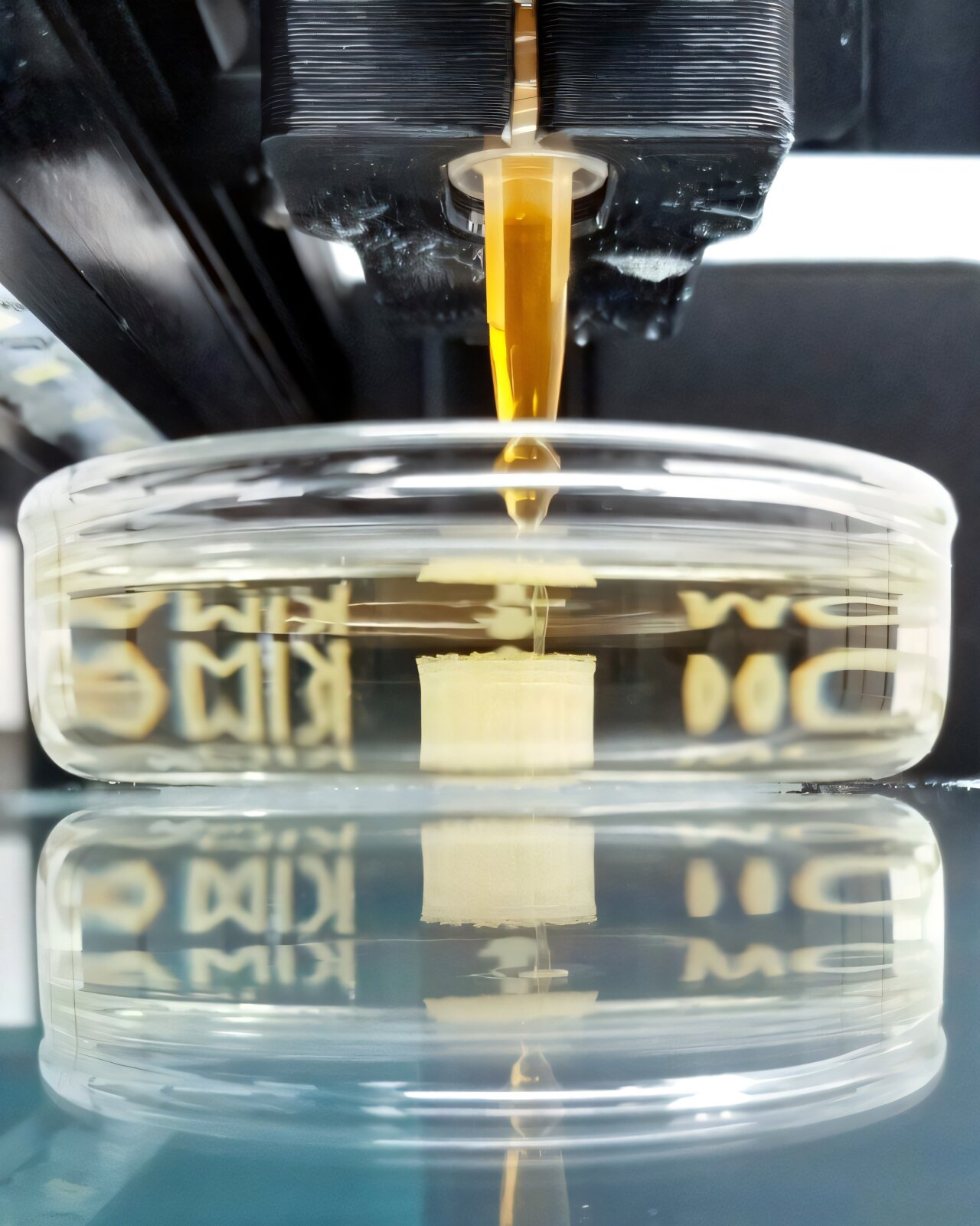
Cornell researchers developed a novel one-step 3D printing method using soft matter approaches to produce superconductors with record-breaking properties, including high magnetic field resilience, by self-assembling copolymer-inorganic nanoparticle inks into crystalline structures, potentially advancing technologies like MRI magnets and quantum devices.
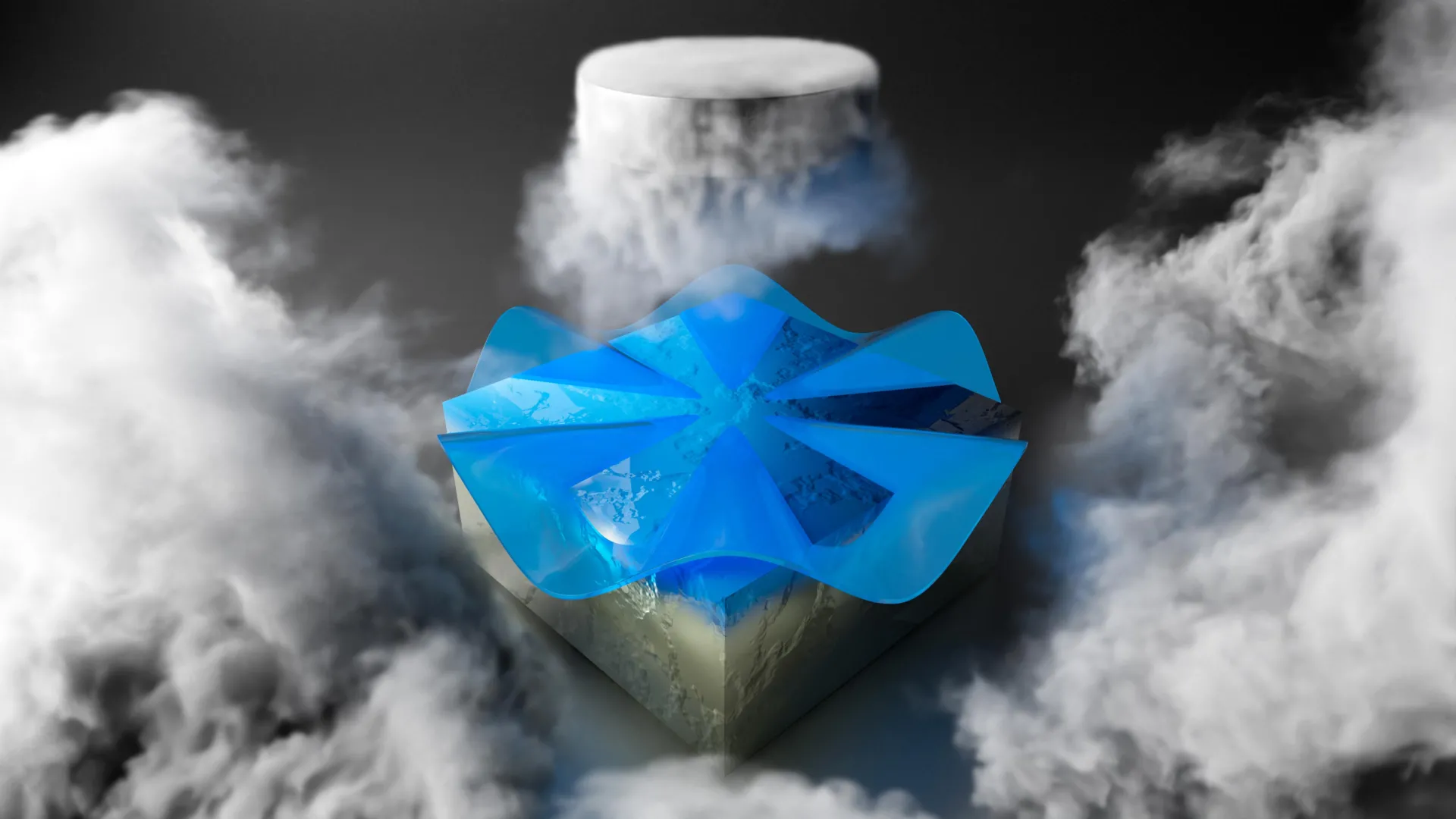
MIT scientists discovered a new type of magnetic superconductor in rhombohedral graphene layers of graphite, challenging the traditional view that superconductivity and magnetism are incompatible, with potential implications for quantum computing.
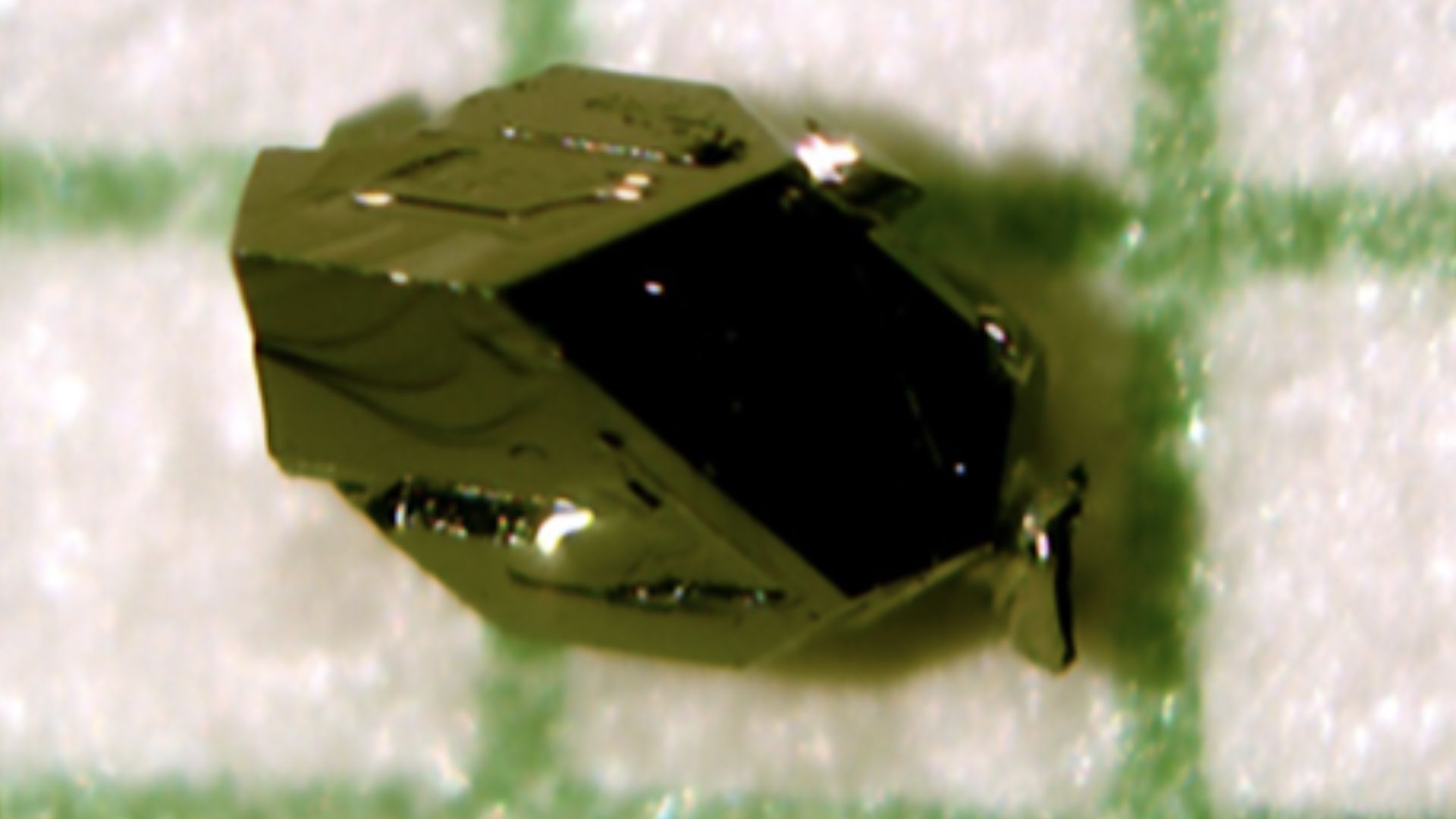
Scientists at Ames National Laboratory have identified "miassite," a naturally occurring mineral with an unconventional chemical composition, as the first natural superconductor found in the Earth's crust. This discovery, detailed in a study published in Communication Materials, could pave the way for future developments in sustainable and cost-effective technologies.
Korean scientists, previously behind a debunked superconductor claim, have now asserted the creation of a new compound, PCPOSOS, as the world's first room-temperature, ambient-pressure superconductor. However, their claims were met with skepticism from peer scientists, as no actual sample was presented, and the data provided lacks scientific evidence. The previous debunked claim had caused a stir in the market, with superconductor-related stocks soaring temporarily. The pursuit of a room-temperature, ambient-pressure superconductor remains a highly sought-after goal in the scientific community.
Purple bronze, a material composed of lithium molybdenum, has the unique ability to switch between being a superconductor and an insulator based on small changes in physical conditions. At near absolute zero temperatures, purple bronze acts as a superconductor, offering no resistance to the flow of electricity. However, with a slight increase in temperature or exposure to light, it transforms into a regular conductor. This remarkable behavior makes purple bronze a promising candidate for quantum switching devices, which are crucial for the development of quantum computing. Researchers have also discovered that purple bronze exhibits emergent symmetry, a rare phenomenon in metals, further adding to its potential applications.
Scientists have discovered a rare phenomenon within purple bronze, a one-dimensional metal, that could lead to the development of a "perfect switch" for quantum devices. This switch can transition between being an insulator and a superconductor with unlimited conductivity, triggered by small changes in the material. The phenomenon, known as "emergent symmetry," offers potential for future quantum technology advancements. The research, led by the University of Bristol, provides insights into the complex behavior of purple bronze and its potential applications in quantum circuits.
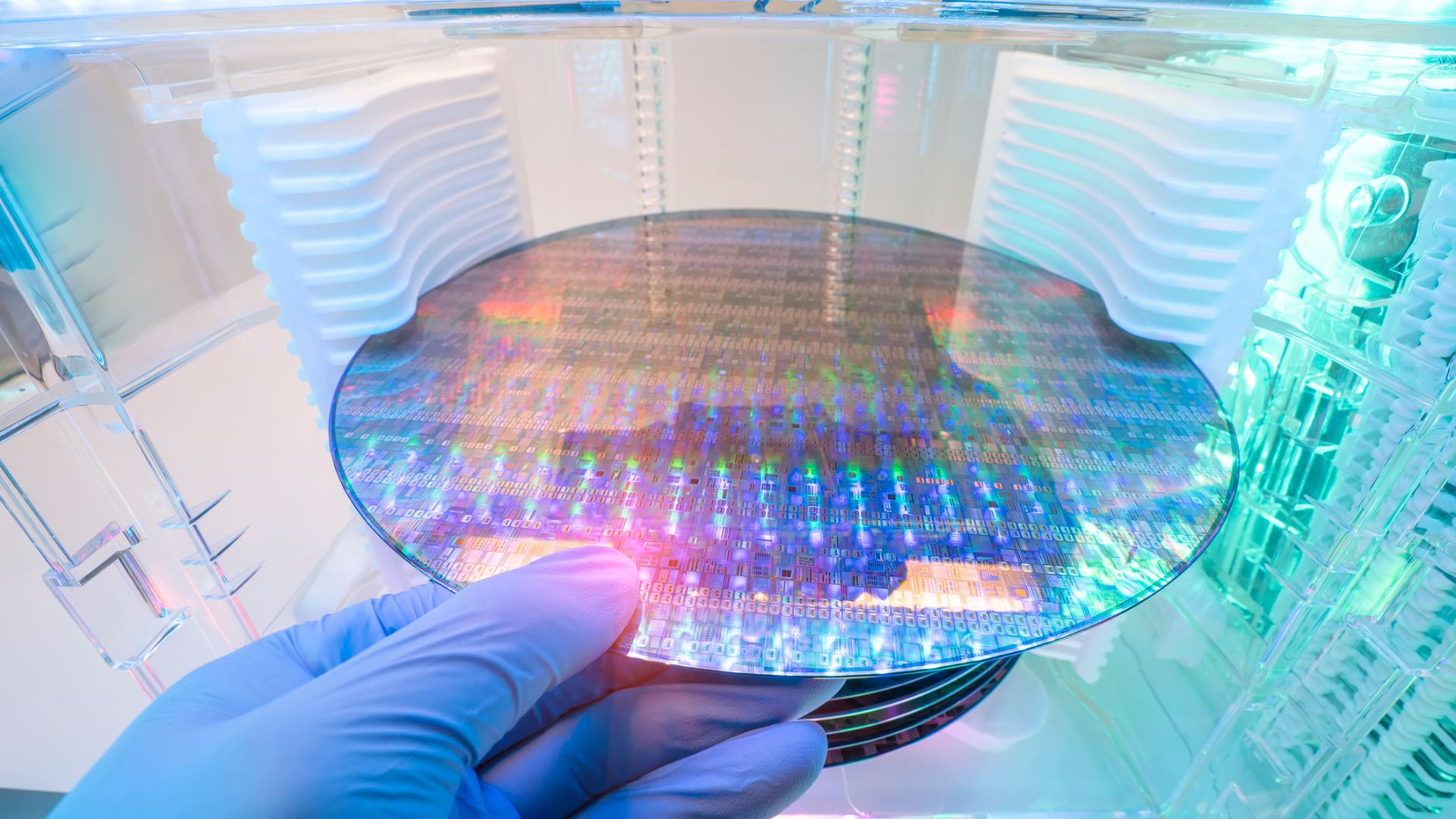
Researchers at Columbia University have developed a superconductor made of a superatomic material that operates at room temperature, making it the fastest and most efficient semiconductor. The superconductor, known as Re6Se8Cl2, overcomes the limitations of silicon by minimizing heat generation and improving information transfer speeds by reducing energy loss caused by phonon scattering.
Recent studies have confirmed that LK-99, a material previously claimed to be a room-temperature superconductor, is actually an insulator. The initial excitement surrounding the substance was due to impurities in the samples. The preprint paper published by a team in South Korea, which claimed to have created a superconductor-like material using common ingredients, lacked peer review and raised doubts from the start.