Research indicates that patients experiencing their first episode of psychosis with skin conditions are at a higher risk of depression and suicidality, suggesting skin issues could serve as early markers for severe psychiatric outcomes due to shared developmental and inflammatory pathways between the brain and skin.

A recent study highlights a significant link between the hair loss drug finasteride and increased risks of mood disorders and suicidal thoughts, criticizing regulatory and manufacturer oversight for underreporting and neglecting these dangers over the past two decades.
Research from the University of Leeds shows that childhood trauma significantly influences adult mental health outcomes by affecting stress appraisal and perceived stress, which mediate the relationship between early adversity and issues like depression, anxiety, and suicide risk, highlighting potential intervention targets.
A study finds that addictive patterns of digital use, such as distress when not online or using screens to escape, are linked to a higher risk of suicidal thoughts and mental health issues in teens, whereas total screen time is not a significant factor. Early identification and intervention targeting problematic use may help reduce these risks.
A nationwide observational study in Sweden has found that women with premenstrual disorders (PMDs) are more than twice as likely to die by suicide compared to women without PMDs. The study, which followed 67,748 women with PMDs and 406,488 women without PMDs, highlights the need for careful follow-up and suicide prevention strategies for women suffering from these disorders. The research, published in JAMA Network Open, underscores the importance of understanding and addressing the long-term consequences of PMDs on mental health.
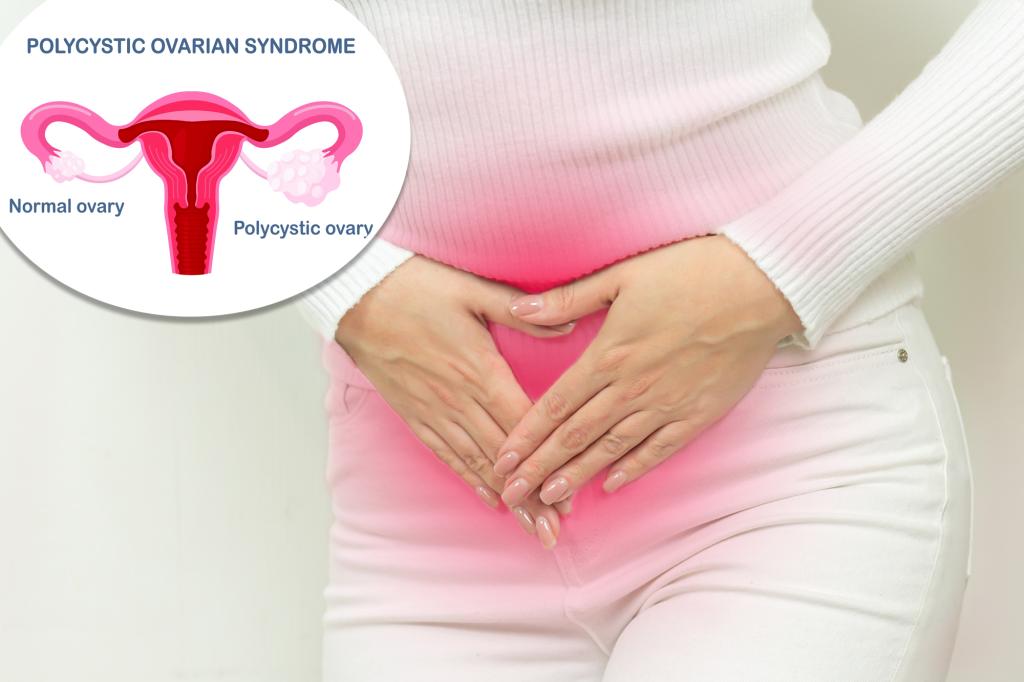
A new study in the Annals of Internal Medicine suggests that women with polycystic ovary syndrome (PCOS) are at a higher risk of self-harm, including suicide, possibly due to societal expectations and the condition's association with psychiatric conditions like anxiety and depression. Experts emphasize that PCOS can be treated, and healthy lifestyle changes can help relieve symptoms. Routine monitoring of mental health and suicide risk in persons diagnosed with PCOS is important, as the condition is associated with an increased risk of suicide attempts across different age groups.
A new study has found that women with polycystic ovary syndrome (PCOS) are eight times more likely to attempt suicide than women without the condition, with a significantly elevated risk for younger adults. The study emphasizes the importance of routine monitoring of mental health and suicide risk in individuals diagnosed with PCOS, as the disorder can have a significant impact on fertility and appearance, leading to mental health challenges. The research highlights the need for increased awareness and support for those affected by PCOS, as well as the importance of managing symptoms through medication and lifestyle changes.
Polycystic ovary syndrome (PCOS) affects as many as 1 in 8 women of child-bearing age in the U.S. and is linked to infertility, irregular periods, and other symptoms. A new study found that women with PCOS are at a significantly higher risk of self-harm, including suicide, compared to those without the condition. The elevated risk may be related to societal expectations and is also associated with higher rates of psychiatric conditions such as anxiety and depression. Experts emphasize that PCOS can be treated, and recommend routine monitoring of mental health and suicide risk in individuals diagnosed with PCOS.
A study of over 18,000 women found that those diagnosed with polycystic ovary syndrome (PCOS) were 8 times more likely to attempt suicide compared to a control group, highlighting the need for routine monitoring of mental health and suicide risk in PCOS patients. The study, conducted in Taiwan, revealed a significant increase in suicide risk across different age groups, emphasizing the importance of early mental health interventions. The findings underscore the need for integrated healthcare approaches addressing both the physical and mental health aspects of PCOS.
New research suggests that women with polycystic ovary syndrome (PCOS) have an eight-fold increased risk of suicide attempts, with challenges associated with fertility and PCOS symptoms compounding existing mental health challenges. PCOS impacts 6-12% of women in the US and can lead to various health complications, including diabetes and heart disease. Experts emphasize the need for close monitoring of mental health status in individuals with PCOS and stress the importance of seeking support and treatment to manage the condition and its mental health impacts.
A new study has found that women with PCOS are more than eight times more likely to attempt suicide than those without the condition. PCOS is also linked with anxiety and depression, possibly due to the impact of the condition on mental and physical health. Dealing with PCOS symptoms, such as infertility and hormonal fluctuations, can be stressful and frustrating, potentially worsening symptoms of depression. It's important for those with PCOS to seek proper treatment and support, and to reach out to healthcare providers if struggling mentally. Support is available for those experiencing suicidal thoughts.
A study suggests that women with polycystic ovary syndrome (PCOS) may have a higher risk of attempting suicide, with the risk being 8.47 times higher than women without PCOS. Factors such as concerns over infertility and body image, as well as mental health challenges, could contribute to this increased risk. While the research has limitations and cannot prove cause and effect, it adds to a growing body of evidence linking PCOS to mental health issues, highlighting the need for further research and support for women with PCOS.
A new study found that high school students who use alcohol, cannabis, or nicotine, even at low levels, are at a higher risk for mental health disorders, including suicidal thoughts, depression, anxiety, psychotic experiences, and ADHD symptoms. Experts note that conversations about substance abuse should start early, and parents should take their child's thoughts of suicide seriously, encouraging open communication and seeking professional help if needed.
A new study from Massachusetts General Hospital and the University of Minnesota found that high school students who use alcohol, cannabis, or nicotine are at higher risk for mental health disorders, including suicidal thoughts, even at low levels of usage. Experts caution that the study doesn't account for the combined effects of multiple substances but emphasize the importance of addressing substance use, particularly in youth with mental health concerns. Parents are advised to start conversations about substance abuse early and take their child's expressions of suicidal thoughts seriously, seeking help from crisis hotlines if needed.
Two international studies found that women with depression during pregnancy or in the perinatal period after are at greater risk of suicide, with the risk remaining higher through an 18-year follow-up period. The risk of suicidal behavior was three times greater for women with perinatal depression, and even higher for those without a history of psychiatric disorders. Vigilant clinical monitoring and interventions are needed to prevent such devastating events for this vulnerable population. The risk of death also increased for postpartum depression, particularly within the first year, with suicide being rare but the strongest association with death. Perinatal depression increases the risk of suicidal behavior and death regardless of other mental health problems, affecting about 9% of pregnancies and emphasizing the importance of treatment.