Tag

Structural Color

All articles tagged with #structural color

science-and-nature1 year ago

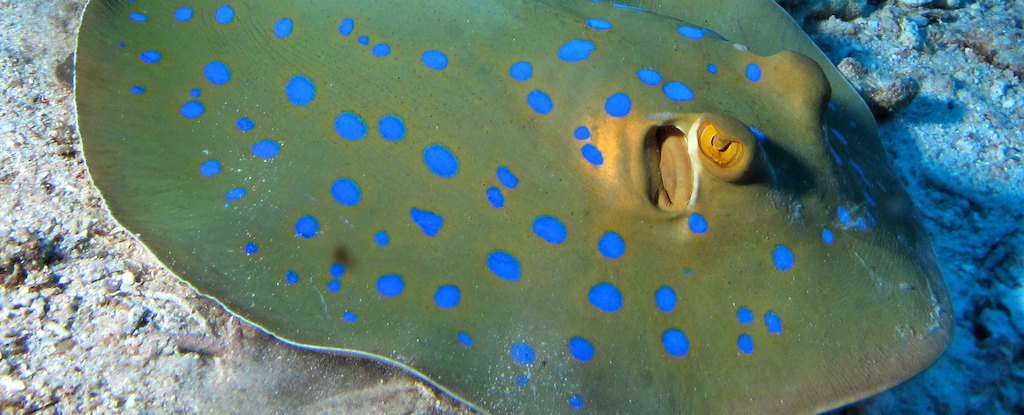
"Stingray Spots Reveal New Method for Creating Blue"

Researchers have discovered that bluespotted ribbontail rays produce their vivid blue spots through unique nanostructures that scatter light, rather than pigments. This structural color is unusually bright and angle-independent, achieved by a disordered array of scattering elements and a melanin layer that absorbs other colors. This finding not only advances our understanding of natural coloration but also has potential applications in creating chemical-free colors for textiles and displays.

science-and-nature1 year ago

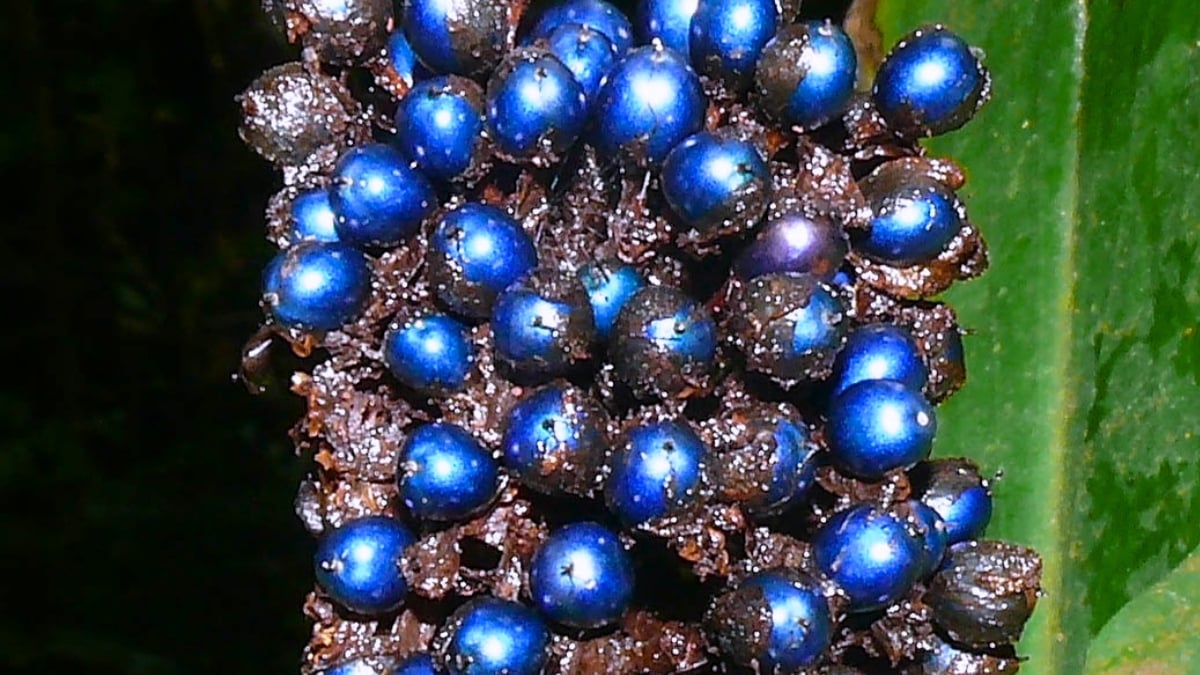
"The Surprising Science Behind Blueberries' Blue Hue and Potential Health Benefits"

Blueberries are not actually blue in the true sense of the word; their color comes from a unique structural mechanism involving nanostructures in their waxy coating that scatter blue and ultraviolet light while absorbing other wavelengths. This "structural color" is also responsible for the blue and indigo hues in other fruits and natural elements. The discovery could lead to new types of blue paints and dyes in the future. The scarcity of true blue pigments in nature is due to the high-energy nature of the color, which plants typically absorb rather than reflect. Fruits and flowers that appear blue use various mechanisms, such as mixing non-blue pigments or relying on special colorants in their coatings.

science-and-technology2 years ago

"MIT Researchers Push Boundaries with Creative Thinking"

Mathias Kolle, an associate professor of mechanical engineering at MIT, is studying the microstructure of butterfly wings and other optically interesting organisms to replicate and improve upon their structural, light-bending effects. Inspired by nature, Kolle and his students are designing materials that exhibit advanced optical functions, including color-changing sheets and fibers that can be integrated into medical bandages or used for strength-testing knots. They aim to create materials that generate colors without chemicals, using the structure itself to produce brilliant and vibrant colors.

science-and-technology2 years ago

"Lightest Paint in the World Takes Inspiration from Butterflies"

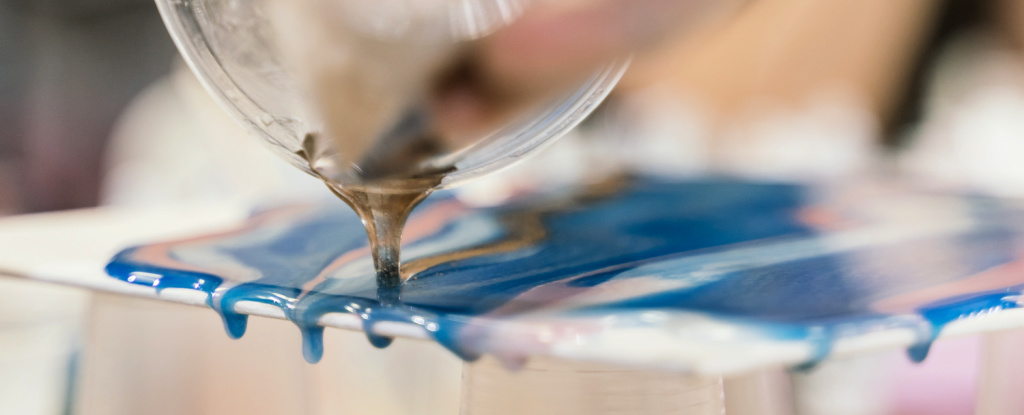
Researchers at the University of Central Florida have developed a new type of paint that uses the structural arrangement of aluminum and aluminum oxide to create colors instead of pigments. This plasmonic paint is more stable, longer-lasting, and lighter than traditional paint, and it offers a cooling effect. The colorless materials used in the paint are inspired by the structural color found in butterflies, which diffract light to create pigment-free color that lasts longer. The new paint reflects light and absorbs less heat, making it eco-friendly and ideal for use in buildings and airplanes.

science-and-technology2 years ago

"Breakthroughs in Paint Technology: From Energy-Saving to Ultra-Lightweight"

Scientists have developed a new energy-saving paint called "plasmonic paint" that repels heat, comes in any color, and is the lightest paint created to date. The paint is made from nanoparticles of aluminum and aluminum oxide arranged in different ways to control how light is scattered, reflected, or absorbed, creating structural color. It would only take 3 pounds of plasmonic paint to cover a Boeing 747, compared to 1,000 pounds of conventional commercial paint. The paint reflects the entire infrared spectrum, keeping surfaces underneath it cooler, and could significantly reduce the amount of greenhouse gases required for flight.

science-and-technology2 years ago

World's Lightest Paint Invented

Researchers at the University of Central Florida have developed a new kind of cooling paint based on structural color, which is longer-lasting and pigment-free. The paint is made up of tiny aluminum flakes dotted with even tinier aluminum nanoparticles, making it the lightest paint in the world. It doesn't trap heat from sunlight like pigments do, and its constituents are less toxic than paints made with heavy metals like cadmium and cobalt. The paint could potentially cut fuel usage in planes and cars that are coated with it, and could also help mediate the "urban heat island" effect in cities.