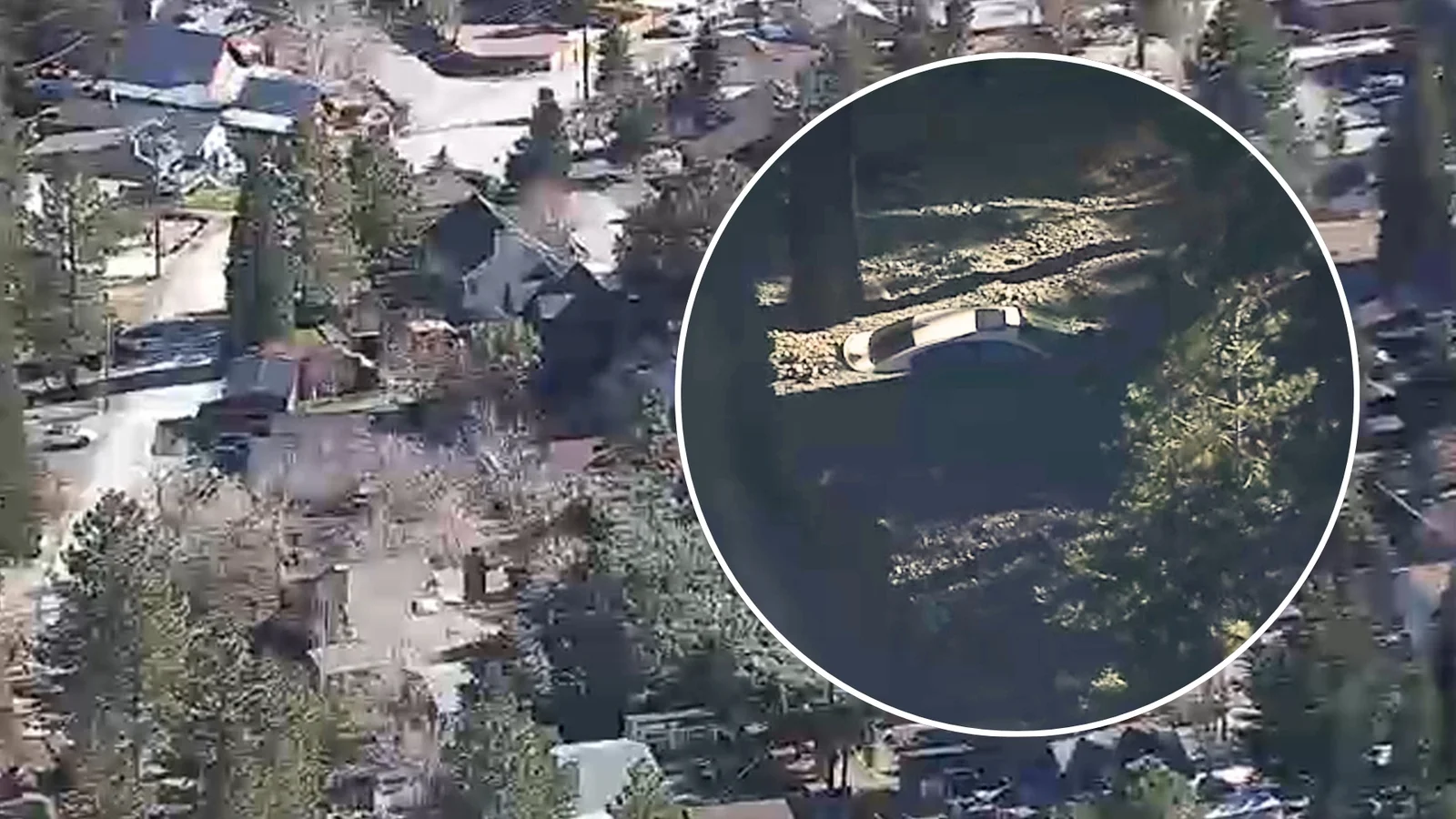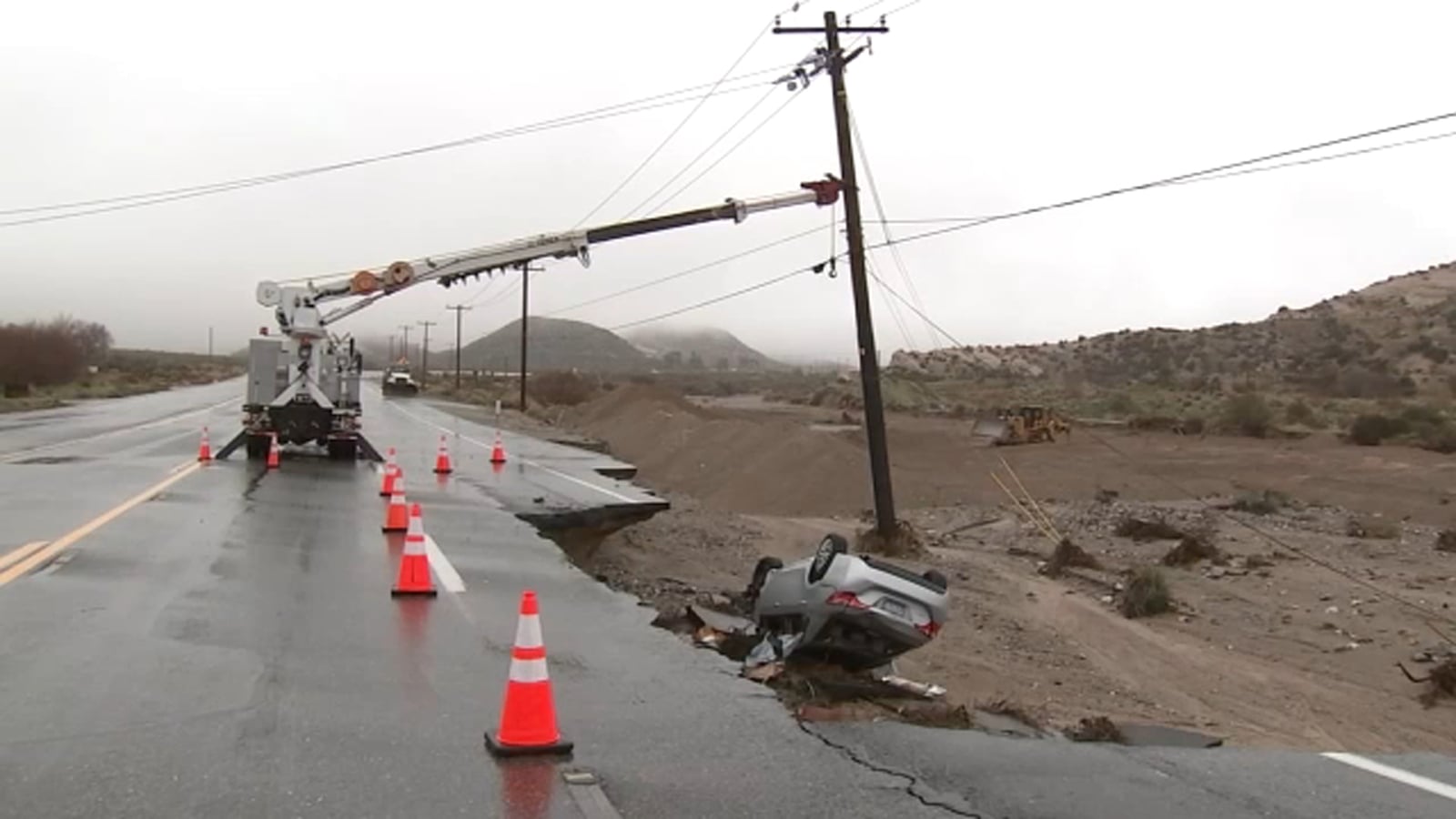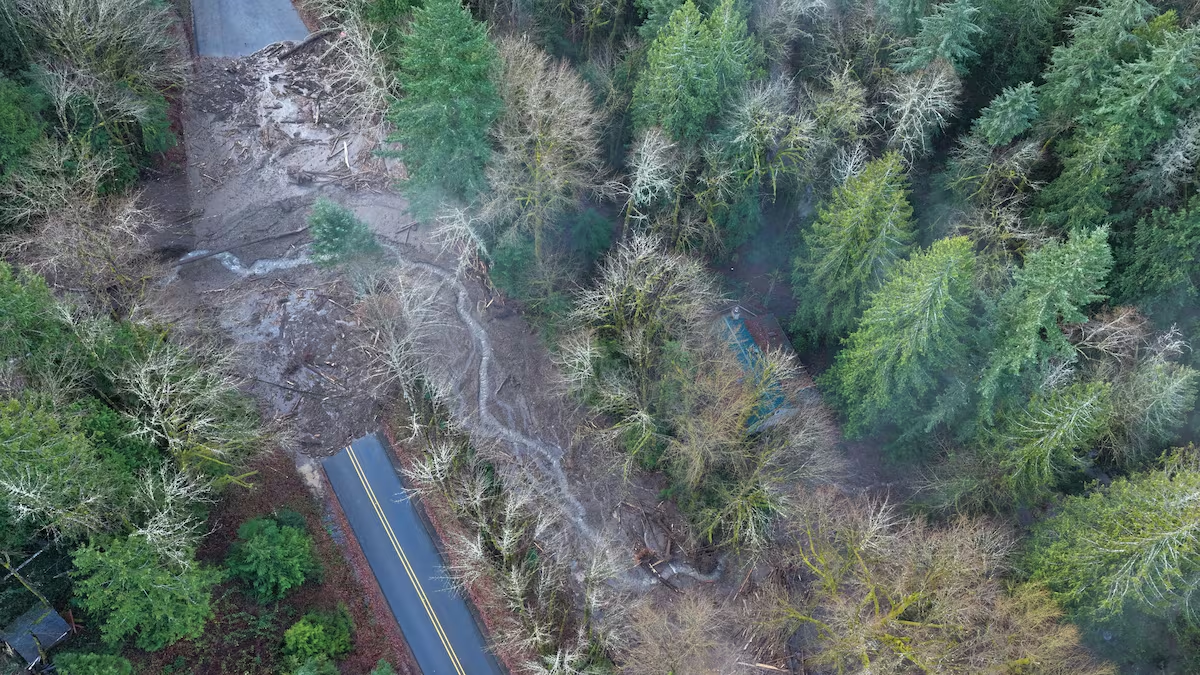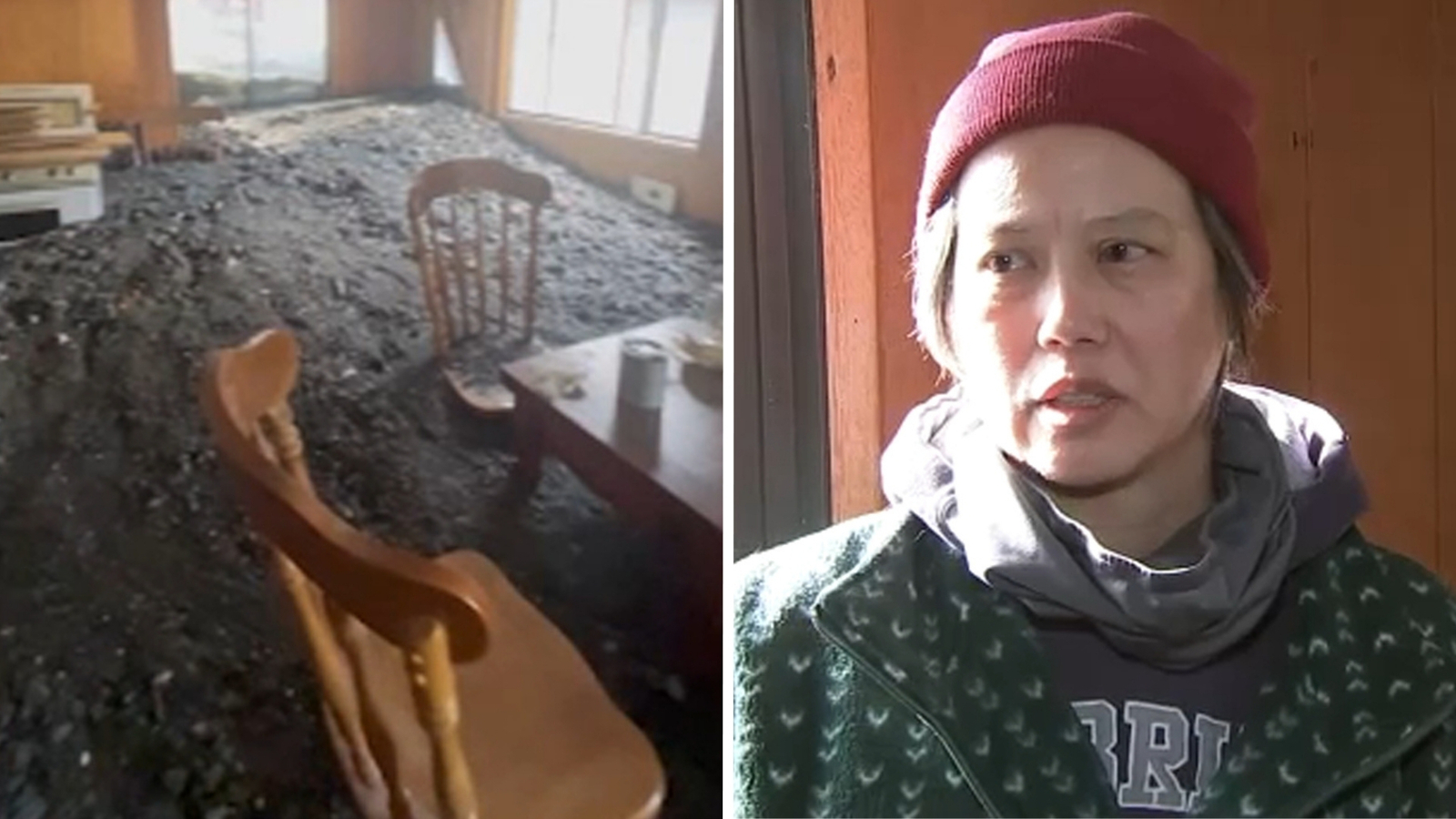
A powerful storm caused a massive mudslide in Wrightwood, California, destroying homes and impacting local businesses, with residents like Misty Cheng devastated by the destruction and ongoing recovery efforts amid future rain threats.

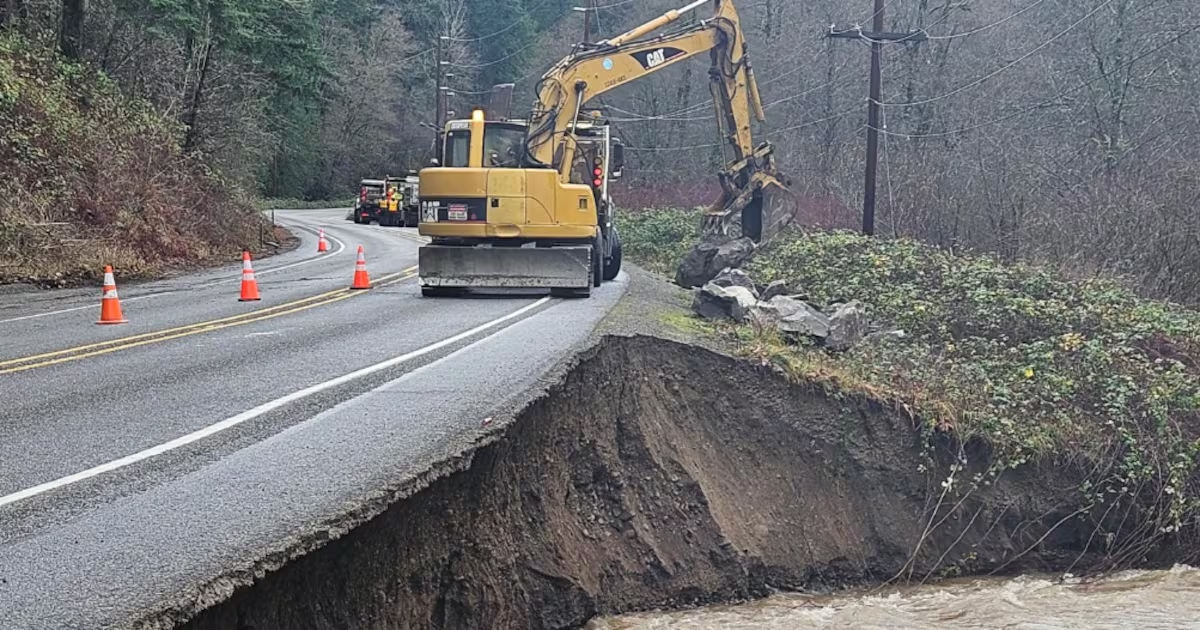
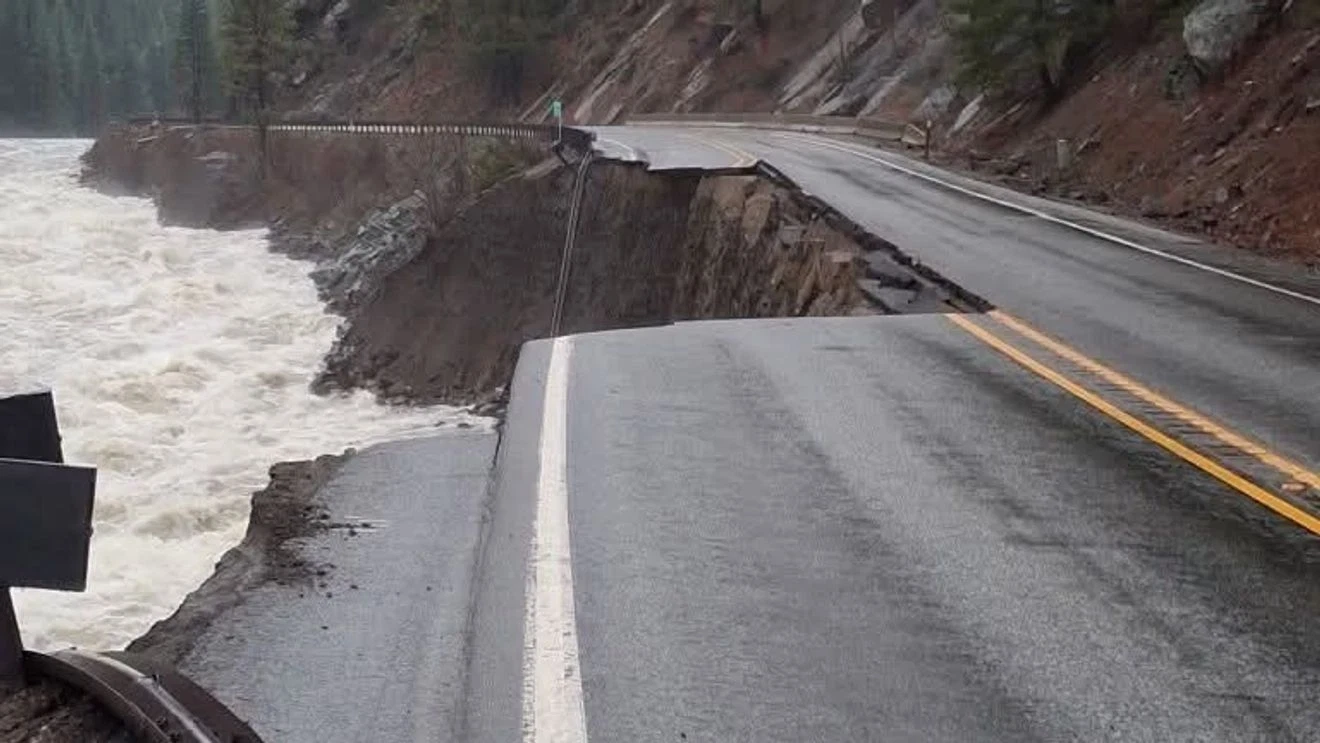
US 2 is reopening for limited travel west of Skykomish by Jan. 4 after storm damage, with ongoing repairs and pilot car guidance east of Stevens Pass; travelers should plan ahead and expect delays.
Gusty Santa Ana winds in Southern California caused significant damage, including downed trees, vehicle accidents, and property destruction, with wind speeds reaching up to 60 mph, leading to road closures and injuries but no reported fatalities.
AIR7 captured the first aerial footage of storm damage in Wrightwood after Christmas Eve's powerful storm caused flash flooding and mudslides, damaging around 50 homes and leaving residents to begin cleanup efforts.
Heavy rains caused mudslides and power outages in Wrightwood, California, leading to community cleanup efforts, damage assessments, and ongoing safety precautions, with around 50 homes affected and thousands still without power.
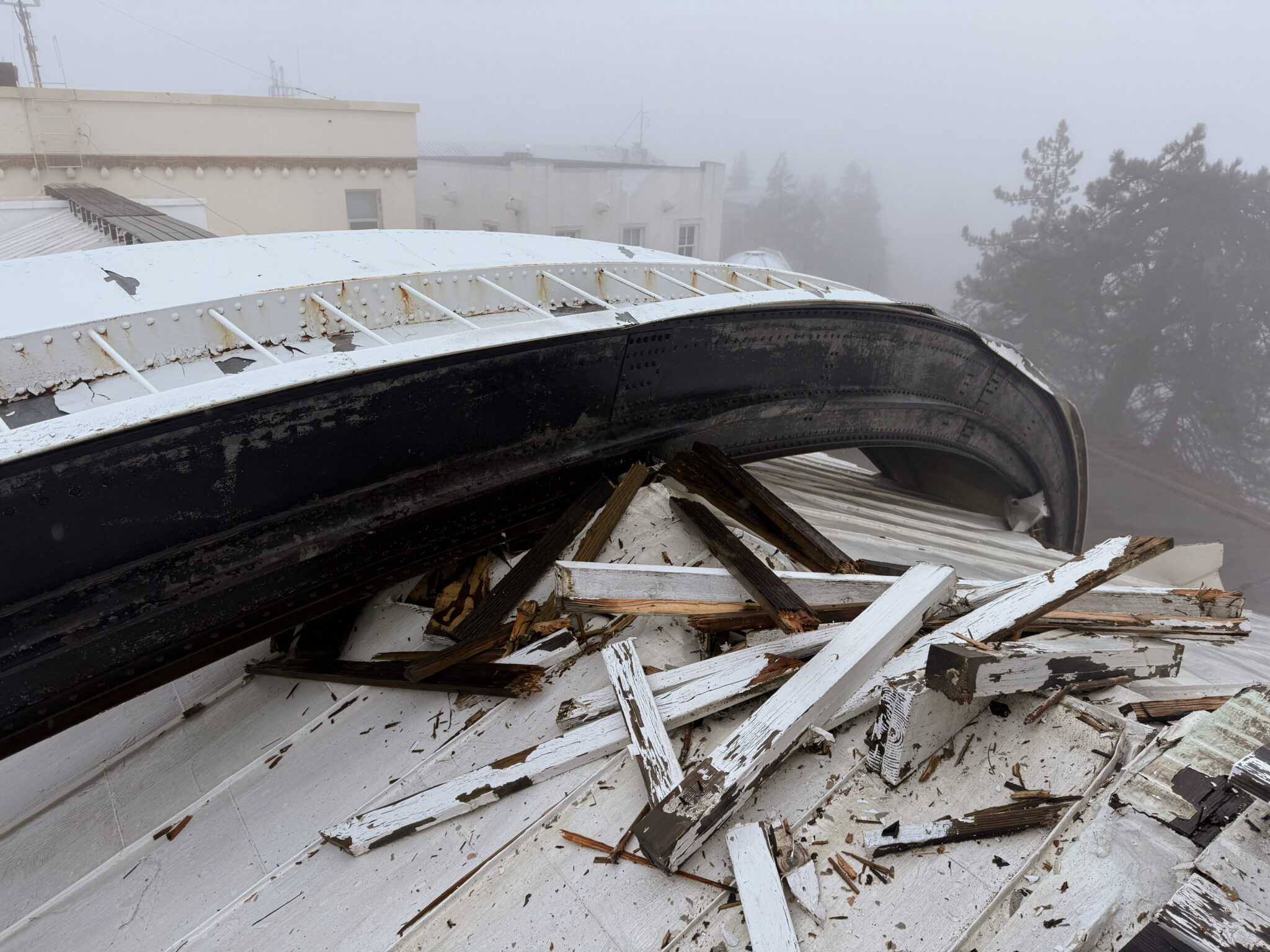
Strong winds reaching 114 mph caused significant damage to the UC Lick Observatory, including tearing off part of the dome shutter and exposing sensitive equipment, leading to a temporary closure for repairs that are expected to take months. No injuries occurred, and staff are working to assess and restore the facility, which is used for research and public visits.
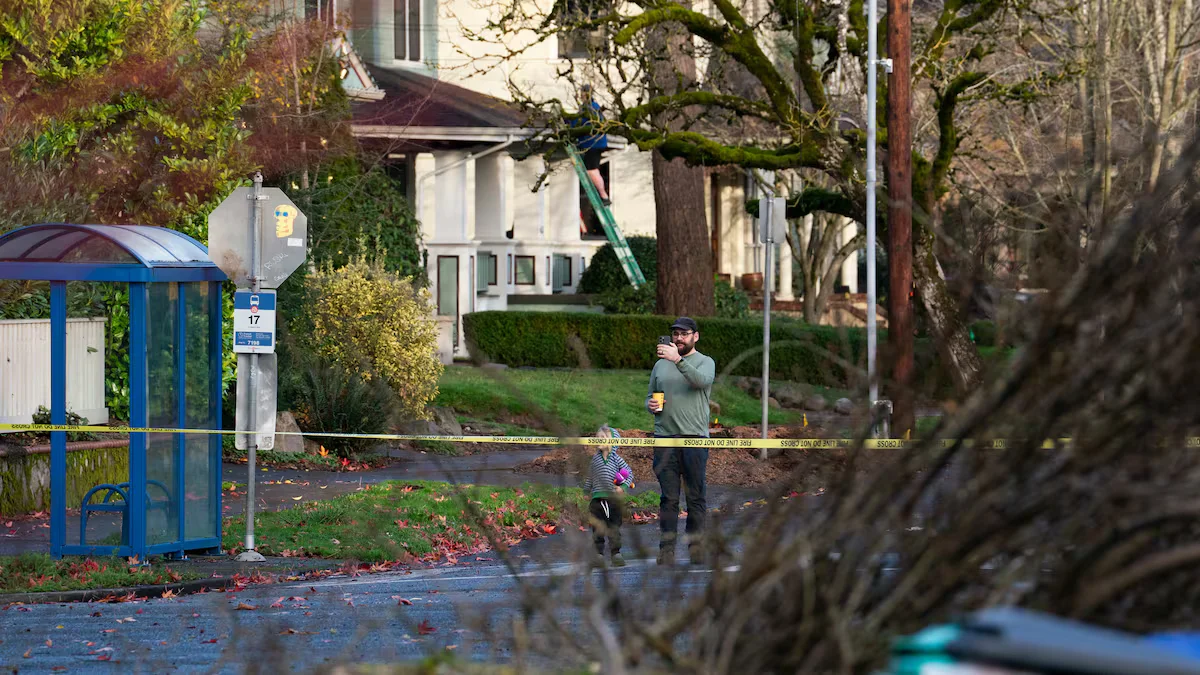
The National Weather Service has issued wind advisories for western Oregon and Washington for Christmas Eve, with a 20% chance of gusts reaching 70 mph due to a storm coming from California. Most likely, the storm will hit the Cascade Mountains with gusts of 35-50 mph, potentially causing power outages and travel issues, but less severe than the historic 1962 Columbus Day storm. Preparations are underway, and safety advice is emphasized for travelers and residents.
A landslide caused by an atmospheric river prompted evacuation notices and trail closures in Welches, Oregon, but the immediate evacuation orders have been lifted as crews assess and clear the damage, which also affected nearby trails and prompted a temporary evacuation in Oregon City that was later downgraded.
The Washington State Department of Transportation has announced updates on highway closures across the state due to storm damage, including US 2 between Skykomish and Leavenworth, I-90 over Snoqualmie Pass, SR 20 near Winthrop, and SR 9 in Snohomish, with repairs underway or planned but no specific reopening dates provided.
A 49-mile stretch of Highway 2 in Washington will be closed for several months due to severe storm and flooding damage, impacting local economies and the ski season, with ongoing landslides complicating repairs.
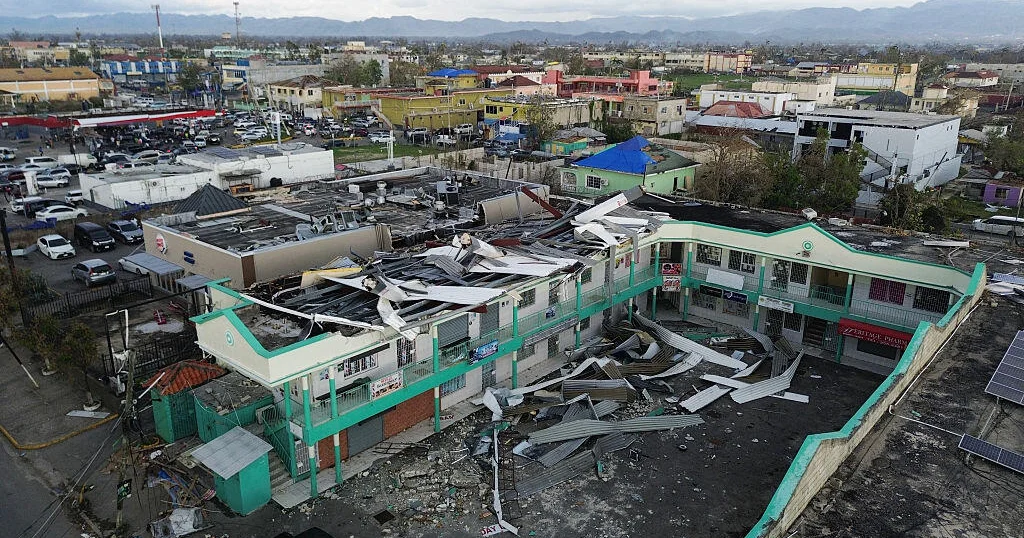
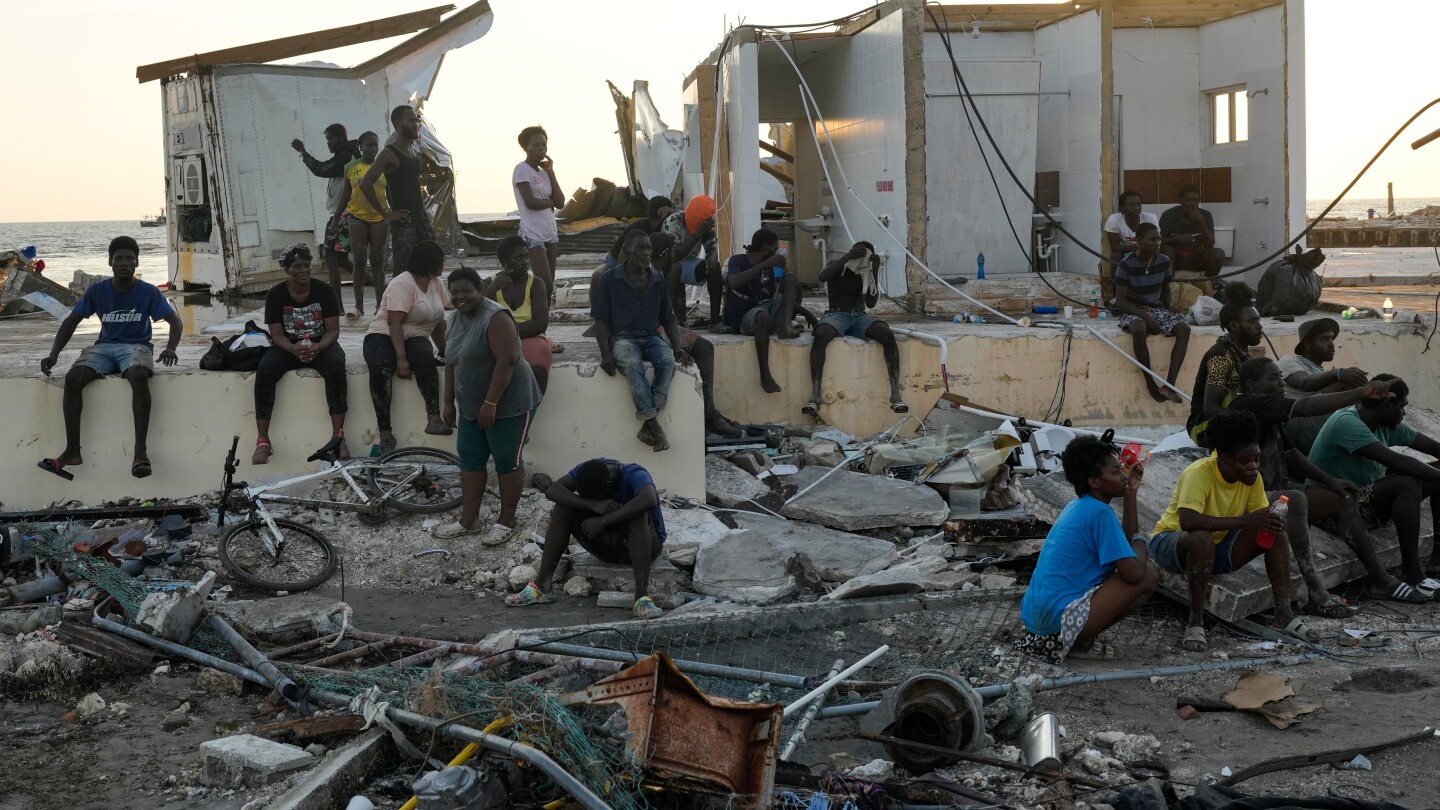
Hurricane Melissa, a Category 5 storm, caused extensive damage in Jamaica, resulting in at least 19 deaths and widespread destruction. Relief efforts are ongoing, with aid being distributed, hospitals being set up, and international assistance arriving to support recovery and rebuilding.
Hurricane Melissa, a Category 5 storm, caused widespread destruction in Jamaica, especially in Black River, leaving most structures damaged, causing power and water outages, and resulting in at least 19 deaths in Jamaica and 31 in Haiti, with ongoing relief efforts underway.
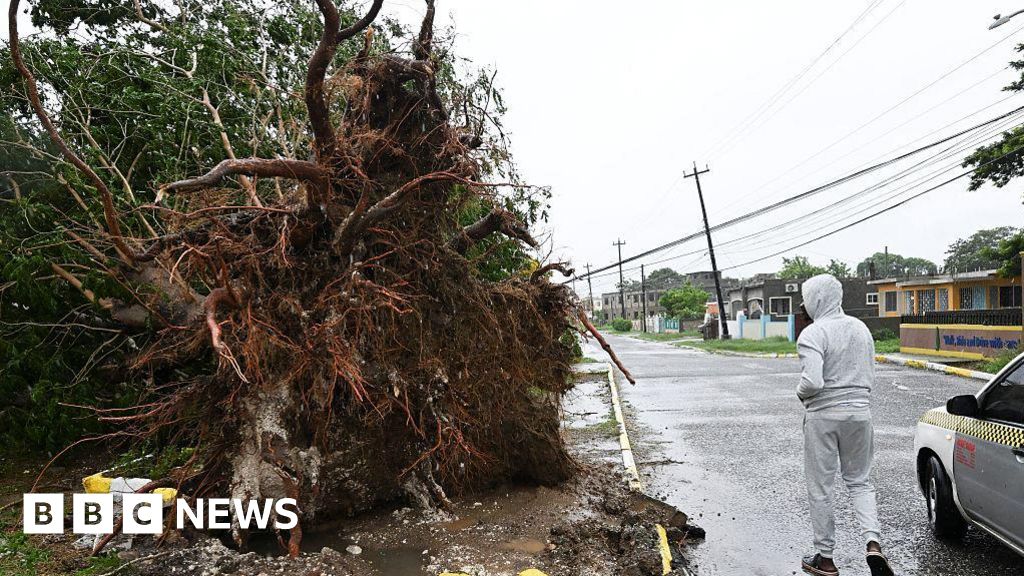
Hurricane Melissa, the strongest storm in Jamaica's modern history, caused widespread destruction, including uprooted trees, damaged homes, and power outages, with catastrophic winds and heavy rainfall leading to flooding and displacement. The storm is moving towards Cuba, prompting mass evacuations and raising concerns about further destruction and flooding.
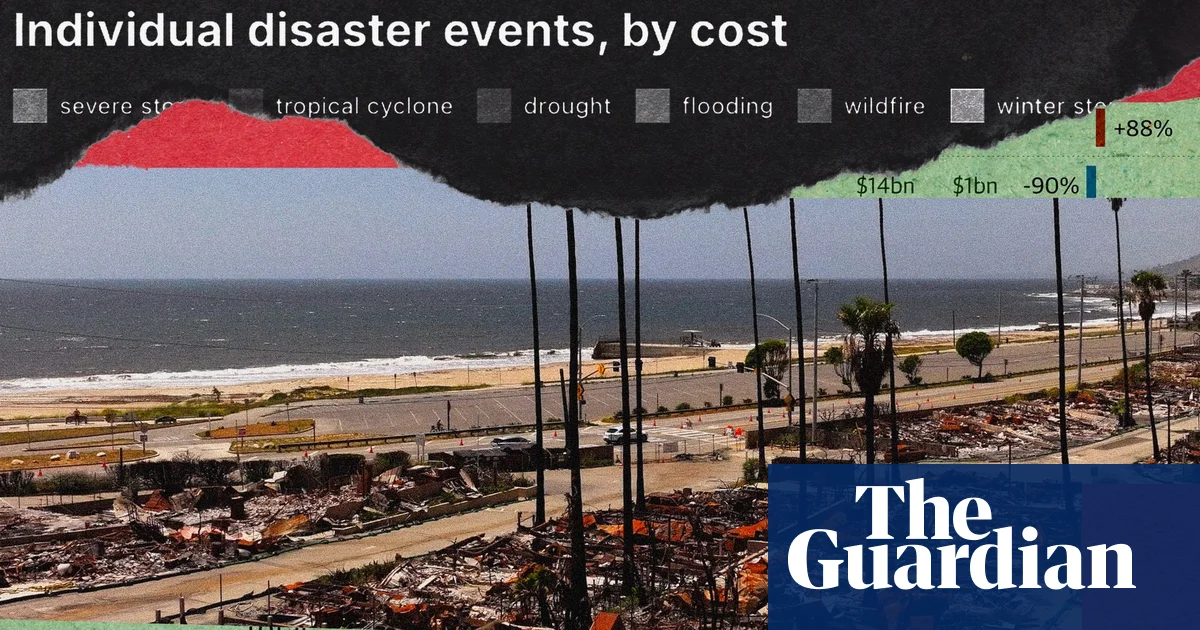
The first half of 2025 was the most costly on record for US climate-related disasters, totaling $101 billion, driven mainly by wildfires in Los Angeles and severe storms, highlighting the increasing impact of climate change and the effects of policy changes on disaster response capabilities.
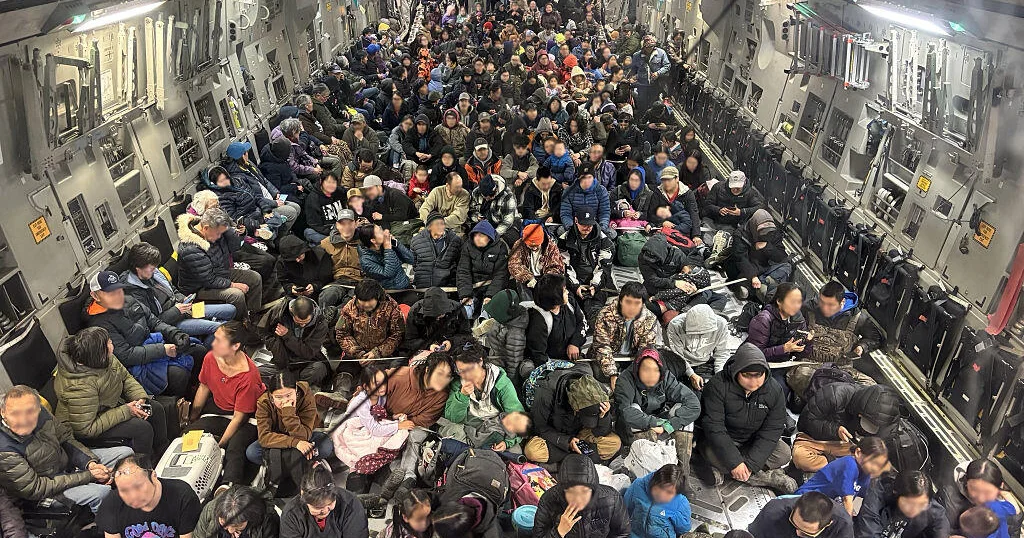
A severe storm caused extensive flooding in remote Alaska villages, displacing over 2,000 residents who may not return home for at least 18 months. The damage, comparable to a Category 2 hurricane, has led to significant destruction, rescue operations, and federal aid requests, with evacuees being relocated to Anchorage and other facilities. The situation highlights ongoing challenges in disaster response and recovery in harsh Arctic conditions.