Tag

Stomach Contents

All articles tagged with #stomach contents

paleontology2 years ago

Teenage Tyrannosaur's Fossilized Stomach Unveils Prey Preference

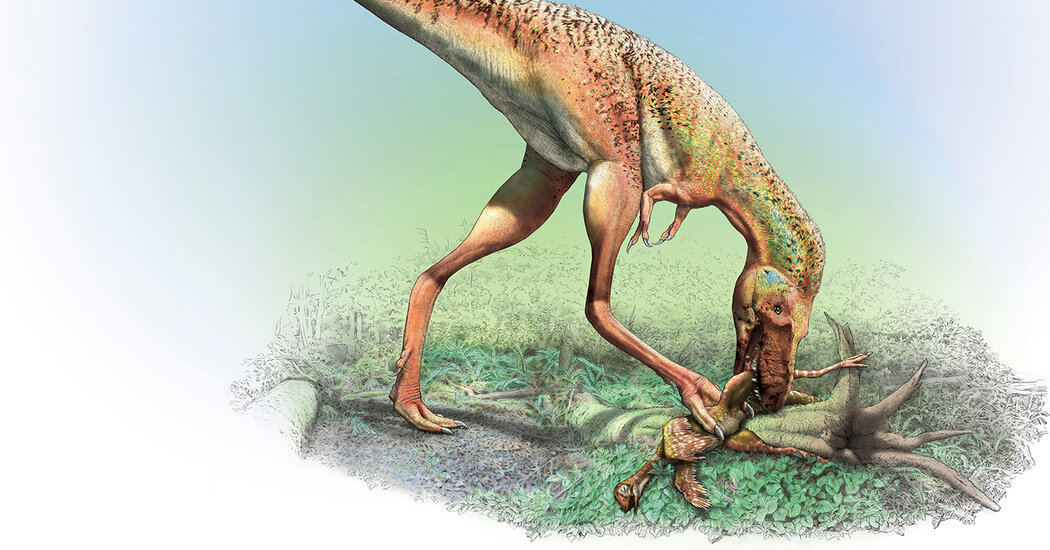
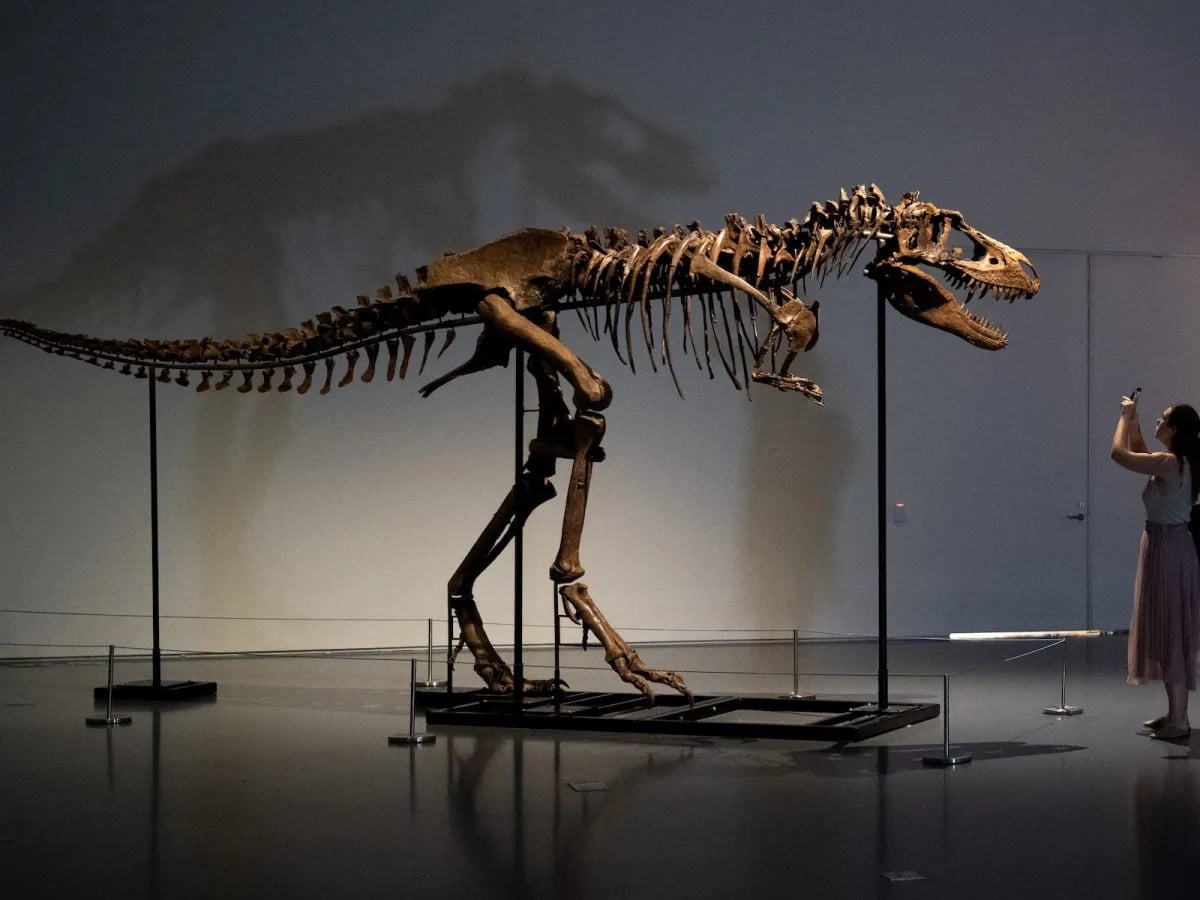
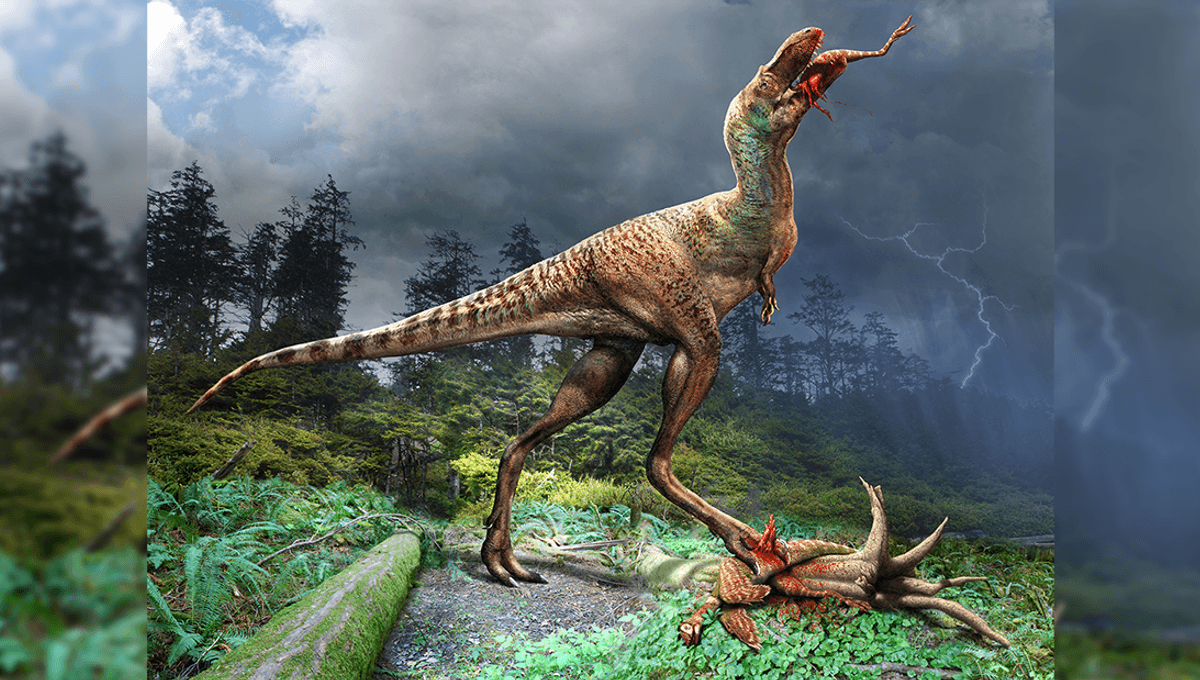
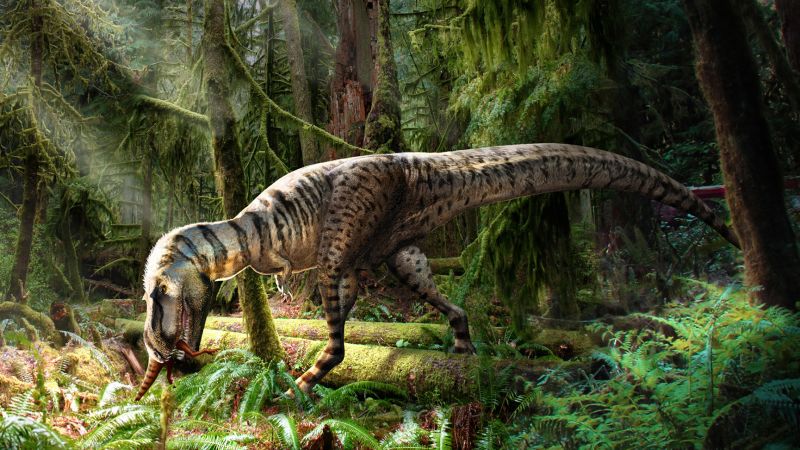
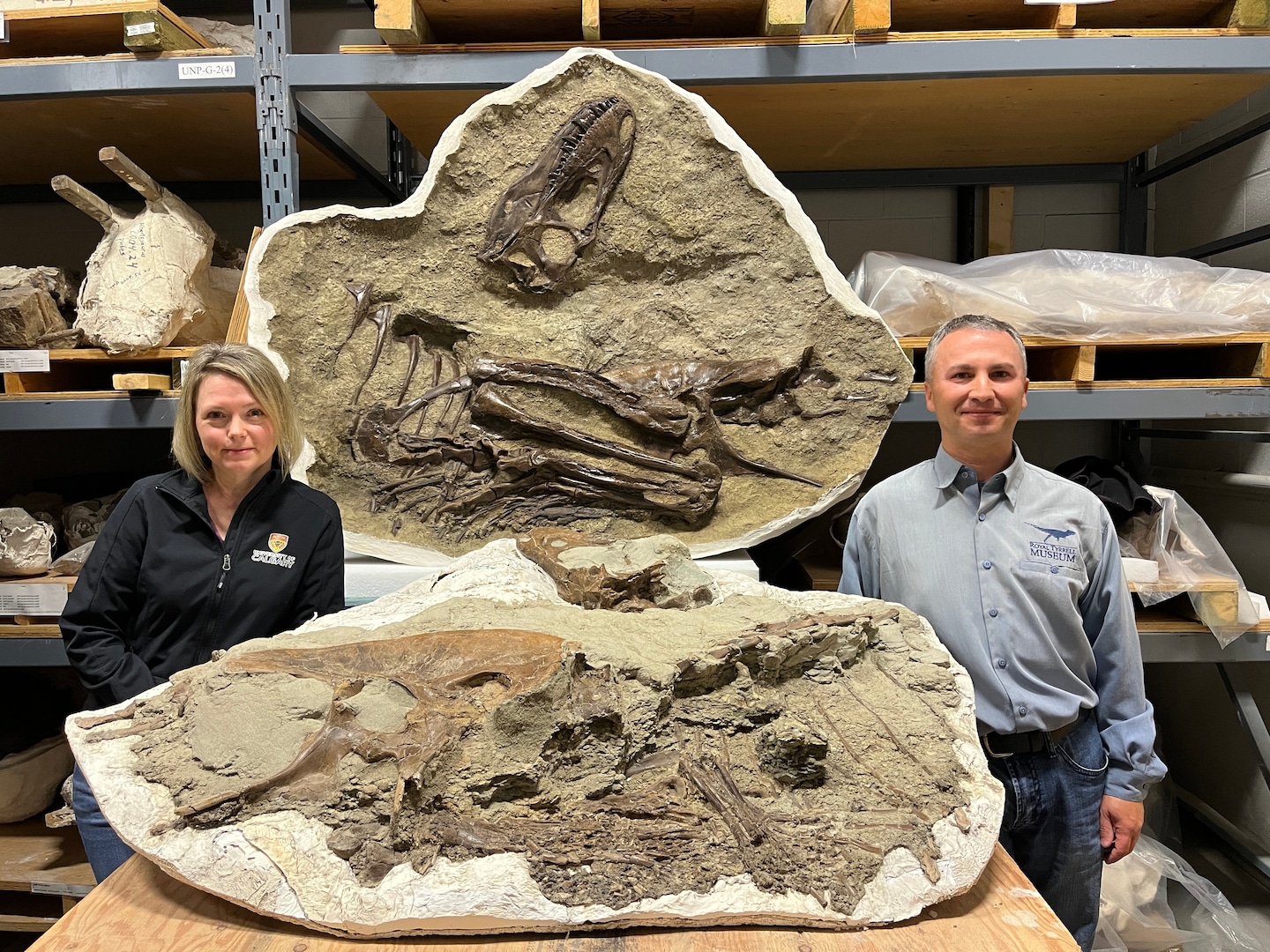
The fossil of a 75-million-year-old Gorgosaurus, a relative of Tyrannosaurus rex, has been discovered with preserved stomach contents, providing insight into the feeding behavior of young tyrannosaurs. The fossil contains the hind limbs of two small feathered dinosaurs, indicating that young tyrannosaurs fed on different animals than their adult counterparts. This finding supports the theory that young tyrannosaurs were nimble predators, filling a midsize predator niche before maturing into apex predators. The fossil also suggests that Gorgosaurus could not take on large herbivores until the age of 11.

paleontology2 years ago

Ancient Tyrannosaur's Last Meal: Baby Dinosaurs

The well-preserved stomach of a 75 million-year-old Gorgosaurus libratus, a type of tyrannosaur, revealed the remains of baby bird-like dinosaurs, suggesting that the species' diet changed as they grew. The discovery, the first of its kind, provides insight into the feeding behavior of juvenile and adult tyrannosaurs, showing that juveniles were better suited to eat small prey while adults could consume much larger prey.

paleontology2 years ago

Ancient Tyrannosaur's Last Meal: Baby Dinosaurs

The well-preserved stomach of a 75 million-year-old Gorgosaurus libratus, a type of tyrannosaur, revealed the remains of baby bird-like dinosaurs, suggesting that the species' diet changed as they grew. The discovery, the first of its kind, provides insight into the feeding behavior of juvenile and adult tyrannosaurs, showing that juveniles were better suited to eat small prey while adults could consume much larger prey.

paleontology2 years ago

Tyrannosaur's Fossilized Stomach Unveils Last Meal of Baby Dinosaurs

Researchers have discovered the well-preserved remains of baby bird-like dinosaurs inside the stomach of a young Gorgosaurus libratus, a type of tyrannosaur. This finding suggests that the diets of tyrannosaurs changed as they grew, with juveniles better suited to eat small prey and adults capable of consuming much larger prey. The discovery provides valuable insights into the feeding behavior and growth patterns of tyrannosaurs.

paleontology2 years ago

Ancient Tyrannosaur Fossil Unveils Perfectly Preserved Stomach Contents

A 75-million-year-old fossil of a juvenile Gorgosaurus has been discovered with its stomach contents intact, making it the first-ever Tyrannosaur found with preserved stomach contents. The fossil reveals that the picky eater consumed the legs of two small feathered dinosaurs, likely a popular menu item at the time. The finding sheds light on the dietary habits of juvenile Tyrannosaurs and suggests that their diets changed as they grew older, allowing them to occupy different ecological niches and become successful predators.

paleontology2 years ago

Ancient Tyrannosaur Fossil Unveils Perfectly Preserved Last Meal

Researchers have discovered the first tyrannosaur fossil with its last meal perfectly preserved in its stomach, providing hard evidence of the dinosaur's diet. The fossil, belonging to a young Gorgosaurus libratus, contained the hind legs of two baby dinosaurs called Citipes elegans. The findings suggest that juvenile tyrannosaurs had different diets from fully developed adults, and the preserved stomach contents shed light on the dietary patterns of large predatory dinosaurs. The discovery also supports the hypothesis that the voracious appetite of teenage tyrannosaurs and other carnivores may have contributed to the scarcity of small and midsize dinosaurs in the fossil record.

paleontology2 years ago

"Tyrannosaur's Last Meal: A Prehistoric Surprise Found in Stomach Fossil"

Scientists have discovered the remains of prey inside the stomach of a tyrannosaur skeleton for the first time, shedding light on the dietary habits and growth patterns of these mighty dinosaurs. The Gorgosaurus, a member of the tyrannosaurid family, had the remains of two young bird-like dinosaurs called Citipes in its stomach. This finding suggests that young tyrannosaurs had a different diet than their adult counterparts, transitioning from smaller prey to larger plant-eating dinosaurs as they grew. The discovery provides insight into the ontogenetic dietary shift of tyrannosaurs and their success as apex predators.

paleontology2 years ago

Tyrannosaur Fossil Unveils Prehistoric Fast Food Diet

Paleontologists have discovered a remarkable fossil of a juvenile tyrannosaur called Gorgosaurus libratus with the partially digested remains of two birdlike dinosaurs in its stomach. The find provides valuable insights into the behavior, development, and diet of these predators that lived 75 million years ago. The intact stomach contents reveal that the young tyrannosaur was a precision eater, capable of ripping off the hindlimbs of its prey. The discovery also supports the theory that tyrannosaurs underwent a dietary shift as they matured, with young individuals feeding on smaller prey before transitioning to hunting larger animals as adults.

animals2 years ago

"Unveiling the Time Capsule: A Glimpse into an Ostrich's Stomach from 1930"

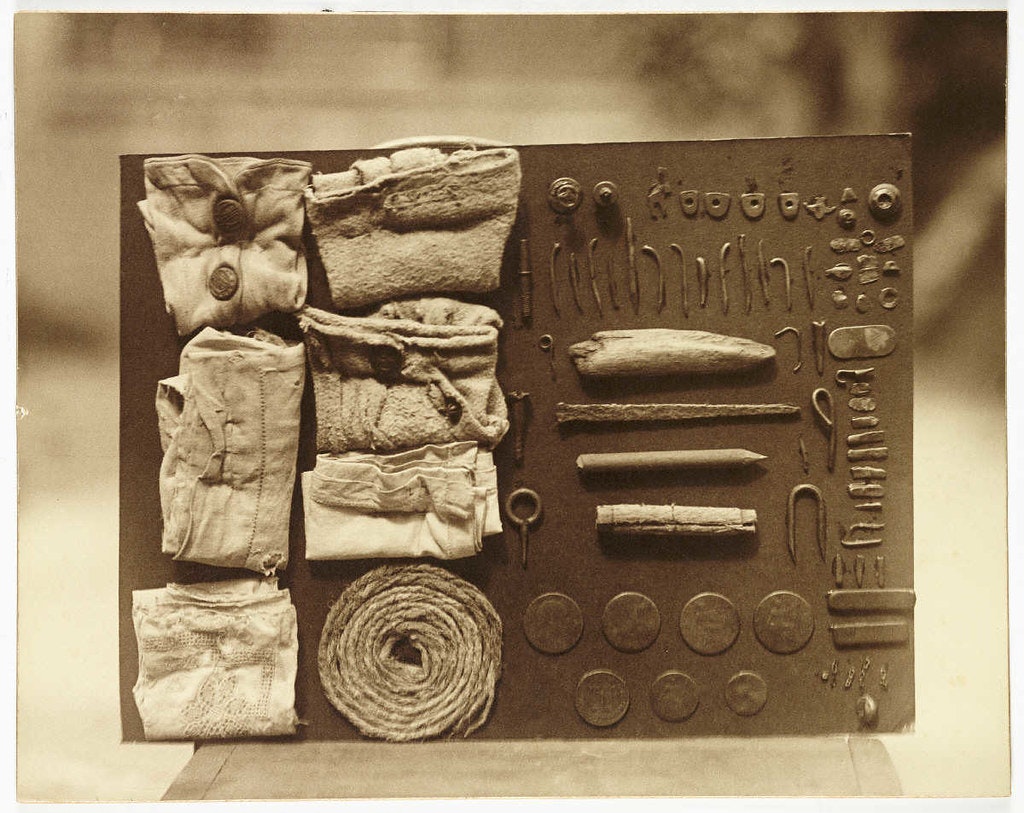
A photograph from 1930 reveals the contents found in the stomach of a zoo ostrich, including handkerchiefs, a glove, a length of rope, assorted coins, tacks, staples, hooks, and a four-inch nail. These items were likely left behind by visitors to the zoo, reflecting the sad consequences of the bird's urban existence. The nail was determined to be the cause of the ostrich's death. The photograph was taken by Frederick William Bond, a photographer at the Zoological Society of London.